Abibitumi Abibifahodie Film Festival Is Putting Black Cinema Back at the Centre
— Afridiaspo Editorial Team
AAFF 2026 brings Black cinema to audiences worldwide October 16–17, with online screenings and an awards ceremony at Ghana’s National Theatre.
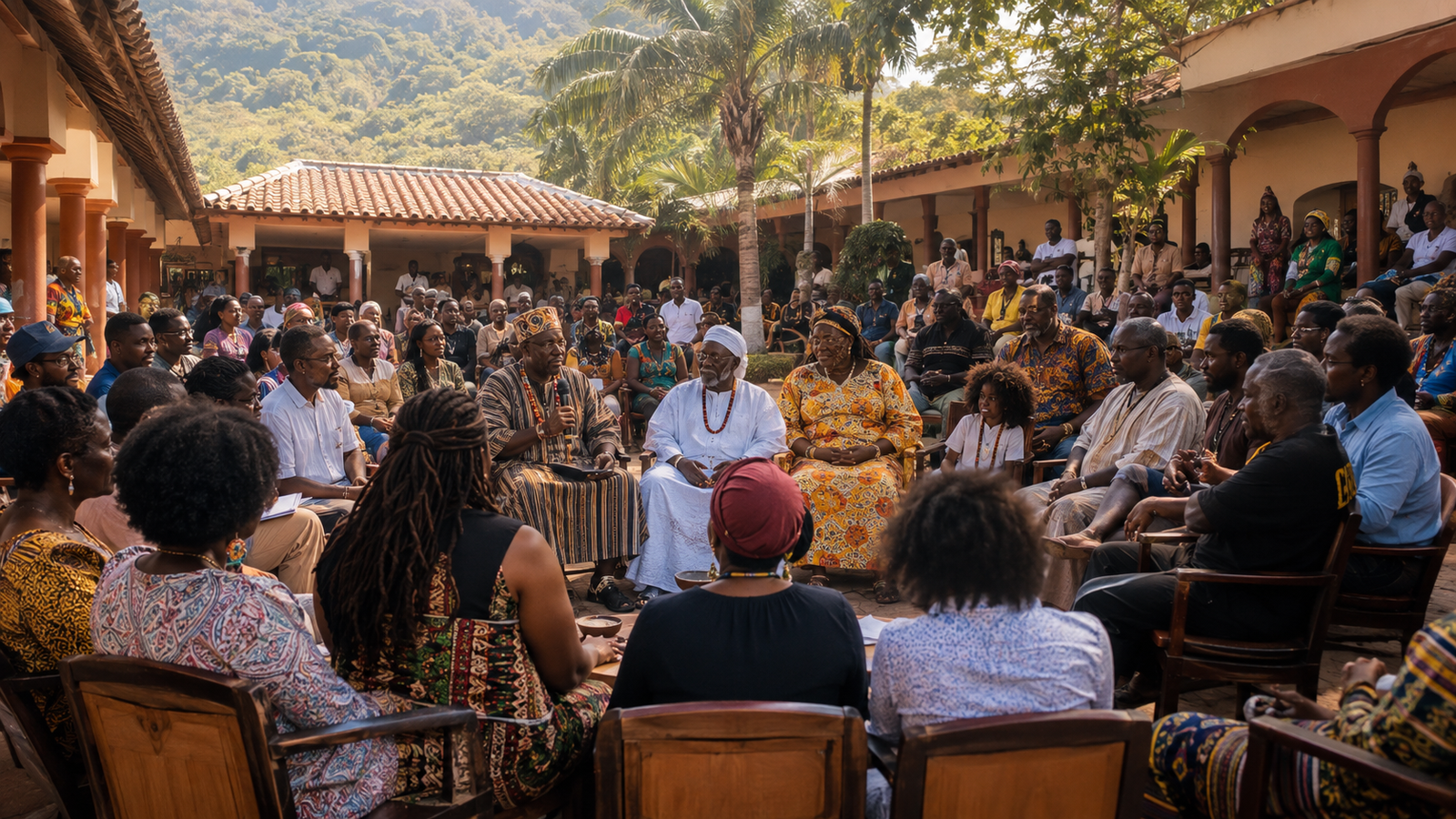
Who controls the camera controls more than the image. They influence how a people remember themselves—and how the world learns to see them.
That question sits at the heart of the Abibitumi Abibifahodie Film Festival, the Ghana-based gathering bringing African and diaspora filmmakers, thinkers, artists and audiences together around Black-controlled storytelling.
The festival returns on October 16–17, 2026, with online screenings available worldwide on both days and an in-person awards ceremony on the evening of October 17 at the Exhibition Hall of the National Theatre in Accra.
Its 2026 message is direct: Kemet for the Kemetyu—At Home and Abroad. The festival is not positioning cinema as entertainment alone. It is using film as a meeting place for identity, history, cultural restoration and the living work of repatriation.
Black stories with Black people at the centre
A pitch sent to Afridiaspo described the festival as part of the wider D.O.O.R initiative—the Decade of Our Repatriation—which connects the global African diaspora through culture, storytelling and development.
That framing changes what a film festival can be. Repatriation is often discussed only as physical return, but culture can also be a route home. A film can restore a name, recover an interrupted history, preserve a language or allow an audience to recognise itself without first passing through someone else’s lens.
AAFF’s stated purpose is to create space for films grounded in Black identity, struggle, achievement, restoration and the future of African people worldwide. Documentary, scripted work, animation, music video and AI-assisted filmmaking all sit within that wider conversation.

Honouring Kwaw Ansah
The 2026 edition will present Ghanaian filmmaker Kwaw Ansah with a Lifetime Achievement Award during the October 17 ceremony in Accra.
The honour fits the festival’s larger argument. African cinema does not begin with the newest streaming release or international breakthrough. It rests on generations of filmmakers who insisted that African societies could be examined from within—through their own political realities, humour, memory, language and moral questions.
By placing legacy beside new work, AAFF creates a line between the filmmakers who built the foundation and those now experimenting with new formats and technologies.
A festival built across borders
AAFF is co-founded by Professor Ọbádélé Kambon and filmmaker Ọnụọra Abụah. The hybrid structure allows audiences outside Ghana to take part online while keeping Accra as the physical centre of the celebration.
That balance matters for a diaspora festival. The internet expands access, but the event still anchors itself in an African city, inside a national cultural institution. People can watch from abroad without the festival losing its geographic and cultural centre.
Organisers told Afridiaspo that the previous edition included filmmaker Nii Kwate Owoo, British-Ghanaian actress Ama K. Abebrese, cinematographer Abraham Haile Biru and Ghanaian actor Adjetey Anang. Their participation reflected the festival’s ambition to connect established creative figures with filmmakers and audiences working across different parts of the Black world.
More than visibility
African and diaspora filmmakers are frequently told that greater visibility is the goal. But visibility without ownership can still leave the power to select, frame and distribute Black stories elsewhere.
AAFF pushes the conversation further. Its real question is not simply whether Black films are being seen, but where they are being shown, who sets the terms, which audiences are centred and what cultural work happens after the credits.
That makes the festival part screening platform, part gathering and part declaration: Black cinema deserves institutions that do not treat African people as a theme, a market segment or an occasional programme.
How to attend AAFF 2026
- Online screenings: October 16 and 17, available worldwide
- Awards ceremony: October 17, evening
- Venue: Exhibition Hall, National Theatre, Accra, Ghana
- Film Festival two-day pass: GH₵550
- Full Experience pass: GH₵1,950, combining the film festival and conference experience
Ticketing platforms may add processing charges or currency-conversion costs. Attendees should confirm what each pass includes before completing a purchase.
For audiences at home and abroad, the invitation is bigger than attending another festival. It is an opportunity to encounter Black cinema from its own centre—and to support the institutions building a future for it.
Festival information and tickets: Visit the official Abibitumi Abibifahodie Film Festival website. More information about the wider initiative is available at Abibitumi.com, with video programming on AbibitumiTV.
Editorial note: This feature was developed from materials sent directly to Afridiaspo by the festival’s outreach team and current information published on the festival’s official platforms.
Abibitumi Abibifahodie Film Festival Is Putting Black Cinema Back at the Centre