Africa Will Be Self-Sufficient by 2028. Dangote Signals a New Energy Era for the Continent
Aliko Dangote says Africa could achieve energy self-sufficiency by 2028. The key lies in local refining, infrastructure investment, and production scaling. The Dangote Refinery could position Africa as a global energy hub.
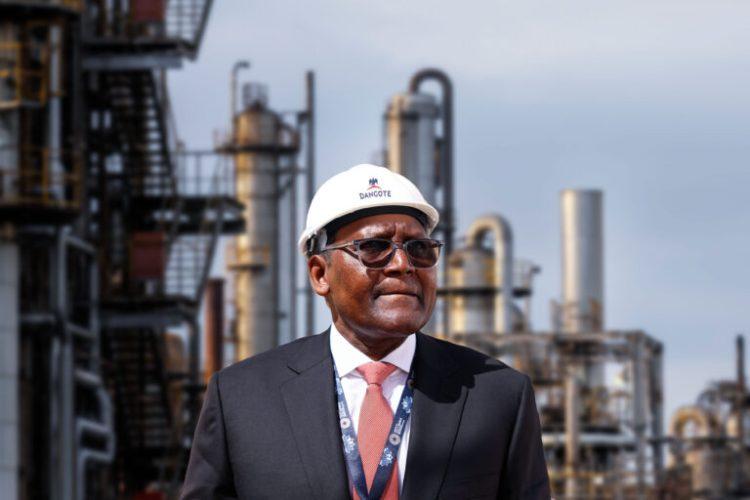
Aliko Dangote, President of the Dangote Group, has made one of the boldest economic projections for the continent: Africa could achieve energy self-sufficiency by 2028. Speaking in an interview with the Atlantic Council Africa Center, Dangote framed the statement not as optimism but as a realistic outcome if current investments continue at scale.
At the heart of this projection is a simple but powerful idea: Africa already has the resources. The continent is rich in crude oil, natural gas, and critical minerals, yet it continues to rely heavily on imported refined fuel and energy products. Dangote argues that the issue is not supply but processing capacity and infrastructure.
What is happening now is a shift from raw export dependency to local value creation. For decades, African countries exported crude oil only to import refined petroleum at higher costs. Dangote’s vision flips that model refine locally, supply locally, and export surplus. If executed, this would fundamentally change Africa’s position in the global energy system.
The timing is critical. Global energy markets are under pressure from geopolitical tensions, supply chain disruptions, and the transition toward cleaner energy. In this environment, regions that can produce and refine their own energy gain a strategic advantage. Africa, Dangote suggests, is on the verge of that transition.
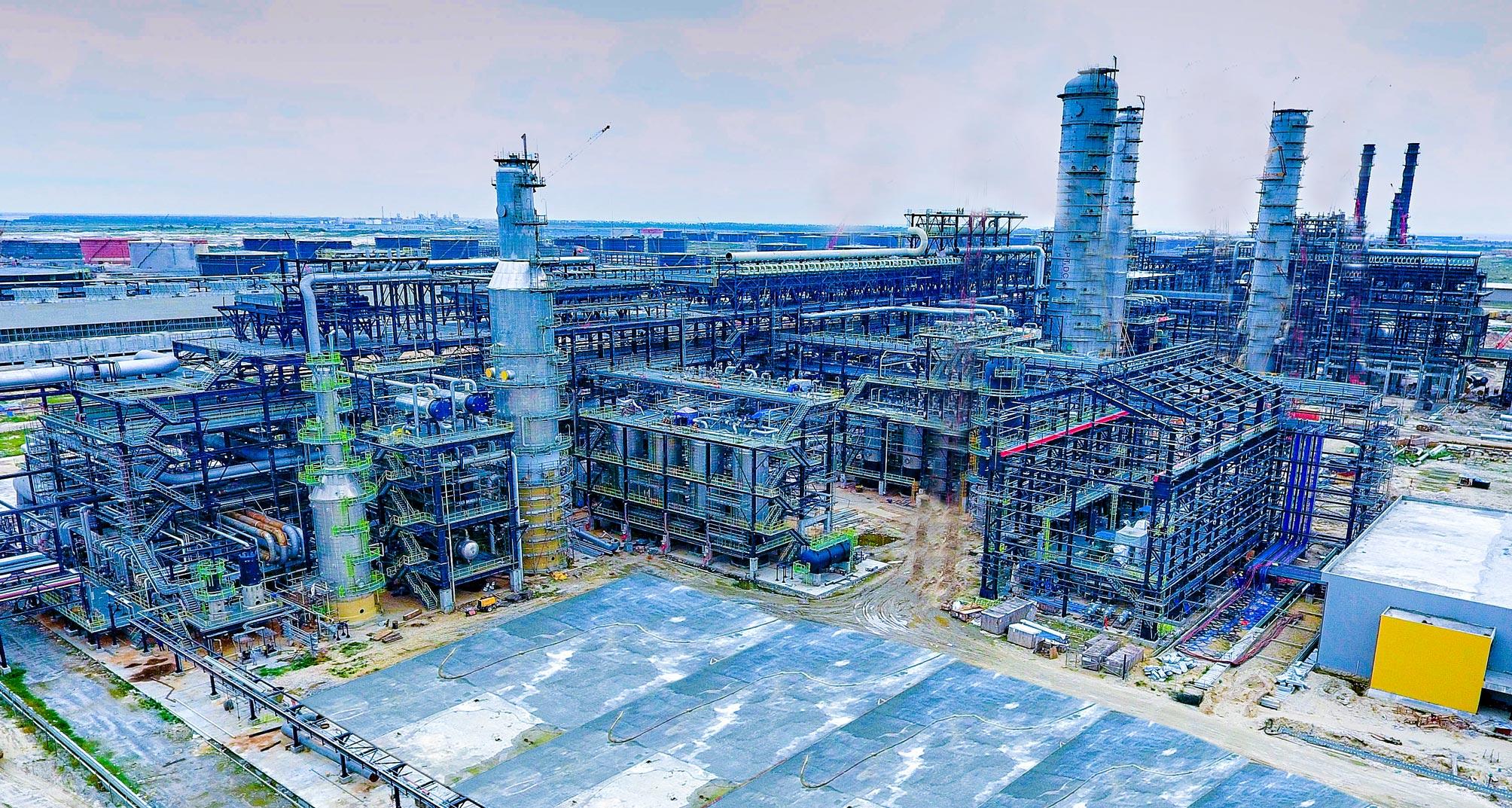
A key pillar of this transformation is the Dangote Refinery, one of the largest single-train refineries in the world. With expansion plans targeting 1.4 million barrels per day, the facility could position Nigeria and by extension Africa as a major refining hub, capable of meeting domestic demand and exporting to international markets.
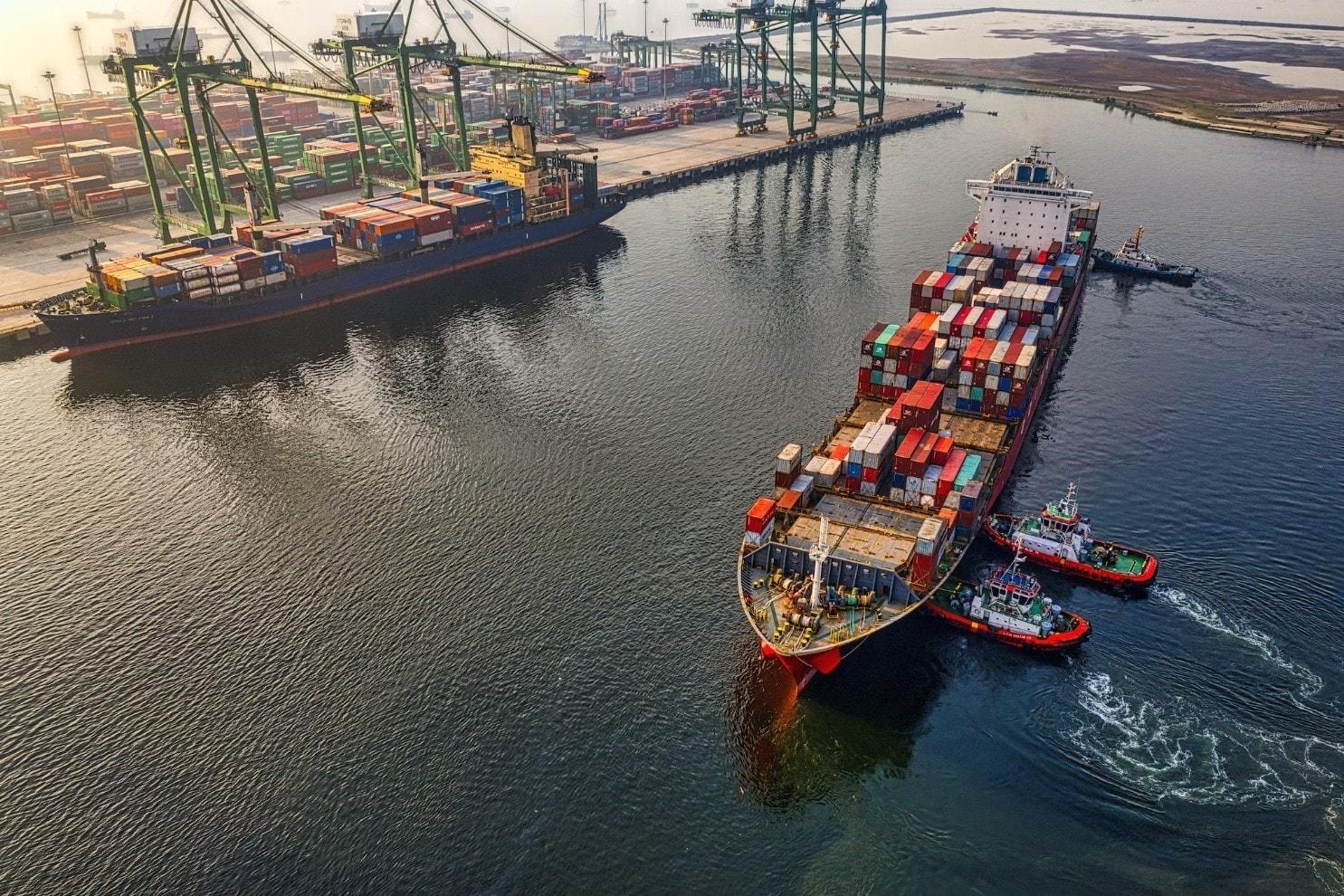
But Dangote is clear: refining alone is not enough. The real bottleneck lies in infrastructure particularly ports, logistics, and transportation systems. Many African countries struggle to efficiently move goods, especially bulk commodities like oil and minerals. Without modern ports and trade corridors, production gains cannot translate into economic power.
This is where the conversation expands beyond energy into trade and industrial policy. Efficient ports, rail systems, and export infrastructure are essential for unlocking Africa’s full potential not just in oil, but in lithium, cobalt, and other critical minerals that are shaping the global energy transition.
Africa’s current role as a supplier to markets like the United Kingdom highlights both its strength and its limitation. While the continent contributes significantly to global supply chains, much of the value is captured elsewhere. Dangote’s vision is about reversing that dynamic keeping more value within Africa.
However, the path to self-sufficiency is not without challenges. Financing large-scale infrastructure, ensuring regulatory consistency, and managing political and economic risks across multiple countries will require coordinated effort. This is not a single-country project it is a continental ambition.
If achieved, the implications are massive. Energy self-sufficiency would reduce import bills, stabilize local currencies, create jobs, and strengthen Africa’s negotiating power on the global stage. It would mark a shift from dependency to economic sovereignty.
Africa Will Be Self-Sufficient by 2028. Dangote Signals a New Energy Era for the Continent