African Agricultural Sector Sitting On A Hidden Billion Dollar Transformation
— Mary Ene
Africa is sitting on billions of dollars that could revolutionize its agriculture sector, yet most of it remains untapped. From idle arable land to underutilized financing and post-harvest losses, the continent’s biggest opportunity is hiding in plain sight. If unlocked, these “hidden billions” cou…
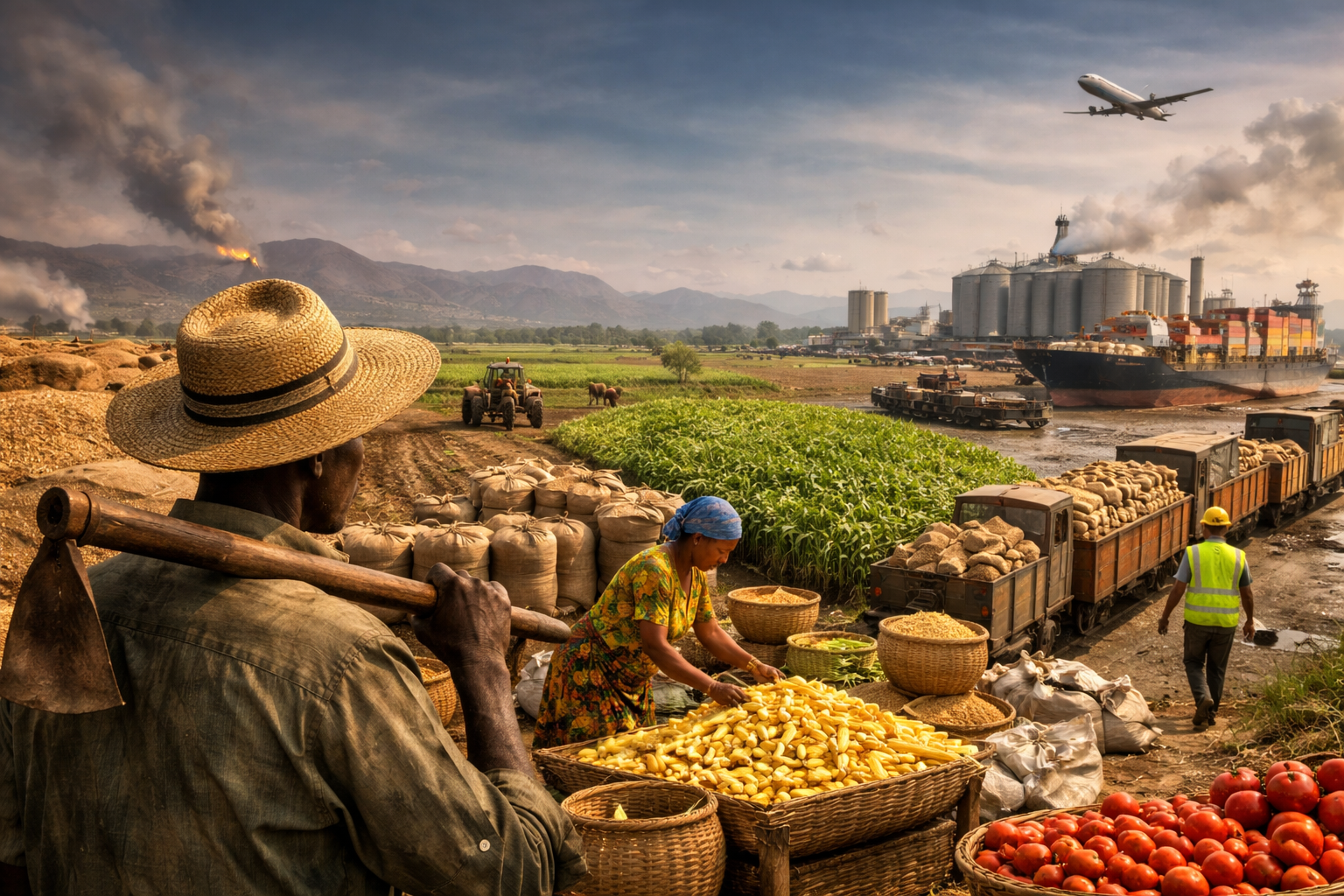
Africa’s agriculture sector is once again under the spotlight as analysts, development banks, and policymakers point to a staggering pool of untapped value capable of transforming the continent’s food systems. At the center of the conversation is a simple question: how can a region with 60% of the world’s uncultivated arable land still struggle with food insecurity?
The “hidden billions” refer to multiple layers of lost or unrealized value across the agricultural chain. These include post-harvest losses estimated at tens of billions annually, limited access to financing for smallholder farmers, inefficient supply chains, and vast stretches of fertile land left uncultivated or poorly managed.
Who is affected cuts across the entire ecosystem. Smallholder farmers, who produce roughly 70–80% of Africa’s food, remain trapped in low productivity cycles. Governments face rising food import bills, while investors hesitate due to perceived risks. Meanwhile, consumers bear the cost through high food prices and inconsistent supply.
Unlocking Africa’s agriculture starts with connecting farmers to capital and opportunity.
What makes this issue urgent now is the convergence of global and local pressures. Climate change is disrupting traditional farming patterns, global food prices remain volatile, and Africa’s population is projected to double by 2050. This creates both a crisis and a massive economic opportunity that cannot be ignored.
Where the biggest gaps exist is not in farming alone, but in infrastructure and systems. Poor storage facilities lead to massive food waste. Weak transportation networks delay distribution. Limited agro-processing capacity means raw produce is exported cheaply and re-imported at higher costs as finished goods.
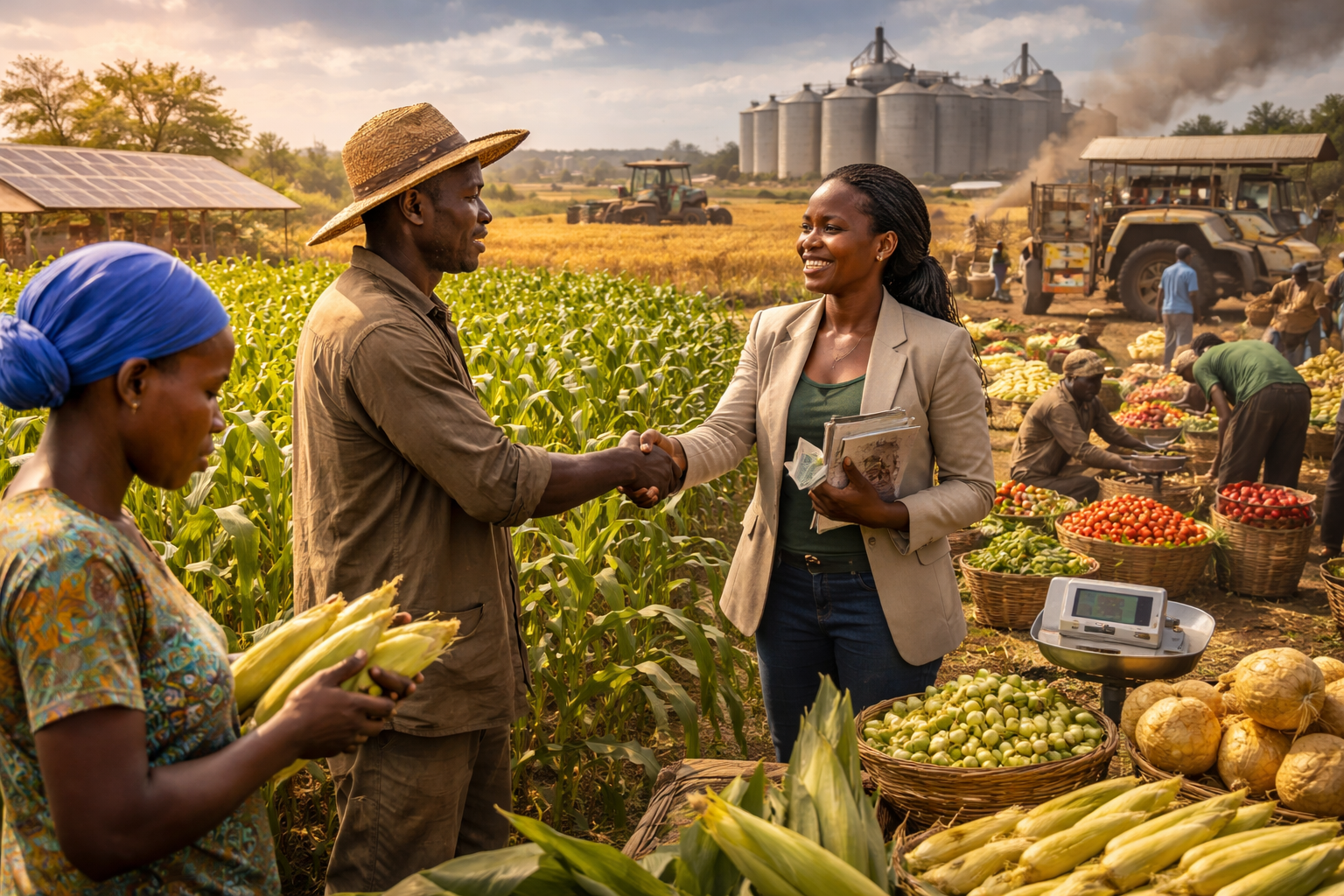
When it comes to financing, the numbers are stark. Despite agriculture contributing significantly to GDP in many African countries, it receives less than 5% of total commercial lending in some regions. This financing gap, estimated in the tens of billions annually, continues to choke growth and innovation.
Why these billions remain hidden comes down to structural inefficiencies and fragmented policies. Land ownership complexities, lack of data, weak institutions, and risk-averse financial systems all combine to keep capital and productivity locked away. In many cases, the opportunity exists, but the systems to unlock it do not.
How this can change is already becoming clear through emerging models. Digital agriculture platforms are connecting farmers to markets and credit. Public-private partnerships are investing in storage and logistics. Agri-tech startups are optimizing yield through data and precision farming. Countries that are reforming land use policies and improving access to finance are beginning to see measurable gains.
The stakes are enormous. Unlocking these hidden billions would not only boost food production but also create millions of jobs, reduce dependency on imports, and position Africa as a key player in global food markets. The opportunity is real, the resources are available, and the only question left is whether the continent will act fast enough to claim what has been within reach all along.
African Agricultural Sector Sitting On A Hidden Billion Dollar Transformation