Five African Women Filmmakers Changing the Way We See Ourselves
— Afridiaspo Editorial
Meet Mati Diop, Wanuri Kahiu, Tsitsi Dangarembga, Kaouther Ben Hania and Fanta Régina Nacro—five women reshaping African cinema.
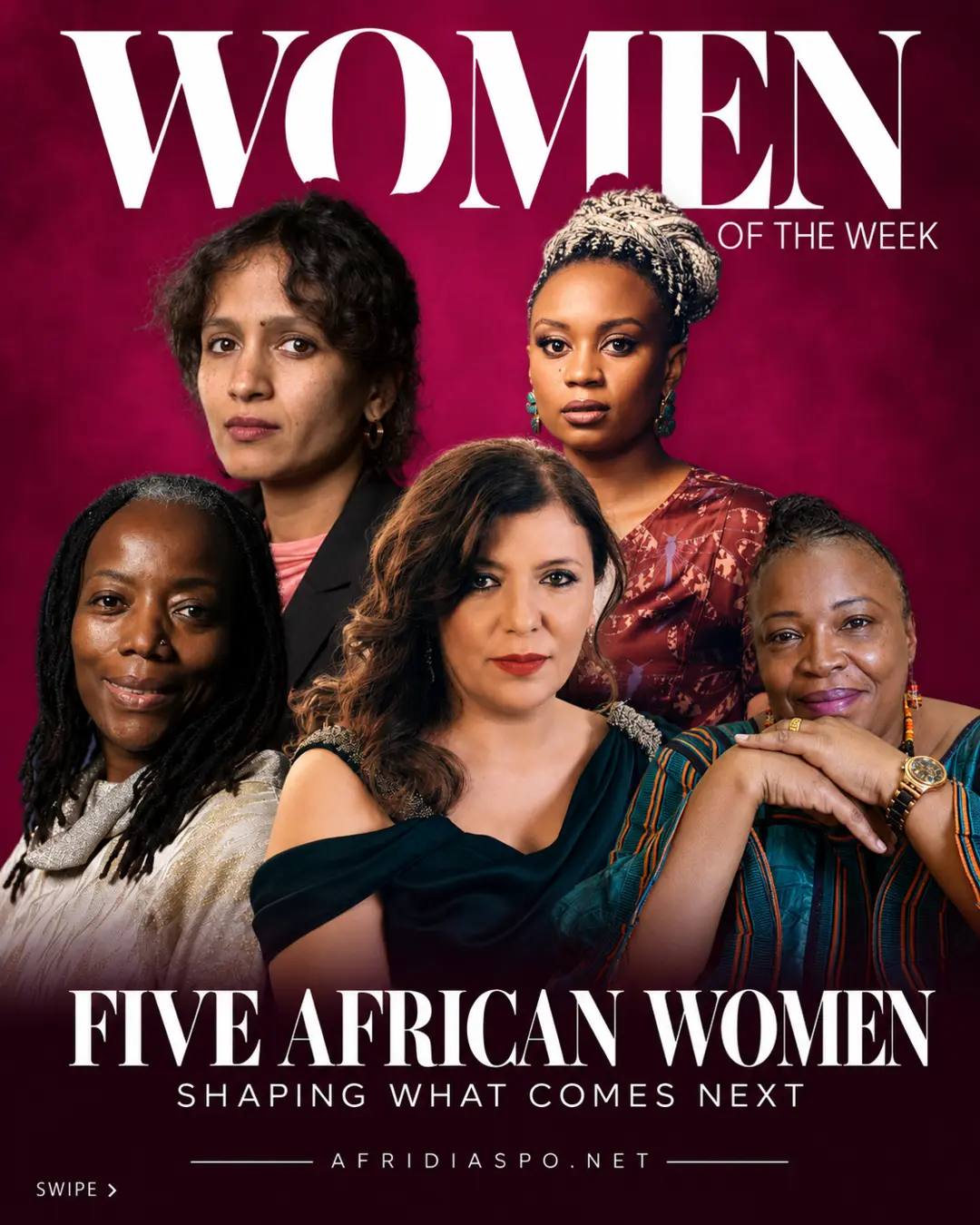
Five countries, five filmmakers, and five different ways of insisting that African lives must be seen on their own terms.
African cinema has never been one story. It moves between archive and imagination, public history and private grief, laughter and political argument. This week, Afridiaspo is celebrating five women whose work has widened what the screen can hold: Mati Diop, Wanuri Kahiu, Tsitsi Dangarembga, Kaouther Ben Hania and Fanta Régina Nacro.
They come from different regions, generations and filmmaking traditions. What connects them is not a single style. It is control: control of the lens, of the questions being asked and of the way African people are allowed to appear.
Senegal: Mati Diop makes restitution speak
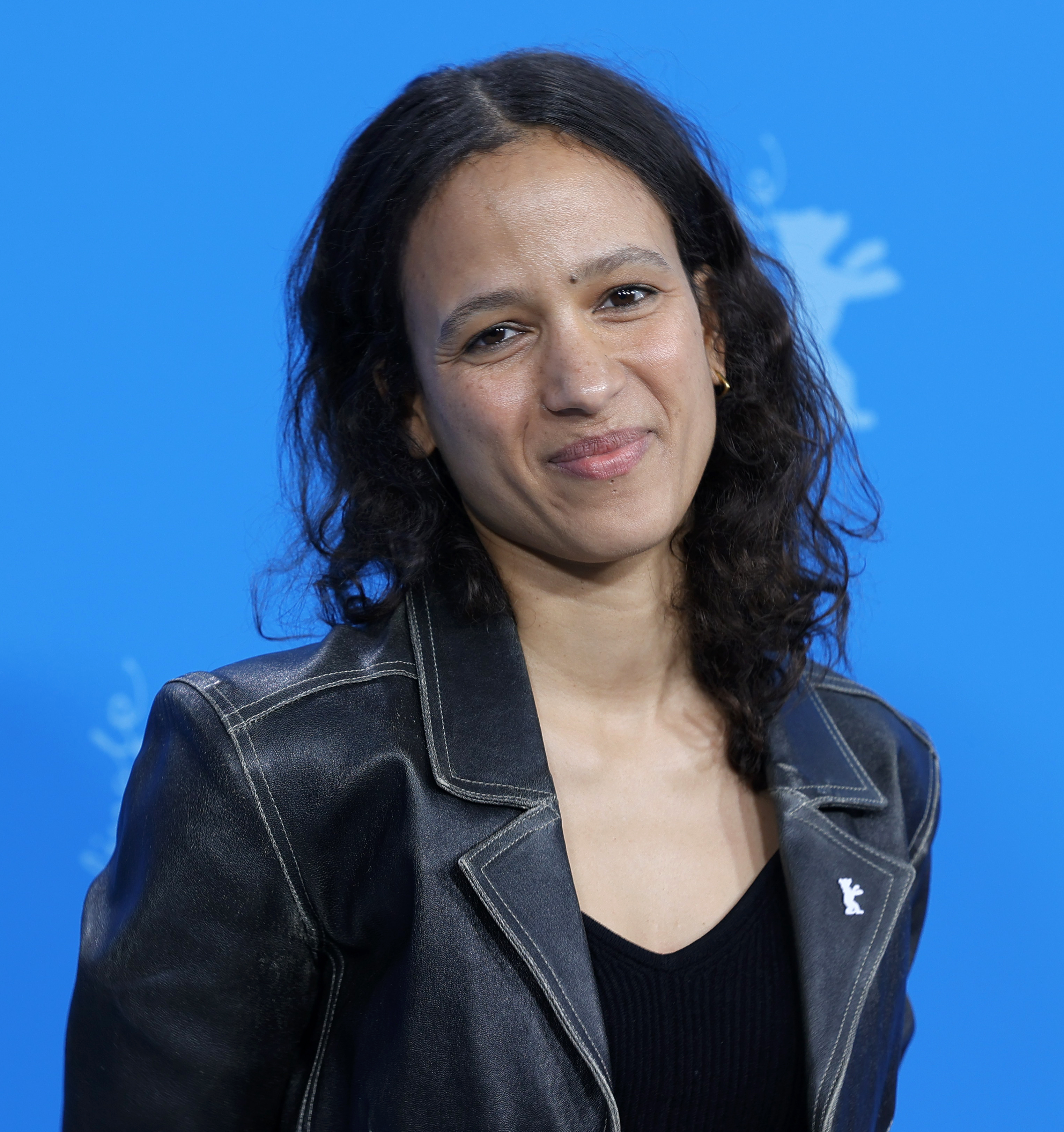

Mati Diop’s Dahomey begins with a return. The film follows 26 royal treasures taken from the former Kingdom of Dahomey by French colonial troops as they travel from France to present-day Benin. Diop refuses to treat the objects as silent museum pieces. One of them speaks, while students at the University of Abomey-Calavi debate what restitution means when thousands of other objects remain abroad.
The documentary won the Golden Bear at the 2024 Berlin Film Festival. It followed Atlantics, Diop’s Senegal-set feature that won the Grand Prix at Cannes in 2019. Across both films, she works at the border between the visible and the unseen: young men lost to migration, objects carrying stolen histories, and communities deciding how to live with an unfinished past. Source: Film at Lincoln Center on Dahomey.
Kenya: Wanuri Kahiu protects the right to joy
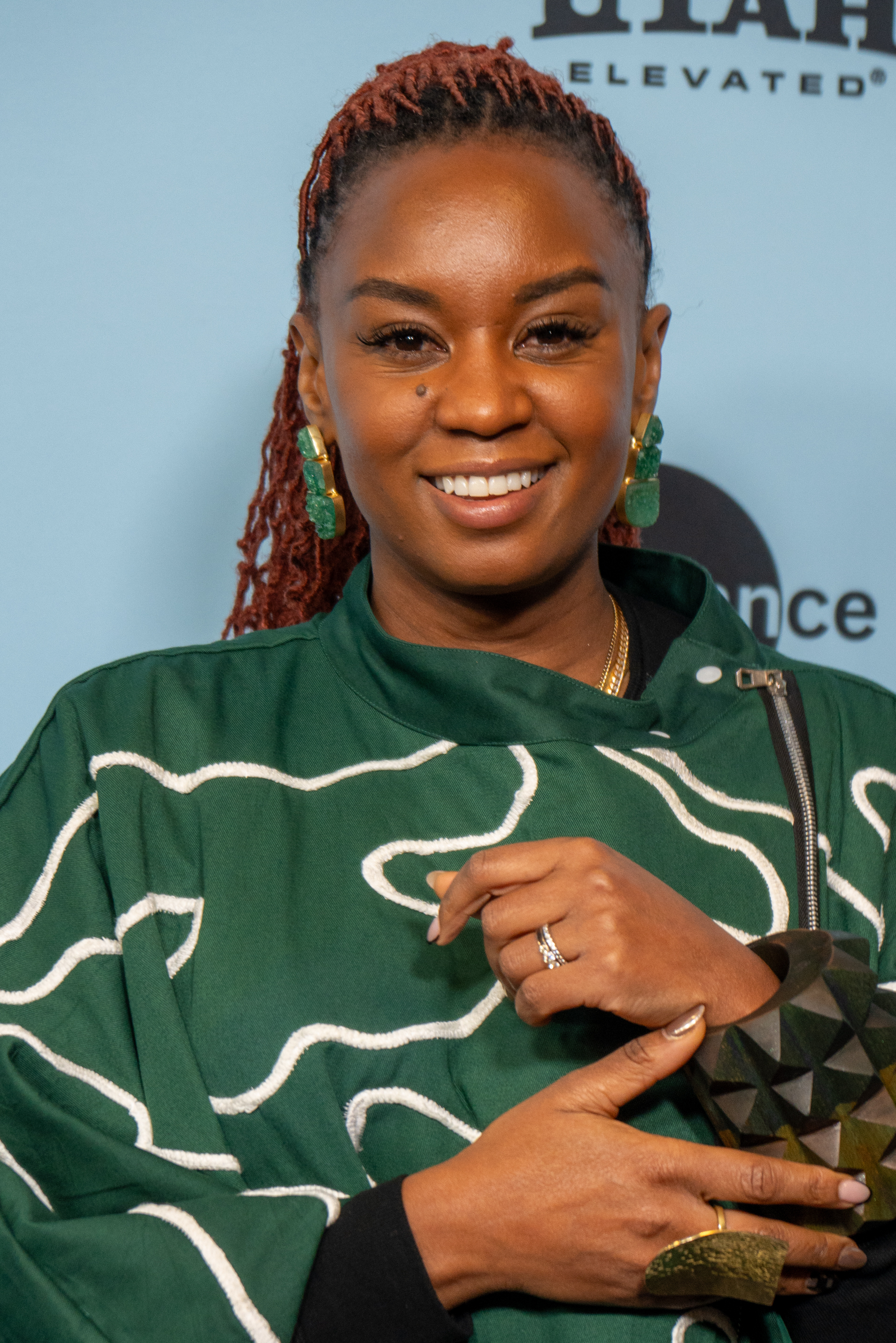

Wanuri Kahiu’s films push against the expectation that African stories must always arrive carrying suffering. Her creative philosophy, AfroBubbleGum, makes room for African art that is joyful, colourful, playful and unapologetically imaginative. That insistence is political in its own way: it says African audiences deserve fantasy, romance and pleasure as much as anyone else.
Her 2018 feature Rafiki follows Kena and Ziki, two young women who fall in love while their fathers oppose each other in a local election. The film was selected for Cannes’ Un Certain Regard section, becoming the first Kenyan feature to screen at the festival. Kahiu has continued to move across genres and borders, but her centre remains clear: African characters should not be trapped inside somebody else’s narrow idea of Africa. Source: Festival de Cannes on Rafiki and Wanuri Kahiu’s official biography.
Zimbabwe: Tsitsi Dangarembga looks directly at social fracture
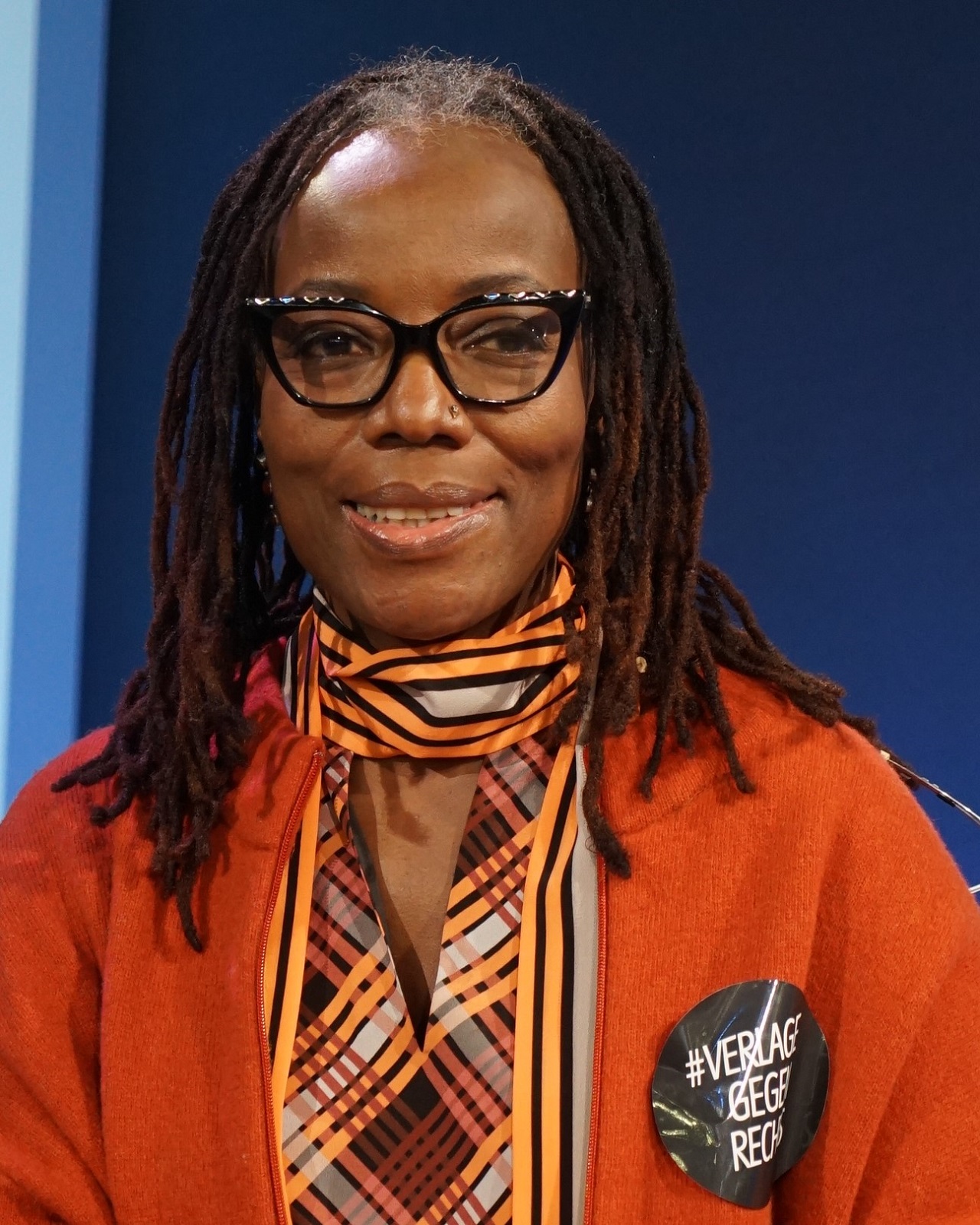

Many readers first meet Tsitsi Dangarembga through Nervous Conditions, her landmark novel about a girl’s education, family and the pressures of colonial Rhodesia. Her work in film carries the same refusal to simplify the forces acting on ordinary lives.
In Everyone’s Child, Dangarembga tells the story of four siblings whose parents have died of AIDS. The children face stigma, abandonment and the collapse of the support that should have held them. Released in the 1990s, the film approached the AIDS crisis through the consequences borne by a family rather than through statistics. Dangarembga later founded Nyerai Films and has helped build platforms for women filmmakers in Zimbabwe. Her contribution is not only the stories she has told, but the space she has made for others to tell theirs. Source: African Film Festival on Everyone’s Child.
Tunisia: Kaouther Ben Hania turns absence into a cinematic form
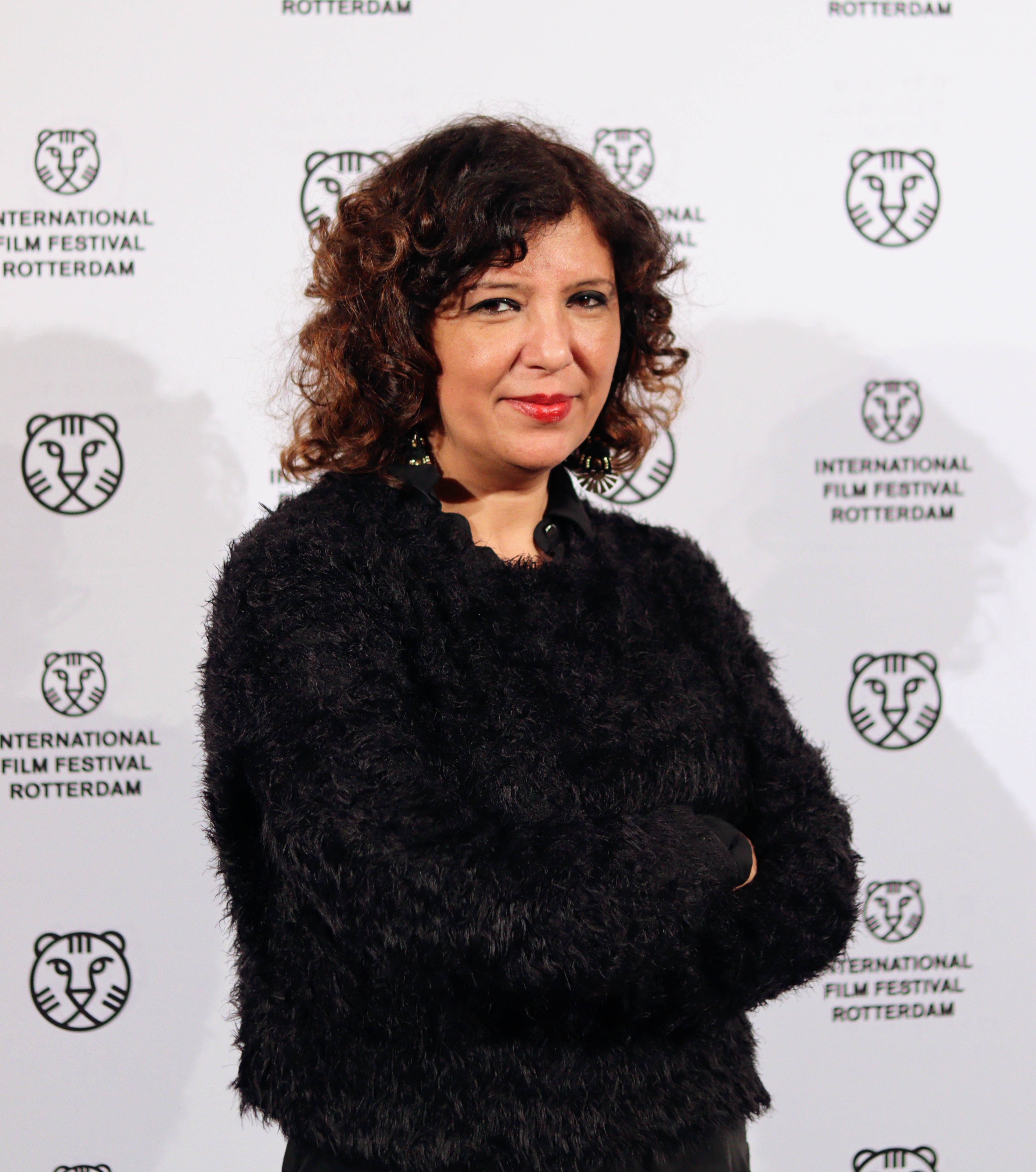

Kaouther Ben Hania’s Four Daughters begins with a family story that cannot be reconstructed in the usual way. Olfa, a Tunisian mother, has four daughters; her two eldest have disappeared. Ben Hania brings professional actresses into the family’s home to stand in for those who are absent and to replay moments the family is still trying to understand.
The result moves between documentary testimony and performance without pretending that either can offer a complete answer. Selected for the main competition at Cannes in 2023, Four Daughters asks what happens when people perform their own memories—and what a camera can reveal when the truth is painful, contested and incomplete. Ben Hania’s work shows that form is not decoration. Sometimes the structure of a film is the only honest way to approach its subject. Source: Festival de Cannes on Four Daughters.
Burkina Faso: Fanta Régina Nacro films the work of repair
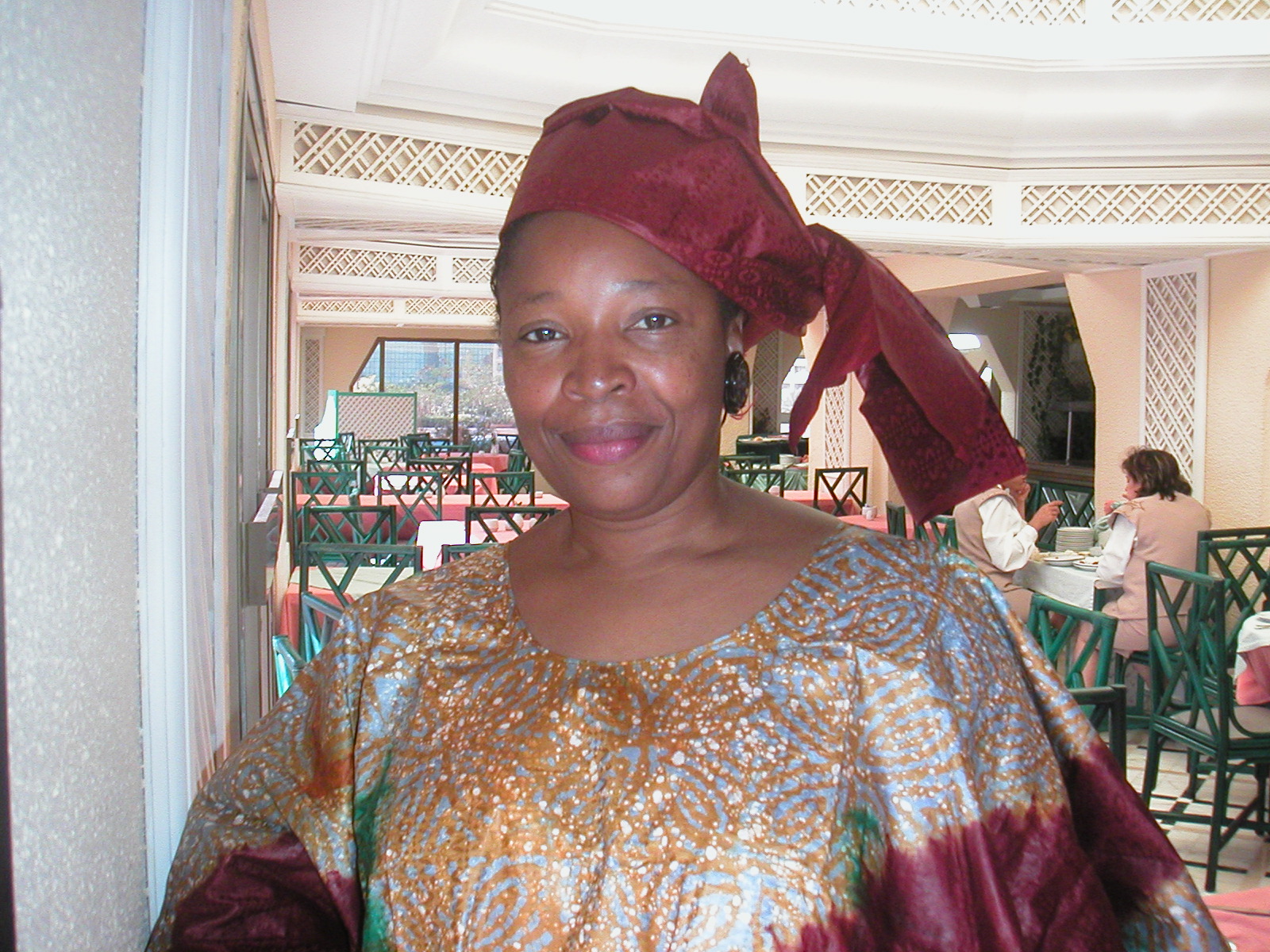

Fanta Régina Nacro helped open a door in Burkinabè cinema. With Un Certain Matin in 1991, she became the first woman from Burkina Faso to direct a dramatic film. Her shorts went on to address relationships, gender and the AIDS epidemic, often using humour to enter conversations that public language avoided.
Her first feature, The Night of Truth, turns toward the aftermath of war. Set in a fictional African country, it follows two communities attempting reconciliation after years of violence. The film does not treat peace as a ceremony that erases what happened. It asks whether people can face grief, revenge and responsibility long enough to stop a conflict from beginning again. Nacro’s cinema recognises that repair is difficult work—and still insists it is worth attempting. Source: African Film Festival director archive.
The screen belongs to more than one Africa
Diop gives voice to objects taken by empire. Kahiu defends joy and creative freedom. Dangarembga shows how public crises enter the home. Ben Hania builds a form around absence. Nacro studies what reconciliation demands after violence. None of these women is carrying the burden of “representing Africa” alone. Together, they make that impossible—and that is precisely the point.
Their films leave us with a better question than “What is African cinema?” The question is: how many more African stories become possible when women control the frame?
Which of these filmmakers should Afridiaspo profile next? Tell us in the comments.
Image note: The featured cover is an AI-assisted editorial composite approved for this Women of the Week edition. The five portraits beside the profiles are credited documentary photographs used under Creative Commons licences; each original and licence is linked in its caption.
Five African Women Filmmakers Changing the Way We See Ourselves