Before TVC, There Was Small Madam: Riyah Abdul’s Journey from Ghana to Nigeria
From a student-made show to a Nigerian newsroom and a journalism prize, the Ghanaian broadcaster’s career began with a simple decision: create a place to practise before anyone offered her one.
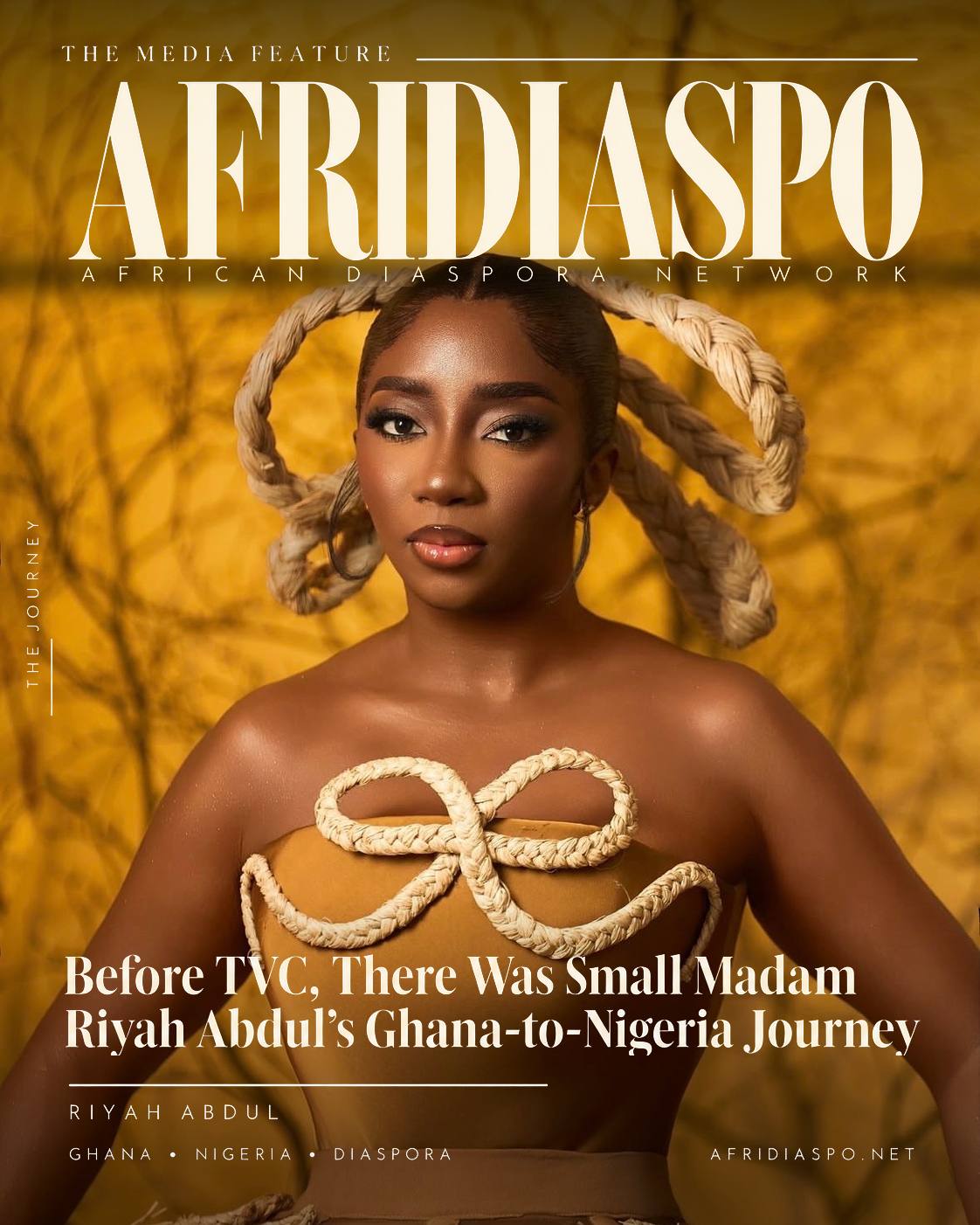 Before TVC, There Was Small Madam: Riyah Abdul’s Journey from Ghana to Nigeria
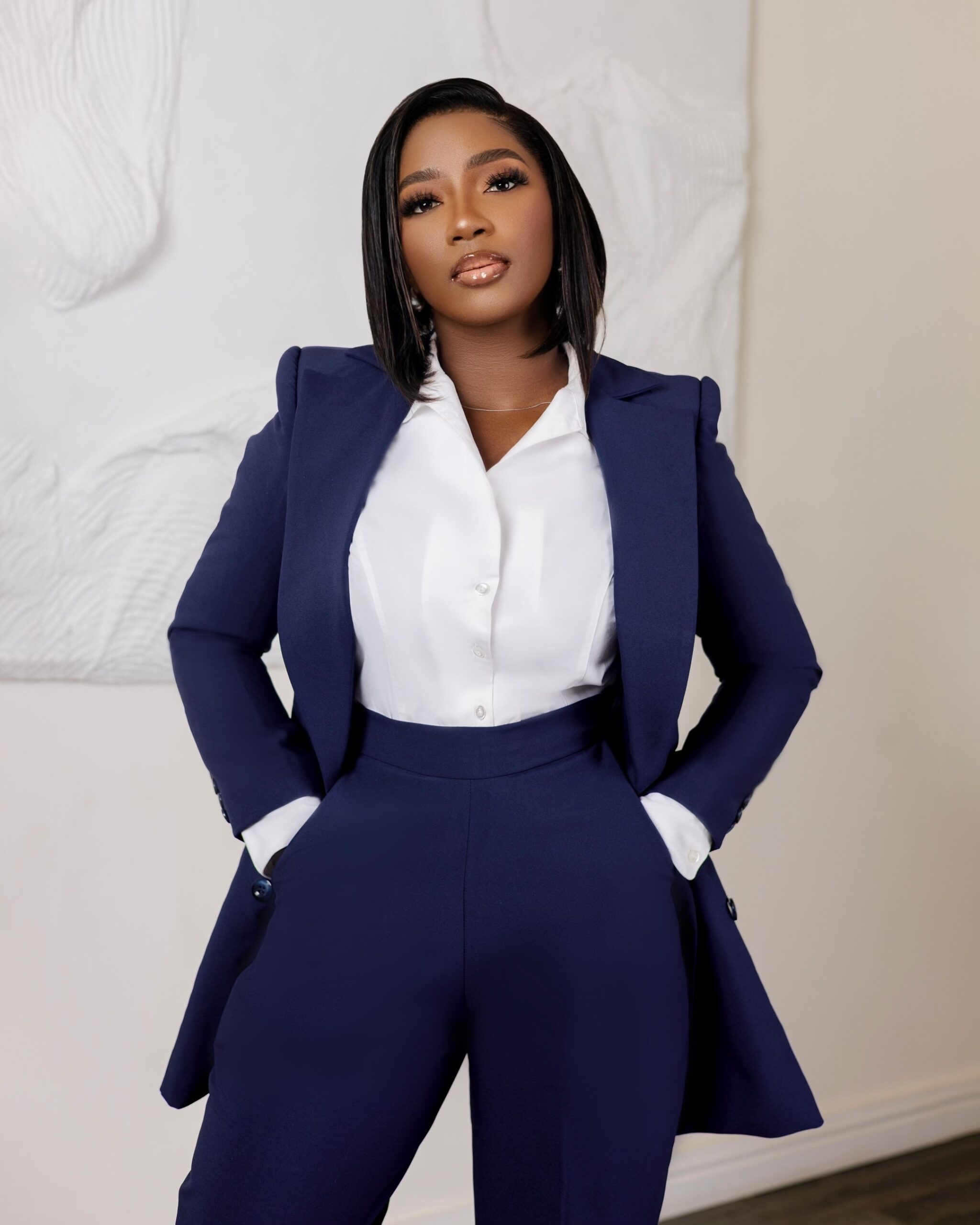
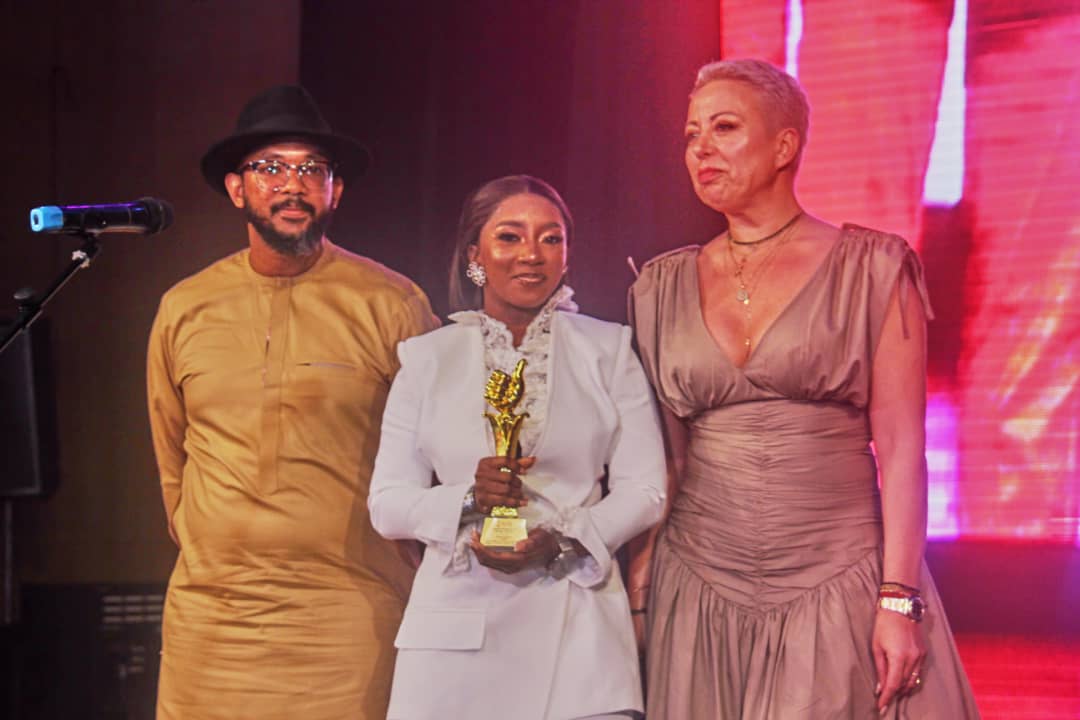
When Riyah Abdul won the 2026 Future Awards Africa Prize for Journalism, her acceptance carried a message for two countries and one woman. The TVC News Breakfast anchor thanked Nigeria for the opportunities she had found there and dedicated the recognition to her mother. “Mummy, I did it,” she said, according to TVC’s report of the November 14 ceremony.
It is an arresting place to enter her story. But an award stage is not where a broadcasting career begins. For Abdul, the earlier audience was a room of fellow students in Ghana. Long before the breakfast desk, she was already trying to make a conversation worth gathering for.
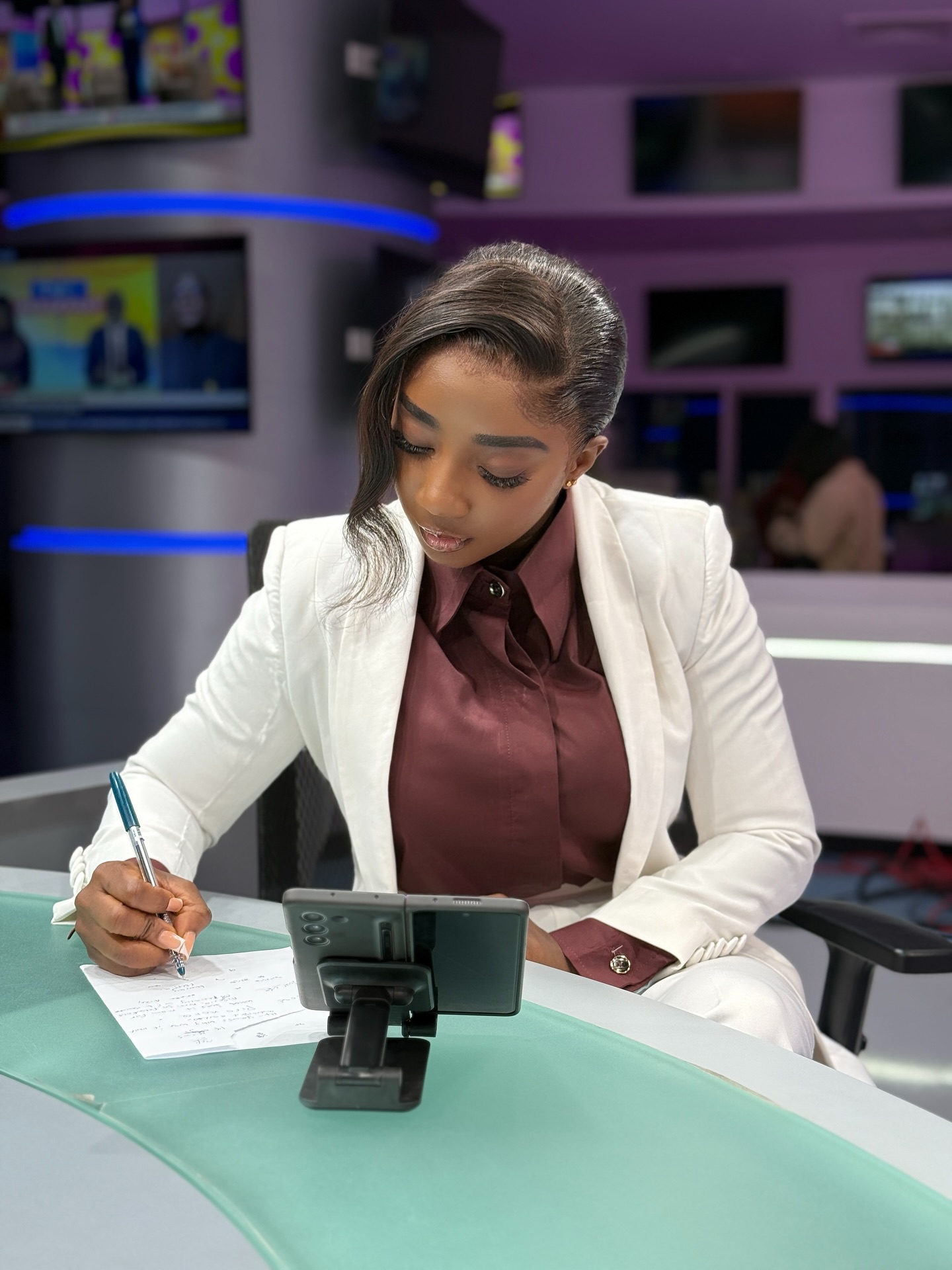
The show before the television job, Abdul studied journalism and mass communications at Sikkim Manipal University in Ghana. She created The Small Madam Show, naming it after her small stature. On Fridays, classmates and the dean gathered for discussions about student life.
After graduation, her audition at Metro TV brought her first presenting job. She spent eight years there, learning production, editing, directing and writing as well as presenting. Eventually she resigned, weighed Nigeria against South Africa and sold her car to finance a flight to Lagos. At News Central TV, an initial spell reading news gave way to the entertainment programme E Central. Her account later described building RA Productions and interviewing figures including Dele Momodu, Dino Melaye and Rotimi Amaechi.
The important distinction is between getting a programme and inventing one. Her campus experiment gave her a format, an audience and practice before a television station gave her a professional platform. It makes the later move into independent production feel less like a departure than a return to an early instinct.
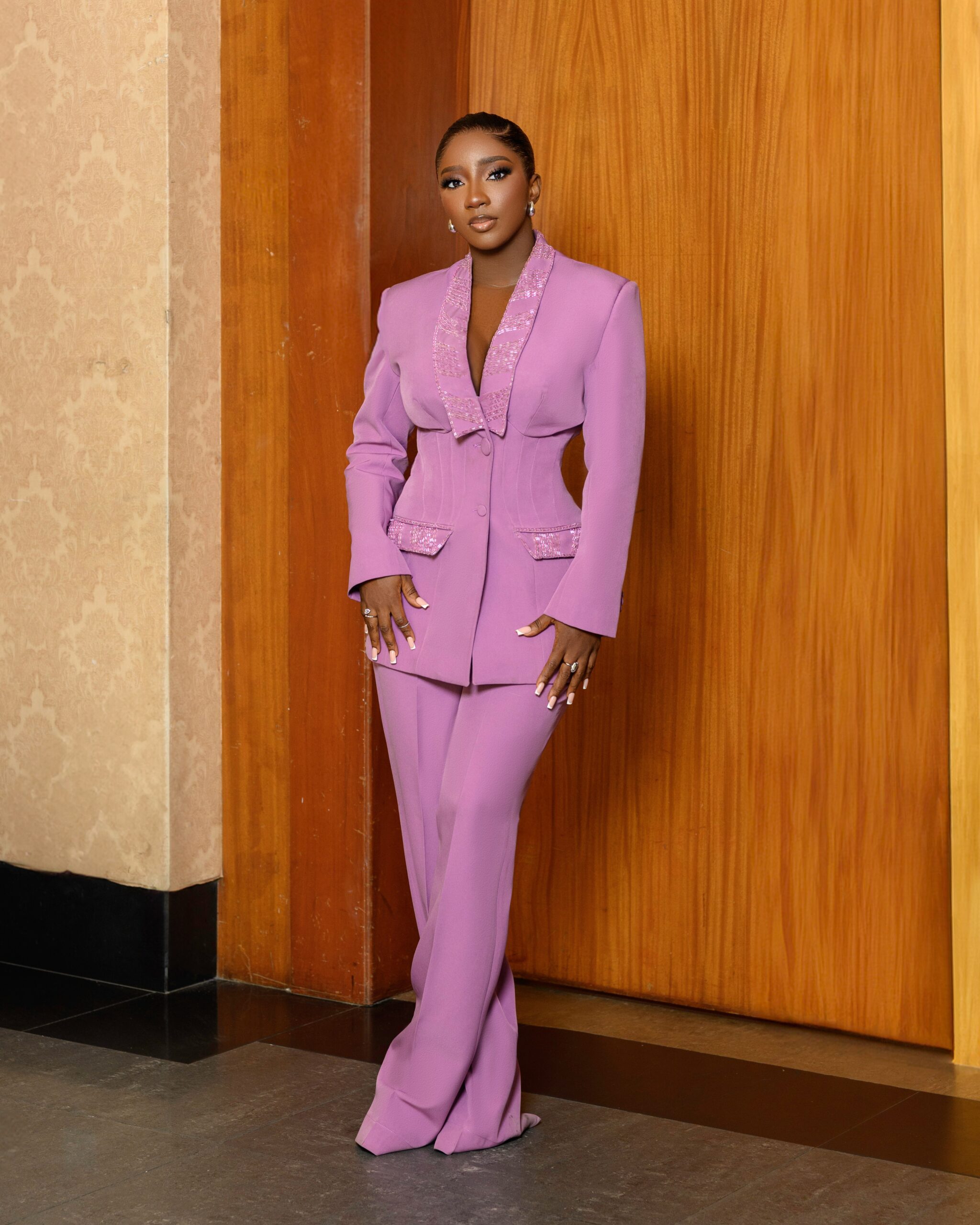
A student show is also a small production operation. The presenter must find something worth discussing, bring people into the room and hold their attention without the authority of a major channel behind her. That is the significance of Small Madam in this story: not a claim that it was already a national success, but evidence that Abdul was practising the work before she possessed its professional title.
The surviving public account does not establish the date of its first episode. That gap should not be filled with a convenient year. What it does establish is the order of events: the self-created student programme came before the audition and the television career, rather than being a project launched after she became recognisable.
Ghana was a foundation, not a blank page
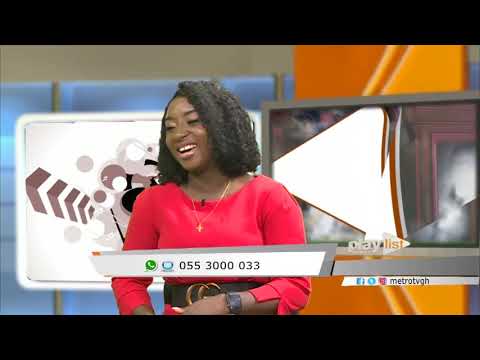
Contemporary records help put substance behind the Ghana chapter. A November 2018 report on Metro TV named Abdul and Jackie Acquaye as social-media comperes for the station’s FIFA World Cup coverage. The following year, the Ghana Actors and Entertainers Awards nominations listed her in the entertainment television host category for Playlist on Metro TV.
Those records matter because a migration story can too easily erase the work done before departure. Abdul did not arrive in Nigeria without a broadcasting history. She arrived with experience that had to find a new audience, new professional relationships and a new context.
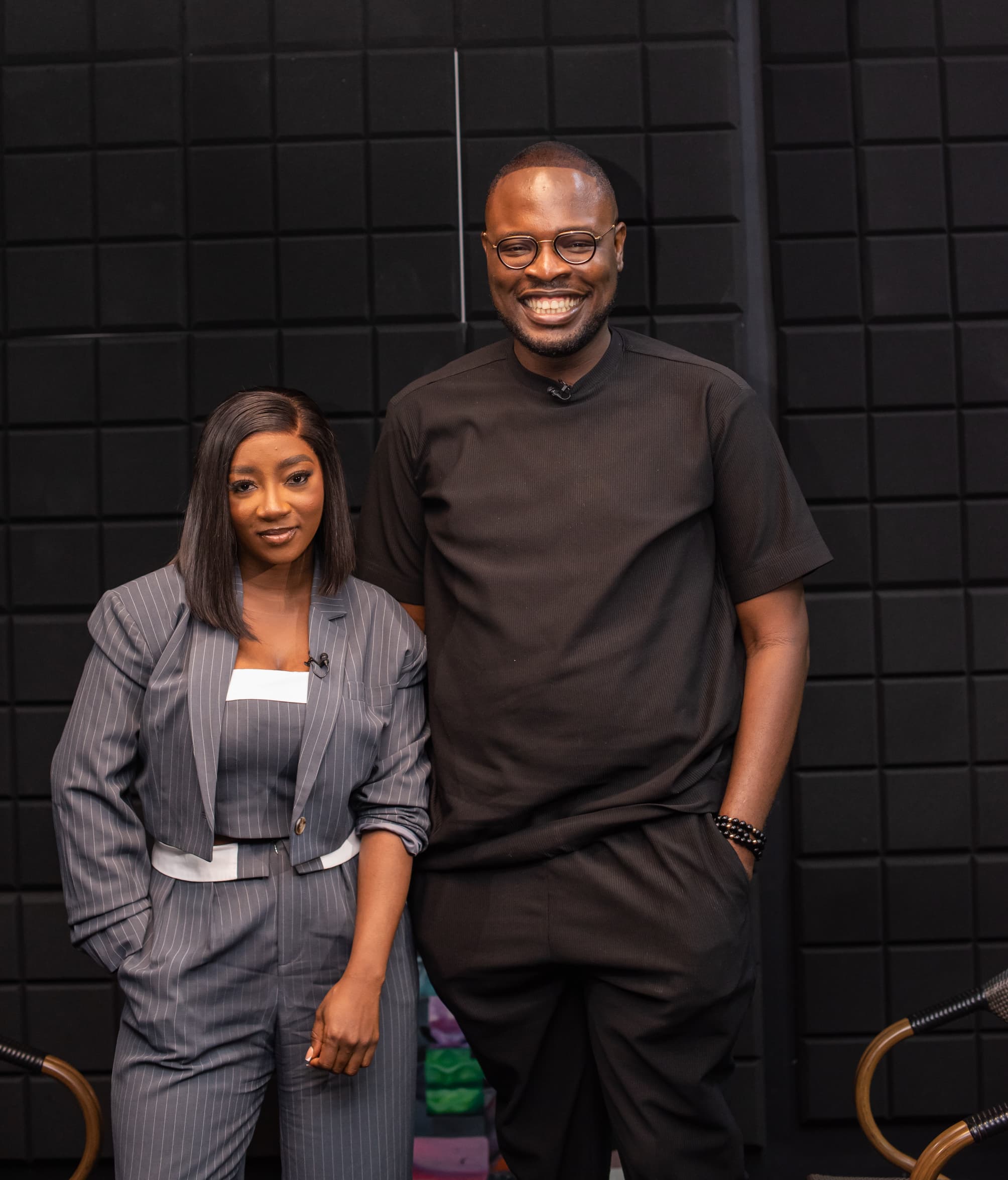
In the official description of her March 2026 conversation with Chude Jideonwo, the move is framed around ambition shaped by childhood poverty, uncertainty and the search for greater opportunity. It also credits broadcaster IK Osakioduwa with helping her secure an early opportunity in Nigeria. This was not presented as a journey without fear or assistance.
That is a more useful account than the familiar story of an individual succeeding entirely alone. Skill travels with a person, but access does not automatically follow. A new city means learning who will take a meeting, where a voice fits and how to keep working when a familiar professional identity no longer explains everything.
For AfriDiaspo’s readers, her route is also a reminder that African movement is not only a journey towards Europe or North America. A Ghana-to-Nigeria career can be a consequential act of reinvention in its own right.
Her own production company, her own interview chair
The independent political interviews deserve a chapter of their own, rather than a passing list of well-known names. By December 11, 2021, Abdul had already written about the RA Productions conversations. That fixes an important boundary: they belong to her career by 2021. They should not be moved into 2022 simply because that later date sounds plausible.
In that account, Momodu discussed Ovation’s beginnings in exile; Melaye addressed ambition and public perception; Amaechi spoke about young Nigerians’ future. Momodu also connected her to Melaye. These are Abdul’s descriptions, not a transcript of the recordings.
Those three subjects suggest a wider editorial interest than the familiar confrontation of a political news interview. A discussion of an international magazine’s origins is also a discussion of building a media institution. A conversation about public perception asks how the individual behind a political identity understands the distance between himself and his audience. A discussion of young people’s future moves the focus from personal reputation towards the generation expected to live with political decisions.
The distinction matters. Interviewing a politician need not mean asking only about party rivalry or the latest controversy. It can examine the experiences, choices and self-image that sit behind a public role. But a personal interview should not be confused with independent verification of a guest’s claims. Access is the beginning of the journalist’s work, not its conclusion.
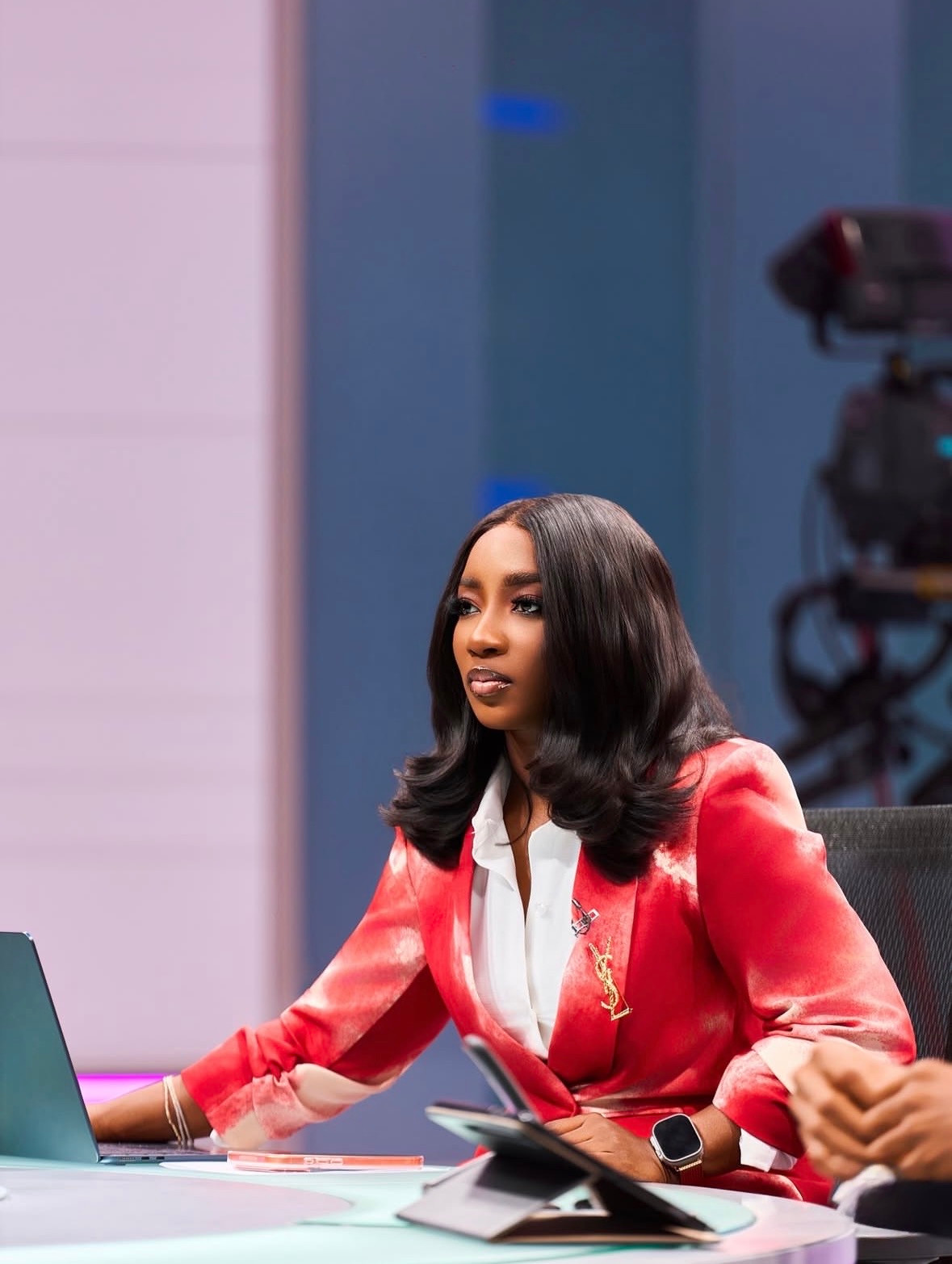
For Abdul, a production company also meant something different from a place on a station’s schedule. An employed presenter works within an existing institution; an independent producer must give an idea a structure and persuade a guest that the conversation is worth having. Her account documents the move towards that ownership. It does not provide a detailed business history of RA Productions, its finances or a definitive launch date, and those details should not be invented.
The connection with Momodu continued beyond an early interview. In an April 2024 birthday tribute reported by QED, he publicly described Abdul as his Ghanaian mentee and praised her professionalism and discipline. The tribute is evidence of a continuing professional relationship. It is not proof that he arranged every subsequent opportunity.
There is an important limit to the reconstruction. The complete original recordings and their precise release dates have not been verified for this draft. We can establish that Abdul described these interviews in 2021 and identify the subjects she said they covered. We cannot responsibly supply a dramatic exchange, an answer she never published or a claim that a particular conversation changed a guest’s political career.
The freedom to build something of her own
A separate public conversation offers a more personal way to understand what professional independence meant to her. In BellaNaija’s October 2024 #HerMoneyHerPower feature, Abdul reflected on financial dependence in a relationship and the importance of being able to leave without losing the means to support herself. She connected her subsequent choices with moving countries, building a business and learning to value her work rather than routinely underpricing it.
This is not evidence that one breakup caused the creation of RA Productions. She did not establish that direct chronology in the material reviewed. It does, however, add a dimension missing from a résumé: earning power was not merely a marker of status. In her public telling, it was a way to possess choices.
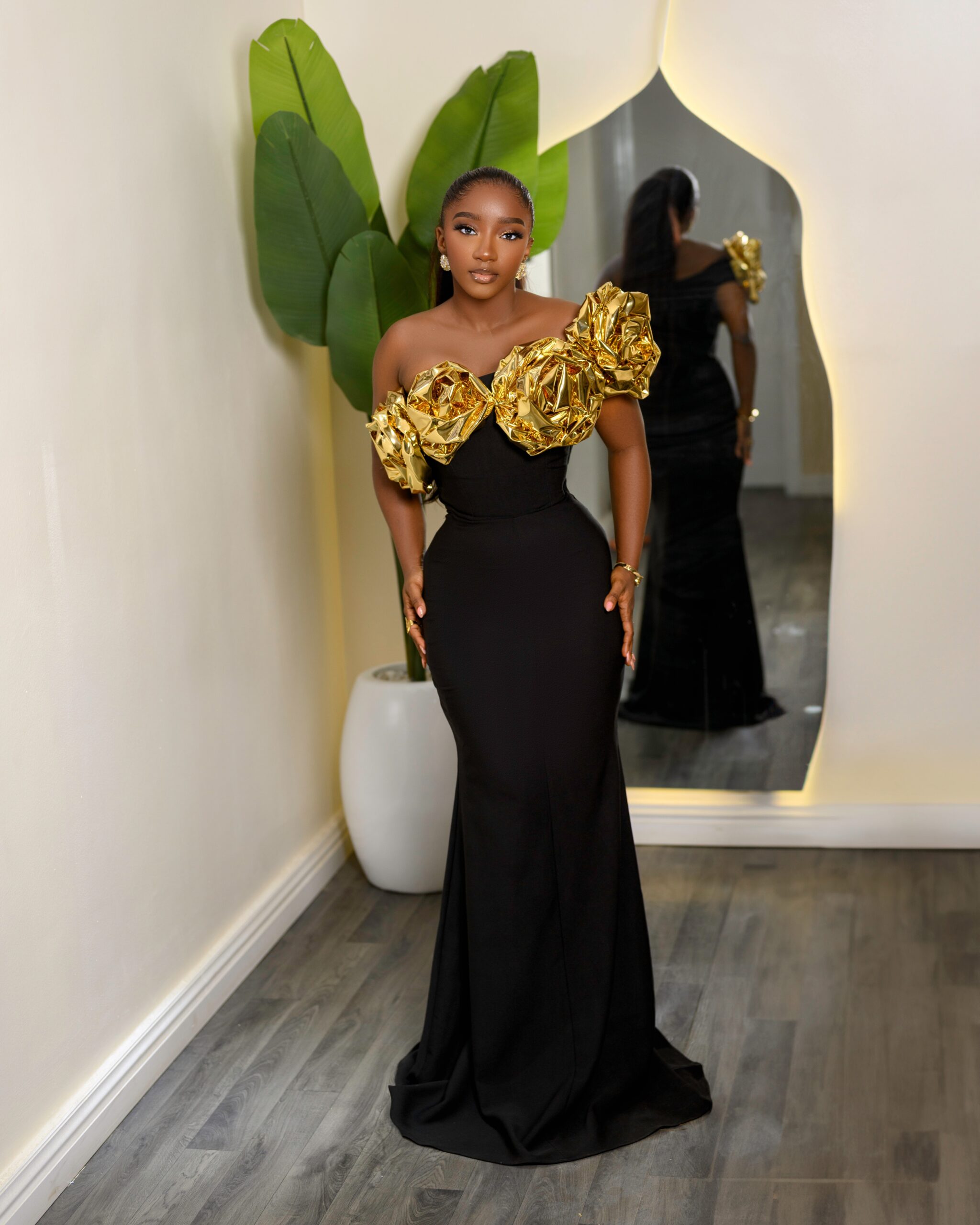
That gives the story of the independent interview chair a different weight. Ownership can mean the ability to choose a format, pursue a guest and carry work across professional settings. Financial independence can mean having room to say no. Neither removes the uncertainties of a media career, but together they help explain why a broadcaster might want more than visibility on somebody else’s platform.
One voice, several kinds of room
By her April 2025 BellaNaija interview, Abdul described a working life that stretched from early-morning television to more intimate storytelling. She was anchoring TVC Breakfast and developing The Album, her interview format exploring the people behind public identities. She named Veekee James and Rotimi Amaechi among its guests. Her mornings could begin at 4 a.m., ahead of a 7–9 a.m. broadcast.
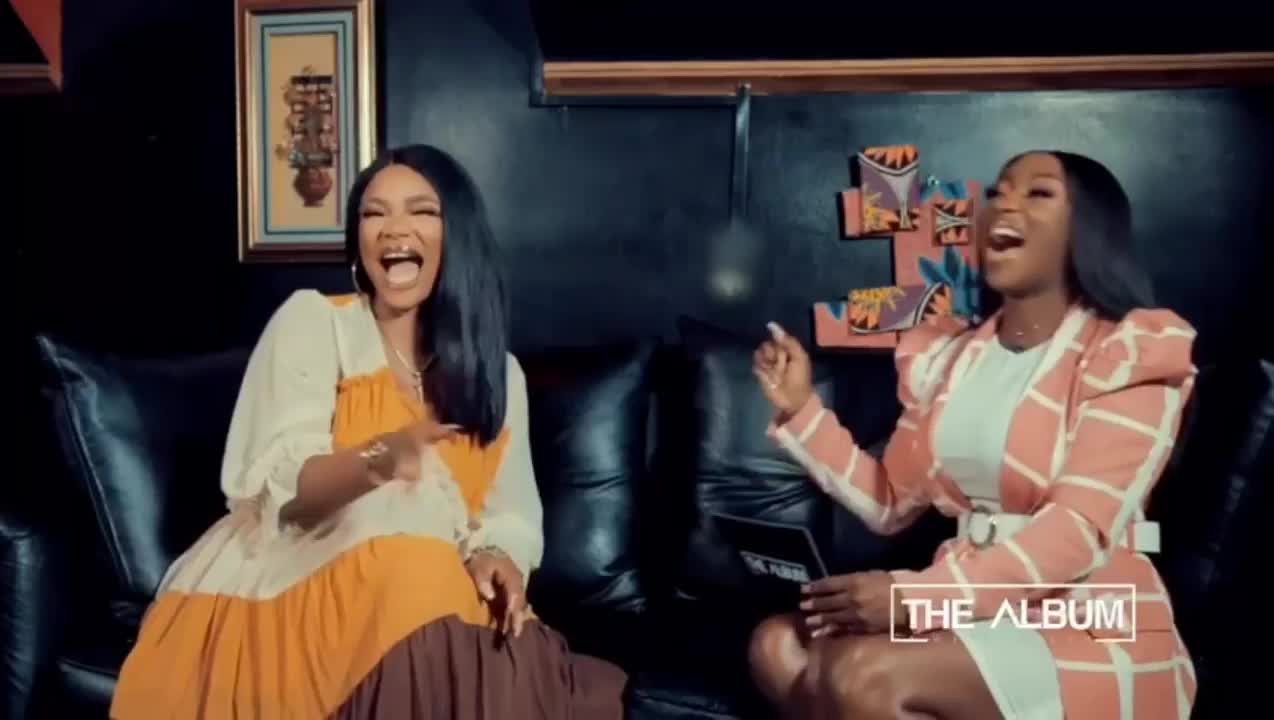
Other bookings show the range of audiences she was being asked to address. BusinessDay announced Rakiya Abdul Karim as moderator of its September 2024 SME Clinic on digital business tools. In May 2025, The Guardian listed her alongside Uti Nwachukwu and VJ Adams among the red-carpet hosts for the eleventh Africa Magic Viewers’ Choice Awards.
A newsroom, a business discussion and a celebrity arrival line ask different things of a presenter. One requires clarity under time pressure; another needs questions that make specialist ideas useful; another depends on drawing a person out quickly. The through-line is not simply being visible. It is being able to carry a conversation suited to the room.
What happens after the introduction
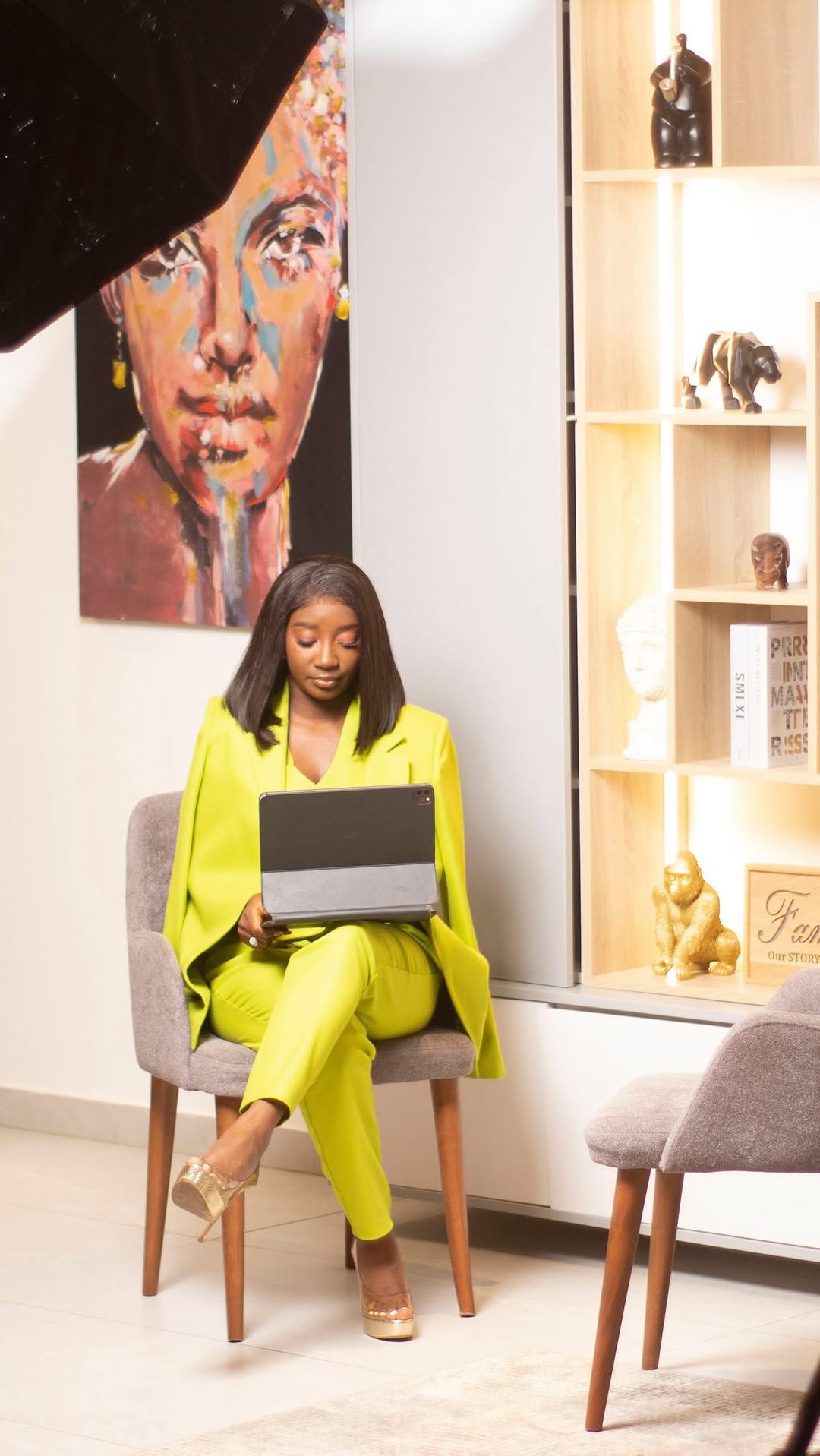
The title The Album is useful to think with: an album invites attention to a life beyond its most recognisable image. In her 2025 BellaNaija conversation, Abdul described seeking the human stories behind public identities. Her references to guests should be read in that context, not turned into claims that every interview was an exposé or that every appearance produced a revelation.
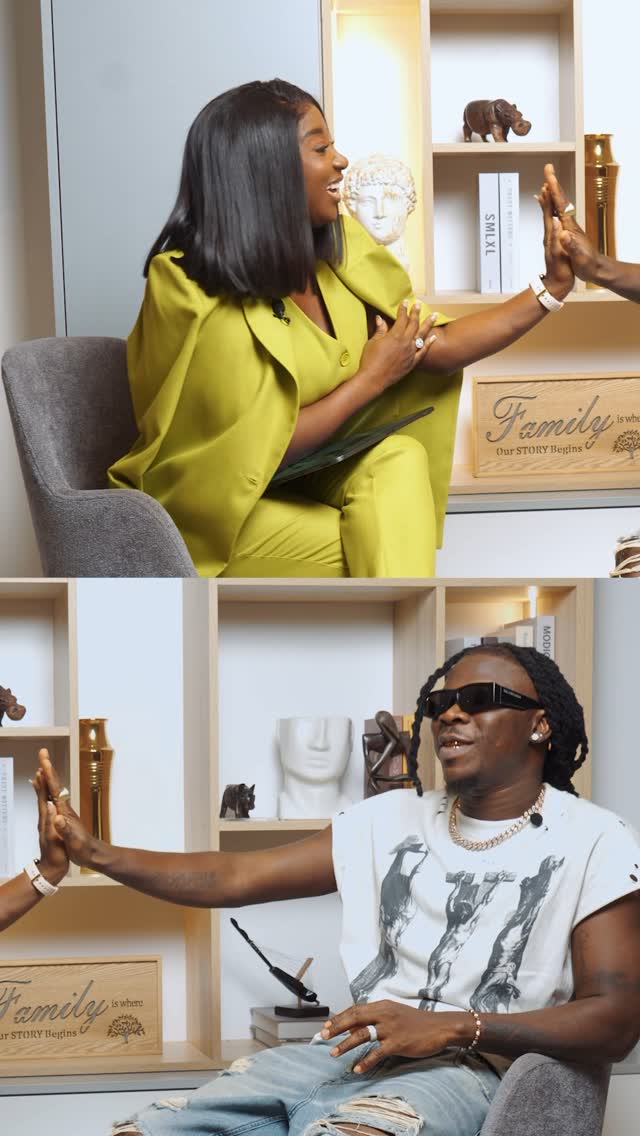
Amaechi appears both in her 2021 account of independent work and in that later discussion. The overlap establishes a recurring name in her public description of her interviewing career. It does not establish that the two references concern the same recording, or that an interview was repeated. A responsible chronology leaves that question open until the original episodes can settle it.
In a February 2026 Her Network interview, she described a skill that rarely appears in the glamour photographs: moving between languages. She spoke about using Hausa during an Abuja interview and French on international platforms, alongside her command of English and Twi and some Yoruba. Language, in that account, was a route into trust, not simply another item on a professional biography.
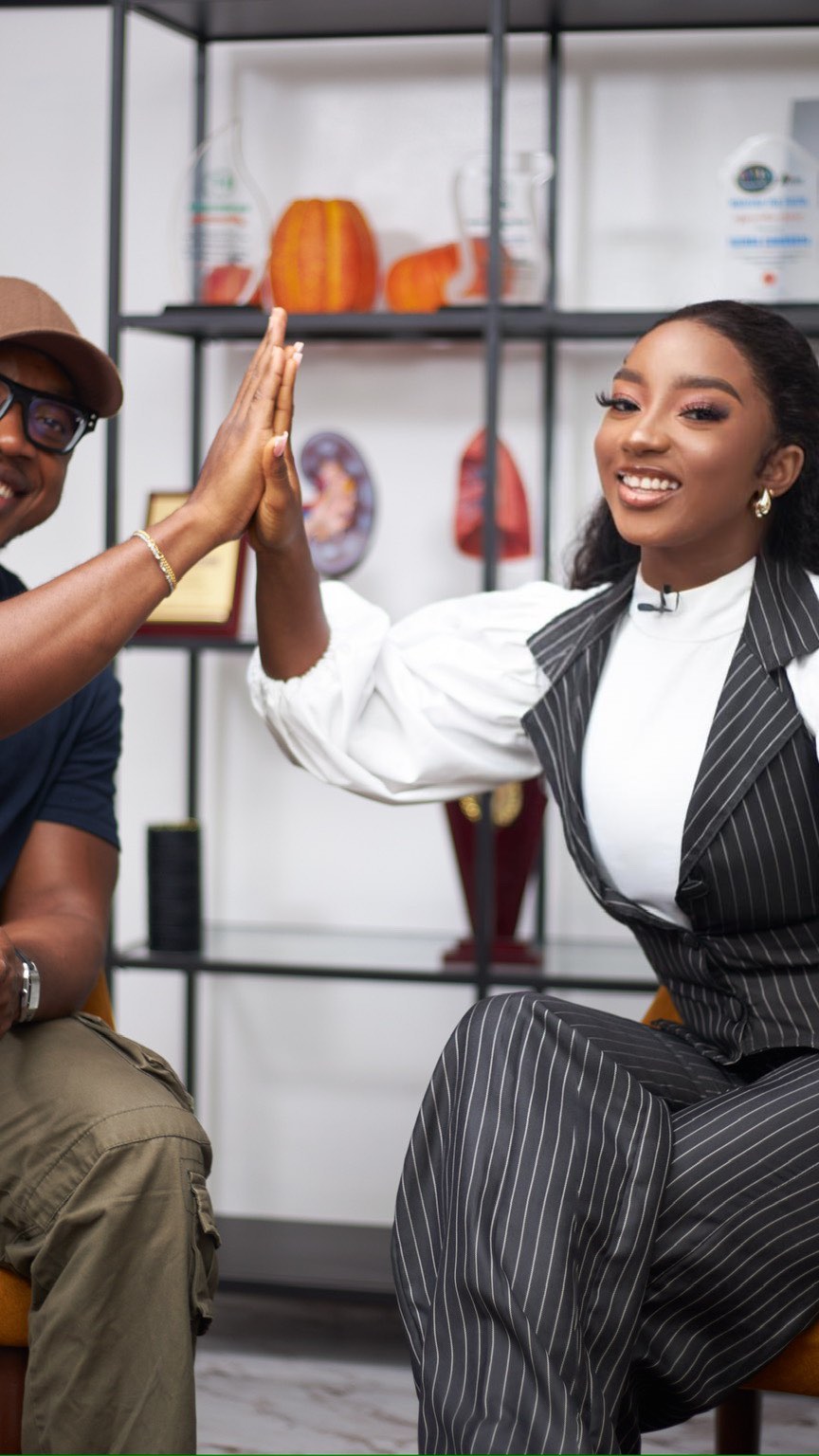
A shared language can change the temperature of an exchange. It may let someone explain an experience more naturally or feel less distant from the person asking the questions. That does not guarantee a truthful answer. It gives the interviewer another way to listen, and another responsibility to represent what was said accurately.
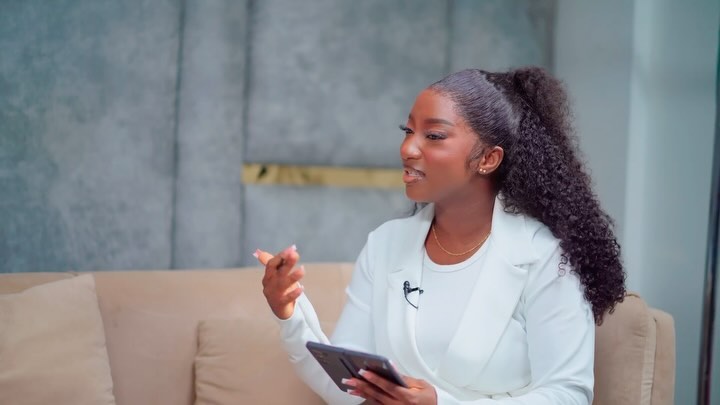
Her Network also asked Abdul about excellence amid difficult conditions. Her answer emphasised preparation, integrity and maintaining standards despite constraints. She identified lessons from Stephanie Busari, Momodu and Paulo Okoye, connecting journalism, purposeful influence and the work of sustaining a public professional identity.
Seen together, those observations complicate the shorthand description of a television personality. The visible moment is the broadcast or the photograph. The less visible work is preparation: understanding a subject, recognising what has not been answered and distinguishing a sympathetic conversation from an unquestioning one. The independent producer, the morning anchor and the personal interviewer occupy different settings, but each depends on that discipline.
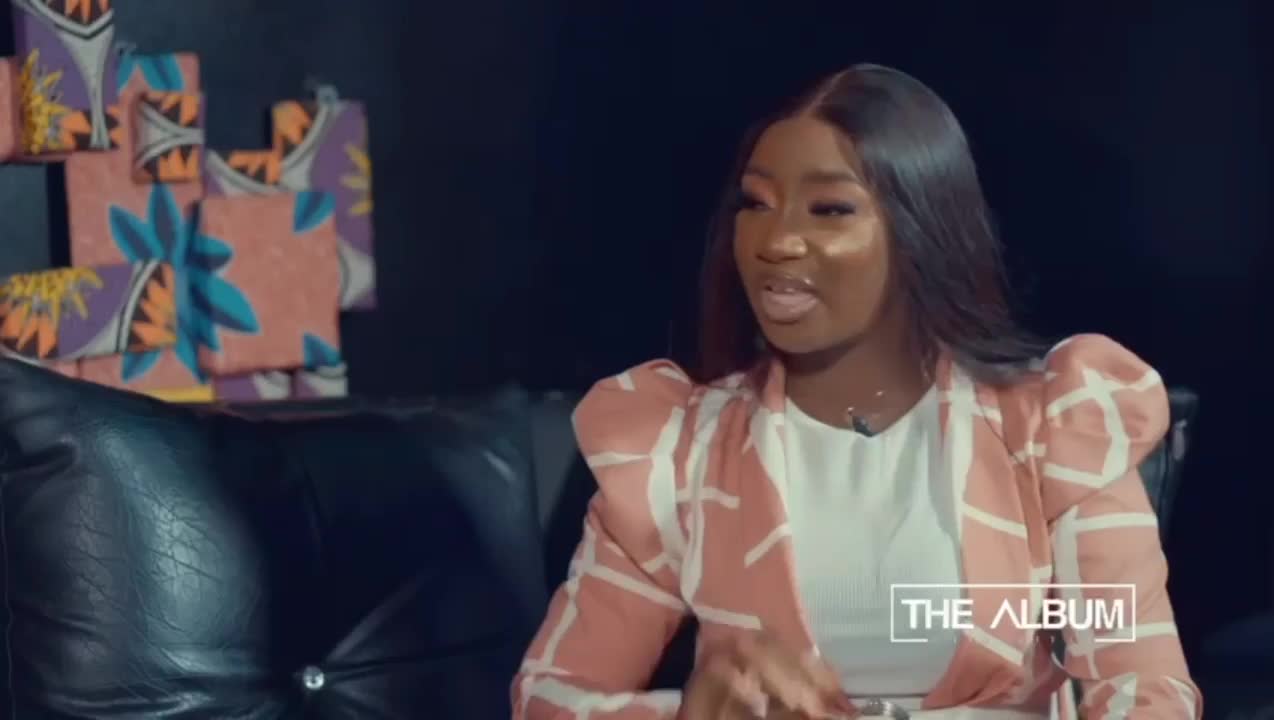
Building beyond the next broadcast
In the same BellaNaija interview, Abdul spoke about ambitions for a Riyah Abdul Network and a future creative hub in Ghana, The Riyah Abdul Place, where young people could train, work and develop their ideas. These were plans she described, not completed projects. Her proposed future connected the place she came from with the experience she was gathering elsewhere.
By February 2026, her Her Network interview also referred to an academy. These descriptions show an ambition to develop training and media infrastructure. They should not be flattened into an announcement that a campus, network or academy is already operating.
The aspiration nevertheless brings the Ghana and Nigeria chapters into the same frame. Returning experience to Ghana need not mean undoing the move to Lagos. It can mean using a cross-border career to imagine opportunities that the younger presenter once had to make for herself.
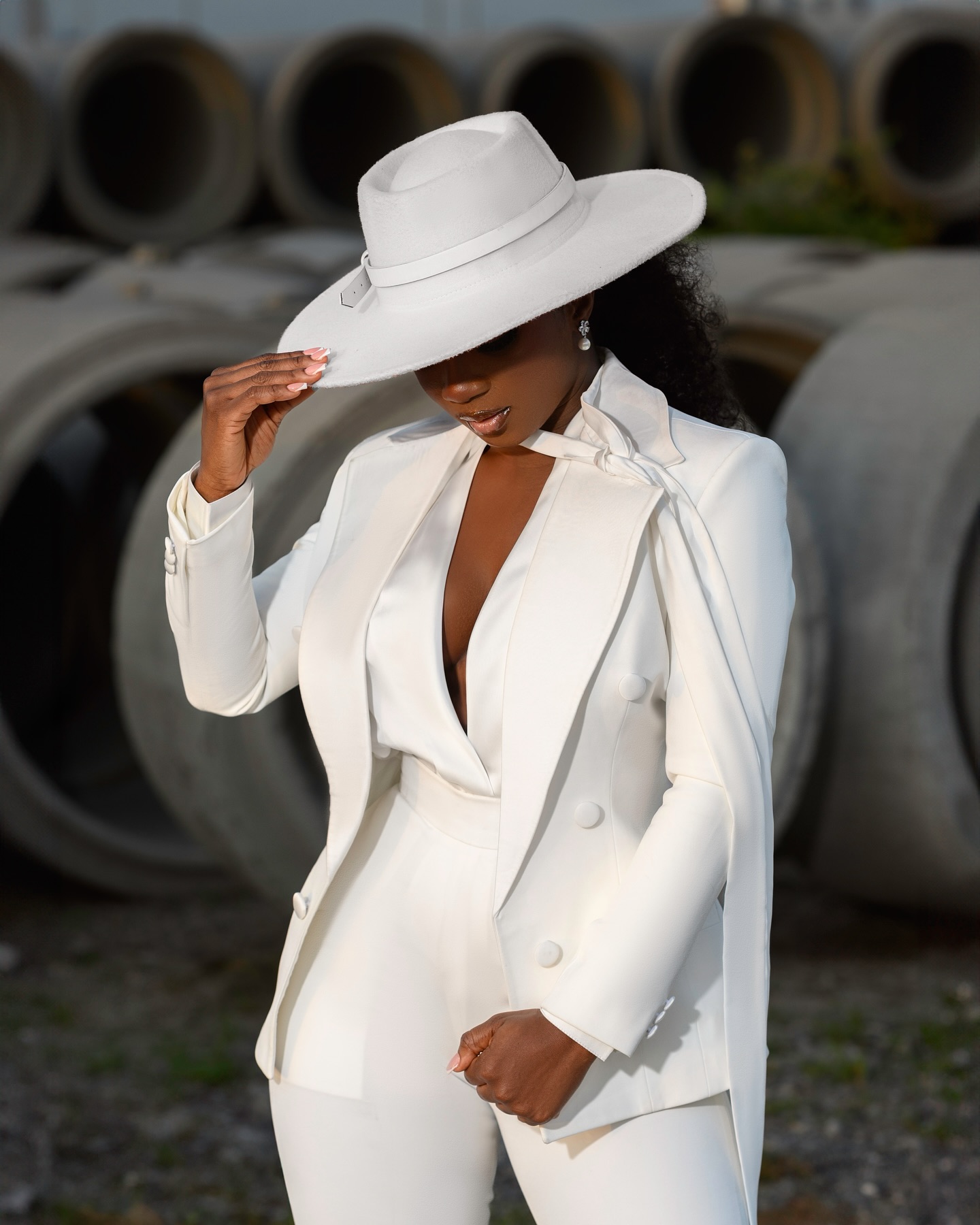
Seen against that ambition, the Small Madam story is more than an appealing origin anecdote. It raises a practical question: what might change if the student who once made her own stage could help other young creatives find theirs?
The journalism prize recognises a present achievement. The longer story is about making work, learning a profession, crossing a border and continuing to ask what else a voice can become.
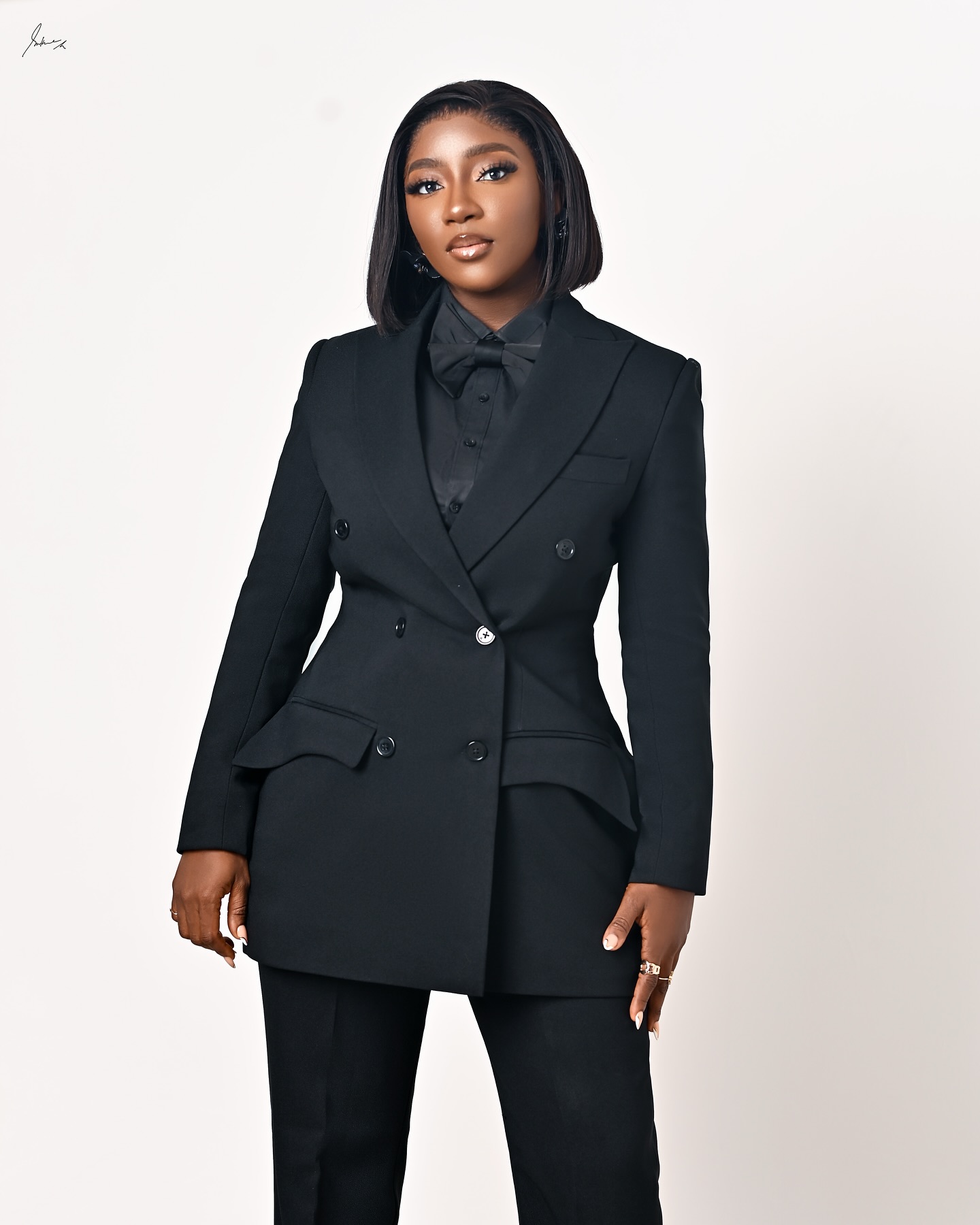
Reporting note: This profile draws on Abdul’s published first-person account, interviews and contemporary reporting. AfriDiaspo has not assigned an unverified date to the first Small Madam episode or to her relocation.
Editorial verification notes
This expanded review retains all eight photographs from the earlier draft. They are documentary source images, not generated reconstructions. The Metro image documents the Ghana broadcasting years; the TEBA image is labelled for that event and must not be presented as a photograph from the 2026 Future Awards ceremony. Image availability does not itself establish republication rights.
The political-interview chapter rests on Abdul’s first-person December 2021 account. Exact recording dates, complete original videos and verbatim exchanges remain unverified. No separate 2022 interview has been established here. The first Small Madam episode date and a precise relocation date remain open. Planned institutions are described as plans. This is an editorial draft, not a claim of fresh interviews conducted by AfriDiaspo.
Before TVC, There Was Small Madam: Riyah Abdul’s Journey from Ghana to Nigeria