China Opens 1.4 Billion Market to Kenyan Exports in Landmark Tariff-Free Deal
— Anita okhipo
China will open its 1.4 billion-person market to Kenyan agricultural exports with 100% tariff-free access starting May 1, 2026. The deal removes duties of up to 25%, boosting competitiveness for products like avocados, tea, and coffee while encouraging local processing. It creates a major growth op…
By Afridiaspo Editorial Team March 22, 2026
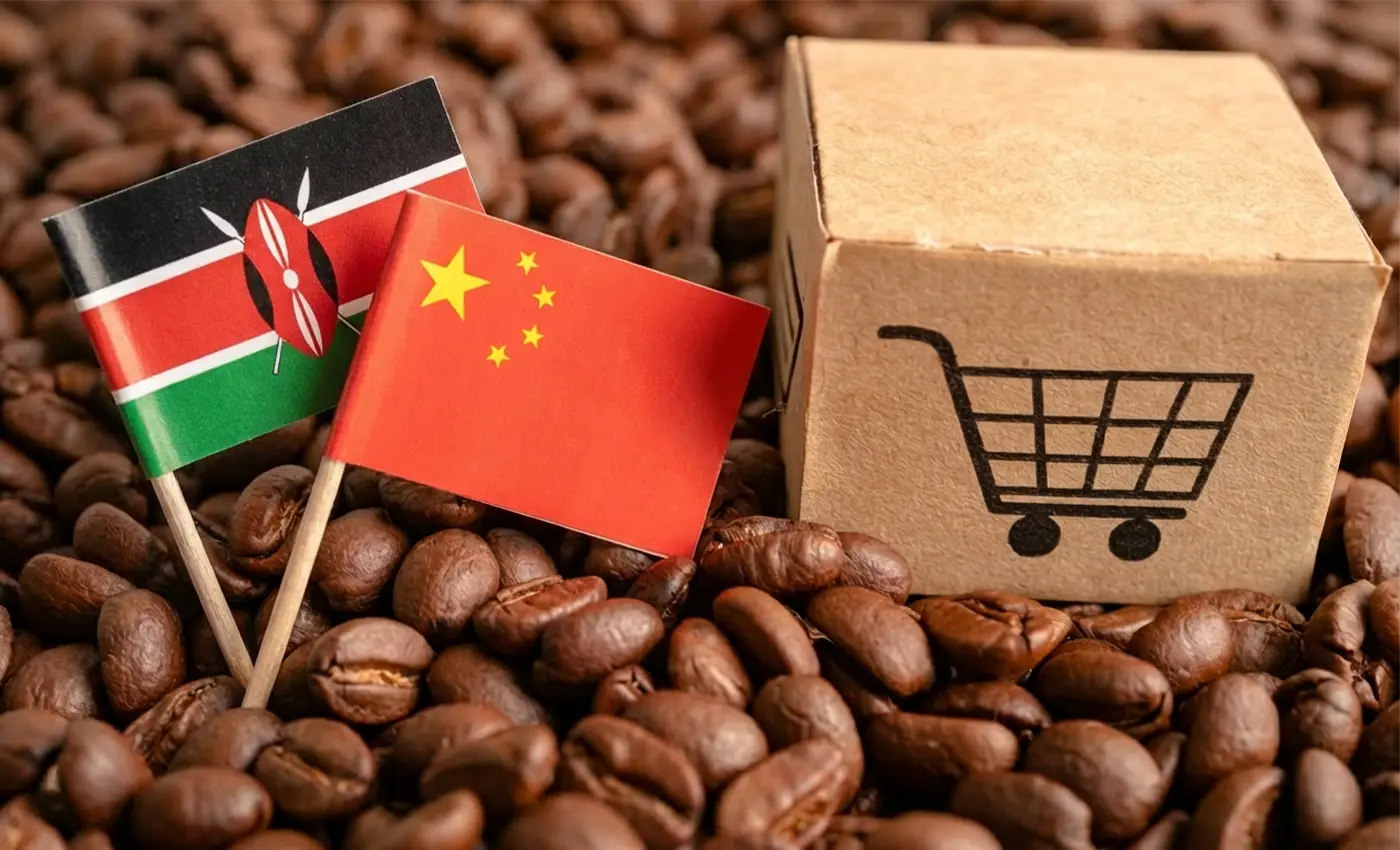
For decades, the trade relationship between Nairobi and Beijing has been a one-way street of heavy machinery, electronics, and infrastructure loans. But as of May 1, 2026, the tide is officially turning. In a landmark implementation of trade deals struck during President William Ruto’s 2025 state visit, China has opened its 1.4 billion-person market to Kenyan agricultural exports. completely tariff-free.
This isn't just a policy tweak; it is an economic earthquake. Previously, Kenyan farmers faced stiff duties up to 25% on fresh produce and 15% on coffee and tea making it nearly impossible to compete with Southeast Asian neighbors.
The Breakdown: What’s on the Menu?
According to Agriculture Cabinet Secretary Mutahi Kagwe, the zero-tariff regime covers over 98% of Kenyan export lines. The "Big Three" set to dominate Chinese shelves include:
Avocados: After the success of frozen exports in 2023, fresh Kenyan avocados renowned for their high oil content—are expected to see a 300% surge in volume.
Specialty Tea & Coffee: With China’s younger generation pivoting toward coffee culture and premium African purple teas, Kenyan exporters are targeting a $50 million revenue mark by 2027.
Macadamia Nuts: Previously hindered by a 10-15% tax, Kenyan macadamias are now the most price-competitive nuts in the Asian market.
The "Quality" Catch
While the door is open, the threshold is high. Beijing is famous for its strict phytosanitary (SPS) standards. The Kenya Plant Health Inspectorate Service (KEPHIS) has been put on high alert to ensure every crate of roses and every bag of beans meets rigorous international safety protocols.
"Access is the opportunity; quality is the guarantee," says Dr. Mulaku Lemi Nyongeza, an economist at the University of Nairobi. "If we send one bad batch, we risk closing the door for everyone. This is a call for our farmers to professionalize."
Beyond Raw Beans: The Push for Value Addition
The real victory for Afridiaspo isn't just in shipping raw materials. The Kenyan government is now aggressively courting Chinese investors to build agro-processing plants within Kenya’s Special Economic Zones.
The goal? To stop exporting raw coffee beans and start exporting branded, roasted Kenyan coffee.
A New Chapter in South-South Cooperation
As Western markets under frameworks like AGOA become increasingly unpredictable, Kenya’s pivot toward the East offers a strategic buffer. By removing the "governance-based benchmarks" often found in Western trade deals, China is offering a stable, predictable environment for African agribusiness.
As the first containers prepare to sail for Shanghai this May, the message is clear: The Kenyan shamba is no longer just feeding the nation—it’s feeding the world.
China Opens 1.4 Billion Market to Kenyan Exports in Landmark Tariff-Free Deal