DRC Launches First Gold Refinery to Boost Local Supply and Strengthen Africa’s Mineral Value Chain
— Anita okhipo
The Democratic Republic of Congo has opened its first gold refinery, marking a shift from exporting raw minerals to processing them locally. The project aims to increase government revenue, create jobs, and reduce gold smuggling through a more controlled system. It signals a broader move across Afr…
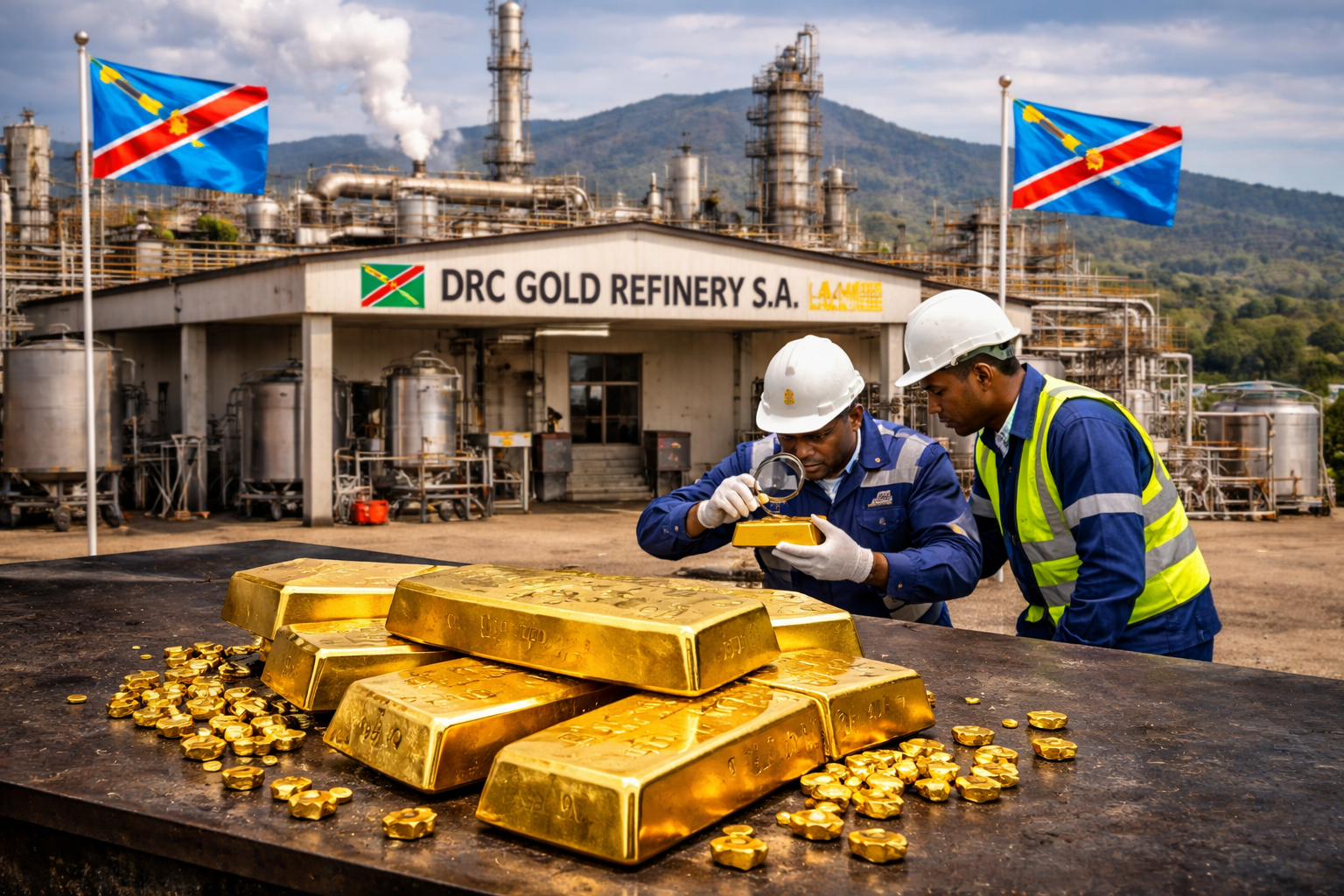
DRC Opens First Gold Refinery to Boost Local Supply and Reshape Africa’s Mineral Industry
The Democratic Republic of Congo has taken a bold step toward economic transformation with the launch of its first pilot gold refinery in Kalemie, located in Tanganyika province. For a country long known for exporting raw minerals while others capture the value, this move represents a clear shift in direction. It is not just about gold. It is about control, ownership, and rewriting the economic story of one of Africa’s most resource-rich nations.
For decades, the DRC has been at the center of global mineral supply chains, producing gold, cobalt, and other critical resources. Yet, despite this wealth, much of the processing and profit has taken place outside its borders. Raw materials leave the country at lower value, only to return as refined products at a premium. This cycle has limited local economic growth and reinforced dependence on foreign systems.
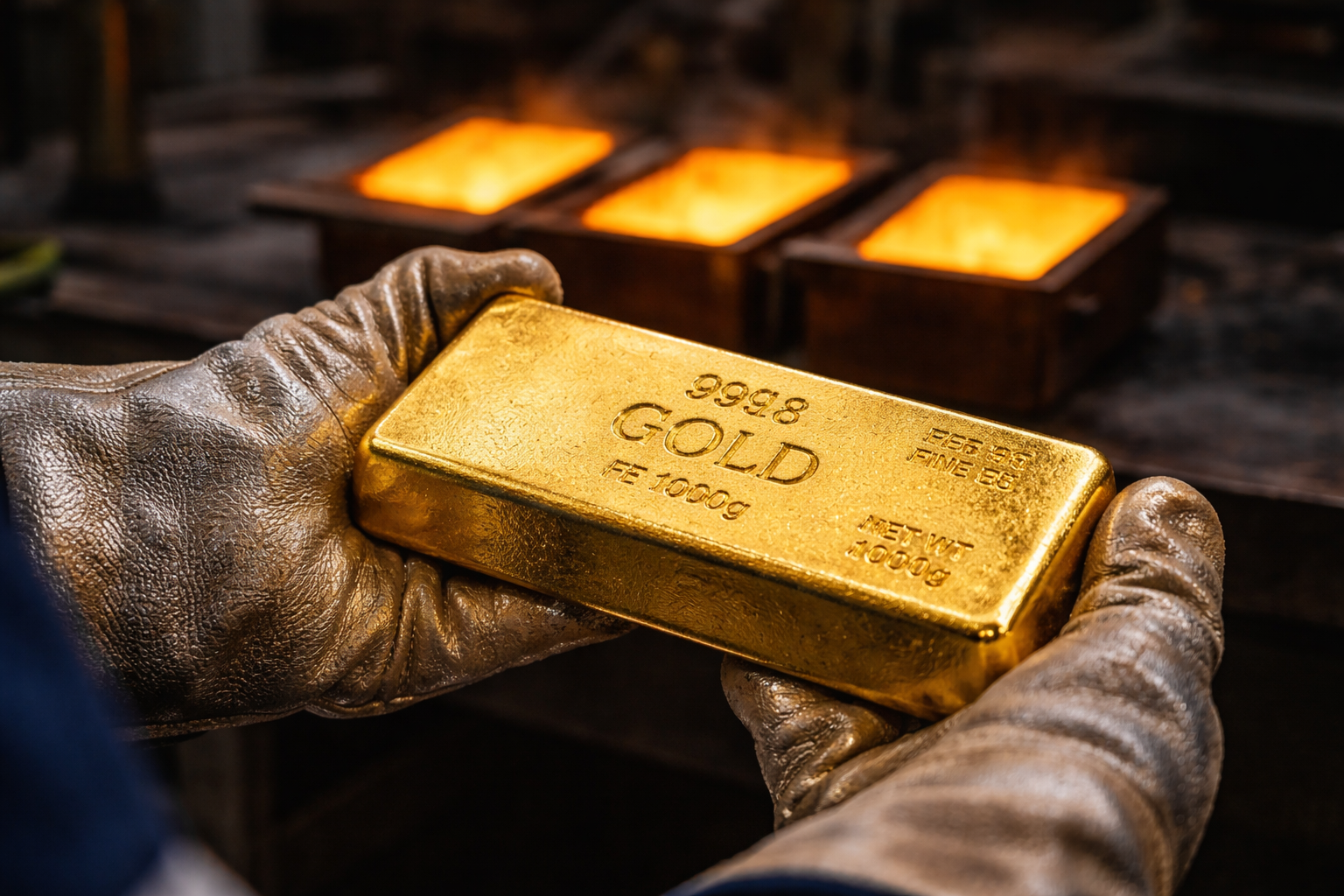
With the introduction of the DRC Gold Refinery S.A., the country is now working to break that cycle. The project is a strategic partnership between the state-owned DRC Gold Trading company and Lunga Mining, combining government authority with private sector expertise. This collaboration reflects a growing shift across Africa, where nations are building internal capacity while still leveraging external partnerships.
At its core, the refinery is designed to process gold within the country, reducing reliance on foreign refining hubs. Instead of exporting raw gold to be processed in Europe or the Middle East, the DRC can now retain a larger share of the value chain. This translates into stronger revenue streams, job creation, and greater national control over its resources.
Although the refinery currently operates on a pilot scale, with a capacity of about 500 to 600 kilograms per month, its significance goes beyond volume. It represents a testing ground for a larger, more integrated refining industry that could expand across the country if successful.
Beyond production, the refinery also targets one of the sector’s biggest challenges: gold smuggling. For years, large quantities of gold have moved across borders illegally, bypassing official systems and reducing government revenue. By establishing a formal and traceable refining process within the country, authorities aim to improve transparency, tighten control, and ensure that more value stays within the national economy.
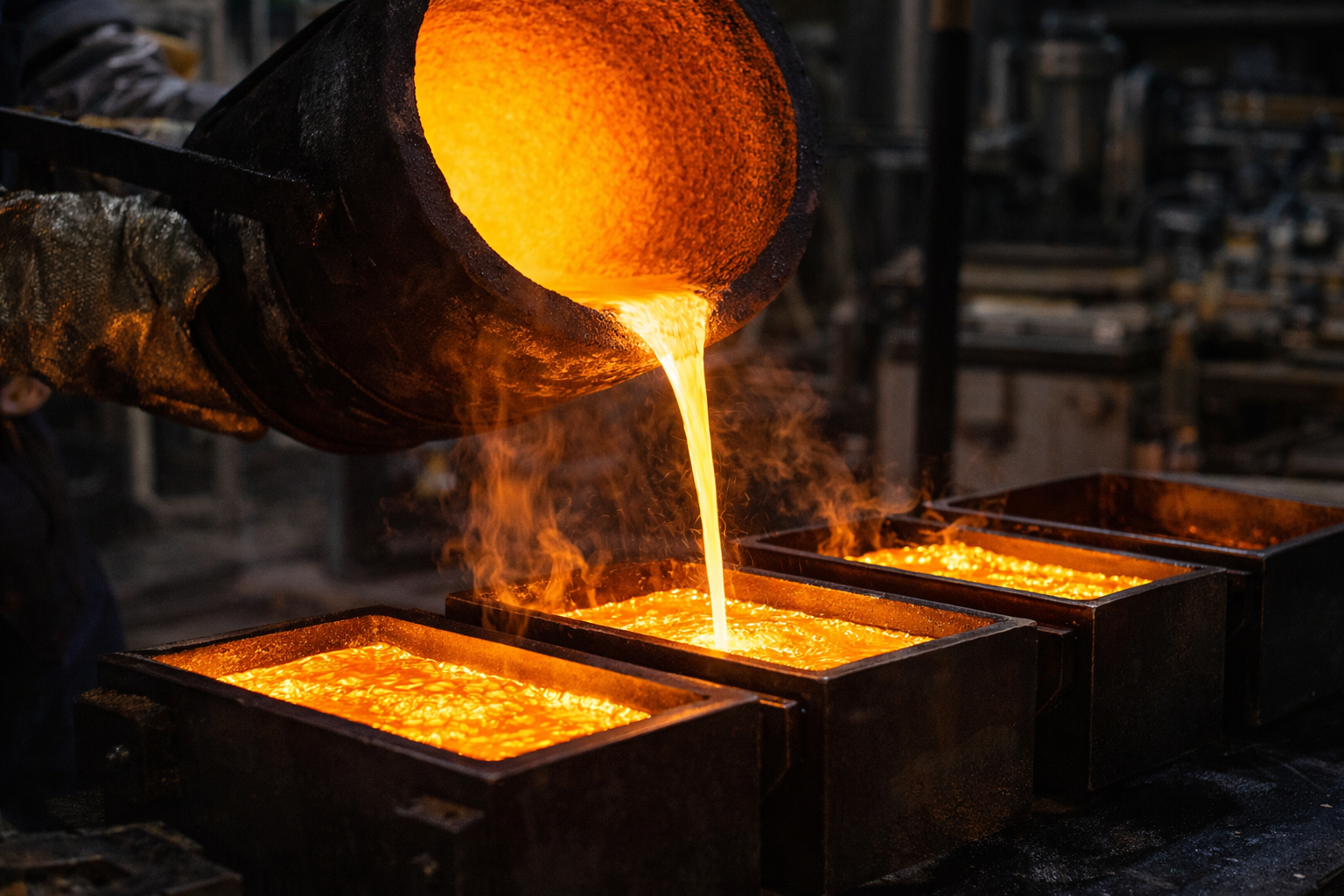
The economic implications are far-reaching. Increased local processing is expected to boost government earnings through taxes and royalties while creating employment opportunities in refining, logistics, and related industries. It also opens the door for downstream sectors such as jewelry production and broader industrial development.
This move aligns with a wider trend across Africa. Countries are beginning to rethink their role in global supply chains, shifting from exporters of raw materials to producers of finished and semi-finished goods. From oil refining in Nigeria to mineral processing across Southern Africa, the continent is gradually building a more self-sustaining industrial base.
For the Democratic Republic of Congo, this refinery is more than infrastructure. It is a statement of intent. A signal that the country is ready to take control of its resources, reshape its supply chains, and build a more sustainable economic future. In a world where resource control defines power, the DRC is making it clear that it no longer wants to sit at the bottom of the value chain.
This refinery may be small in size, but its impact could be far-reaching. It reflects a bigger shift happening across Africa — one where the continent is no longer just producing resources, but building the systems that define their value.
DRC Launches First Gold Refinery to Boost Local Supply and Strengthen Africa’s Mineral Value Chain