East Africa’s Rail Gamble: Turkish Firm Targets Kenya–Uganda Mega Link to Redefine Regional Trade
Kenya is in talks with a Turkish firm to link its railway with Uganda’s mega project. The plan includes electrifying the SGR for seamless cross-border transport. The project could transform East Africa into a major trade and logistics corridor.
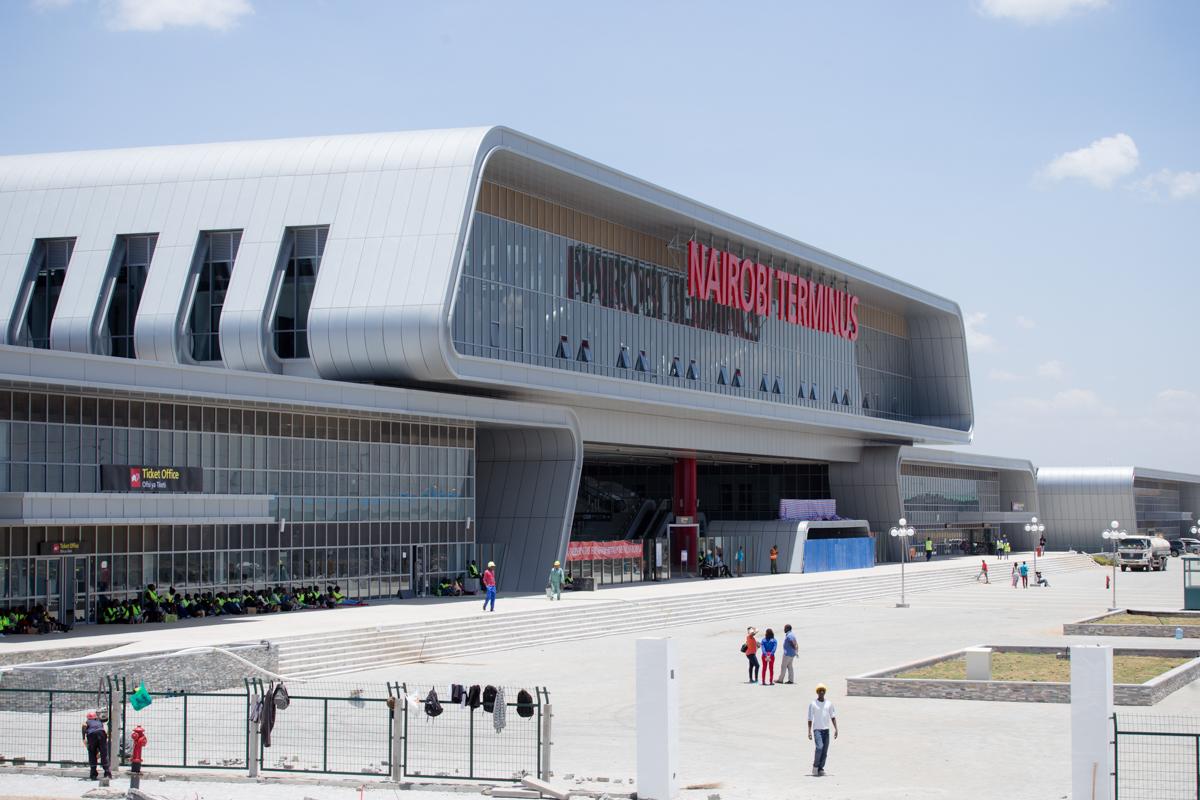
Kenya is entering a new phase of infrastructure transformation as a Turkish engineering firm moves to link its railway system with Uganda, in what could become one of the most important transport corridors in East Africa. The discussions signal a shift in how Africa builds and finances its large-scale infrastructure projects.
At the center of the talks is Turkish company Yapi Merkezi, which is already constructing a €2.7 billion electric railway in Uganda designed to connect Kampala to the Kenyan border. This positions the firm as a key player in creating a seamless rail link between the two countries.
The Kenyan government is now exploring plans to electrify its existing Standard Gauge Railway (SGR)—a line originally built with Chinese financing—to make it compatible with Uganda’s modern electric rail system. If completed, the integration would allow trains to move across borders without technical barriers.
What is happening here is bigger than a single project. The SGR network was always designed as part of a regional master plan connecting Kenya to Uganda, Rwanda, South Sudan, and beyond. This latest move is bringing that long-term vision closer to reality.
The timing reflects a major shift in Africa’s infrastructure strategy. After years of heavy reliance on Chinese loans, countries like Kenya are now diversifying partnerships—bringing in Turkish firms and exploring new financing models to complete stalled or delayed projects.
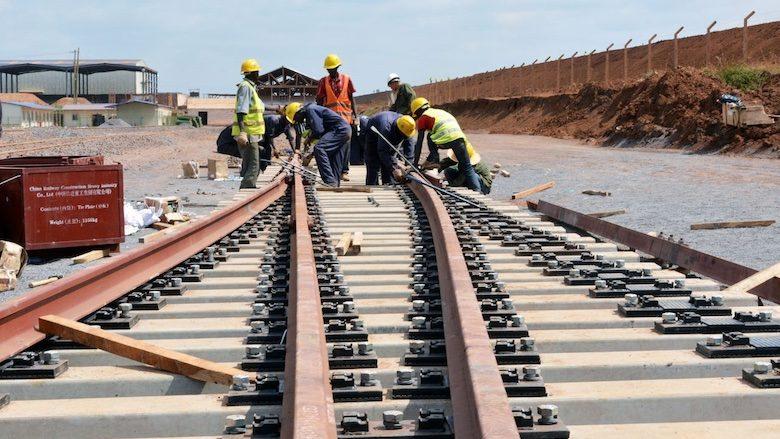
For landlocked Uganda, the railway is critical. It provides a direct link to Kenya’s port of Mombasa, reducing transport costs and improving access to global markets. This could significantly boost exports, particularly for minerals and agricultural products.
From Kenya’s perspective, upgrading and extending the railway strengthens its role as a regional logistics hub, positioning it at the center of East Africa’s trade network. Faster, electrified trains would reduce freight costs, improve efficiency, and attract more investment into the corridor.
However, challenges remain. Financing large-scale rail projects continues to be complex, with previous delays linked to funding gaps and shifting international partnerships. There are also concerns about long-term sustainability, debt management, and ensuring that the projects deliver real economic value.
Still, the direction is clear. East Africa is moving toward a future where infrastructure is not just national—but regional and interconnected. Railways like this are no longer just transport systems—they are economic lifelines linking markets, resources, and people.
If successful, the Kenya–Uganda rail integration could become a model for other regions across Africa, proving that cross-border infrastructure is key to unlocking the continent’s full trade potential.
East Africa’s Rail Gamble: Turkish Firm Targets Kenya–Uganda Mega Link to Redefine Regional Trade