After a Condom Breaks: Emergency Contraception Without the Guesswork
— Afridiaspo Wellness Desk
A guide to emergency contraception after a condom breaks or missed dose. It covers time-sensitive options like pills and copper IUDs, and follow-up.
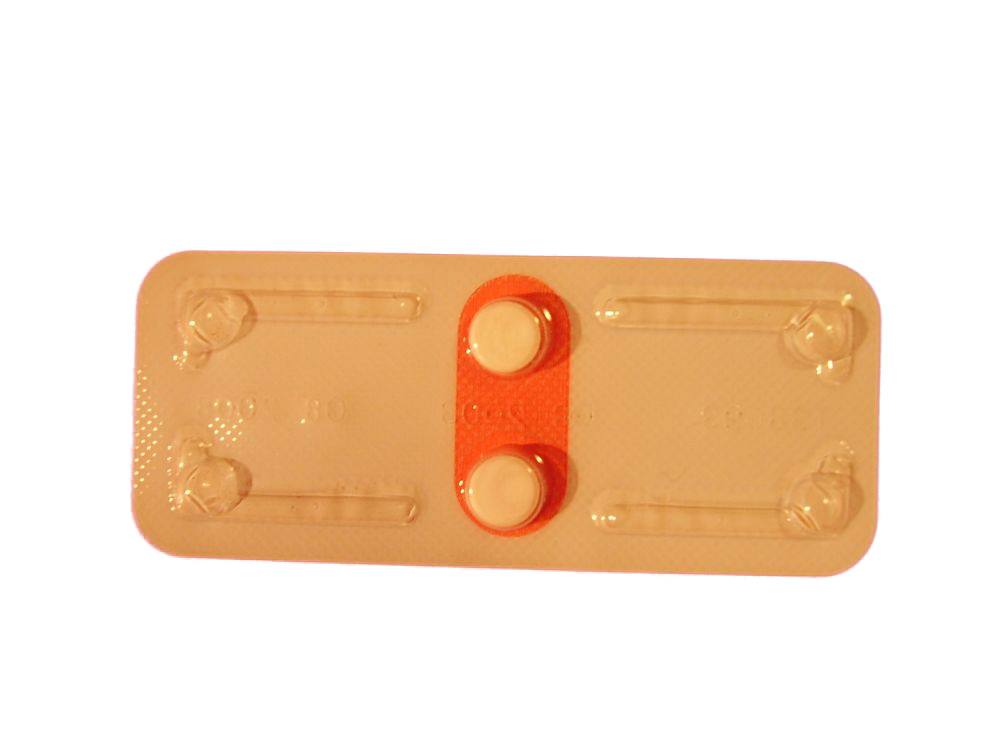
A broken condom or a missed contraceptive dose creates a practical question: what can still be done to prevent pregnancy? The answer depends on the time since sex, the method available and the person’s circumstances. The first useful step is to seek qualified advice promptly, with the details in hand.
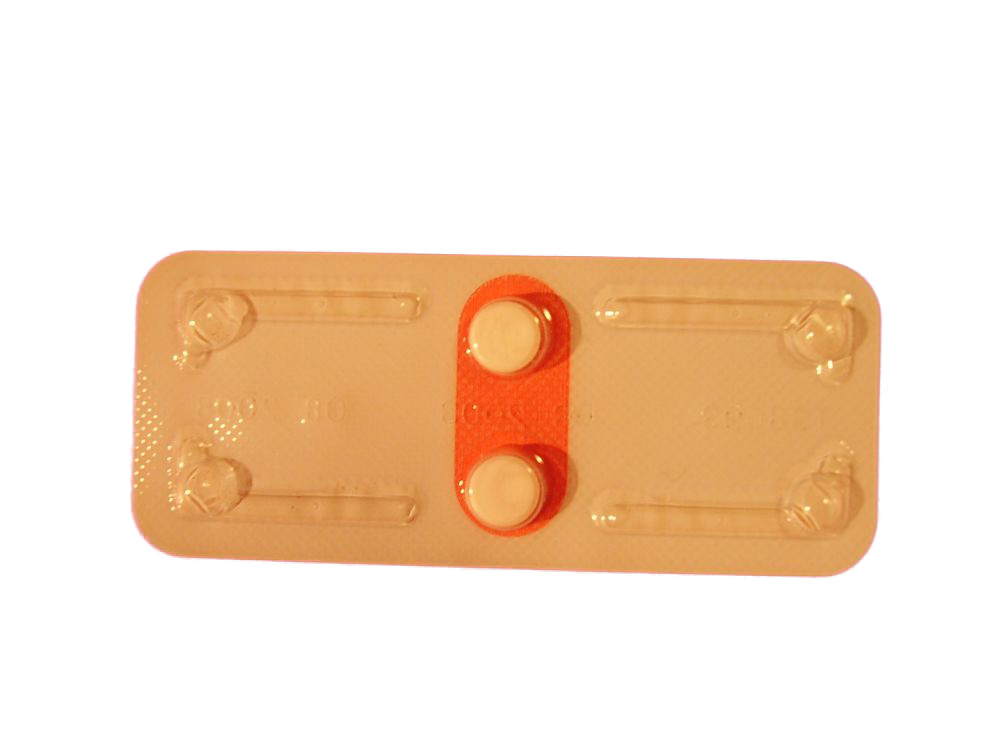
“Morning-after pill” is a familiar name, but it can obscure the decision. You do not need to wait until morning, and emergency contraception is not one interchangeable product. For African and diaspora readers navigating different health systems, knowing the active ingredient matters more than remembering a brand.

Start with the clock, not the brand
The World Health Organization recommends emergency contraceptive methods within five days of sex, with earlier action preferable. They can be relevant after sex without contraception, contraceptive failure or sexual assault. Whether a missed pill or delayed injection creates a need depends on the specific method; bring its name and instructions to the consultation.
Write down when sex happened, including any other recent episodes without effective protection. Tell the pharmacist or clinician what contraception you normally use and any emergency contraception already taken. That is information for choosing care, not a test of character.
If more than five days have passed, still contact a service. CDC guidance allows copper-IUD placement in some circumstances based on estimated ovulation. This requires clinical assessment; an app’s fertile-window prediction is not a substitute for that assessment.
Three options to ask about
| Method | Timing | What to clarify |
|---|---|---|
| Levonorgestrel pill | Take promptly. UK NHS instructions specify within 72 hours. | The active ingredient, product instructions and whether another option is preferable as time passes. |
| Ulipristal acetate pill | Within 120 hours—five days—with earlier use preferable. | Prescription requirements, interactions and when to restart hormonal contraception. |
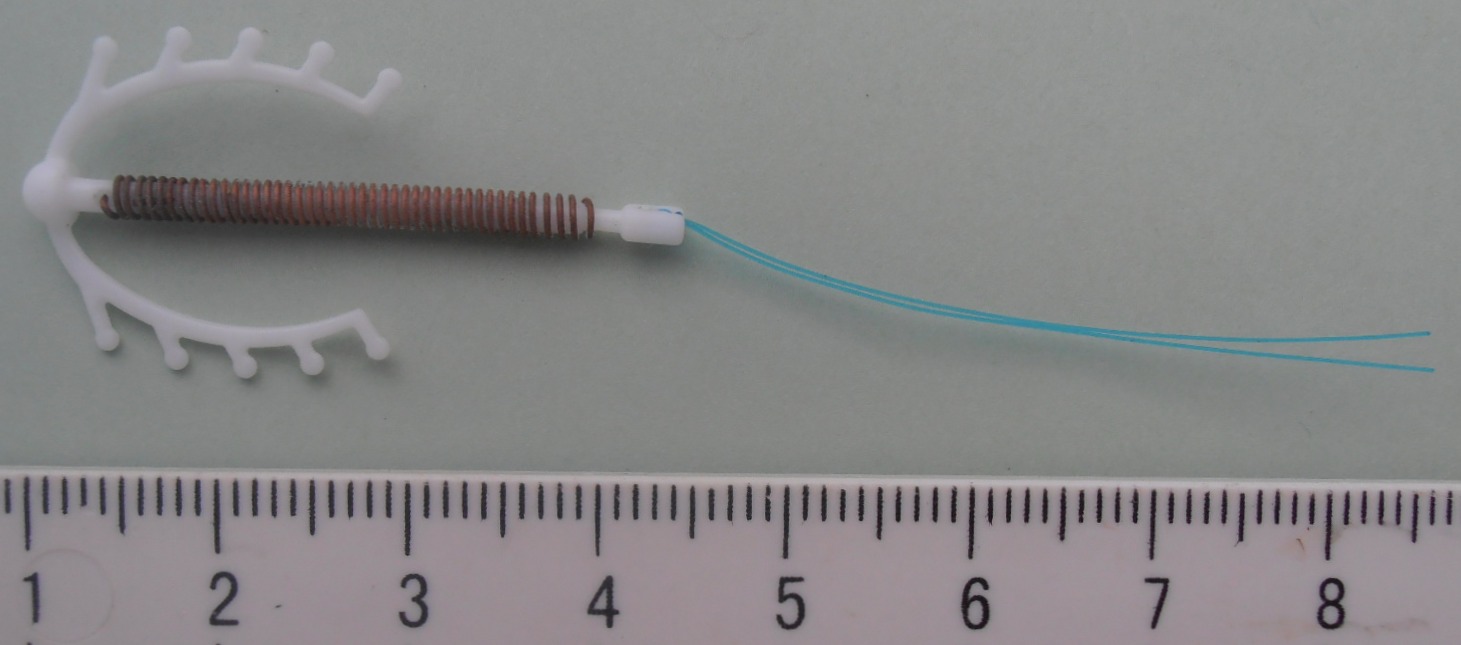
| Copper intrauterine device (IUD) | Usually fitted within five days; some clinically assessed timing exceptions apply. | Eligibility, urgent appointment availability and the option of continuing it for contraception. |
Sources: NHS pill instructions and CDC practice recommendations. The NHS identifies the copper IUD as the most effective emergency method.
There is a genuine distinction in published advice: WHO and CDC describe emergency pills being used within five days, while NHS patient instructions give levonorgestrel a three-day window. CDC notes declining levonorgestrel effectiveness later in that period and an advantage for ulipristal on days three to five. If 72 hours have passed, ask urgently about ulipristal or a copper IUD rather than deciding that all options have closed.

It prevents pregnancy; it does not end an established one
WHO explains that emergency pills prevent or delay ovulation. Copper-bearing IUDs prevent fertilization. Emergency contraception does not interrupt an established pregnancy and is different from medication used for abortion. WHO also states that emergency contraceptive drugs do not damage future fertility.
Those distinctions should shape public discussion. People asking for time-sensitive reproductive care deserve an accurate explanation and a route to help. Neither a reassuring slogan nor a frightening claim about fertility answers the question of which method is appropriate now.
What the pharmacist or clinician needs to know
- Timing: when sex happened and whether there were other recent episodes.
- Current contraception: its exact name, missed doses and anything already taken.
- Medicines and supplements: bring a list or photographs of the packaging.
- Relevant health information: mention possible pregnancy, breastfeeding and medical conditions.
- Practical needs: ask about cost, stock, privacy and an urgent fitting appointment if discussing an IUD.
MedlinePlus’s ulipristal guidance highlights medicine interactions, including St John’s wort, and the need to discuss breastfeeding. If you vomit shortly after taking a pill, contact a pharmacist promptly: the product and elapsed time determine whether another dose is needed. For ulipristal, MedlinePlus advises contacting a doctor if vomiting occurs within three hours.
Body weight can also affect pill effectiveness. The U.S. Office on Women’s Health recommends discussing options where obesity may reduce effectiveness. This is a reason for individualized advice, not a reason to abandon seeking care.
The next contraceptive dose needs a plan
After levonorgestrel, CDC says regular contraception can generally start or resume immediately, with condoms or avoidance of sex for seven days. After ulipristal, its general advice is to wait at least five days before restarting hormonal contraception, then use barriers or avoid sex for seven days after restarting, or until the next period, whichever comes first. Clinicians may handle some methods differently.
Ask for your instructions in writing. Do not assume one emergency pill protects every later episode of sex, or combine emergency products on your own. Record the product taken, the date and the agreed restart plan so a second provider can understand what has happened.
Follow-up matters even when the immediate worry eases
Devon Sexual Health, an NHS service, advises a pregnancy test three weeks after unprotected sex following emergency contraception. Put that date in your calendar; if there is another episode, ask how it changes the testing plan. Seek advice for a late period or pregnancy symptoms, and follow up a positive result.
The Office on Women’s Health notes that bleeding patterns can change after an emergency pill. Spotting or an early bleed is not a useful substitute for the agreed pregnancy test. If symptoms worry you, return to the service rather than trying to interpret them through social-media accounts.
Severe abdominal pain, particularly with dizziness or fainting, requires urgent assessment. NHS guidance on ectopic pregnancy stresses emergency help for sudden intense pain with faintness. Do not assume severe pain is an expected pill effect; this article cannot identify its cause.
Pregnancy prevention and infection care are separate
Emergency contraception does not protect against sexually transmitted infections. If HIV exposure may have occurred, seek urgent care: CDC guidance says HIV post-exposure prophylaxis, or PEP, must begin within 72 hours, with earlier treatment better. Its clock is different from the five-day emergency contraception window.
After sexual assault, a qualified emergency or sexual-assault service can assess pregnancy prevention, infection care and injuries. A trusted support person may help if you want one. The immediate priority is access to care and safety.
Across borders, ask what is available today
For U.S. readers, the Office on Women’s Health states that Plan B One-Step and comparable generics are available without a prescription, while ella requires one. Ask about cost and insurance coverage; do not assume the shelf price is your only route.
Readers in Africa should verify access with a licensed pharmacy, hospital family-planning unit or reproductive-health service locally. This article has not checked stocks, prices or prescription rules in each country. A brand familiar from another country may not answer the local question: ask for the active ingredient and a provider who can explain the available options.
A useful call checklist: Is the product in stock? Is a prescription required? Can you advise today? If I am considering a copper IUD, is an urgent fitting possible? What is the total cost? How will my information and results be handled?
For someone balancing work, transport and family responsibilities, these questions make the next step concrete. Emergency contraception is time-sensitive healthcare. The best takeaway is a clear plan: seek care promptly, identify the method, understand what happens afterward and arrange follow-up.
General health education, not individualized medical advice. Guidance and access vary by country. Sources and image rights checked October 3, 2026.
After a Condom Breaks: Emergency Contraception Without the Guesswork