Emi Agboola Needed After-School Care. Then She Bought the Business.
— Afridiaspo Editorial
Emi Agboola shares how she and her husband bought a Pflugerville after-school and martial arts business, financed the deal and approached its daily responsibilities.

Emi Agboola and her husband bought an existing after-school and martial arts business in Pflugerville, Texas. Her account begins with a problem many working parents recognise: school ended before their working day did.
At 3 p.m., the school day could be over while Emi Agboola and her husband were still at work. Leaving the office every afternoon to collect their children was difficult. Friends around them faced similar problems: finding somewhere children could go after school, and finding a programme that could collect them.
After the family moved to Austin in 2019, that practical difficulty brought Agboola back to an idea she had considered four years earlier. She wanted to run a childcare business. This time, she began looking for one to buy.
In her interview with African Diaspora Network, Agboola describes how that search led to an existing after-school programme attached to a martial arts academy—and how buying it brought responsibilities that went well beyond paying the seller.
Watch Emi tell the story
Watch the full ADN interview on YouTube. The account of the purchase, financing and changes below comes from Agboola’s interview; it is not an audit of the business.

An idea postponed, then reconsidered
Agboola first considered opening a daycare and after-school programme around 2015. She says stories she had heard about childcare operators getting into legal trouble made her anxious about the responsibility. She stepped back.
Her later experience as a working parent made the need harder to put aside. The question became how to enter the sector in a way that could fit alongside her existing career.
Agboola also works as an IT project management consultant. In the interview, she describes consulting across healthcare, insurance and hospital settings. She does not describe abandoning that work to take over the academy.
Instead of building a centre from the beginning, she searched business-sale listings. According to her account, the seller she contacted was retiring and wanted someone who could continue looking after the children.
She wanted the after-school care. The purchase included karate.
At first, Agboola wanted only the after-school operation. “I wasn’t interested in the whole karate programme,” she says.
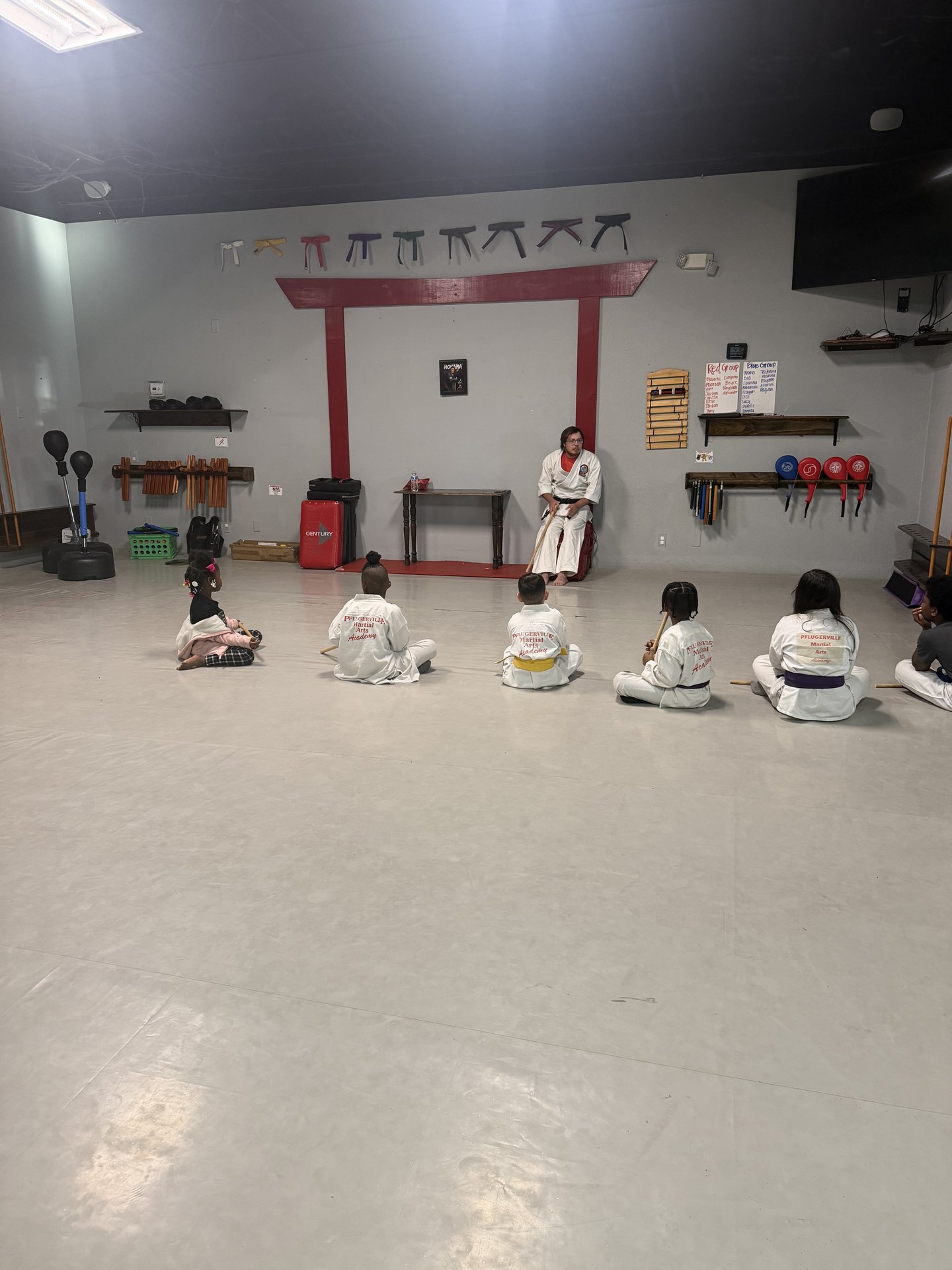
The seller encouraged her and her husband to consider the complete business. They discussed a model in which after-school care and later martial arts classes could provide two sources of income. She says the existing karate instructor would stay to handle the classes.
That distinction matters. She was not proposing to teach a discipline she did not practise. The purchase depended in part on retaining the people who already understood that side of the operation.
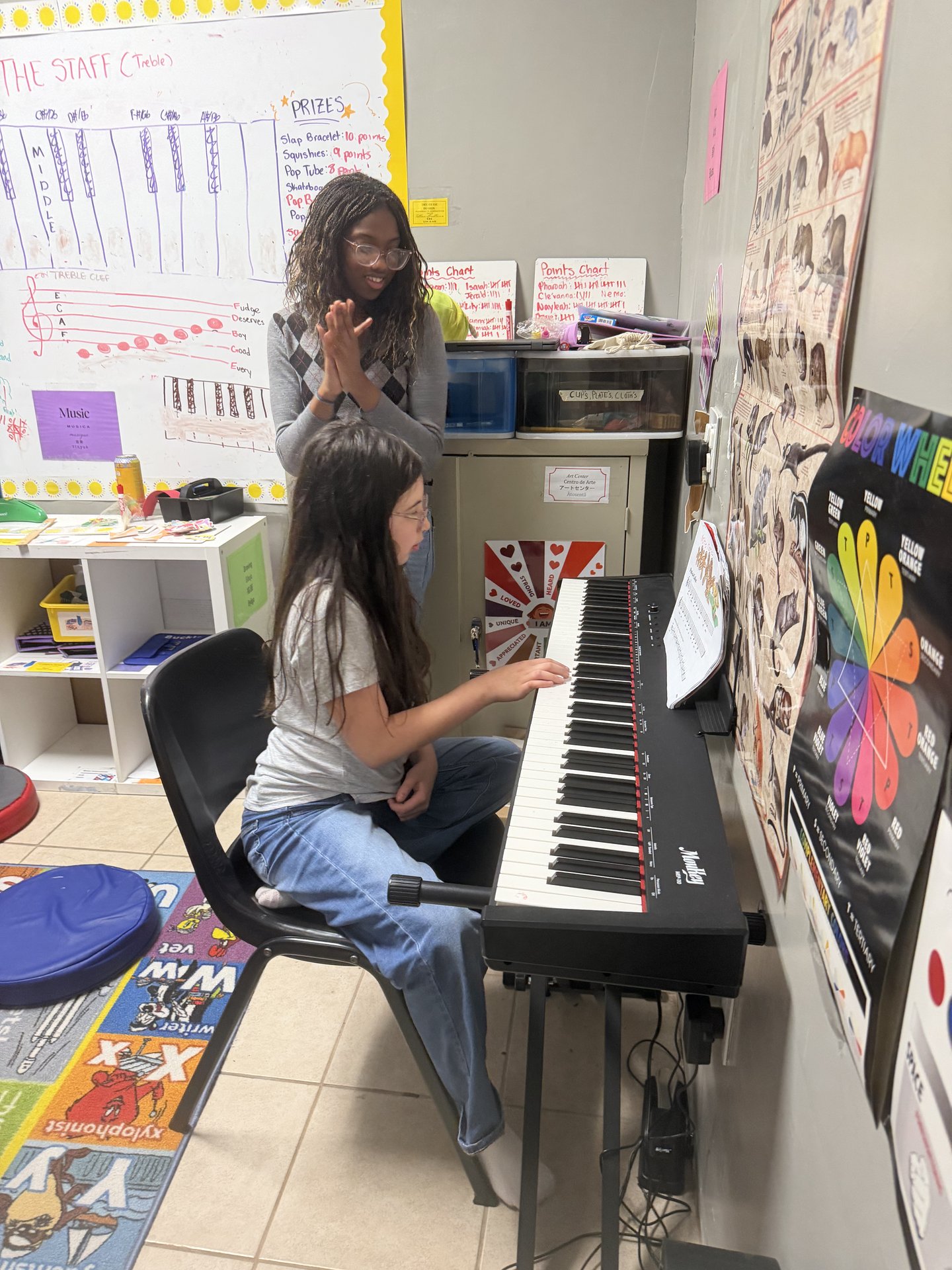
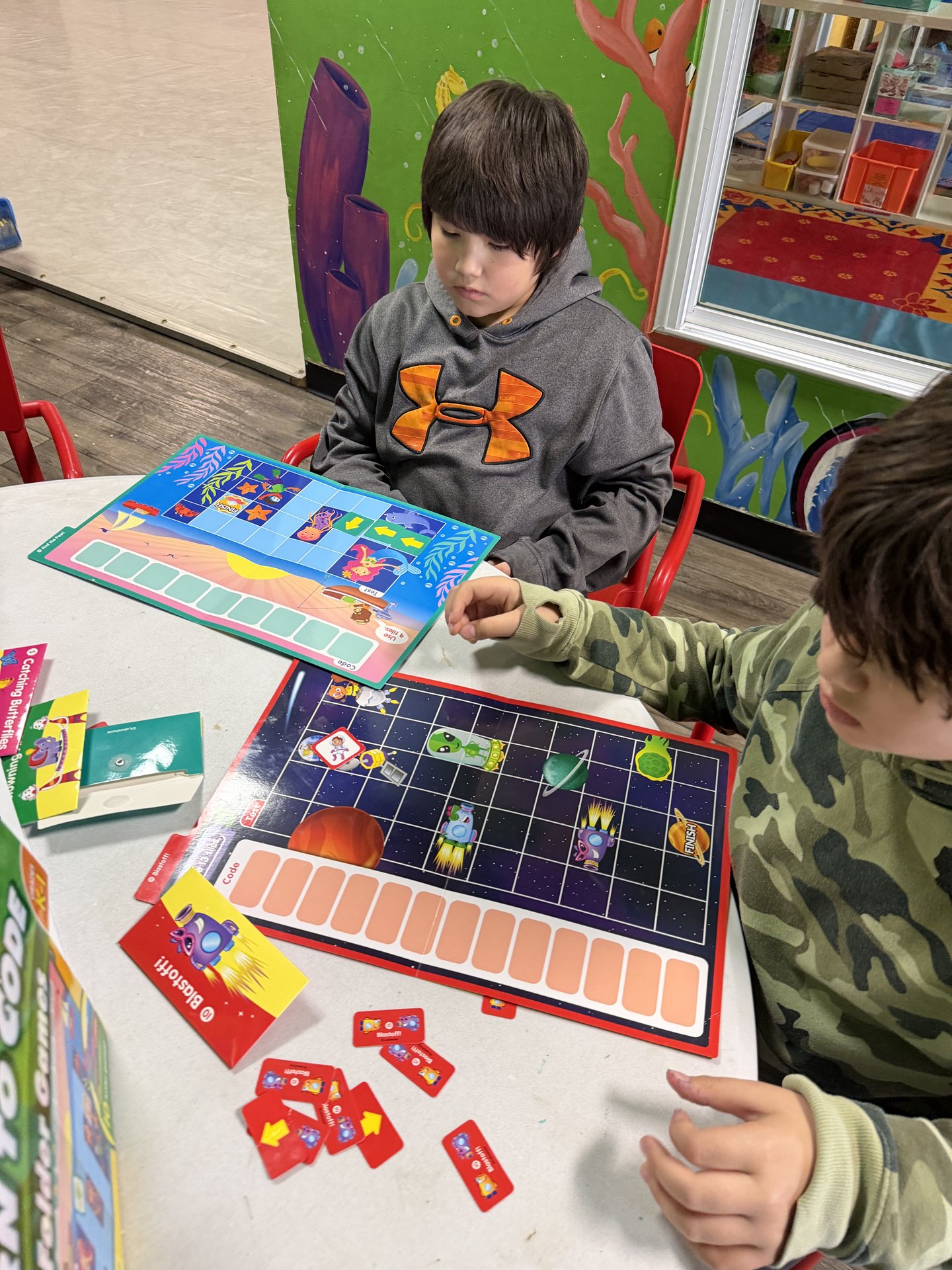
Agboola says the couple took over in 2023 and expanded their plans by January 2024. She describes introducing piano, STEM activities, arts and crafts, as well as offering seasonal camps. Those are her descriptions of the programme’s development, rather than independently measured educational outcomes.
How the couple funded the purchase
According to Agboola, savings covered almost 90 per cent of the asking price. The previous owner financed the balance, which the couple repaid monthly. By the time of the interview, she says, they had paid it off.
The interview does not disclose the total purchase price, interest rate, loan documentation, revenue or profit. Her account therefore illustrates one financing arrangement; it does not establish what another buyer would need or what a similar investment would return.
For readers considering business ownership, it also separates two decisions: finding the money to acquire an operation, and understanding the money it will require after the transaction closes.
Changing the building without discarding its experience
The couple’s first changes were physical. Agboola says they replaced the flooring and rearranged the interior to make it more welcoming for children and families. They also changed the branding.
The existing staff stayed, she says. Rather than relying only on their own ideas, the new owners asked employees for suggestions.
“We got ideas from them,” Agboola explains.
That is an important part of the acquisition story. An operating business comes with routines and relationships as well as equipment and a name. Its staff can help explain what new owners are inheriting—and what proposed changes might mean in practice.
Parent complaints brought a different management challenge
Agboola also describes responding to complaints from parents about incidents at the centre. She says cameras were installed in activity areas to help management review what had happened and discuss concerns with families.
Her account does not establish the facts of any individual complaint. It should not be read as evidence that children’s reports were inaccurate or that every concern was resolved.
What it does reveal is the responsibility of running a service built on trust: owners must be able to listen, investigate and communicate, including when they did not personally witness an incident. Recording equipment cannot substitute for supervision or a consistent complaints process.
The moments that keep her there
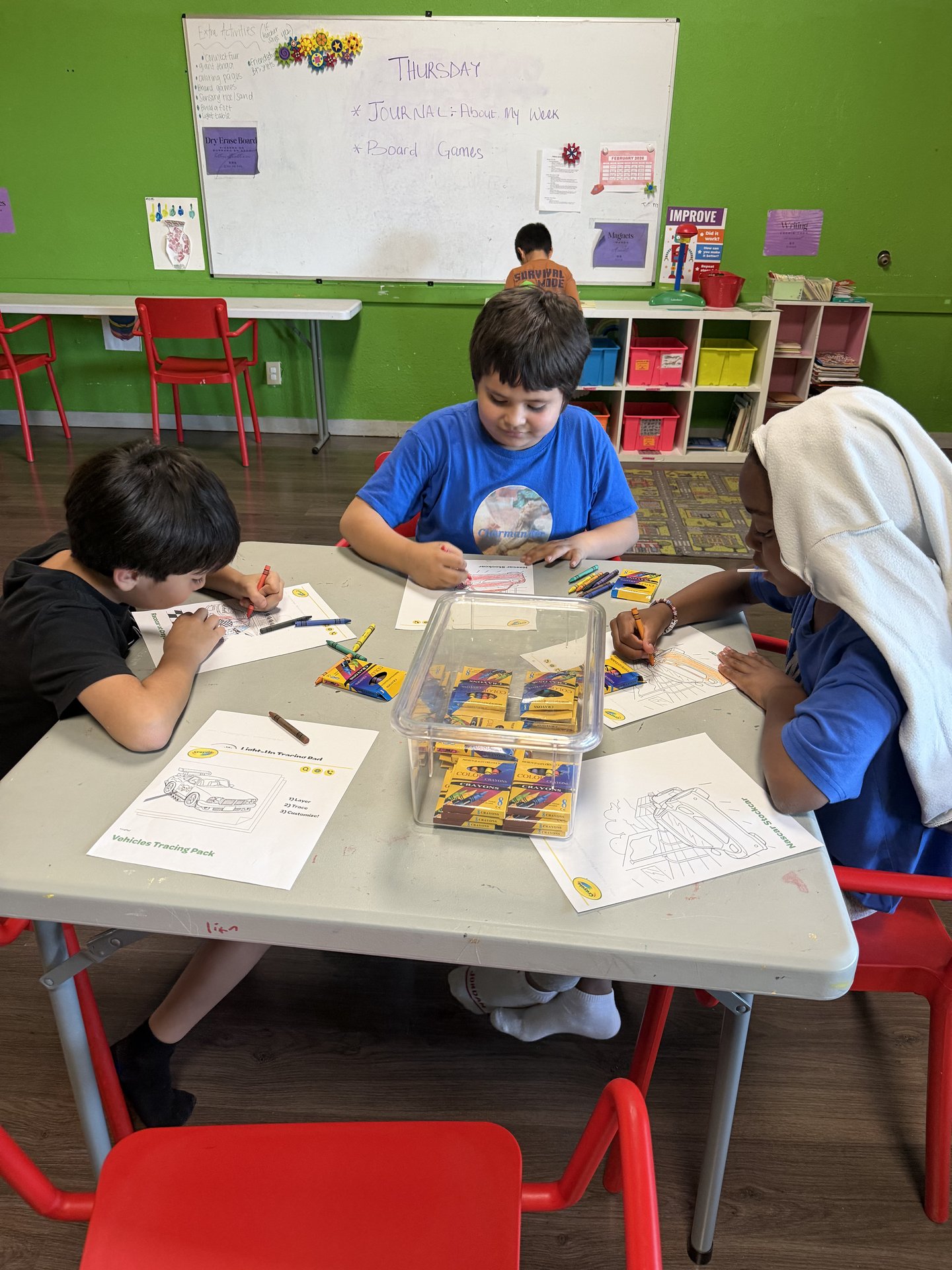
For all the operational demands, Agboola’s description of the work returns to the children: their stories about school, their excitement and the greetings she receives when she walks in.
Sometimes she arrives tired or preoccupied by something outside the centre. A child’s welcome can change the feeling of the day.
“The genuine love you get from the kids is one thing that actually keeps me going in this business.” — Emi Agboola, ADN interview
That is her personal explanation of the work’s meaning. It sits alongside, rather than cancels out, the bills, staffing decisions and responsibility she describes.
The timeline, in her account
| When | What Agboola describes |
|---|---|
| Around 2015 | First considers a daycare and after-school business, then steps back. |
| 2019 | Moves to Austin; school pickup difficulties revive the idea. |
| 2023 | Takes over the existing academy and after-school operation with her husband. |
| January 2024 | Begins implementing the wider programme she describes. |
| At the interview | Says the seller-financed purchase balance has been repaid. No financial documents were supplied for this article. |
Her advice: ask owners about the expenses
“First, ask questions,” Agboola advises anyone considering childcare ownership. She encourages prospective operators to speak with people already doing the work.
Stories about income, she cautions, can leave out wages, taxes and recurring bills. She believes there can be profit in the business, but the interview supplies no figures with which to calculate hers.
For African and diaspora readers exploring entrepreneurship, the useful lesson is the sequence of decisions: identify a need, examine an existing operation, understand its staffing and costs, and recognise the obligations that come with serving families.
Agboola’s original motivation was a gap in her own working day. Buying the business gave her a way to respond to it. Ownership then required her to deal with the much larger task behind that solution: running a place other parents could depend on.
Sources and further information
- ADN: How I Bought and Run a Childcare Business in Texas — primary interview; the transcript supplied to Afridiaspo is the basis of quotations and the acquisition account.
- Academy’s About page — identifies Emi Agboola as owner and director. The academy’s statements about its aims are self-descriptions, not independent evaluations.
- Academy’s public martial arts website — lists its location at 2700 W Pecan Street, Suite 302, Pflugerville, Texas, and describes its martial arts programmes.
The interview’s spring-break invitation is undated and is not presented here as a current enrolment offer. Readers should confirm current programmes directly with the academy.
Emi Agboola Needed After-School Care. Then She Bought the Business.