ETHIOPIA IS LIVING IN 2050! Free High-Speed Internet For Every Single Citizen
Ethiopia is pushing toward digital sovereignty and expanding internet access, The idea of free or satellite powered connectivity represents Africa’s next big leap, The real opportunity is not today’s reality but tomorrow’s infrastructure.
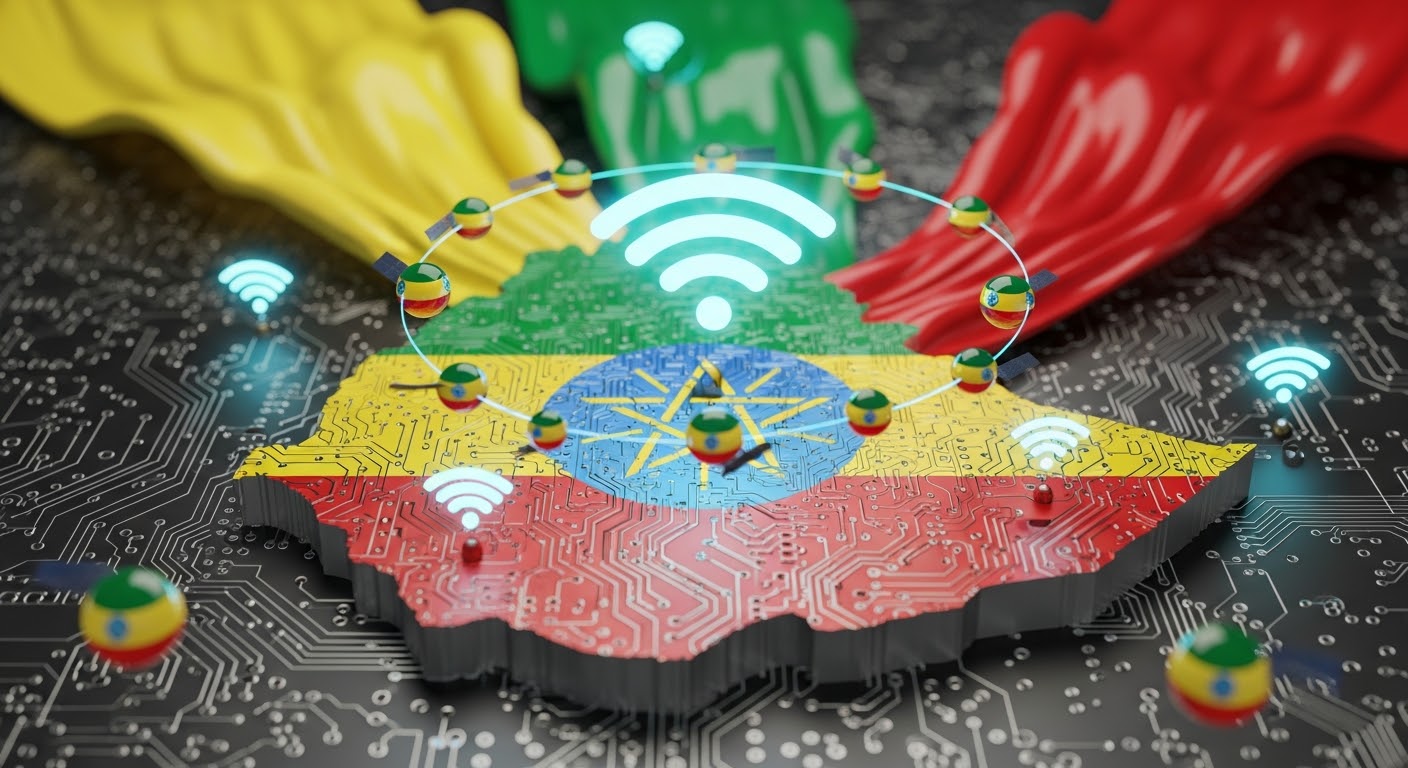
What if the internet was not a monthly bill but a right. What if access to information was not controlled by pricing, location, or foreign infrastructure. That question is beginning to shape how countries like Ethiopia are thinking about their digital future. And while the headlines may exaggerate the moment, the direction is real.
Across Africa, the internet is still uneven. Urban centers are connected, but millions in rural areas remain offline or priced out. This creates a digital divide that affects education, healthcare, business, and opportunity. Ethiopia, with over 120 million people, sits at the center of this challenge.
What is happening today is not a full satellite takeover, but something just as important. Ethiopia is investing in digital sovereignty. That means controlling its own infrastructure, expanding connectivity, and reducing dependence on external systems that have historically dominated Africa’s internet access.
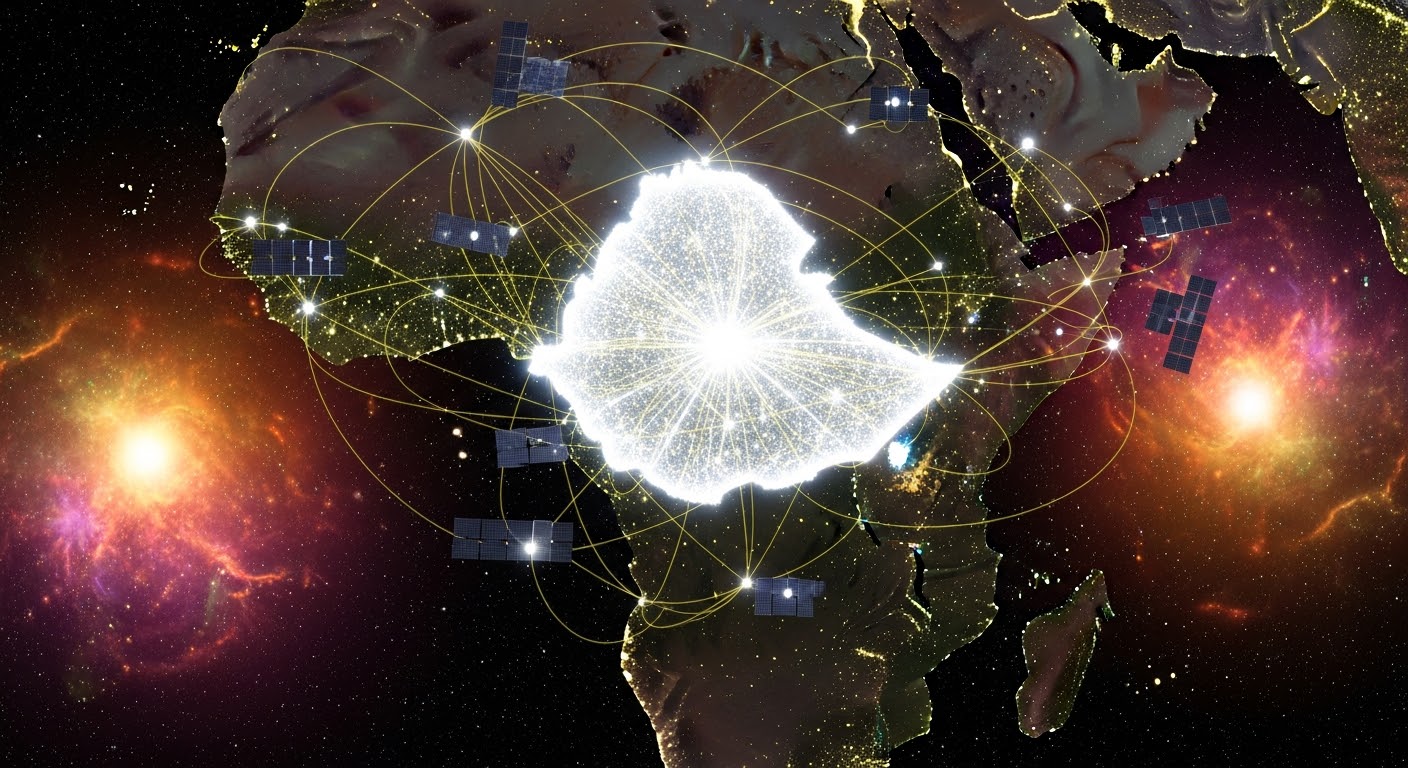
Why does this matter. Because infrastructure is power. For years, Africa has relied on foreign owned telecom systems, undersea cables, and pricing models that do not reflect local realities. When a country begins to think about owning its digital backbone, it is not just about internet access. It is about control of data, economy, and narrative.
Ethiopia’s approach includes expanding telecom competition, strengthening Ethio Telecom, and opening the market to new players. It also includes investments in space science through facilities like the Entoto Observatory, signaling long term interest in satellite and aerospace technology. While not yet a full satellite internet system, it lays the foundation for that future.
The idea of free or near free internet is not impossible. It is already being tested in different ways across the world. What makes Ethiopia’s case interesting is scale. If a country of that size can reduce the cost of access dramatically, it changes everything. Students gain knowledge.
Entrepreneurs gain markets. Farmers gain information. Entire communities gain visibility.
How would a satellite based system change the game. It would bypass the need for expensive ground infrastructure like fiber cables across difficult terrain. It would allow connectivity in remote areas where traditional systems fail. Most importantly, it would shift power away from centralized telecom control toward a more distributed model.
But there are real challenges. Satellite infrastructure is expensive. Maintaining it requires advanced engineering, consistent funding, and policy stability. There are also questions about regulation, cybersecurity, and whether governments would allow completely open access without control mechanisms.
Who benefits if this vision becomes real. The answer is simple. Everyone. But especially young Africans. A generation that is already building startups, creating content, and solving problems with limited access would suddenly operate on a level playing field. The internet would no longer be a barrier. It would be a baseline.
This is where the bigger Afridiaspo story comes in. The diaspora often sees Africa through the lens of limitation. But what if the next leap is not catching up, but skipping ahead. Not copying Western infrastructure, but building something entirely new. Something designed for African realities.
The truth is Ethiopia is not living in 2050 yet. But it is asking 2050 questions. And that is where transformation begins. Not with perfection, but with direction.
If Africa can control its digital future, then everything changes. Education scales. Innovation accelerates. Economies expand. And the continent moves from being a consumer of global systems to a creator of them.
That is the real story. Not whether free satellite internet exists today. But whether Africa is bold enough to build it tomorrow.
ETHIOPIA IS LIVING IN 2050! Free High-Speed Internet For Every Single Citizen