Sea Arrivals to Europe Fall, but Deaths Rise to 2,292
— Afridiaspo Editorial Desk
IOM data shows sea arrivals to Europe fell 39% in 2026, while at least 2,292 migrants died or went missing on increasingly dangerous routes.
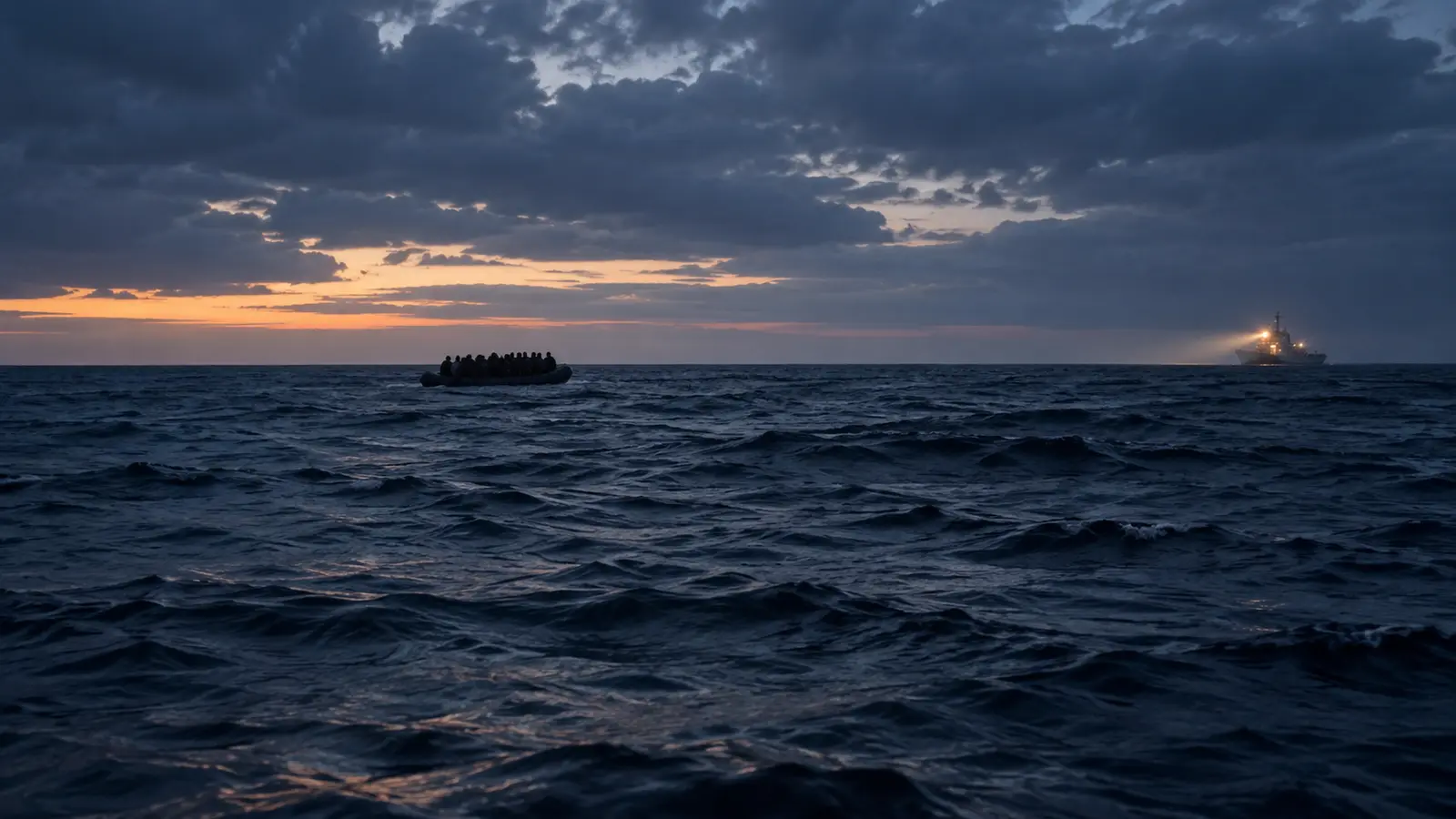
Nearly 60,000 migrants and refugees reached Europe by sea in 2026 through September 15, but at least 2,292 people died or went missing on the routes, according to new figures from the International Organization for Migration.
The figures reveal a worsening contradiction at Europe’s maritime borders: arrivals have fallen sharply, yet the journeys have become more deadly.
Reuters reported that sea arrivals were down 39% from about 98,000 during the same period in 2025. The recorded number of dead or missing people, however, rose from 1,999 to 2,292. The IOM cautioned that the real toll may be higher because some shipwrecks are never documented.
Fewer crossings, greater danger
The Central Mediterranean route—used by many people leaving Libya for Italy—remains one of the most dangerous. Associated Press reporting based on the IOM data showed that arrivals along this route fell from more than 48,000 to roughly 21,000, while 996 people were recorded dead or missing.
Routes toward Greece have also become more lethal. Although arrivals there declined by about 5,000, recorded deaths increased by 47%, AP reported. The IOM linked part of the danger to longer journeys from eastern Libya toward Crete, often in overcrowded or unseaworthy boats.
The Atlantic route toward Spain’s Canary Islands and the western Mediterranean corridor remain deadly as well. During the late-July crisis at the Ceuta border, at least 97 people died, according to the IOM figures cited by AP.
Why this matters for Africa
Many of the people travelling on these routes begin their journeys in African countries or pass through North Africa. Their reasons are rarely simple. Conflict, political repression, unemployment, climate pressure and family survival can overlap, while trafficking and smuggling networks exploit the lack of safe legal routes.
The drop in arrivals does not necessarily mean the pressure to migrate has disappeared. It can also reflect tighter border enforcement, changing smuggling routes and journeys becoming harder to detect. When movement is displaced rather than resolved, migrants may be pushed onto longer and more dangerous crossings.
IOM calls for safer legal routes
IOM Director General Amy Pope said the deaths are largely preventable and called for stronger international cooperation, expanded legal pathways and more effective action against human trafficking. The agency has also warned that reduced transparency around incidents at sea makes it harder to establish the full scale of the loss.
The latest numbers arrive as European governments face growing political pressure to tighten migration controls. In June, the European Union agreed to rules allowing some migrants to be deported to countries outside the bloc, Reuters reported.
For African governments and diaspora communities, the figures are more than a European border statistic. They represent thousands of families waiting for news, communities losing young people and a migration system in which fewer arrivals have not meant fewer deaths.
Sources
Reuters: Europe migrant sea crossings fall, but become more deadly, IOM says
Associated Press: Fewer migrants are reaching Europe by sea but more people are dying, IOM warns
Image credit: Afridiaspo AI-generated editorial illustration. It does not depict a specific documented incident.