Five Actors Expanding the Story of the African Diaspora
— AfriDiaspo Editorial
From London and Nairobi to French cinema, Daniel Kaluuya, Idris Elba, Edi Gathegi, Chiwetel Ejiofor and Omar Sy show that African heritage has no single screen identity.
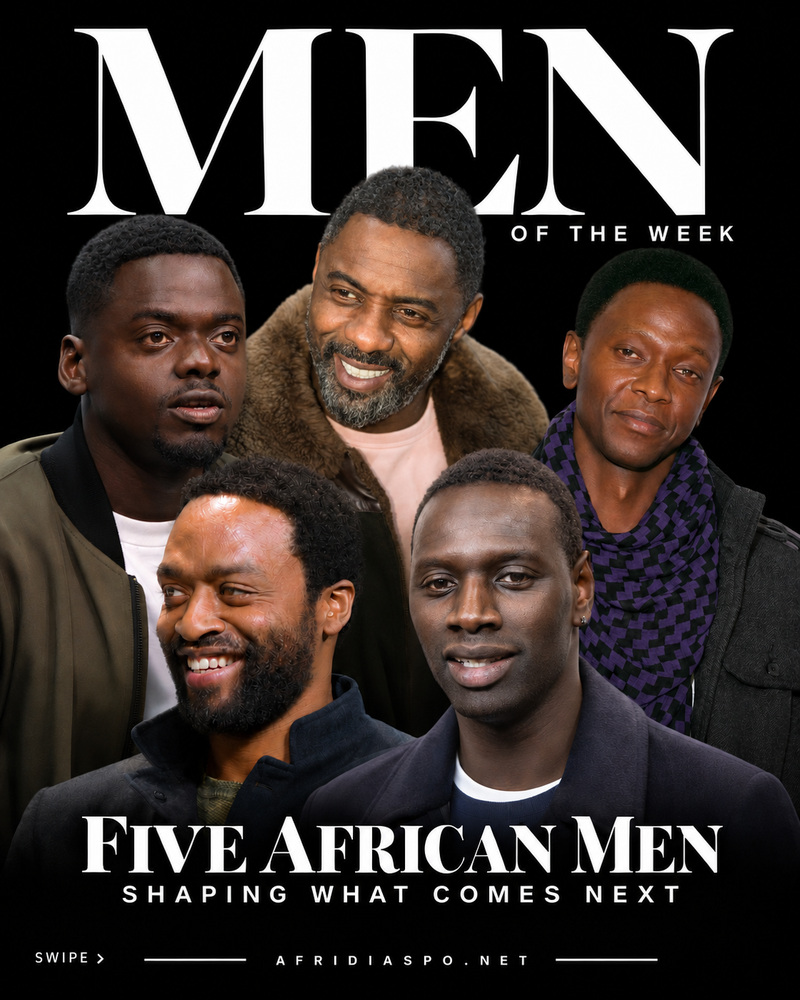
Men of the Week | November 16, 2026
A familiar face on a screen can open a conversation about belonging. But representation becomes more interesting when the people on that screen are allowed to be complicated: a frightened young photographer, a detective, an inventor, a father, a survivor. The point is not simply to be visible. It is to be seen in more than one way.
This edition brings together five actors whose careers cross national borders and genres. Their connections to Africa are not interchangeable. Birthplace, nationality, family heritage and the stories an artist chooses to tell can overlap without becoming the same thing.
For AfriDiaspo, that complexity is worth celebrating. These are established careers, not a claim that five new breakthroughs happened this week. Together, they offer a thoughtful picture of what creative range can look like across the diaspora.
Daniel Kaluuya: A Performance That Makes You Look Again
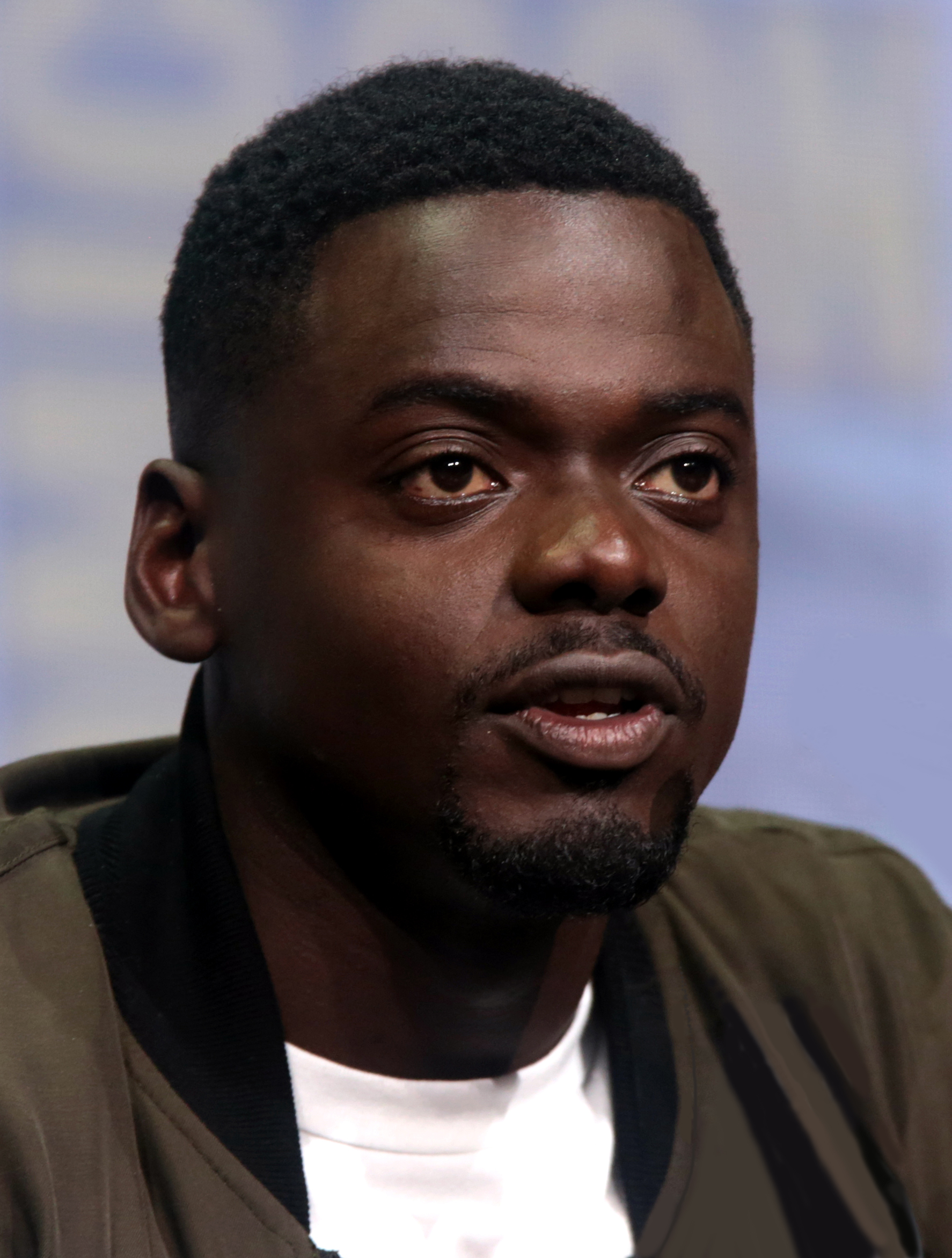
Daniel Kaluuya was born in London to Ugandan parents. His career includes Get Out, Black Panther and Judas and the Black Messiah, roles that place very different demands on an actor. In 2021, the Academy awarded him Best Supporting Actor for playing Fred Hampton in Judas and the Black Messiah.
The distinction is important, but an award does not fully explain why his work resonates. Kaluuya can make stillness feel charged. A look or a pause can tell an audience that the character understands more than he is able to say. That quality gives the people he plays an interior life beyond the plot around them.
For diaspora audiences, his work offers something more useful than a simple success slogan. It demonstrates that heritage need not restrict the range of characters an actor can inhabit. A British upbringing and Ugandan family background can be part of his story without becoming the only story he is permitted to tell.
Idris Elba: Presence Across Borders
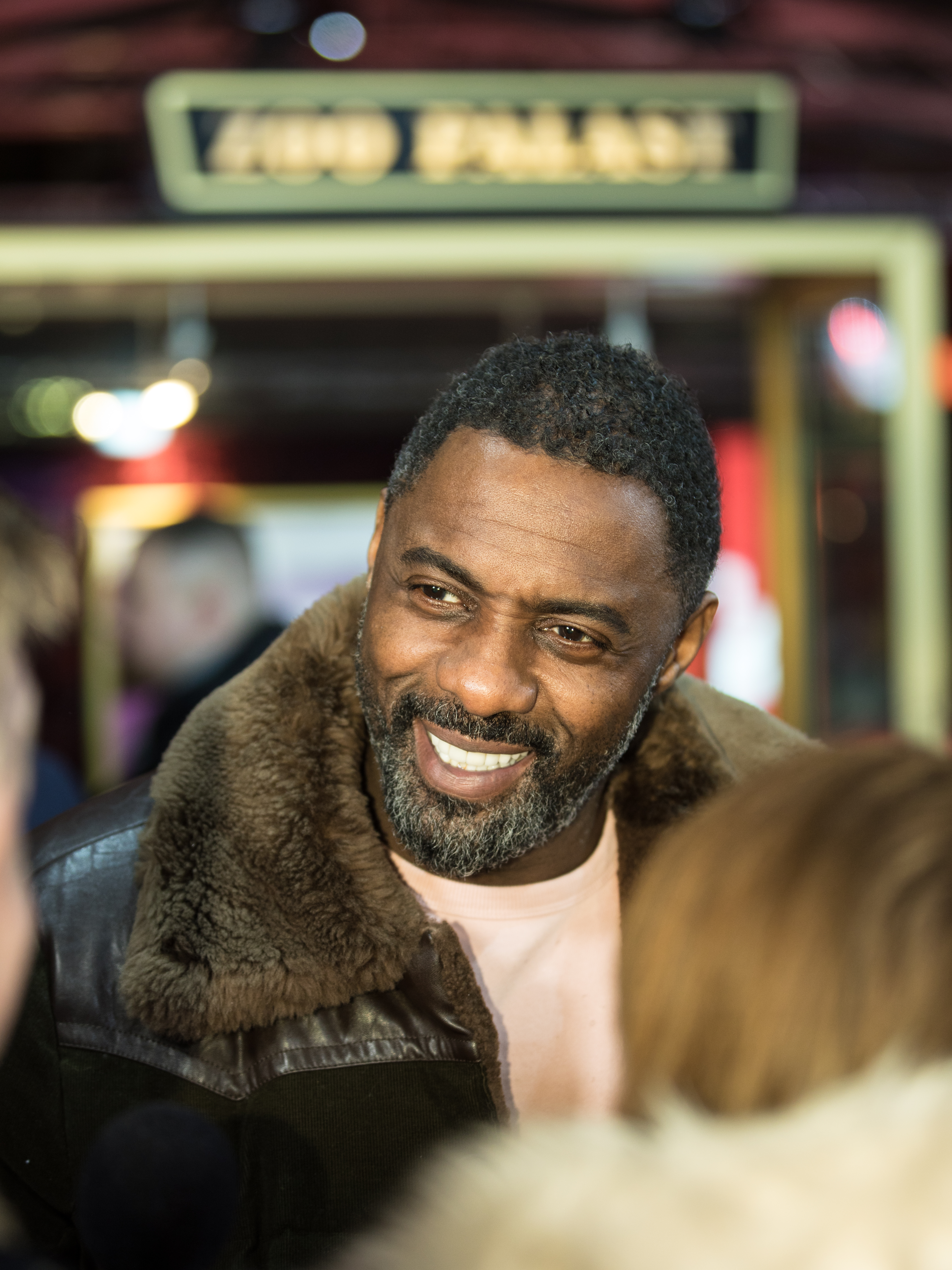
Idris Elba was born and raised in Britain, with a Sierra Leonean father and a Ghanaian mother. Both connections belong in his biography. His public work extends beyond acting: the World Economic Forum's profile also records his appointment as an IFAD goodwill ambassador in 2020.
His screen career, including The Wire and Luther, is a useful reminder that international recognition is built through particular characters, not a generic idea of stardom. Audiences may meet an actor through one role and then follow him into a very different world.
There is a broader diaspora conversation here, too. Success abroad need not make Africa a distant footnote. Elba's work with IFAD has included advocacy for investment in rural agriculture. That is a distinct undertaking from his screen career, and it should be understood on its own terms rather than treated as proof that celebrity alone solves development challenges.
Edi Gathegi: The Value of Range
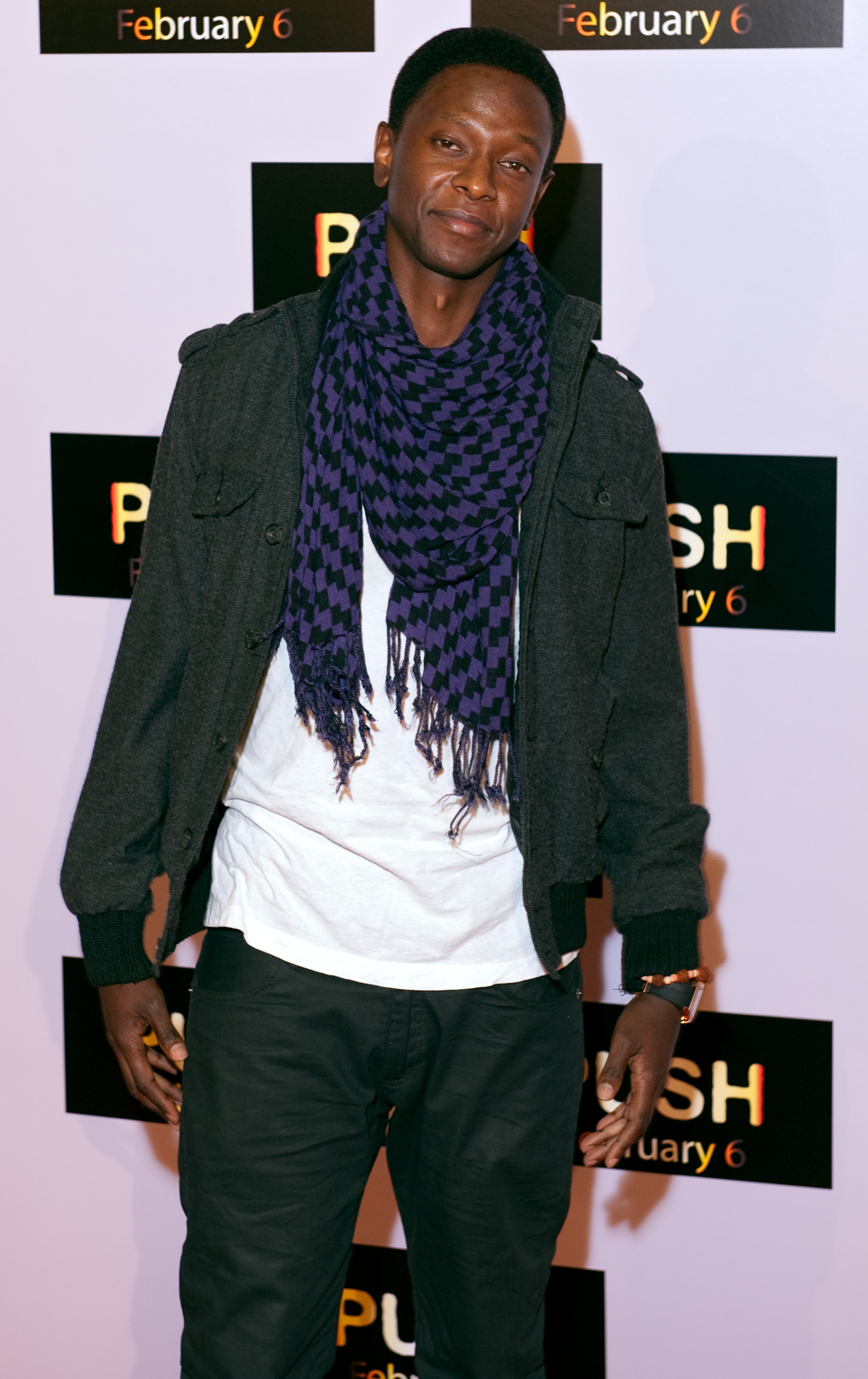
Kenyan-born actor Edi Gathegi belongs in a conversation about the diaspora that goes beyond the most repeatedly cited names. His career spans film and television, and his role as Dev Ayesa in For All Mankind places him inside an alternate-history story about ambition, technology and power.
In 2025, he appeared as Mister Terrific in James Gunn’s Superman. That role and Dev Ayesa are different screen creations, but both put intelligence and technical ability inside a Black character’s dramatic identity. The comparison offers something more specific than a claim that his career is “inspiring”: it asks which kinds of power popular entertainment allows its characters to exercise.
That range matters. An actor with an African background should not have to play an explicitly African character for his presence to count. Science fiction, suspense and ensemble drama can all become places where audiences encounter a wider range of performers.
Gathegi's inclusion is therefore not an attempt to make one person stand for an entire country. It is an invitation to look more closely at a working actor and the different worlds he helps create. In a feature about visibility, there is room to appreciate craft without requiring every profile to follow the same journey from adversity to triumph.
Chiwetel Ejiofor: Giving Difficult Stories Their Full Weight
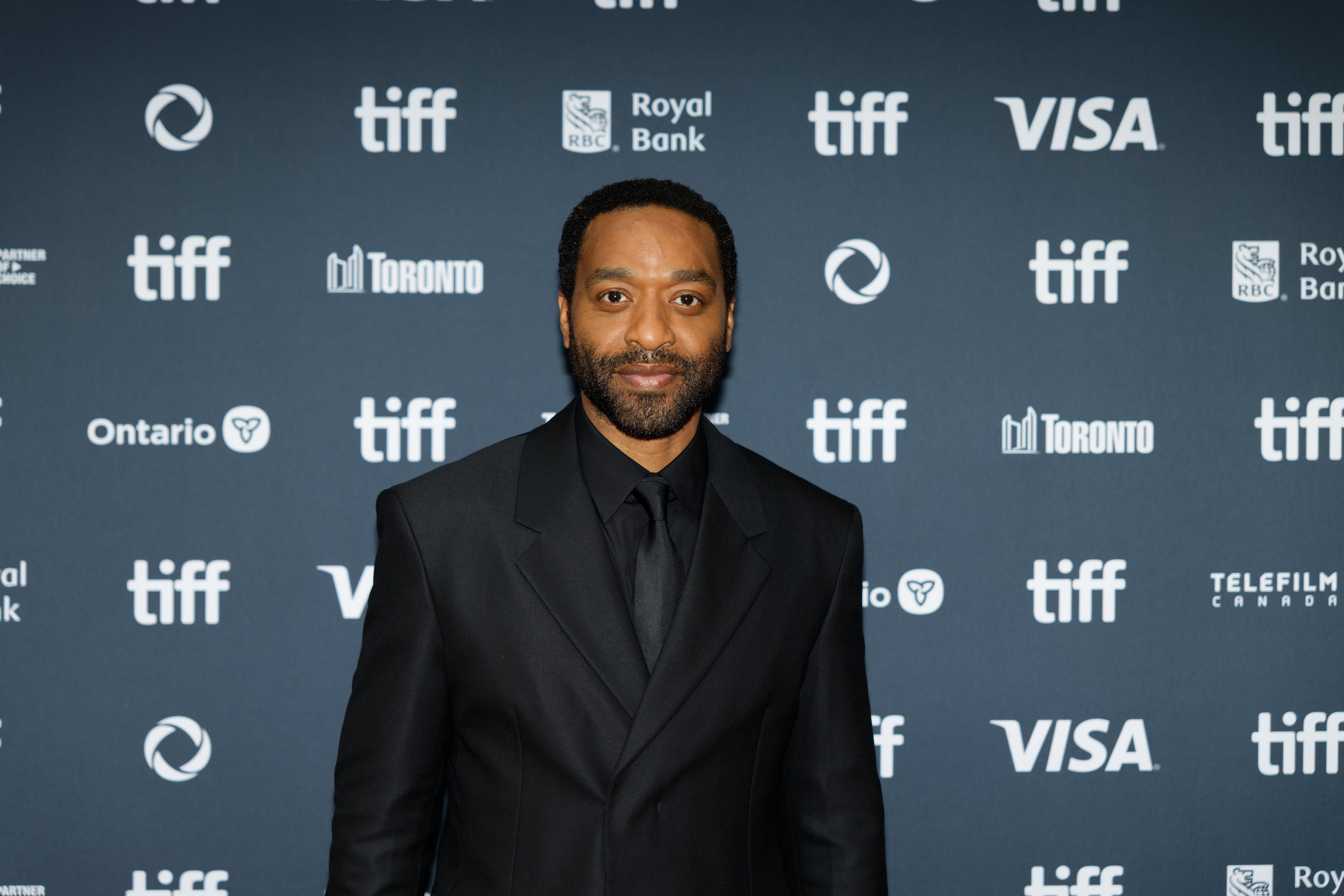
Chiwetel Ejiofor was born in London to Nigerian parents. The African Film Festival records that family background in its profile of the actor and filmmaker.
In 12 Years a Slave, he plays Solomon Northup, a free Black man abducted and sold into slavery. The film's premise is devastating, but its central character is more than a symbol of suffering: he is a person with a family, a profession, memories and an urgent claim to his own life.
Ejiofor also moved behind the camera for The Boy Who Harnessed the Wind (2019), his feature-directing debut. The film centres on a Malawian boy who builds a windmill in an effort to help his village. Moving between Northup’s historical account and William Kamkwamba’s story involves different places, periods and responsibilities; “African stories” is too broad a label to explain either film.
That distinction helps explain the value of serious dramatic work. Historical injustice can become abstract when discussed only through dates and institutions. A performance can return attention to the individual without pretending that one character accounts for an entire history. Ejiofor's presence in this edition recognises that capacity for depth. For readers across the diaspora, it is also a reminder that cultural achievement can involve confronting uncomfortable stories rather than offering easy reassurance.
Omar Sy: Familiar Warmth, International Reach
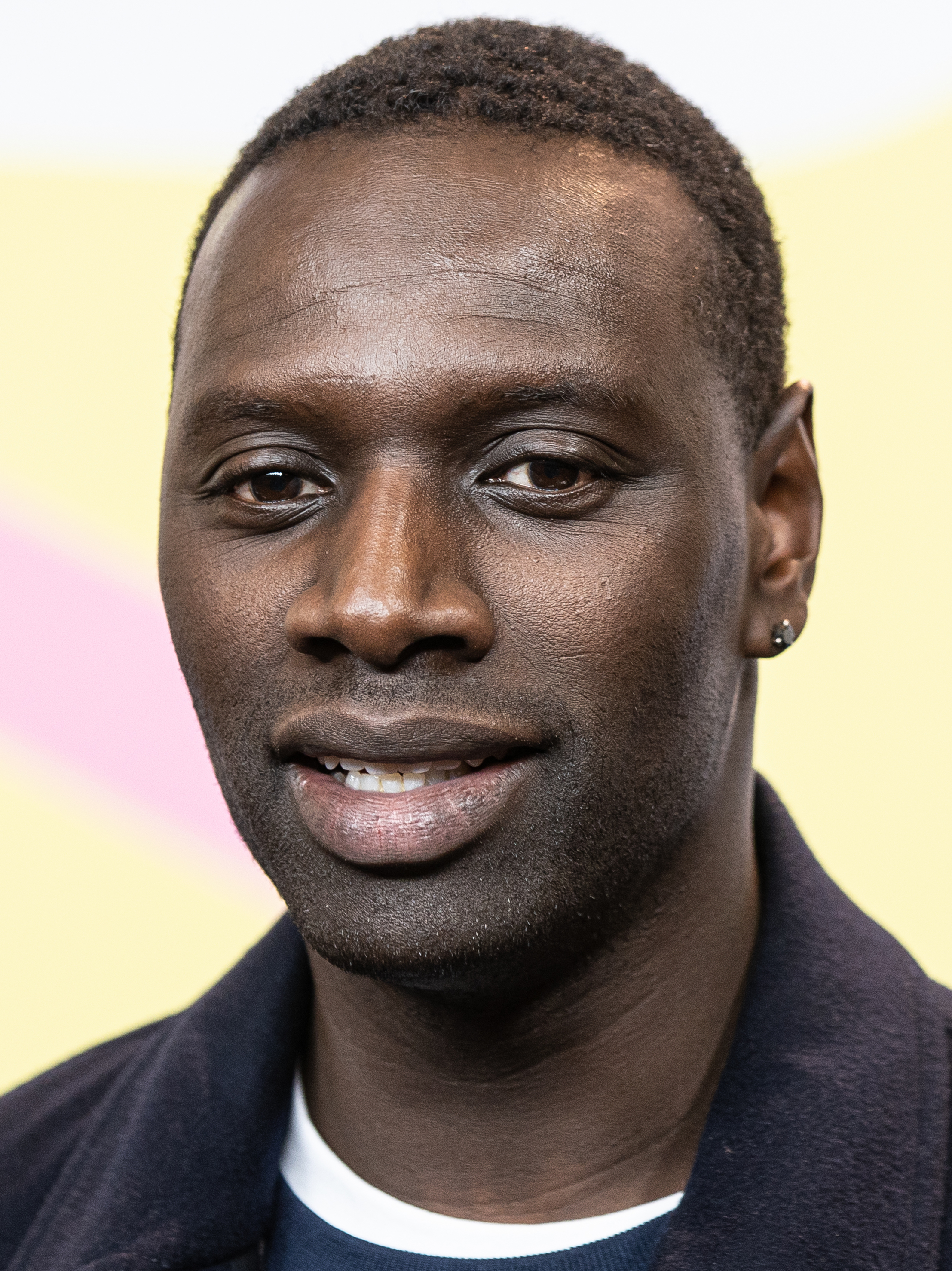
Omar Sy's family history connects France, Senegal and Mauritania. He grew up outside Paris with a Senegalese father and Mauritanian mother. His performance in The Intouchables brought him a César for Best Actor, while Lupin introduced his Assane Diop to a global streaming audience.
Sy's appeal is not simply that he crosses borders. It is the ease with which warmth and dramatic tension can occupy the same performance. A character can be inviting without being uncomplicated, and charming without being harmless.
His career also makes the limits of a single national label clear. Calling him only French leaves out family history; calling him only Senegalese leaves out other parts of his life and heritage. AfriDiaspo's interest lies in that fuller picture. Diaspora culture is not a test of which identity wins. It is often the experience of carrying several meaningful connections at once.
Five Actors, Five Dimensions of Screen Work
Daniel Kaluuya — Supporting-actor Oscar for Judas and the Black Messiah, 2021. The precision of a performance, beyond celebrity recognition.
Idris Elba — The Wire, Luther and IFAD ambassadorship. Screen visibility and public advocacy are distinct kinds of work.
Edi Gathegi — Dev Ayesa in For All Mankind; Mister Terrific in Superman. Range across speculative worlds and forms of power.
Chiwetel Ejiofor — 12 Years a Slave; directing The Boy Who Harnessed the Wind. Responsibility in interpreting specific lives and histories.
Omar Sy — César recognition for The Intouchables; Lupin. A French career with Senegalese and Mauritanian family connections.
The AfriDiaspo Takeaway
There is no single way to look, sound or work like an actor of African heritage. That is the strength of this group. Their careers invite audiences to move beyond one image of the diaspora and engage with distinct people, choices and performances.
Recognition matters, but so does the work between the celebrated moments: the supporting role, the demanding character, the scene that stays with a viewer long after the credits. These five actors remind us that visibility is most valuable when it makes room for variety. The next time you watch one of them, look beyond the headline and pay attention to the craft.
Editorial note: This feature reflects established careers and documented milestones, not five achievements announced in the publication week. The cover is an editorial illustration. Individual archival photographs are credited separately to their photographers and licenses.