Five African Business Leaders, Five Ways to Build Opportunity
— AfriDiaspo Editorial
Tony Elumelu, Fred Swaniker, Patrice Motsepe, Naguib Sawiris and James Mwangi bring different perspectives to enterprise, education and access.
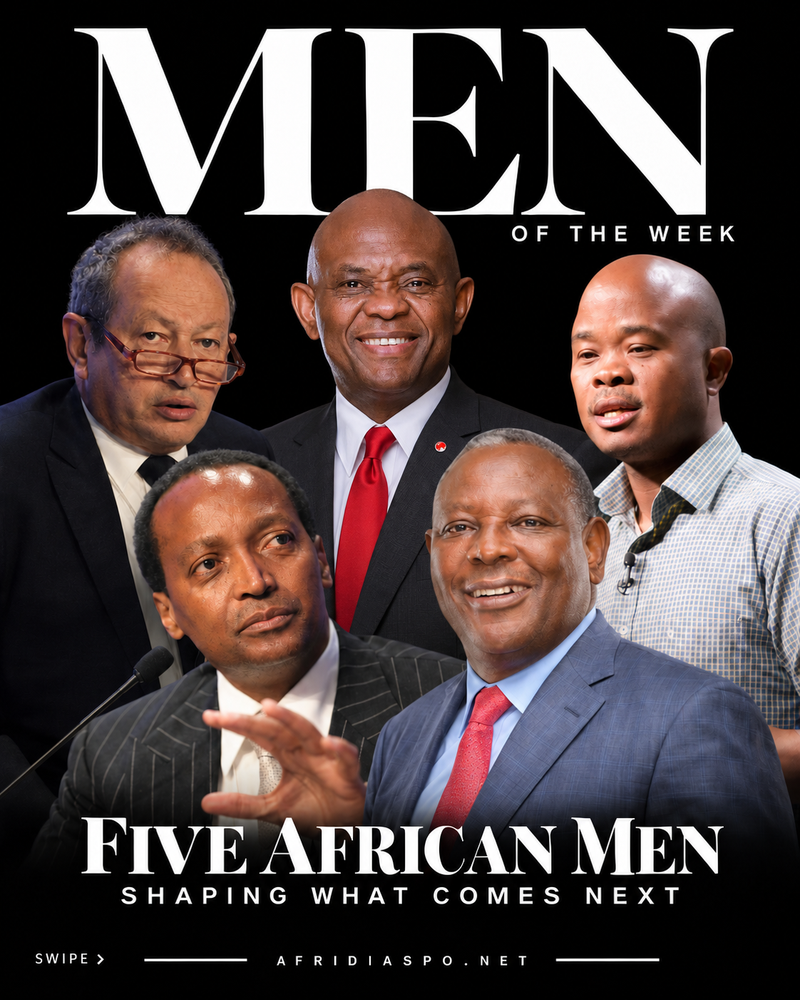
Men of the Week | November 23, 2026
Business coverage can become a race through fortunes and rankings. Those numbers attract attention, but they do not always explain what a person has built or why it matters. This edition takes a different approach: five men, five African connections and five distinct areas of work.
From entrepreneurship and leadership education to mining, telecommunications and financial services, their careers raise a common question. What makes an enterprise useful beyond the person who owns or leads it?
This is not a claim that every venture succeeds or that wealth automatically creates public benefit. It is a closer look at documented work, alongside the questions that responsible celebration should keep open.
Tony Elumelu: Entrepreneurship as a Long-Term Project
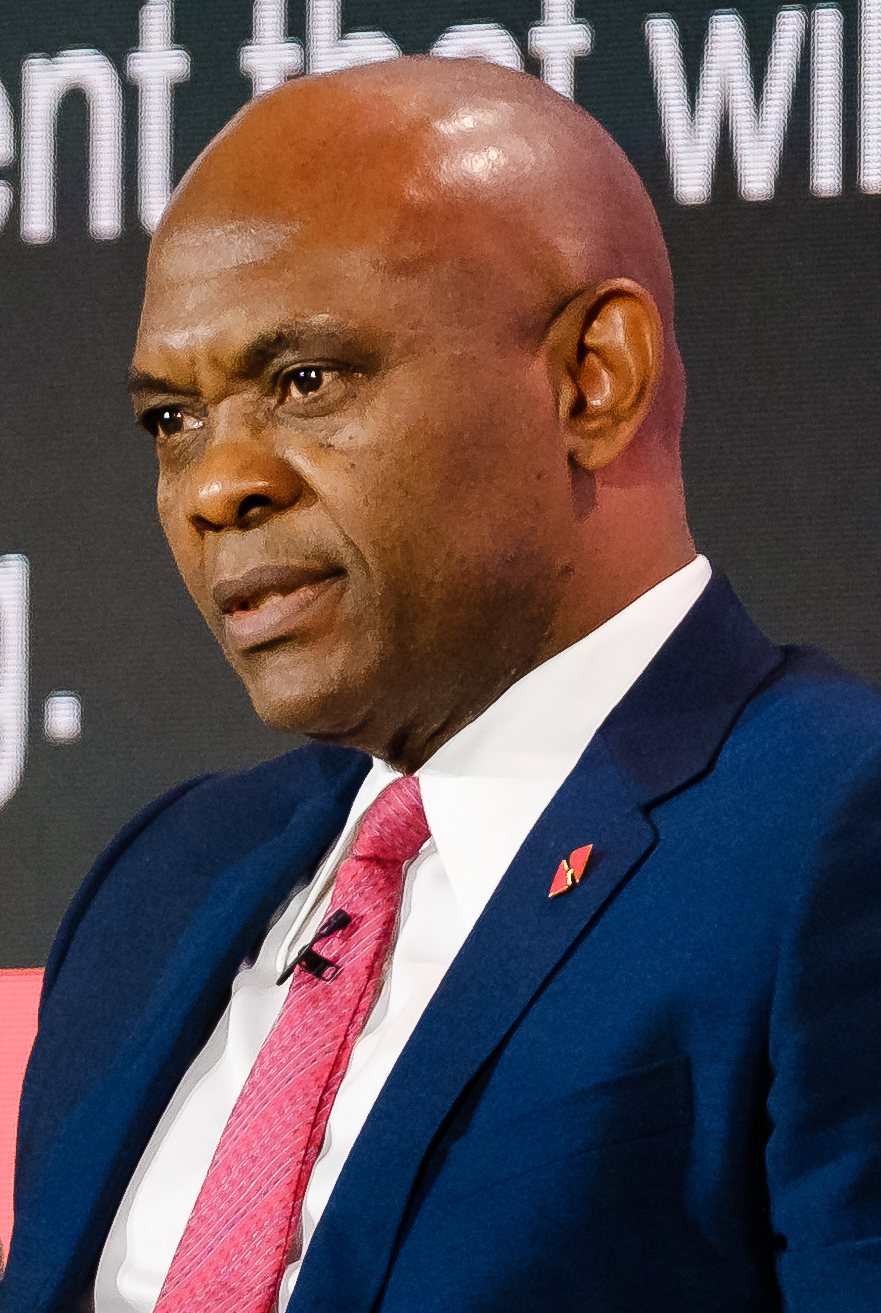
Nigerian businessman Tony Elumelu established the Tony Elumelu Foundation in 2010. Its entrepreneurship programme, launched in 2015, places training, mentoring and seed funding at the centre of its support for African founders. His own account describes this work through the idea of Africapitalism: a role for African private enterprise in economic and social development.
That is a more useful starting point than the familiar image of a successful executive. Many aspiring founders already have ideas. What they may lack is practical support: help understanding a market, the confidence to test a business model, or capital that gives the venture time to develop.
Elumelu's inclusion recognises that entrepreneurship can be treated as an ecosystem rather than a competition between isolated individuals. The meaningful question is not only how many people are encouraged to start, but what helps viable businesses endure. For diaspora readers considering investments or a return home, that distinction is especially relevant.
Fred Swaniker: Building the People Who Build Institutions
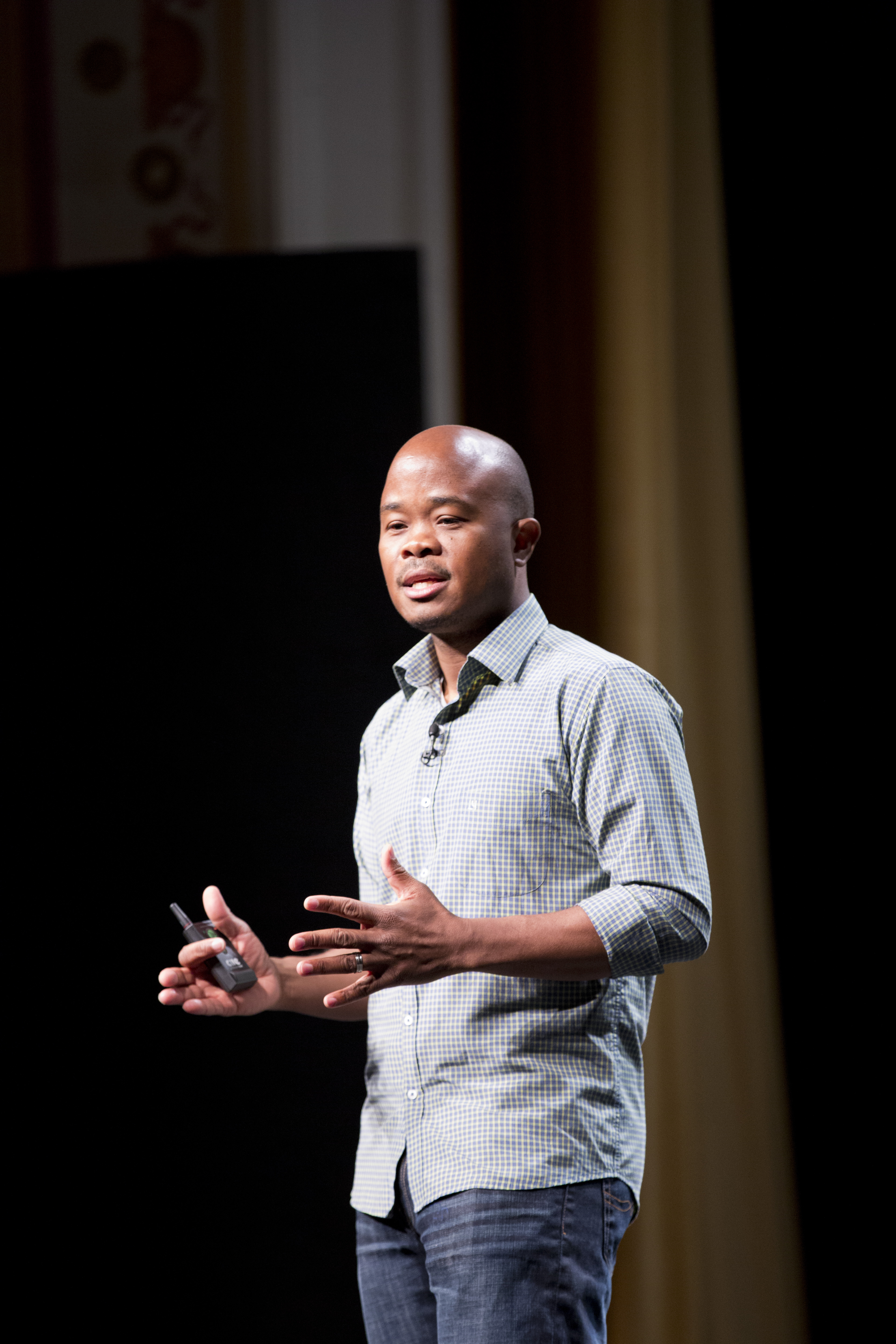
Ghana-born Fred Swaniker's work connects entrepreneurship with education. He founded the African Leadership Group, whose institutions include the African Leadership Academy and African Leadership University. His professional biography also reflects a life lived and worked across several African countries.
The premise is compelling: economic possibility depends partly on the people equipped to lead, organise and solve problems. A company needs more than a promising product. A community needs more than a passionate speech. Both need people capable of turning ambition into sustained work.
Education is not a quick solution, and no institution can carry the burden of a continent's future alone. But Swaniker's career puts the development of talent inside the business conversation rather than outside it. For readers navigating life between countries, it also offers a valuable lens: knowledge and professional experience can be part of what the diaspora contributes, alongside money.
There is also a practical distinction between an academy and a university. They meet students at different points in their development, and each needs more than an ambitious founding statement: teaching, admissions, support and relationships that help learning lead somewhere. Swaniker’s work is interesting precisely because it moves the discussion from celebrating exceptional individuals to constructing places where more people can develop their abilities.
Patrice Motsepe: Enterprise and the Question of Responsibility
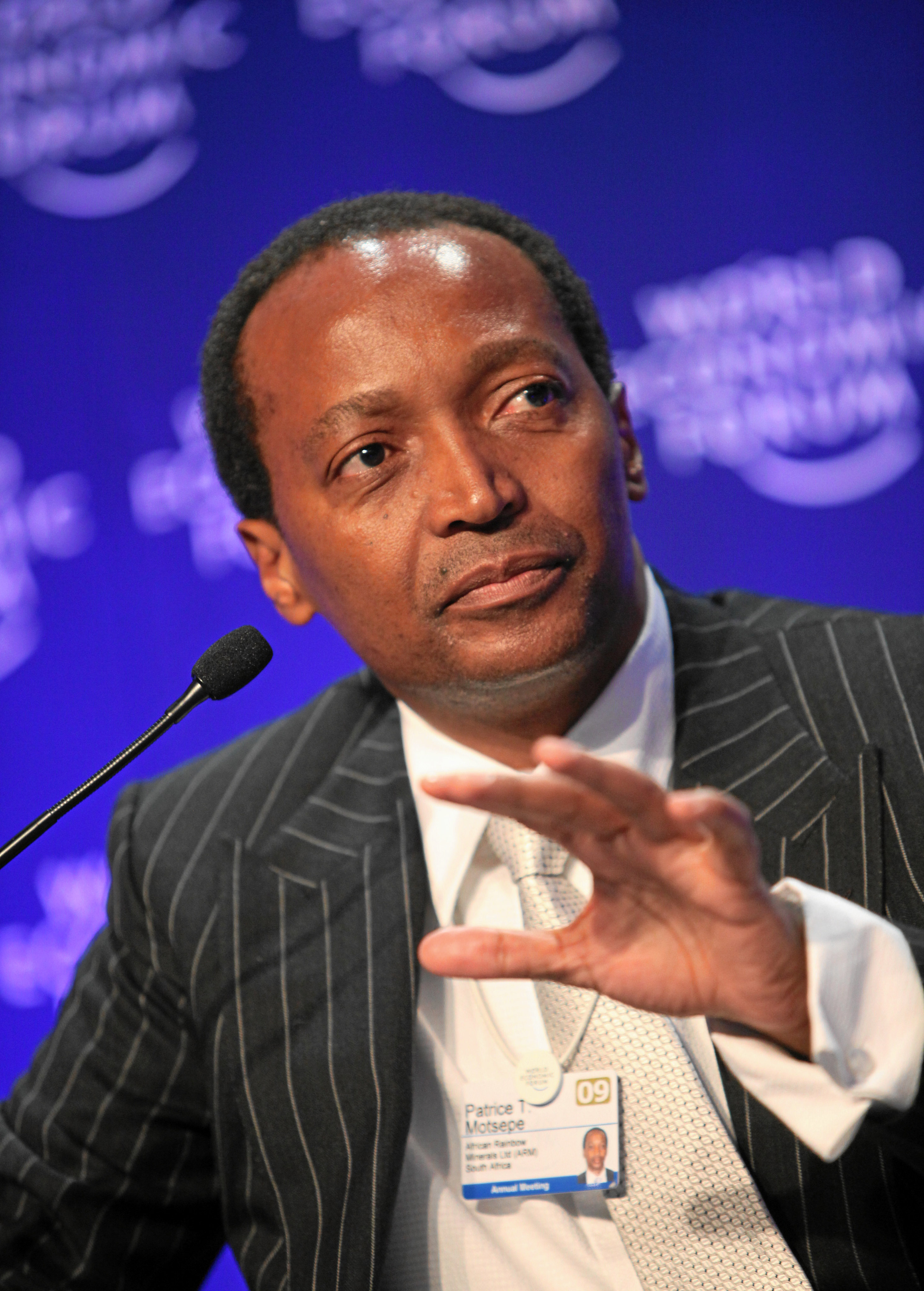
South African businessman Patrice Motsepe founded African Rainbow Minerals and co-founded the Motsepe Foundation. Those two parts of his public career place commercial enterprise and philanthropy alongside one another.
Harmony’s biography dates the start of Future Mining, Motsepe’s contract-mining business, to 1994. ARM’s corporate history then records the 2004 transaction after which Avmin became African Rainbow Minerals. These are distinct stages: first building a business that supplied mining services, then participating in the ownership and structure of a larger minerals group.
Mining is not an abstract source of prosperity. It is an industry rooted in land, labour, communities and environmental responsibilities. Celebrating a business founder should therefore leave room to ask how value is created and how benefits and burdens are shared.
Motsepe's place in this edition is an invitation to consider that fuller picture. Business success and social responsibility are connected subjects, but one should never be treated as automatic proof of the other. For AfriDiaspo readers, the useful lesson is to look beyond the individual achievement and examine the institutions around it. The quality of leadership matters most where commercial decisions touch other people's lives.
Naguib Sawiris: Thinking Beyond One Market
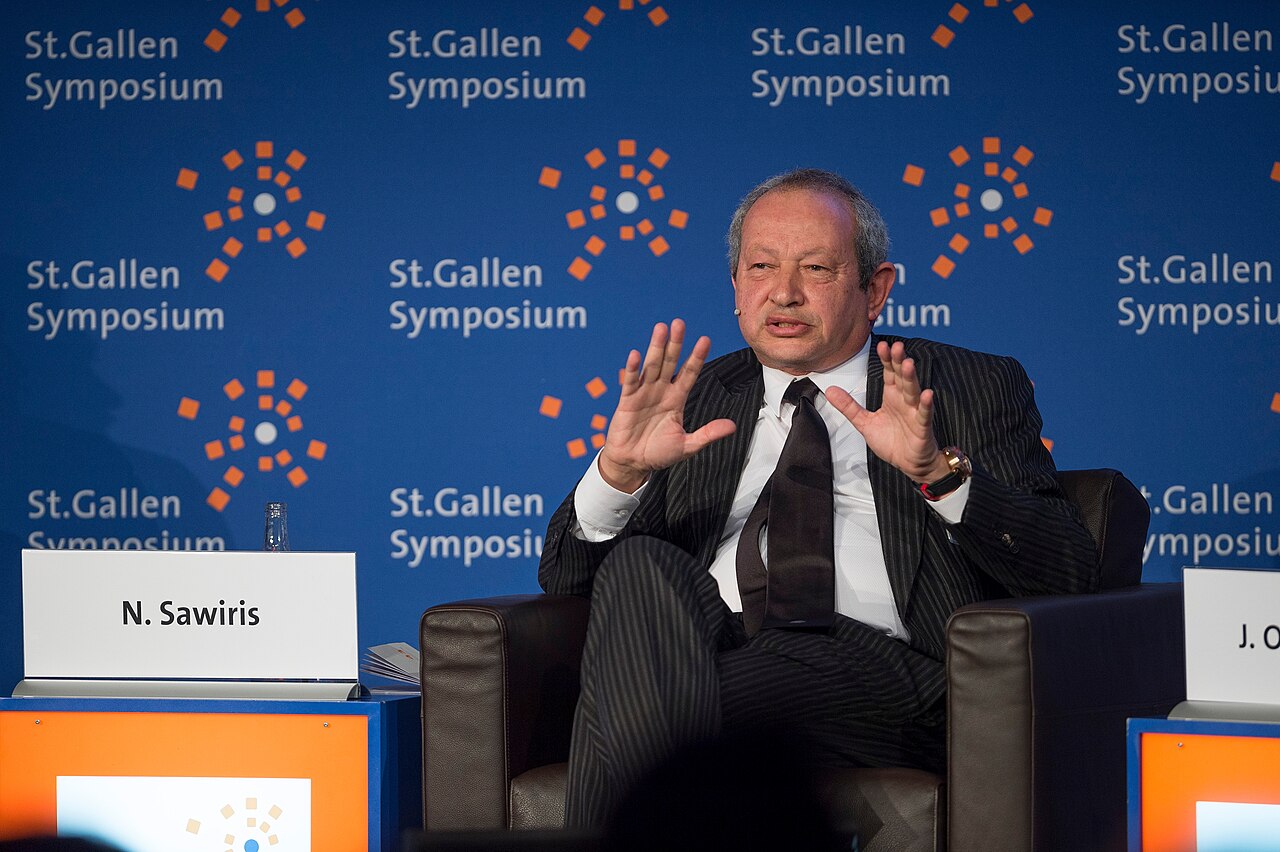
Egyptian entrepreneur Naguib Sawiris founded Orascom Telecom Holding and led it through its development into a major regional telecommunications business. Orascom Investment Holding's official account records the company's 2011 merger with VimpelCom, now VEON.
Telecommunications offers a distinctive perspective on enterprise. Its value is tied to connection: the ability to reach a customer, coordinate a team or speak with family across distance. For people living between countries, that infrastructure is part of everyday life rather than a distant business story.
Sawiris's career brings North Africa into an edition that should never treat the continent as one undifferentiated market. Languages, regulations and local needs differ. Expansion requires understanding those differences, not simply repeating a successful formula. The wider takeaway is about scale with context: crossing borders is meaningful only when a business understands the people on the other side.
James Mwangi: Access as a Business Question
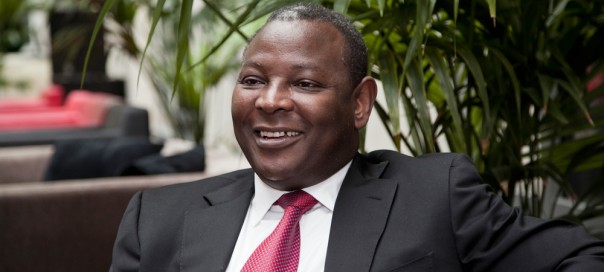
Kenyan business leader James Mwangi is Group CEO of Equity Group Holdings. The World Bank's profile highlights his role in widening financial access, while Equity's own account describes its transformation from a struggling building society into a regional financial institution.
Access is a practical word. For a household or small enterprise, it can mean a safer way to save, a reliable payment channel or a route to formal financial services. Those needs rarely appear as glamorous as a major acquisition, but they shape ordinary economic decisions.
Mwangi's inclusion shifts the discussion from who has accumulated capital to who can participate in financial systems. Inclusion should still be judged critically through affordability, transparency and customer outcomes. Nevertheless, making access part of a business model is a significant idea, and one with direct relevance to families and entrepreneurs connected across the diaspora.
Five Leaders, Five Institutional Questions
Tony Elumelu — Foundation established in 2010; entrepreneurship programme launched in 2015. What support helps a founder turn an idea into a durable enterprise?
Fred Swaniker — African Leadership Academy and African Leadership University. How can institutions develop talent beyond a few exceptional individuals?
Patrice Motsepe — Future Mining established in 1994; ARM transaction in 2004. How do services, ownership and responsibility differ?
Naguib Sawiris — Orascom Telecom and its 2011 merger with VimpelCom. What does cross-border scale require from a business?
James Mwangi — Leadership of Equity Group and its financial-access model. Who can participate in formal financial services, and on what terms?
The AfriDiaspo Takeaway
The strongest common thread is not wealth. It is institution-building: companies, educational organisations, financial networks and programmes that can outlast a single headline. Each has to be judged by what it does, not simply what it promises.
For an entrepreneur, professional or investor in the diaspora, these profiles offer five starting points for a better conversation. What need are you addressing? Who gains access? Which skills are missing? What responsibilities come with growth? Those questions make business coverage more useful than admiration alone.
Editorial note: This selection recognises established careers, not new achievements occurring in the publication week. It is not investment advice or an endorsement of every venture. The illustrative cover and individual licensed archival photographs are identified and credited separately.
Five African Business Leaders, Five Ways to Build Opportunity