From Lagos to the Diaspora: Jael Providence’s Vision for JLX and Her Commitment to Women in Eastern Congo
— AfriDiaspo Editorial
The founder of JLX The Label speaks to AfriDiaspo about the Ankara boots that started her business, returning to fashion after a difficult pause, and connecting African craftsmanship with women across continents.
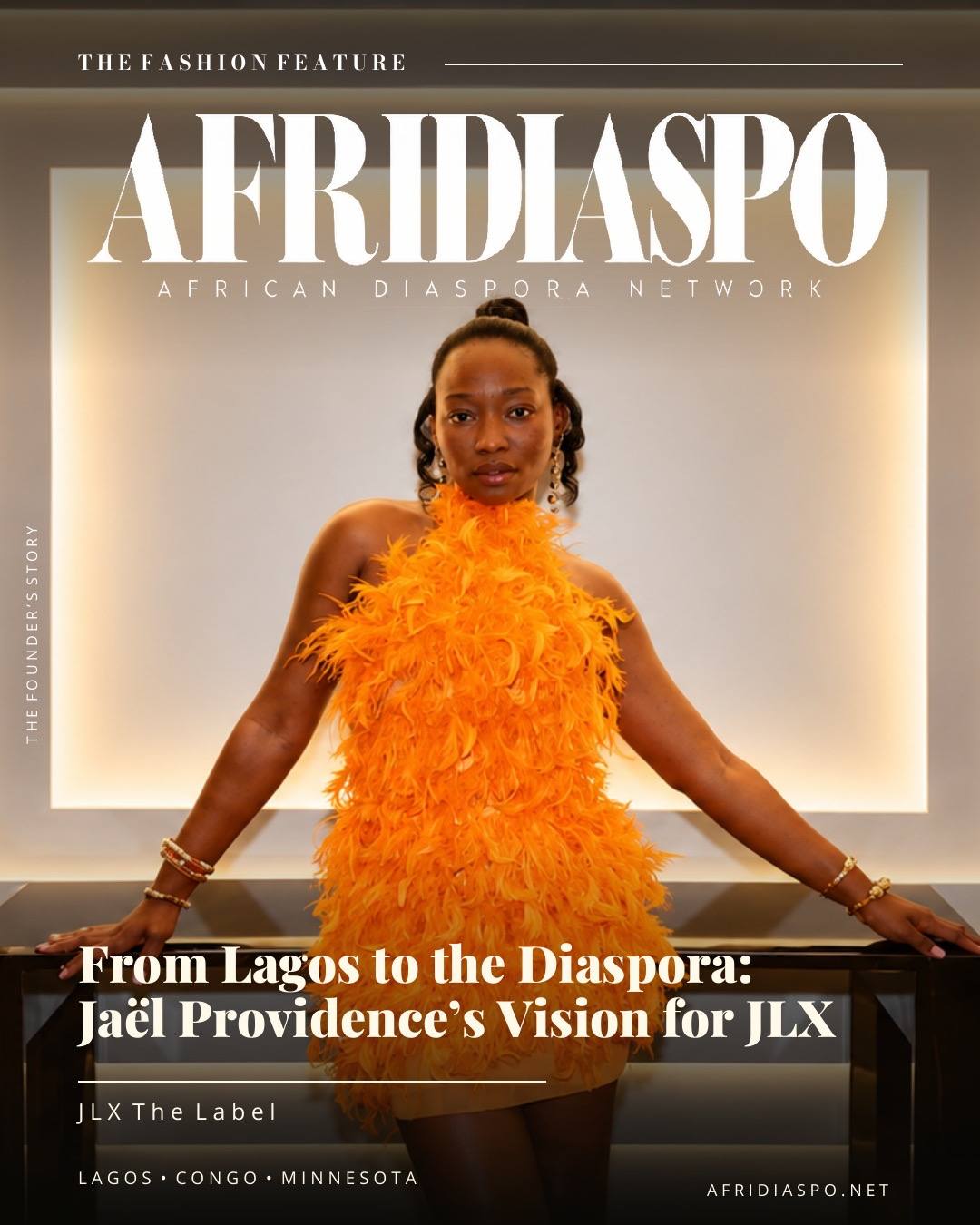
Jael Providence had made the boots for herself.
She was attending New York Fashion Week in 2019 with a friend, wearing outfits she had designed for the occasion. Among the pieces was a pair of Ankara boots that attracted attention after a show. Three or four people approached her, she recalls, asking about placing wholesale orders.
“And I was so confused because I just made that for myself,” she tells AfriDiaspo.
Until then, making clothes, accessories and shoes had been something she did alongside her other ambitions. The requests made her consider what could happen if she took the work further.
“I always knew that I wanted to do fashion, but I had no idea how I would be able to do fashion.”
She places the start of JLX around 2020. Her story includes the excitement of launching, the financial and personal pressures that later led her to close, and the decision to return with a wider vision.
When a hobby became a business
Providence was in cosmetology school when she began thinking seriously about a fashion label.
In her account, pursuing the arts sat uneasily beside familiar expectations about education and a dependable career. Fashion remained a hobby, even as she made pieces for other people.
The response to her boots offered something concrete: people were asking to buy a design she had created for her own wardrobe.
She took their contact details and returned home thinking about the possibility.
“I decided then and there that it was actually time to start the fashion label,” she recalls.
“It wasn’t anything that I planned. It just kind of happened.”
That encounter became the beginning of JLX. The harder question, which would emerge later, was how to build a business she could sustain.
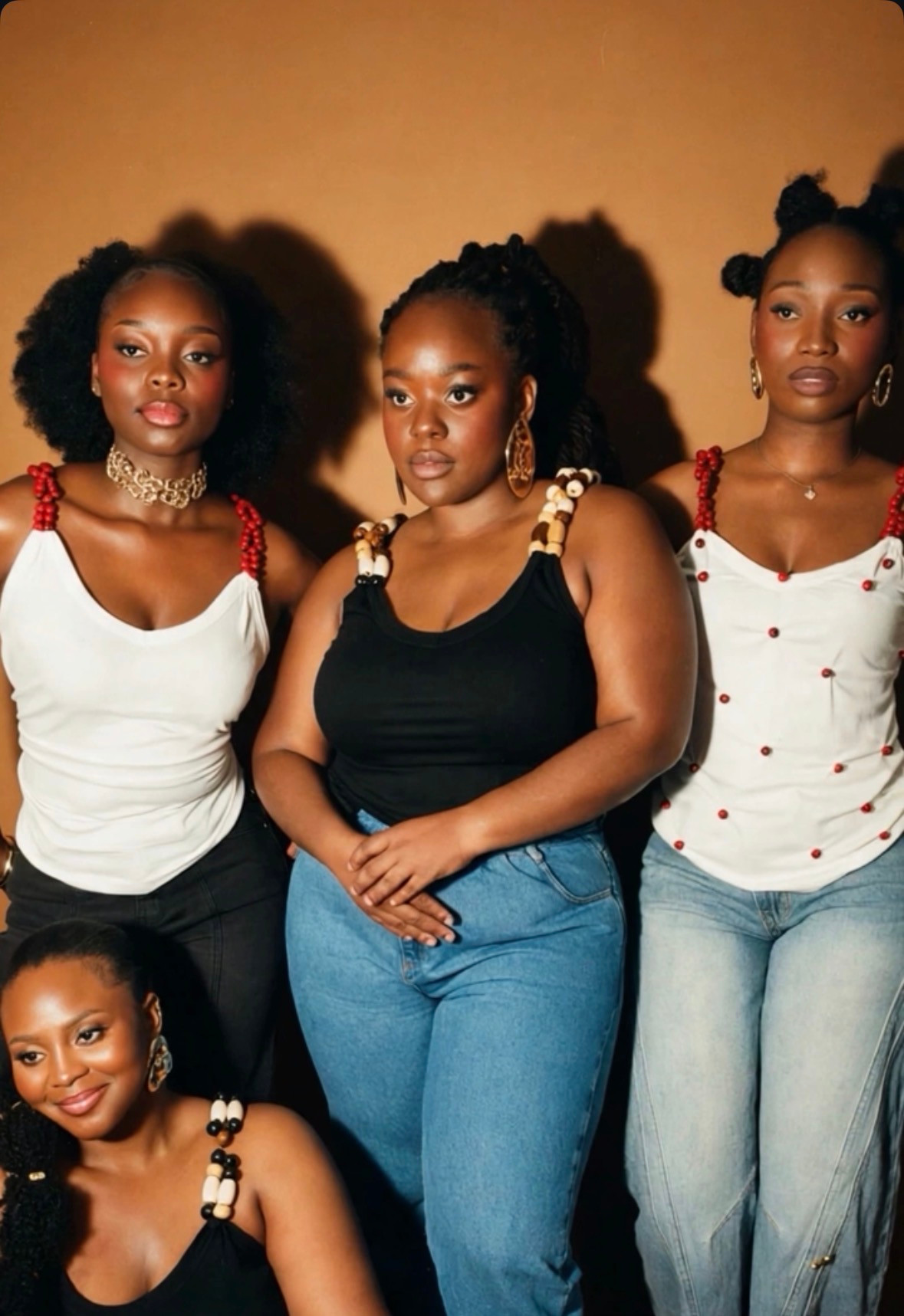
Zuri by JLX The Label, styled on two models. Image: @jlxthelabel.
Closing the business did not erase the ambition
In 2024, Providence shut the label down.
“I was going through a lot personally and also financially,” she says.
She describes needing time for herself, time to pray, and space to consider where she wanted the business to go. During 2025, she thought she might never return. She finished school and continued with her life.
Then she opened an old design journal.
“I saw that I had wrote a goal in there,” she recalls.
Inside was an early ambition for the brand’s future in Africa. Revisiting it brought her back to an idea she had recorded near the beginning of the business.
An opportunity to design in Lagos followed.
“I just took the opportunity,” Providence says.
As she connected with creatives and artisans, she began to see a different way of working, one that could bring their skills into her designs while allowing the label to develop across continents.
Building with artisans in Africa
Providence describes JLX as a business connecting women in the diaspora with creativity and craftsmanship on the continent.
Working with tailors in Lagos means she no longer has to carry every part of production herself.
“I don’t have to do all the sewing and all the work by myself,” she explains.
She also says the label sources across West Africa, with the intention of showcasing artisans’ work and contributing to the economies where they operate.
“It’s all about helping the economy of the countries over there and also showcasing the works of the artisans.”
For Providence, collaboration expands what she can make while giving her a way to build around other people’s expertise.
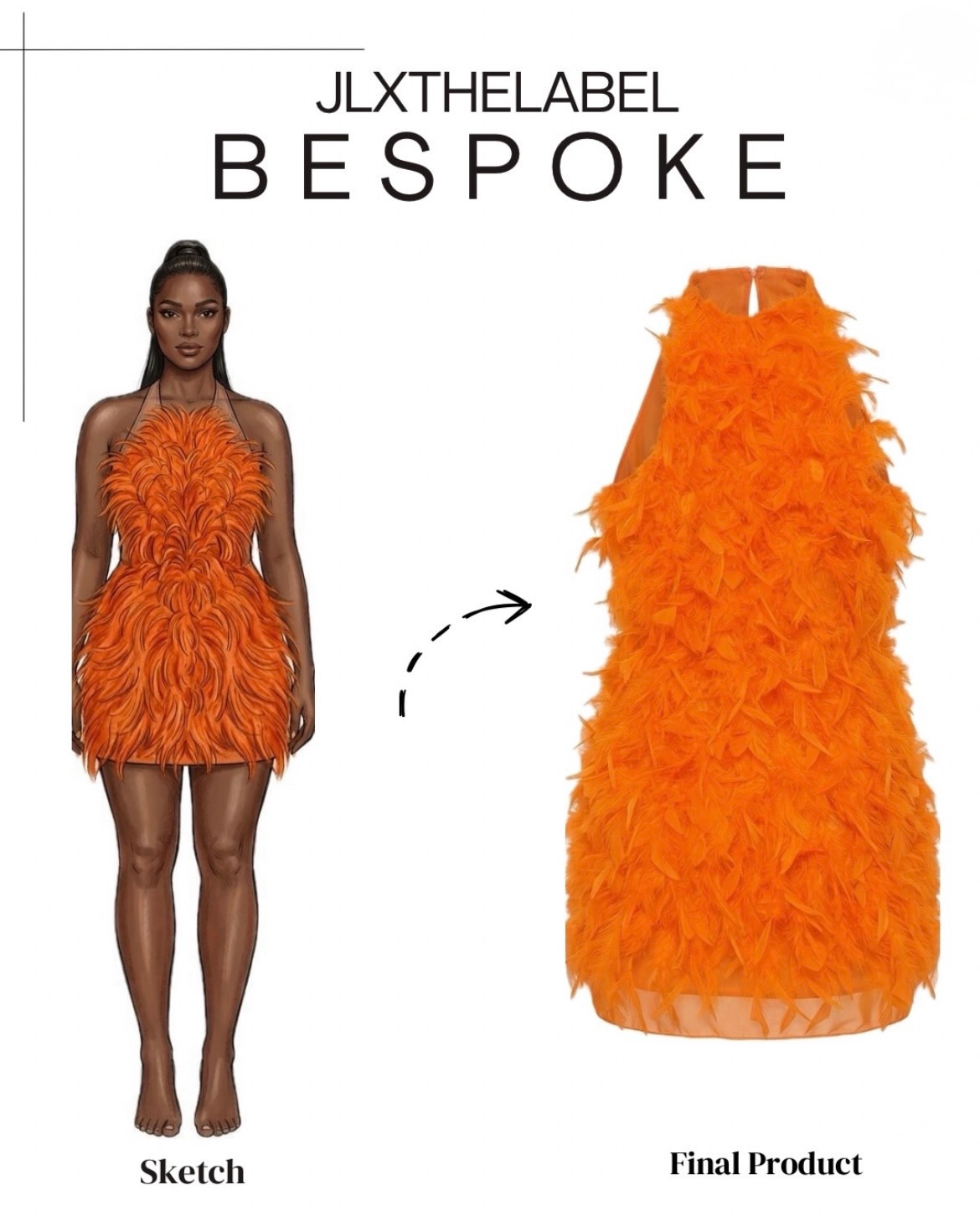
The label’s official website describes JLX as a West African luxury slow-fashion brand founded by Providence. In the interview, she describes an offering that includes ready-to-wear and made-to-order clothing, alongside a move into bespoke pieces.
Across those formats, her central interest remains the relationship between clothing, culture and the women wearing it.
Each collection carries part of the story
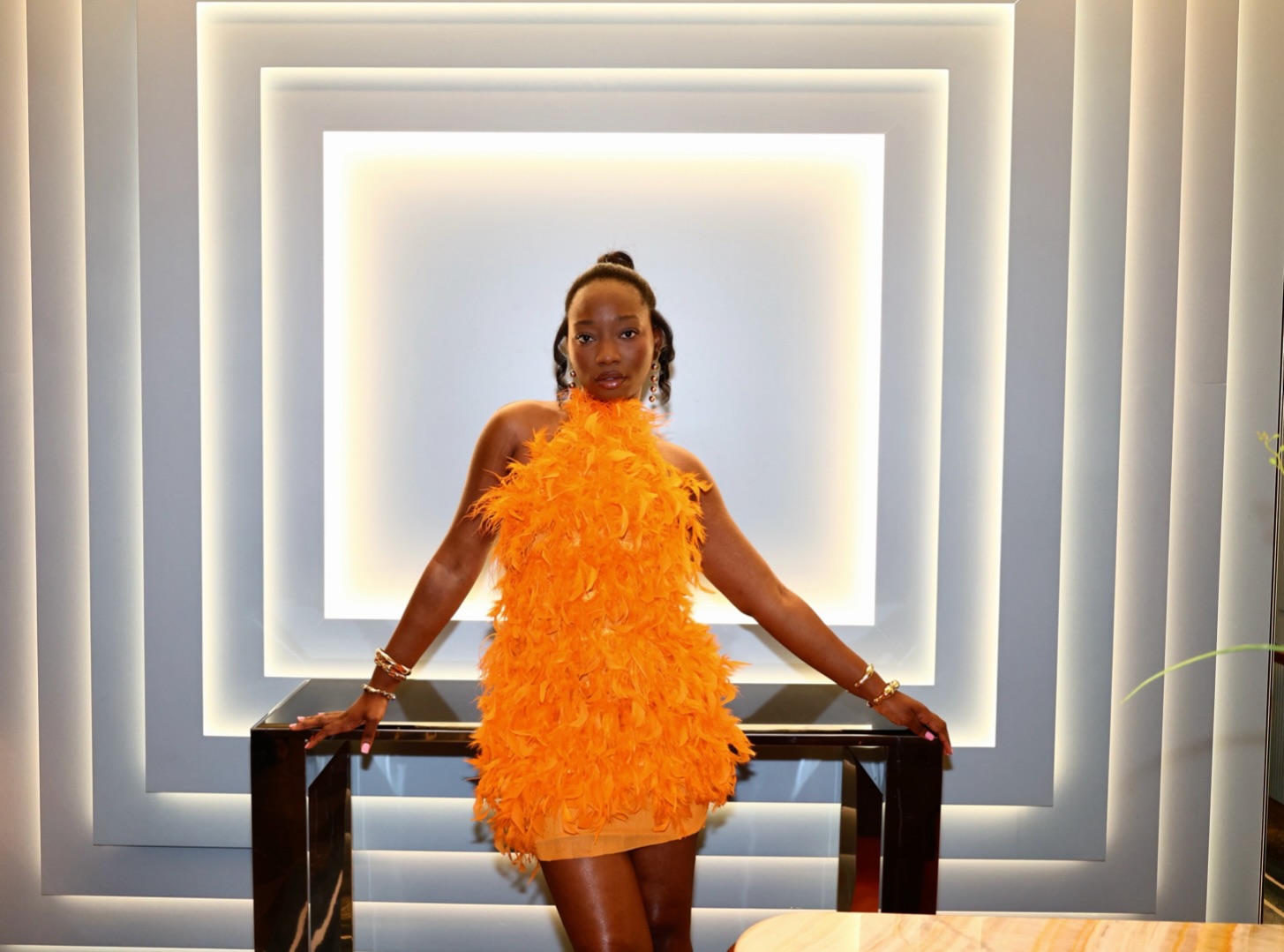
“For me, I’m a storyteller, so every collection we launch, there’s a story to it,” Providence says.
She describes her collections as connected chapters.
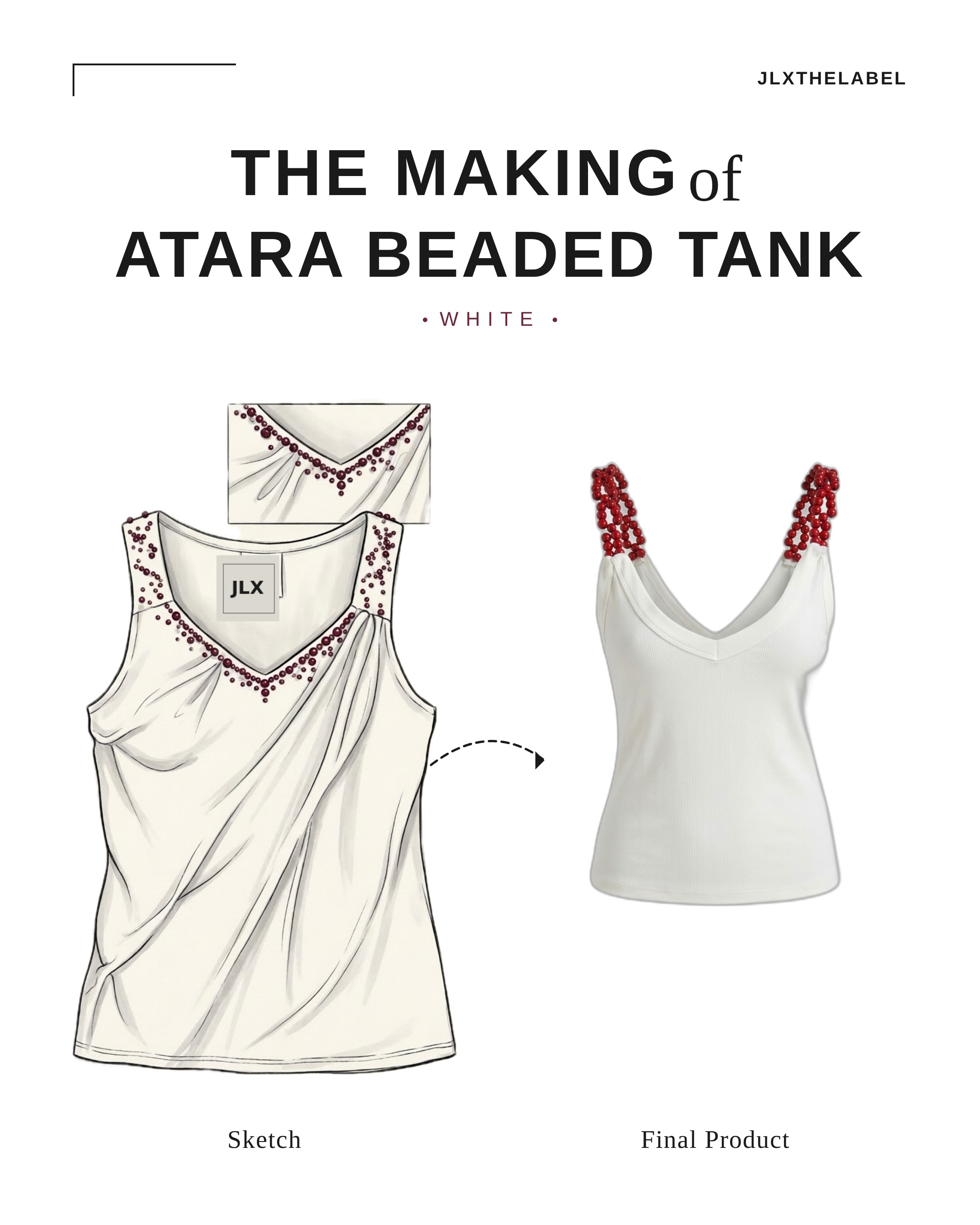
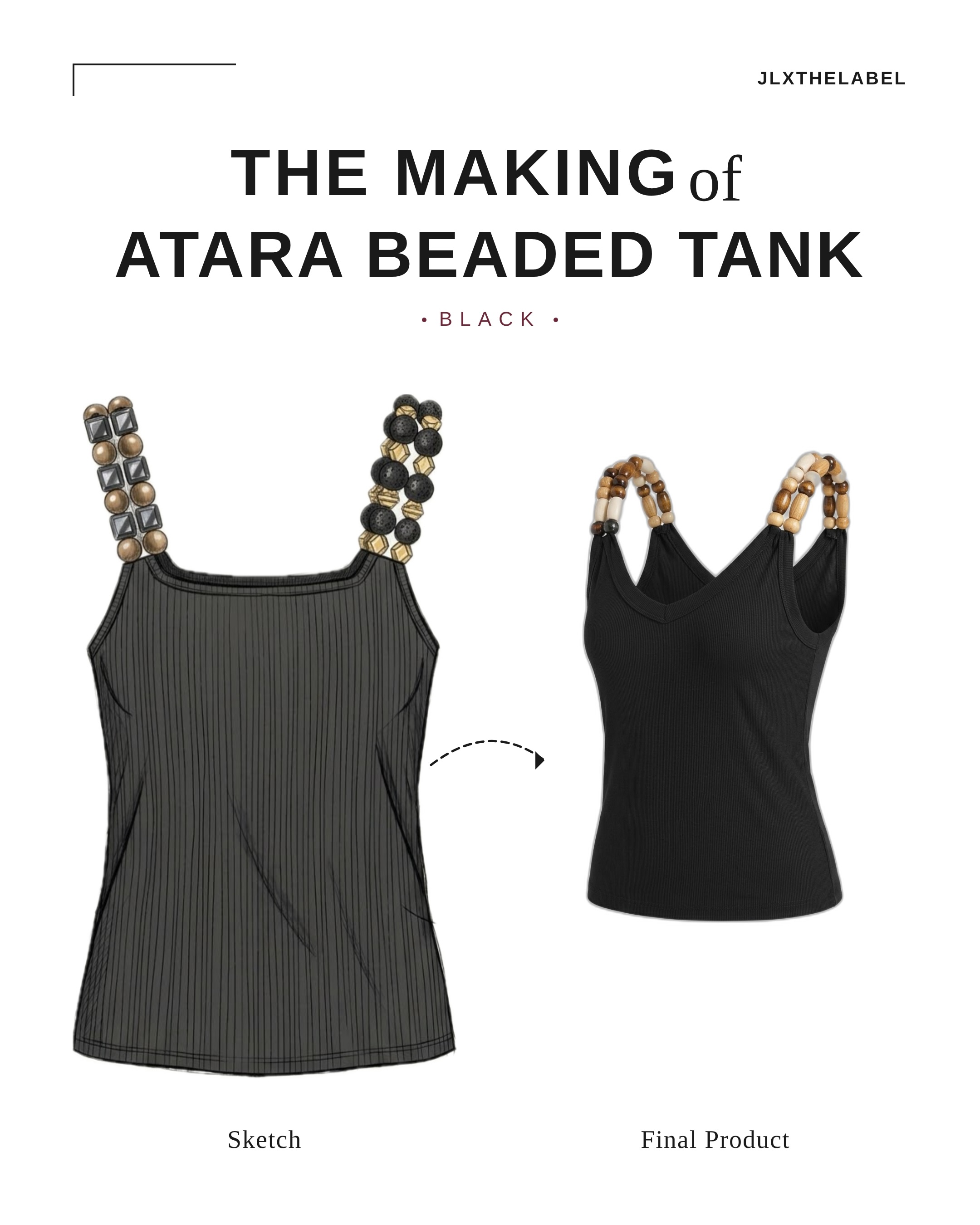
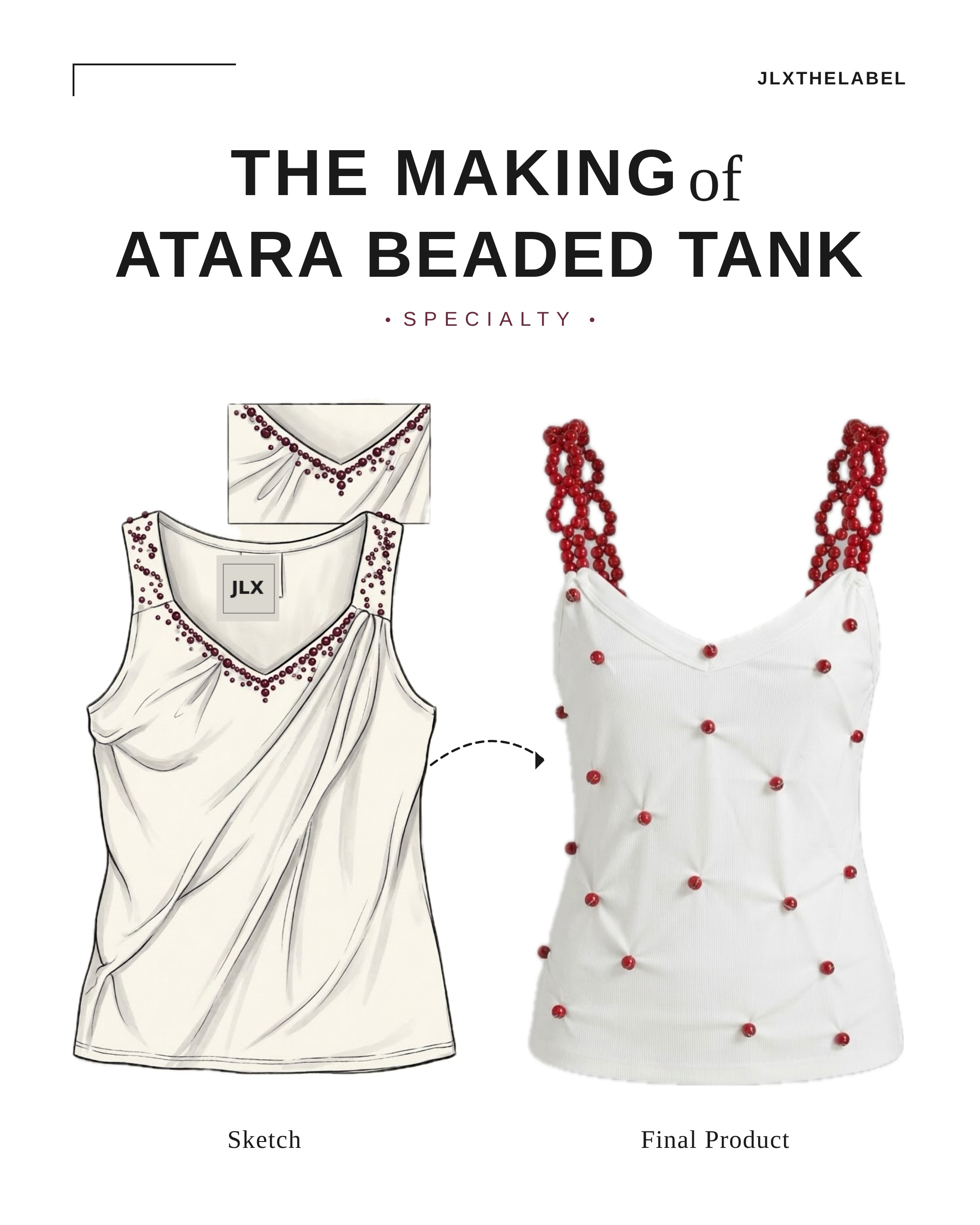
Ikigai, which she says launched in June, explores purpose and the search for a reason for being. Atara continues that journey through ideas of blessing and a crown. Heritage, the final collection in the arc she outlines, returns to the idea of home.
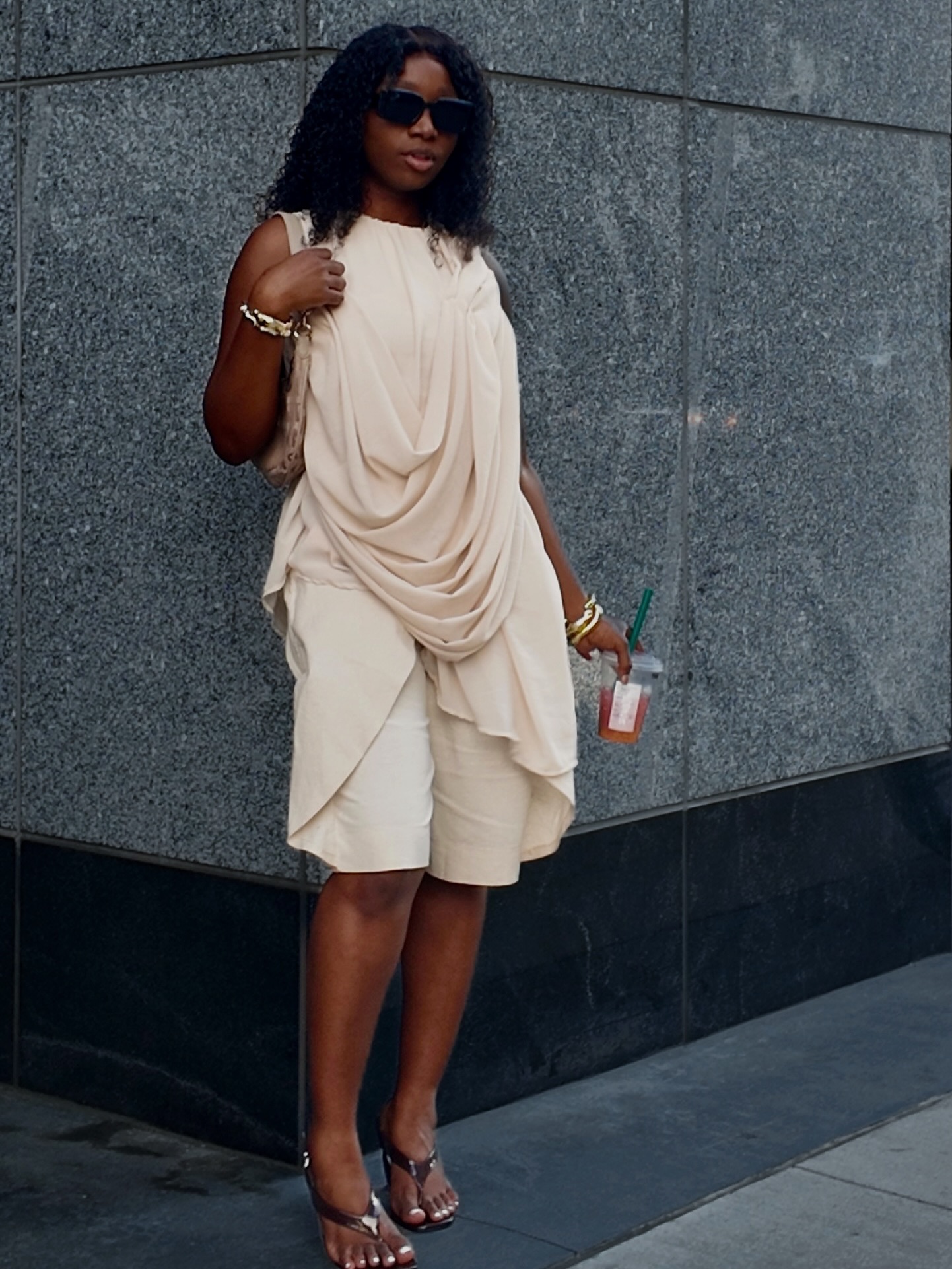
Colour helps her communicate those themes.
In her explanation of Atara, green represents cultural richness, red or maroon expresses tenacity and consistency, and white represents purity. She connects black in the clothing with women in the diaspora.
These meanings give the collections a narrative beyond their individual garments. They also reflect the questions running through her own account: what she wants to create, where she belongs, and how to keep going after a difficult period.
The lesson she wishes she had learned sooner
Asked what she would do differently, Providence returns to the importance of other people.
“I wish I had reached out to more people,” she says. “I wish I had listened to the stories of others before me.”
She believes listening earlier to people with experience could have helped her avoid some of the financial difficulties she encountered. She wishes she had asked more questions, heard more stories and put herself forward.
Now, she says, she is doing that.
She describes receiving help from people she did not previously know, including people who want to see Black and African women succeed.
“There are people that truly want to see Black women, African women, win,” she says. “And I’m so grateful for that.”
She also credits her family, particularly her sisters and father, for continuing to support her and the business.
“I’m grateful for my village,” Providence says, acknowledging the people who believe in her vision and continue to encourage her.
A commitment to women in Eastern Congo
Providence wants the business to support women beyond its customer base.
Beginning with Atara, she describes a commitment to donate 10 per cent of the collection’s revenue to the Eastern Congo Initiative. She says she chose the organisation because of its support for women affected by conflict, particularly its work helping women provide for themselves.
“They help them in a way that gives them dignity,” she says.
The brand’s website also states its Atara-season commitment to the initiative. Providence intends to continue choosing charitable causes as the label develops.
“Moving forward, 10% of our revenue for each collection will be donated to a charity of choice,” she says.
She invites people to participate through the clothes and through direct support.
“You can support this vision by ordering our clothes or also just going on our website,” she explains. “We have information on how to donate.”
Bringing the continent and the diaspora together
When Providence looks ahead, she sees JLX becoming a household name in Africa, America and beyond. At the centre of that ambition is a connection she wants the label to strengthen.
“JLX is going to be the bridge between the women on the continent and the diaspora,” she says.
She describes worldwide shipping and a dedicated shopping option for customers on the African continent. For supporters in Minnesota, she also extends an invitation to meet the brand in person.
In the interview, Providence announces a November 21 pop-up in Minnetonka, with other vendors, food and music. The brand’s website lists the Minneapolis-area pop-up for November 21, 2026, with further details available through JLX The Label’s social channels.
“Come out, it’s going to be a good time,” she says. “Let’s just have a girls’ night.”
Her plans keep returning to people: the artisans whose work contributes to the clothes, the community helping her rebuild, the women she hopes to support, and those she wants to bring together through JLX.
Developed from Jael Providence’s supplied ADN interview footage and separate audio recordings. Quotation punctuation has been lightly edited for readability.