Fuel Market Turbulence Hits African Airlines Hard Amid Global Energy Shock
— Anita okhipo
African airlines are facing rising costs as global fuel prices surge due to Middle East tensions. Heavy reliance on imported jet fuel makes the continent particularly vulnerable, forcing airlines to raise fares and add surcharges. The crisis threatens travel affordability, airline profitability, an…
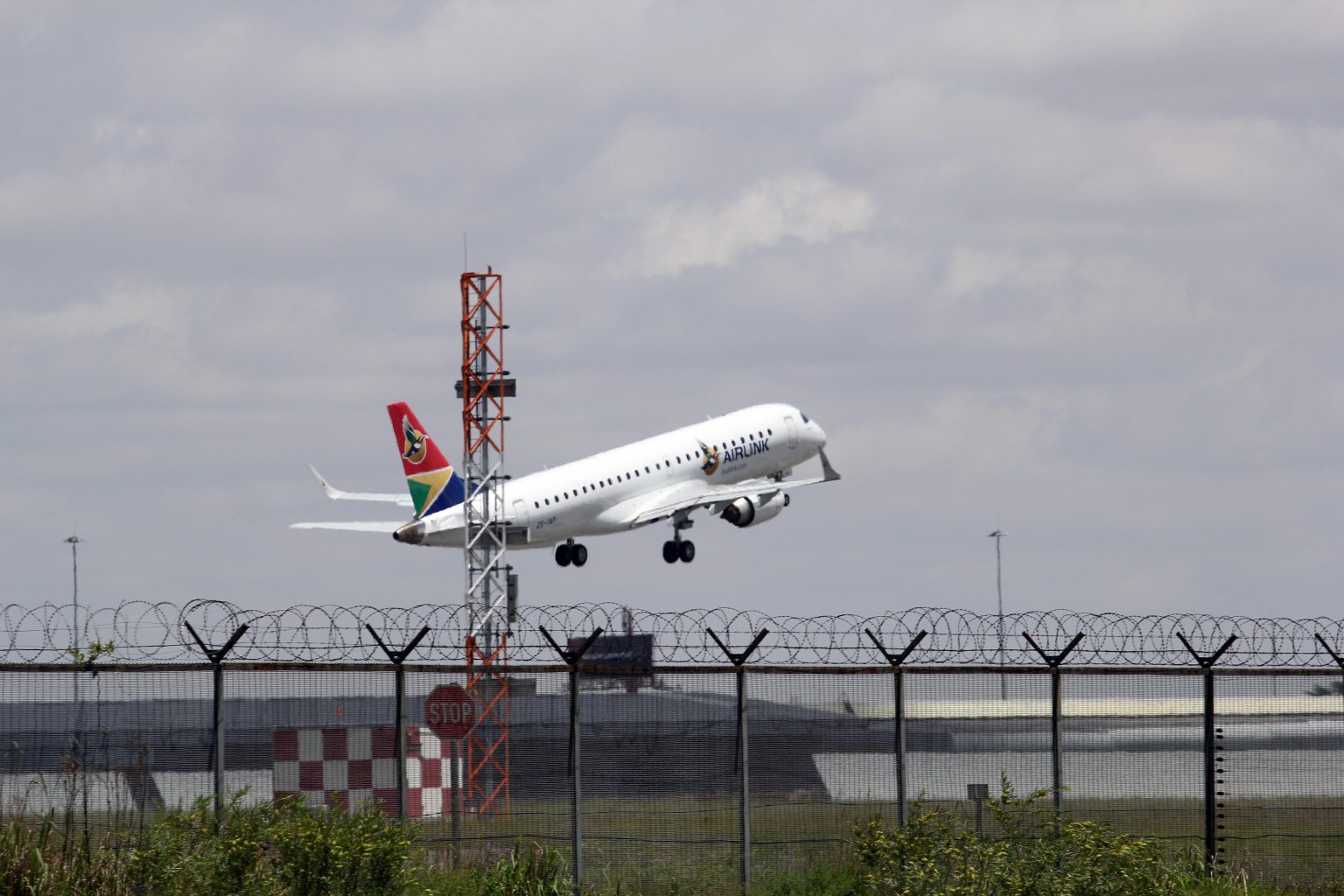
NAIROBI / JOHANNESBURG / ADDIS ABABA — Imagine standing at the check-in counter, ready for a long-awaited family reunion or a critical business deal, only to find a new “emergency surcharge” added to your ticket. This is no glitch. It is the new reality across Africa. Since the escalation of conflict in the Middle East on February 28, 2026, African aviation has been pushed into a tailspin — caught between a global fuel shock and a fragile local supply chain that was already under pressure.
A Crisis Felt Overnight
The impact became undeniable on March 12, 2026, when airlines like FlySafair and South African Airways (SAA)confirmed what many feared. Jet A1 fuel prices at coastal airports surged by up to 70% in just one week.
Across West Africa, the situation is even more severe. In Nigeria, jet fuel prices jumped nearly 80%, reaching ₦1,835 per liter a sharp increase now directly affecting airline operations and passenger costs. This turbulence is not in the air. It is at the pump and it is hitting passengers immediately.
The Global Trigger: A Choked Supply Route
At the center of the crisis is the Strait of Hormuz, one of the world’s most critical oil routes.
Due to ongoing conflict, tanker traffic through this narrow passage has reportedly dropped by as much as 80%, disrupting global fuel supply chains.
For Africa, the impact is direct and severe: About 70% of the continent’s jet fuel imports pass through this route Many countries rely on “just-in-time” fuel delivery systems Some nations have only weeks of aviation fuel reserves When shipments slowed, a continental shortage became inevitable.
Africa Among the Hardest Hit
While this is a global crisis, Africa is facing a deeper strain. Fuel typically accounts for about 20% to 25% of airline costs globally. In Africa, it can reach 30% to 55% — and even higher for low-cost carriers. For airlines like FlySafair, fuel alone can consume more than half of total revenue. Combined with limited refining capacity and heavy reliance on imports, African carriers are far more exposed to sudden price spikes than their global counterparts.
Airlines Respond: Survival Mode Activated
To stay operational, airlines are making urgent adjustments:
Transparent Surcharges
Airlines are now openly adding fuel surcharges to tickets, passing costs directly to passengers.
Capacity Cuts
Carriers like Kenya Airways have warned they may reduce or cancel routes if supply conditions do not improve.
Fuel “Tankering”
Some airlines are instructing pilots to carry extra fuel from regions where it is cheaper or more available, avoiding high-cost refueling stops in Africa.
At the same time, ticket prices are rising across the continent, making travel less affordable for millions.
Operational Strain and Financial Losses
The financial pressure is already visible. Ethiopian Airlines has reported losses of up to $13.5 million per week after suspending certain routes linked to high-risk or high-cost regions. Fuel shortages and low reserves are also raising concerns about possible disruptions in flight schedules if the situation worsens.
A Global Crisis with Local Consequences
Airlines worldwide are adjusting raising fares, cutting capacity, and rerouting flights. But African carriers face additional challenges: Limited financial buffers Minimal fuel hedging strategies. Higher operational risks This makes the continent more vulnerable to prolonged instability in global energy markets.
Impact on Travelers and Trade
The ripple effects are already spreading beyond airlines. Airfares are increasing across major routes. Travel demand may decline as costs rise Cargo and logistics networks could face delays
Tourism and regional trade may slow Aviation is a backbone of Africa’s economy. Any disruption affects not just travel, but business, investment, and connectivity.
A Wake-Up Call for Energy Independence
This crisis is exposing a deeper issue, Africa’s dependence on external fuel supply chains.
Relying on a single volatile route for the majority of aviation fuel has left the continent vulnerable to distant geopolitical events. Experts say long-term solutions must include: Investment in local refining capacity Development of strategic fuel reserves Diversification of supply routes Until then, Africa’s aviation sector remains tied to global uncertainties.
What Travelers Should Expect
For now, travelers across Africa should prepare for: Higher ticket prices Additional fuel surcharges Possible flight delays or cancellations The advice is simple:
Book early, monitor your flights, and expect changes.
An Industry at a Crossroads
As geopolitical tensions continue and fuel markets remain unstable, African airlines are navigating one of their most challenging periods in recent history. For now, the priority is survival. But for the future, the lesson is clear: Africa’s connectivity — and economic growth — cannot depend on fragile global supply chains.
| Airline | Response Status |
| South African Airways (SAA) | Adjusting airfares but honoring tickets purchased before March 12. |
| Ethiopian Airlines | Reporting losses of approx. $137 million per week due to the conflict. |
| FlySafair | Implementing an itemized "temporary fuel surcharge" for transparency. |
| Kenya Airways | Warning of potential flight cancellations if supply does not stabilize by May. |
Fuel Market Turbulence Hits African Airlines Hard Amid Global Energy Shock