Ghana Cuts Fuel Exports as Domestic Demand Tightens Supply
— Afridiaspo Editorial Desk
Ghana’s BOST Energies has reduced fuel exports to Burkina Faso and Mali to protect domestic supply as regional energy pressure grows.
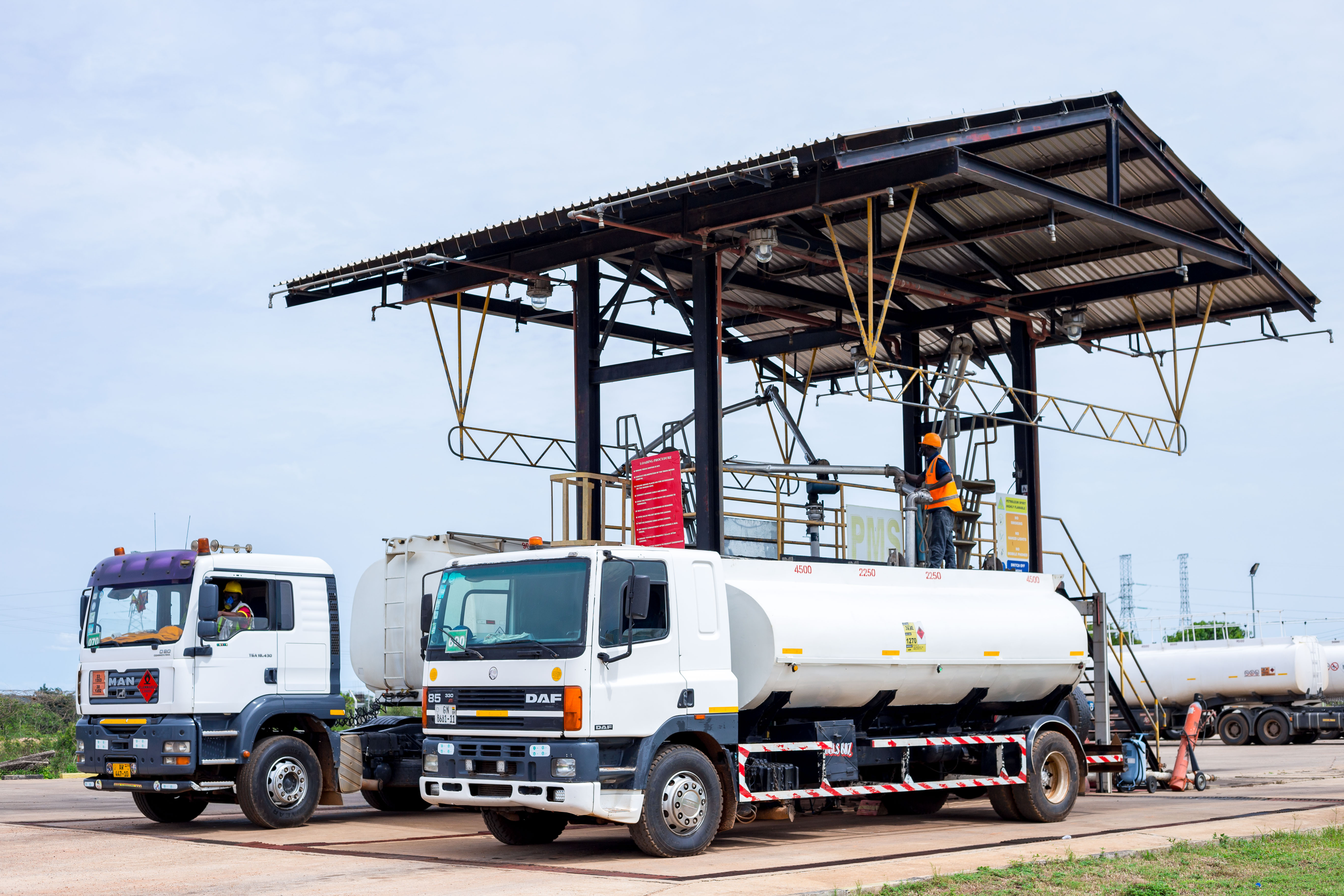
ACCRA — Ghana’s state-owned BOST Energies has reduced diesel and gasoline exports to Burkina Faso and Mali as it works to protect supply for the domestic market.
The company has curtailed shipments since August. Burkina Faso received 40,000 metric tons from the 80,000 tons it requested for July and August, while Mali received 10,000 tons after seeking substantially more.
BOST plays a central role in Ghana’s fuel-storage and distribution system and controls roughly 30% of the domestic market. The company says stronger local diesel demand and wider pressure on global energy supplies have forced it to place Ghanaian customers first.
Why the Sahel is exposed
Burkina Faso and Mali are landlocked and rely on coastal corridors for much of their fuel. Ghana and Côte d’Ivoire are important gateways, so even a temporary reduction in supply can affect transport companies, farms, factories and households far beyond the border.
Fuel shortages can move rapidly through an economy. Higher diesel costs raise the price of transporting food and goods, while limited gasoline supply can restrict mobility and business activity. The timing is especially important during harvest periods, when freight demand increases.
Ghana’s balancing act
Ghana must protect its own market without weakening commercial relationships with neighbouring countries. BOST is also planning new infrastructure, including an LPG terminal in Tema and additional storage facilities, to strengthen the country’s ability to manage future shocks.
Why it matters: The cuts show how closely West African economies are connected. A supply decision in Ghana can quickly influence transport, food prices and business conditions across the Sahel.
Source: Reuters. Featured image: BOST Energies.