Ghana’s Diaspora Waited 20 Years to Vote From Abroad — It’s Finally Happening
Ghana is finally implementing voting rights for its diaspora after a 20 year delay, The move recognizes the economic and social impact of Ghanaians abroad, It could inspire wider political inclusion across Africa.
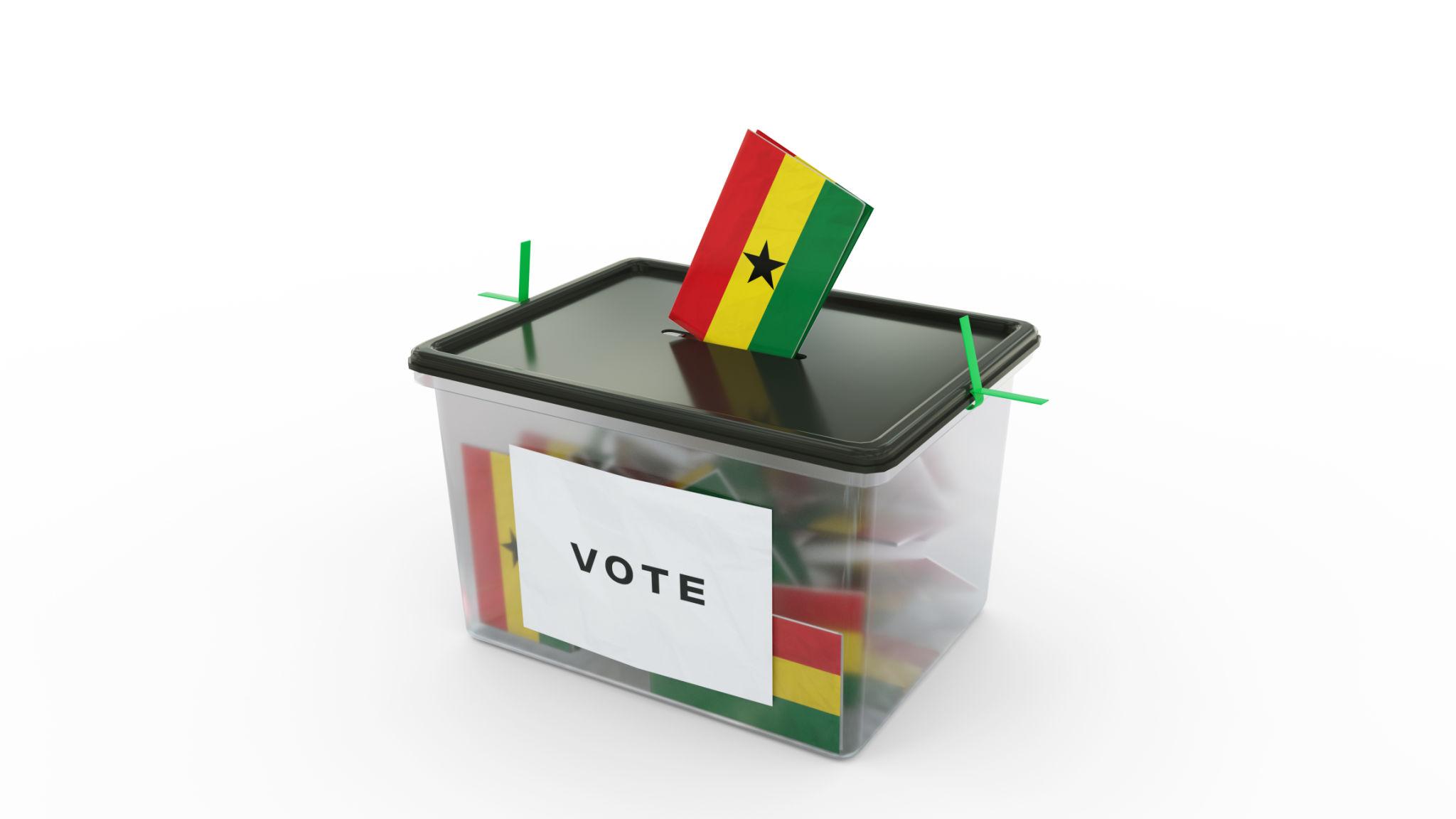
For over two decades, millions of Ghanaians living abroad have remained politically connected to home, yet unable to fully participate in one of the most important democratic rights. Voting. Now, after years of delays, legal battles, and policy discussions, that long wait is finally coming to an end.
What is happening is the implementation of external voting rights for Ghanaians in the diaspora, a policy rooted in the Representation of the People Amendment Act passed in 2006. The law was designed to allow citizens living outside Ghana to vote in national elections, but for years, it remained largely unfulfilled in practice.
Why did it take so long. The delay has been driven by logistical challenges, political disagreements, and questions around implementation. Organizing elections across multiple countries, ensuring voter verification, and maintaining election integrity required systems that were not immediately available at the time the law was passed.
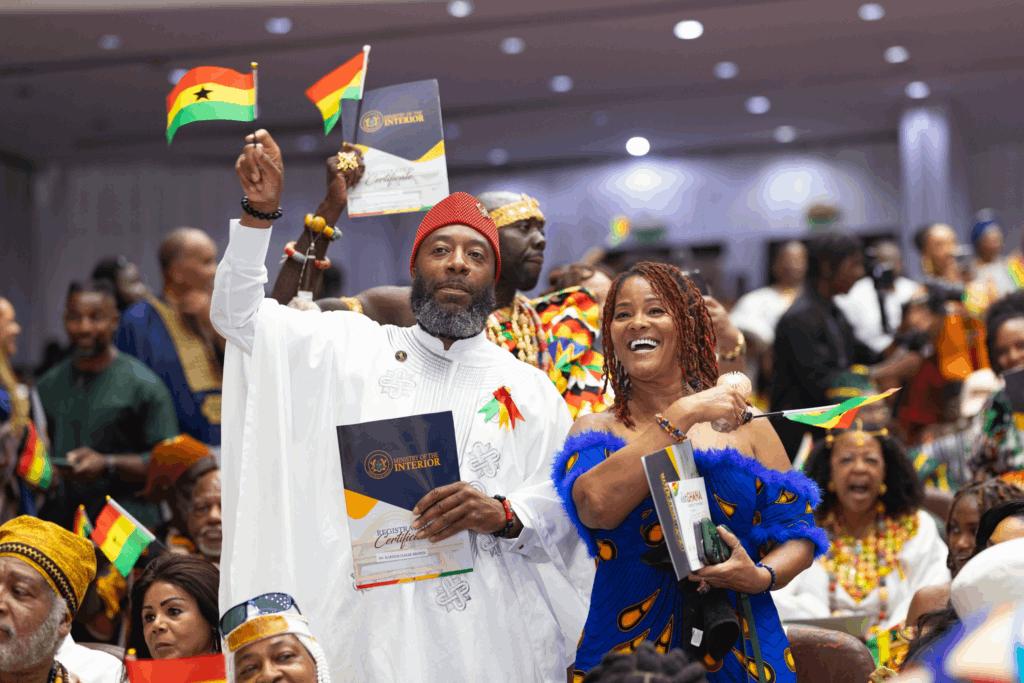
Now, the Electoral Commission of Ghana is moving forward with concrete steps to operationalize diaspora voting. This includes registration processes at embassies and consulates, along with plans to manage ballots in a way that aligns with Ghana’s domestic electoral framework.
Who benefits from this shift. The Ghanaian diaspora is one of the most economically powerful communities connected to the country, contributing billions of dollars in remittances each year. Allowing them to vote is not just symbolic. It acknowledges their role in shaping the nation’s economy and future.
How will the system work. Early phases are expected to begin with limited rollout, focusing on major diaspora hubs such as the United States, the United Kingdom, and parts of Europe. Voting may take place at embassies or designated centers, with systems designed to ensure transparency and credibility.
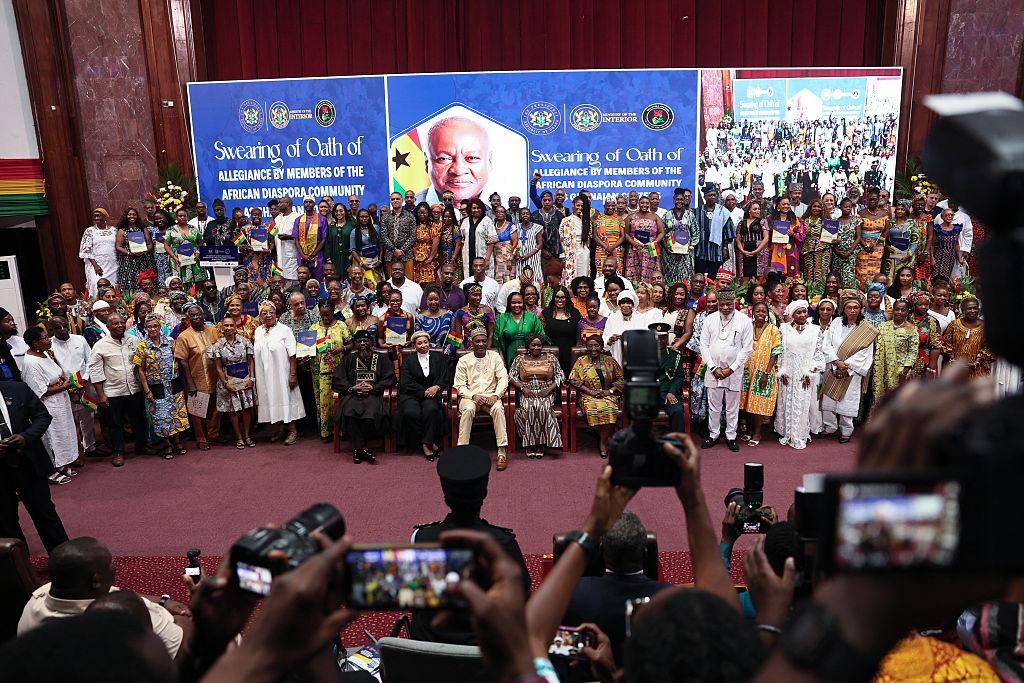
The significance goes beyond Ghana. Across Africa, diaspora communities often play a critical role in national development, yet many remain excluded from political participation. Ghana’s move could set a precedent for other countries considering similar reforms.
There are still challenges ahead. Questions remain about accessibility, cost, and whether all diaspora citizens will be able to participate equally. There are also concerns about how results from abroad will be integrated into national outcomes without controversy.
What makes this moment powerful is timing. As global migration increases and African diasporas grow in influence, the connection between citizenship and geography is being redefined. Voting from abroad is becoming less of a privilege and more of an expectation.
In the end, this is about belonging. For many Ghanaians abroad, voting is not just about politics. It is about identity, voice, and staying connected to home. After twenty years, that connection is finally being recognized in a meaningful way.
Ghana’s Diaspora Waited 20 Years to Vote From Abroad — It’s Finally Happening