India Ships Rice to Africa as It Quietly Secures Access to Critical Minerals
India is sending rice to Africa while quietly pursuing access to key minerals. The strategy combines humanitarian aid with long-term economic positioning. Africa stands to gain investment—but must protect its resource value and leverage.
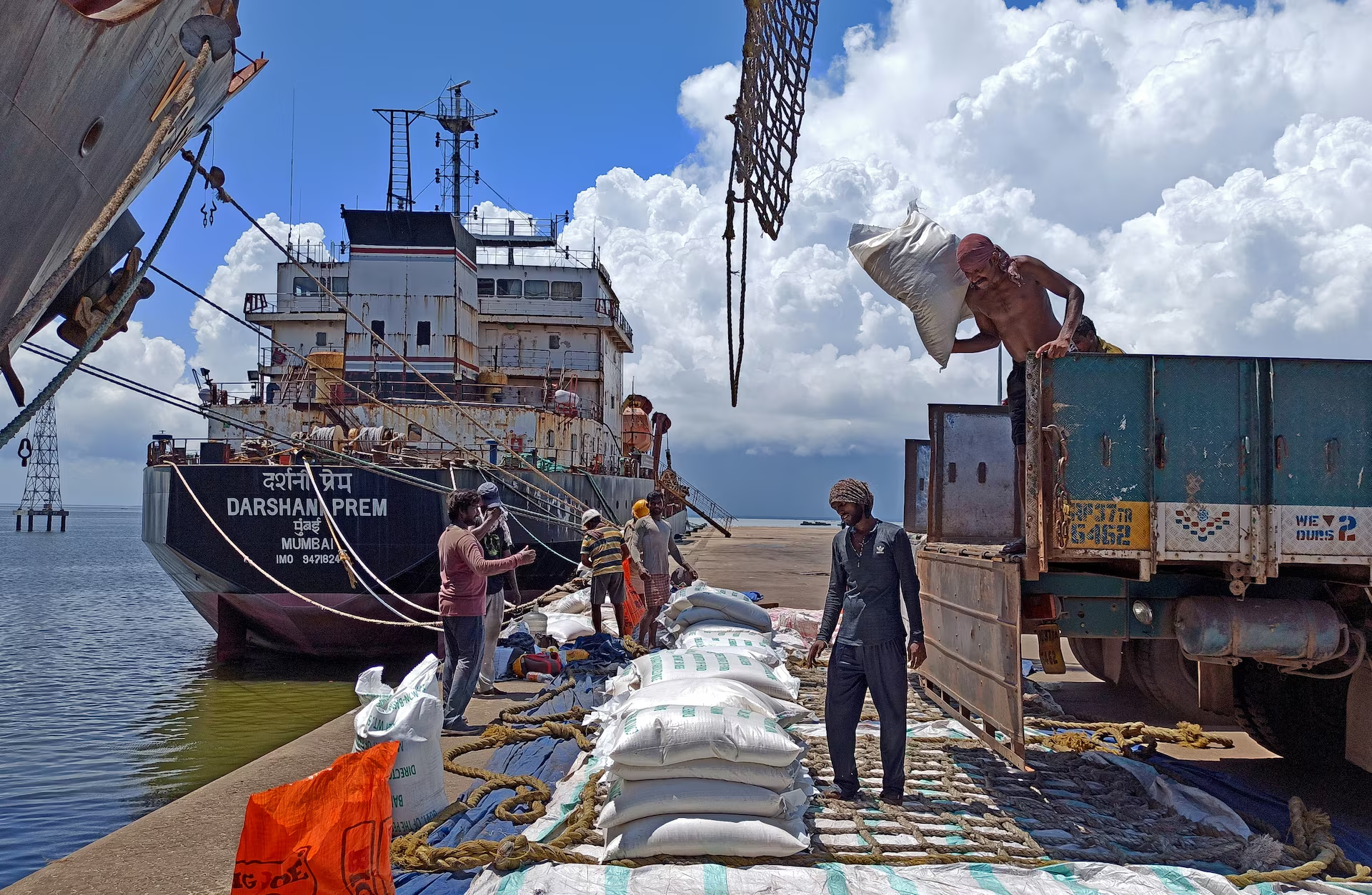
A new wave of diplomacy is unfolding between India and African nations, blending humanitarian support with strategic economic interests. Recent shipments of rice to several African countries have sparked global attention, as analysts point to a deeper play for access to the continent’s vast mineral wealth.
At the center of this strategy is Narendra Modi, whose government has intensified outreach to Africa through food aid, trade partnerships, and development agreements. While the rice shipments address immediate food security concerns, they are also opening doors for long-term resource negotiations. Africa is home to some of the world’s most valuable untapped minerals, including lithium, cobalt, and rare earth elements—critical for electric vehicles, renewable energy, and global tech supply chains. Countries like Democratic Republic of the Congo, Zambia, and Zimbabwe are already key players in this space.
The timing is no coincidence. As global competition for these minerals intensifies, major powers—including China, the United States, and the European Union—are racing to secure stable supply chains. India is now positioning itself as a serious contender in this high-stakes geopolitical contest.
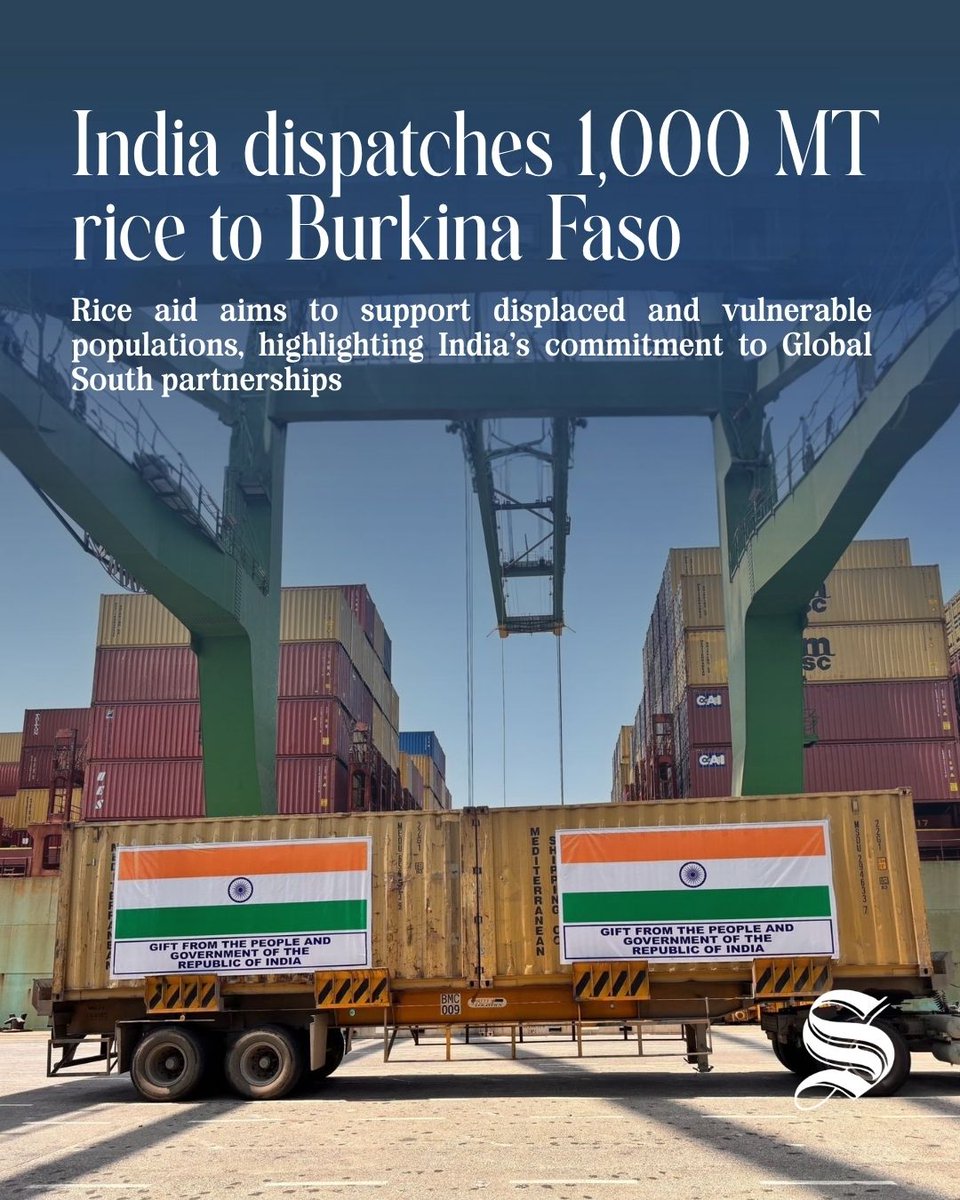
By offering rice exports—especially at a time when global food prices remain volatile—India is strengthening goodwill and building trust with African governments. For many nations facing food shortages or inflation pressures, these shipments provide immediate relief while deepening diplomatic ties.
Behind the scenes, discussions are reportedly focusing on mining rights, joint ventures, and long-term supply agreements. India’s approach is being seen as more partnership-driven, emphasizing shared growth, infrastructure development, and local value addition rather than purely extractive deals. For Africa, this presents both opportunity and caution. Increased interest from global powers can drive investment, job creation, and infrastructure development. However, it also raises questions about resource control, fair pricing, and whether African countries will retain long-term value from their natural assets. The strategy reflects a broader shift in global geopolitics, where food, energy, and minerals are becoming deeply interconnected. Nations are no longer engaging in isolated trade deals—they are building multi-layered relationships that combine aid, diplomacy, and economic influence. As India deepens its footprint across Africa, the coming years will determine whether this model leads to mutual growth or reinforces existing global patterns of resource competition. One thing is clear: Africa is no longer on the sidelines—it is at the center of the world’s economic future.
India Ships Rice to Africa as It Quietly Secures Access to Critical Minerals