Inside South Africa’s Marches Nigerians Targeted as Old Tensions Explode Again
Nigerians and other migrants are being targeted in new marches across South Africa. The situation is driven by economic pressure unemployment and long standing xenophobia. The Igbo chief story is unverified and not the root cause

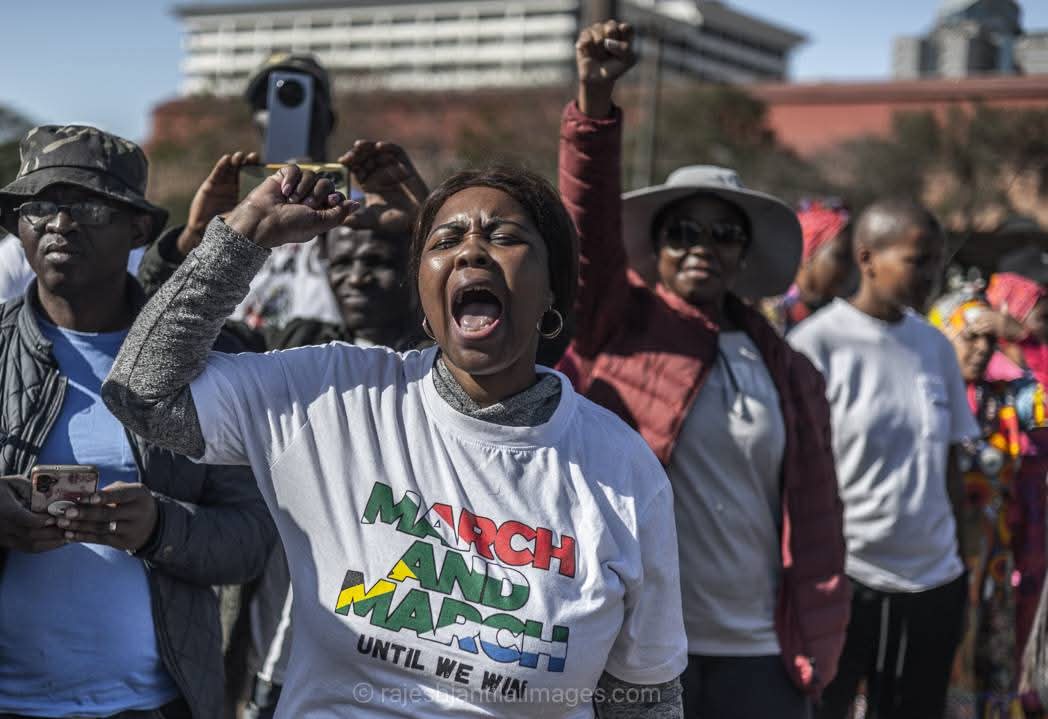
A new wave of marches and anti immigrant protests is unfolding across parts of South Africa, once again placing Nigerians and other African migrants at the center of a long running tension. While social media has pointed to a specific incident claims that Nigerians crowned an Igbo man as a chief, the deeper reality is far more complex and rooted in years of unresolved economic and social pressure.
What is happening is not a single incident but a continuation of xenophobic movements, with groups like Operation Dudula organizing marches aimed at removing undocumented immigrants and limiting foreign participation in local economies. These protests often escalate quickly, moving from demonstrations into intimidation of foreign owned businesses.
At the center of the movement today is Zandile Dabula, who has taken on a prominent leadership role, continuing the momentum started by earlier figures like Nhlanhla Lux Dlamini. Under this leadership, the movement has expanded beyond isolated protests into a more structured campaign across multiple regions.

The viral claim about an Igbo man being crowned chief has added fuel to the situation, but there is no widely verified evidence that this event directly triggered the protests. Instead, it appears to be one of many narratives circulating online that amplify existing tensions rather than create them.
Why does this keep happening. The answer lies in South Africa’s economic reality. The country faces extremely high unemployment, especially among young people. In this environment, foreign nationals particularly Nigerians, Zimbabweans, and Somalis are often blamed for job scarcity, crime, and business competition.
For Nigerians living in South Africa, the impact is immediate and personal. Many operate small businesses in townships and urban centers, making them visible and vulnerable during unrest. Reports of intimidation, looting, and fear have led some Nigerians to consider returning home, with previous waves of violence already forcing evacuations.
The situation is not new. South Africa has experienced multiple waves of xenophobic violence in 2008, 2015, and 2019, each triggered by similar economic frustrations and political rhetoric. These repeated cycles suggest a systemic issue, not a temporary conflict.
The deeper problem is about identity and belonging within Africa itself. Despite calls for African unity and free movement across the continent, tensions like these reveal unresolved questions. Who has the right to opportunity. Can Africans truly move and settle freely within Africa without conflict.
What makes this moment different is the role of social media amplification. Narratives whether true, exaggerated, or false spread rapidly, intensifying emotions on both sides. This creates a situation where perception can become as powerful as reality.
The outcome remains uncertain. While governments may intervene diplomatically, the long term solution lies in addressing economic inequality, strengthening institutions, and reshaping how African nations approach migration within the continent. Until then, these marches are likely to remain a recurring feature of a much larger issue.
Inside South Africa’s Marches Nigerians Targeted as Old Tensions Explode Again