From Lagos with a Lifeline: How a Cold Email Helped Build Fat Beehive’s Nigerian Team
— Afridiaspo
Who Fat Beehive is, what it builds for charities, and how Joshua Udezuka’s cold email led to a role in its growing Lagos team.

Before Joshua Udezuka appeared on the team page of a British digital agency, he was trying to make a place for himself in Lagos. In a letter shared with Afridiaspo, Joshua, who says he is 29, describes volunteering at Anchorsoft Academy to learn Python, managing grease production for his family's business in the Aspanda market, and helping with logistics at his mother's provision shop.
Portrait of Joshua Udezuka: supplied to Afridiaspo. Photographer credit and publication rights are pending editorial confirmation.
The work supported his family. He wanted a route into technology, too. So he began emailing chief executives at UK tech companies to ask about remote work. Almost no one answered. Marcus Watson, chief executive of Fat Beehive, did—but initially had no job for him. Joshua says they kept in touch.
That small connection mattered when Fat Beehive reconsidered how it served its clients. The London-based agency, incorporated in 1998, builds digital services for charities and other purpose-led organisations. In July 2024, it recruited its first account manager in Lagos. Fat Beehive says hiring for those roles in London and Manchester had become difficult; Joshua says Watson approached him about the opening the month before.
Who Fat Beehive is—and what it builds

Fat Beehive was set up by Tom Moreton in 1998 to make websites for charities and organisations working for social good. The company says its first client was the fair-trade business Cafédirect. Moreton remains listed as founder and chief client officer; Marcus Watson is its chief executive. The agency says it has worked with more than 500 charities over its history, a company-reported figure rather than an independently audited count. Its account of its history and its current team roster show the organisation Joshua joined.
Its business is specific: digital strategy and research, branding, accessible website design and development, optimisation, managed hosting and ongoing support for charities, NGOs and ethical organisations. In a War Child case study, Fat Beehive describes redesigning a site so visitors drawn by the charity’s music and gaming work could find ways to support its mission. Its public portfolio also spans health, environmental protection and community organisations. These examples explain why account managers, designers and developers all matter to the same client relationship.
That service model gives the Lagos expansion its significance. A charity may need a new platform built and then reliable responses when its site changes, a campaign launches or supporters need help finding information. Fat Beehive’s account managers work with clients while technical and creative teams deliver the work. The Nigerian hiring was therefore a change in how the agency staffed its core services, with consequences to examine for both clients and the people doing the work.
A second chance on a poor connection
Joshua recalls that his first interview took place over a mobile phone with an unreliable internet connection. He feared it had gone badly. He says he was given another chance, won the role and began working with UK colleagues and clients.
Fat Beehive now lists Joshua Udezuka as its revenue operations manager. That public record confirms his current title. The fuller account of his early life, the cold email and the interview comes from his own letter.
His hiring also raised a larger possibility. Joshua says that as the agency faced operational and financial pressure, he proposed building a team in Nigeria. He describes Watson travelling to Lagos for three weeks and the two of them working to find an office and recruit people in development, account management and finance. Afridiaspo has not independently confirmed the trip's length or each person's role in the hiring decisions.
A Nigerian company under the Fat Beehive name was legally created on 12 December 2024, according to a business identity record validated against Nigeria's Corporate Affairs Commission. Joshua says the Lagos operation took shape in early 2025 and that he became a director and shareholder; those personal ownership and appointment details require company documents.
| Date | What the available sources establish |
|---|---|
| July 2024 | Fat Beehive says it hired its first Lagos account manager. |
| 12 December 2024 | The Nigerian entity's recorded creation date. |
| 2025 | Joshua says the Lagos operation grew into a broader team. |
| June 2026 | The UK company entered a Company Voluntary Arrangement, a formal financial restructuring. |
| July 2026 | Fat Beehive reported improved scores in its client support survey. |
The opportunity beyond one person
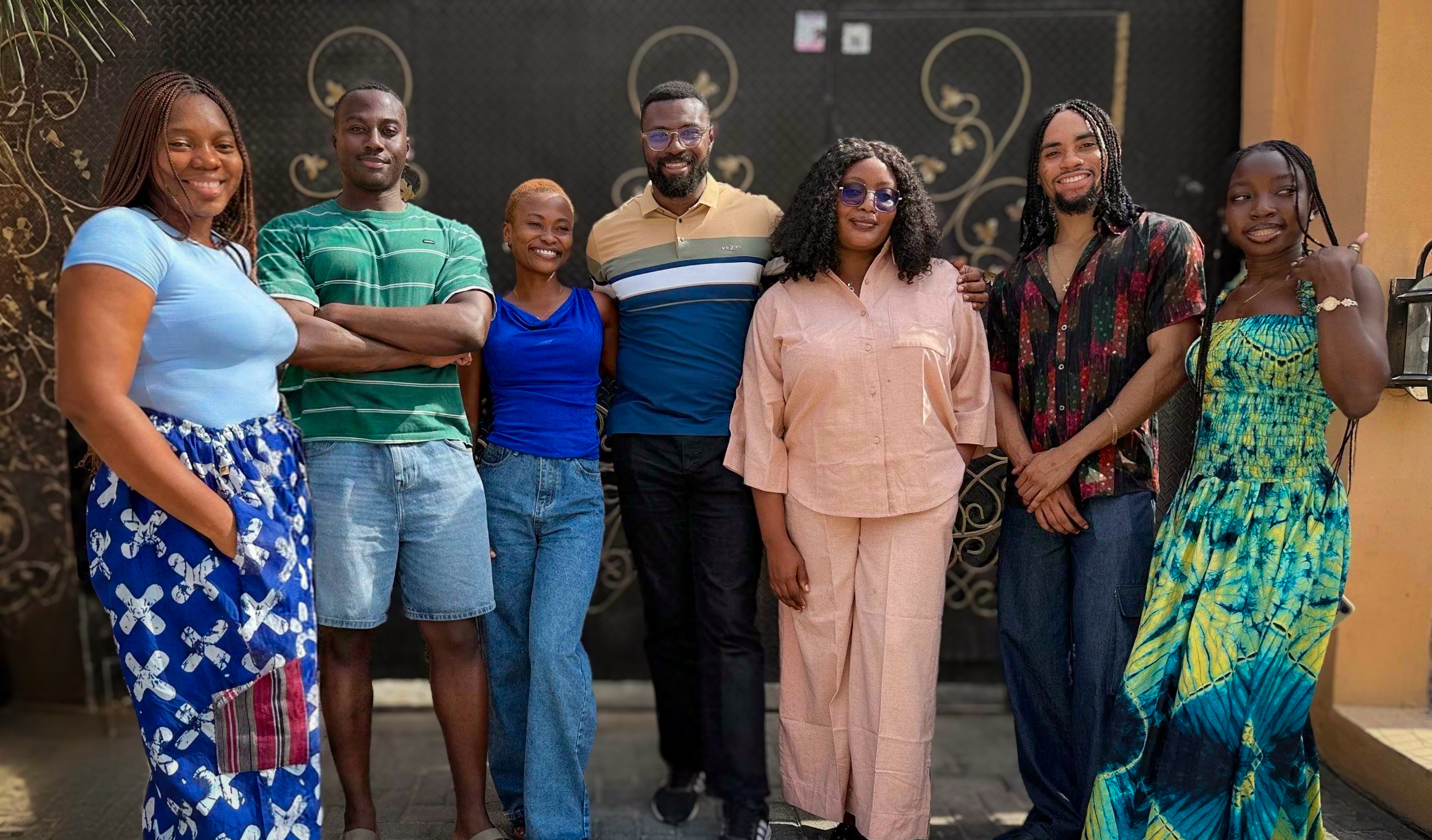
Joshua says the Nigerian operation now employs about 35 professionals and that the UK business sends approximately ₦80 million a month to fund its Lagos operations and salaries. Those are consequential claims. The company's public team page shows people working across development, design, account management, finance and project management, but it does not establish how many are Nigerian employees, contractors or freelancers, or verify the monthly transfer figure. Payroll, contracts and financial records would be needed to report those numbers as confirmed facts.
The distinction matters to the people behind the number. A permanent job, a short contract and an internship can each be an opportunity, but they offer different security and prospects. It also matters to the telling of the story: Joshua may have opened a door, while the colleagues who built the team and deliver its work deserve recognition in their own right.
There is evidence of improved service, though the figures come from Fat Beehive. In a 6 August 2026 account of its July client survey, the agency said 68 clients responded. It reported an average score of 8.8 out of 10 for interactions with account managers, up from 8.4 in December 2025. Scores for response speed and issue resolution also rose. These results support a story about a reported improvement in client experience; they do not, by themselves, show that the Lagos operation caused it.
What does “saved the company” mean?
Watson's email to Afridiaspo presents Joshua and the Nigerian team as central to Fat Beehive's survival. Joshua's letter says the new operation cut costs and helped return the business to profitability. Those claims warrant careful reporting because the UK company's public record also shows it in a Company Voluntary Arrangement. Watson acknowledged that restructuring in July 2026, saying it allowed the agency to continue serving clients and plan for growth. A restructuring is compatible with a recovery effort, but it does not establish current profitability or prove what would have happened without the Lagos team.
To tell that part precisely, Afridiaspo needs dated accounts or management figures showing the losses, subsequent performance, the costs of building the Nigerian operation, and the contribution it made. Interviews with Watson, Joshua, other team members and clients would help establish how the change worked in practice.
A bigger test for cross-border work
The most compelling version of this story reaches beyond a rescue claim. It begins with a Lagosian asking for a chance and follows what happened when a British agency hired him, then invested in a Nigerian team. It asks whether cross-border work can offer African professionals lasting roles, fair terms, leadership and a share in the businesses they help build.
Joshua's first email could easily have disappeared into an inbox. Instead, it led to work that helped connect colleagues in Lagos and the UK. The evidence still needs to catch up with the boldest claims about money and survival. The people and the questions are already substantial enough to make this a story worth telling.
Sources
- Joshua Udezuka's letter and Marcus Watson's editorial pitch, supplied privately to Afridiaspo.
- Fat Beehive team roster.
- Fat Beehive services and work portfolio.
- Fat Beehive history and War Child case study.
- Fat Beehive client support report, 6 August 2026.
- UK Companies House company record.
- Fat Beehive Nigeria business identity record.
- Marcus Watson on the company's restructuring, 27 July 2026.
From Lagos with a Lifeline: How a Cold Email Helped Build Fat Beehive’s Nigerian Team