KENYA APPROVES DEFENCE PACT WITH FRANCE AS PARIS SHIFTS FOCUS FROM WEST AFRICA
— Mary Ene
Kenya's parliament is set to ratify a landmark five-year defence cooperation agreement with France, a deal first signed in October 2025 and now moving to formal approval following the arrival of 800 French troops at the Port of Mombasa. The pact covers intelligence sharing, maritime security, peace…
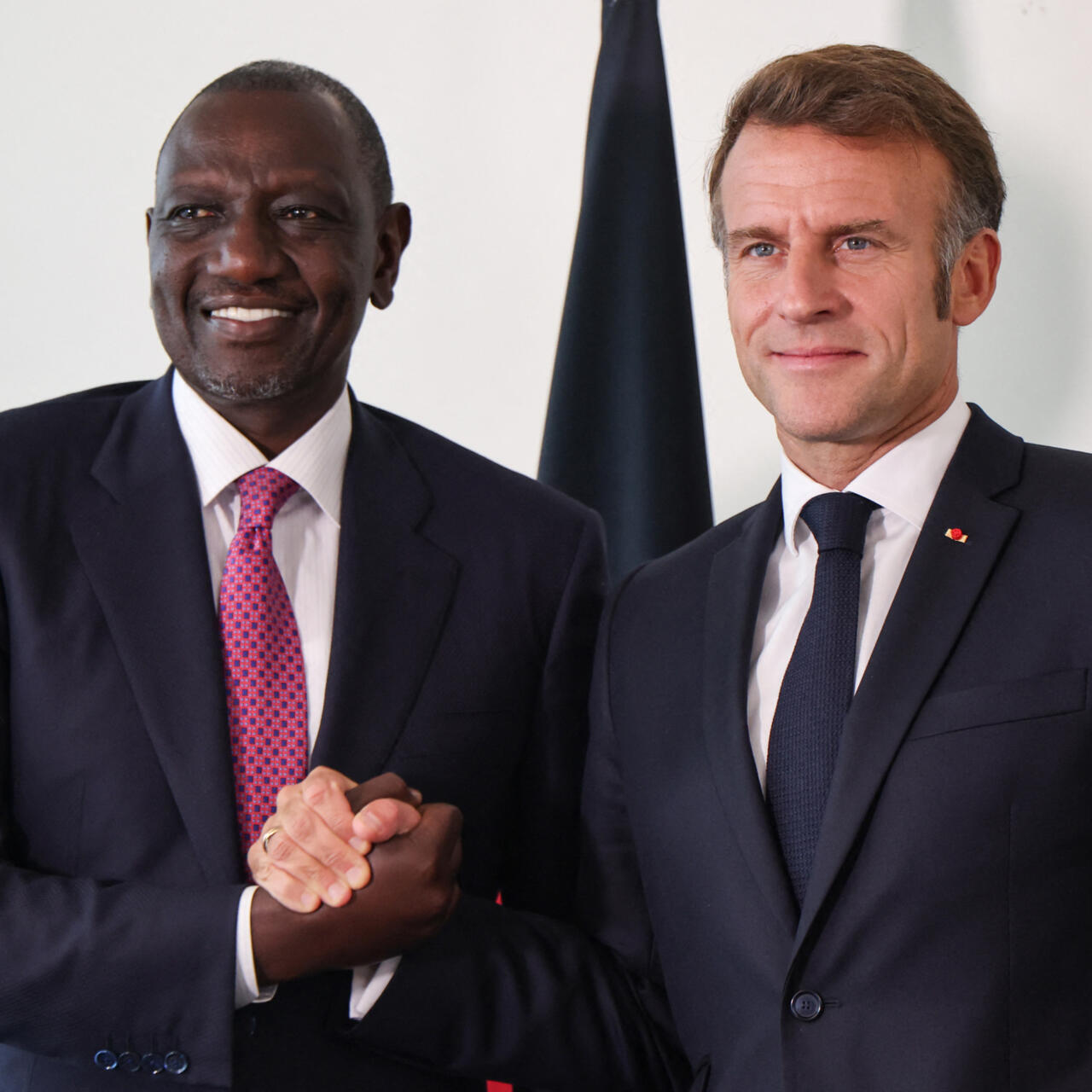
As France's military presence crumbles across West Africa in the face of anti-colonial sentiment, it has found a new and willing strategic partner in the east Kenya where lawmakers are now poised to ratify a landmark defence cooperation agreement that could redefine the continent's security architecture.
Kenyan lawmakers are expected to ratify a defence pact with France, boosting relations at a time when former colonies in West Africa have been terminating long-standing military ties. The timing is no coincidence. France, once the dominant military power across Francophone Africa, has been expelled or asked to leave by several of its former colonies in recent years and is now urgently rebuilding its continental footprint from a new direction.
The Defence Cooperation Agreement was signed by Kenya's Defence Cabinet Secretary Soipan Tuya and French Ambassador Arnaud Suquet at the Defence Headquarters in Nairobi, establishing a structured framework for enhanced collaboration between the two nations in key areas including intelligence sharing, maritime security, peacekeeping, training and humanitarian assistance. It was described by both governments as a milestone in their bilateral relationship.
The five-year pact, now before the National Assembly, will give Kenya access to French military training, technology and expertise across maritime security, intelligence sharing, peacekeeping and disaster relief operations. The deployment that preceded its ratification was equally significant: 800 French troops arrived at the Port of Mombasa aboard three warships on March 15, as part of a mission focused on joint military training a powerful physical demonstration of how quickly this partnership has moved from ink on paper to boots on the ground.
The agreement comes at a critical time as France reconfigures its military presence across Africa. In recent years, several Francophone nations including Mali, Niger, and Burkina Faso have pushed for the withdrawal of French troops, prompting Paris to seek new partnerships on the continent. In this shifting geopolitical landscape, Kenya is emerging as a stable and strategic partner.
What makes Kenya particularly attractive to France is precisely what makes this deal unusual: unlike many West African nations, Kenya has no colonial ties with France, positioning it as a neutral yet influential ally in East Africa. There is no historical baggage, no memory of French interference in Nairobi's politics, and no popular anti-French sentiment to navigate. For Paris, Kenya is a clean slate.
The deal has not been without controversy domestically. Critics have raised concerns that if a French soldier commits a crime in Kenya, France retains the primary right to detain and prosecute them, meaning Kenya may lose the chance to try the soldier in its own courts, with French troops enjoying broad legal protections similar to diplomatic immunity.
Opponents have drawn direct comparisons to the complaints long raised about the British Army Training Unit in Kenya and warned that Kenya is moving in the opposite direction to its African neighbours on the question of foreign military accountability.
The strengthening ties are reflected in high-level diplomatic engagements beyond the military sphere. French President Emmanuel Macron has personally invited President William Ruto to attend the upcoming G7 Summit in June, while Kenya is also preparing to host the Africa-France Summit next month marking the first time the gathering will be held in a non-Francophone country. That last point is highly symbolic: France is not just seeking a military partner in Kenya. It is seeking to reframe its entire relationship with Africa through a new, non-colonial lens.
It will be the first defence agreement between Nairobi and Paris, as Kenya looks beyond her traditional allies Britain and the United States. For Nairobi, this is a strategic diversification a signal that Kenya sees itself as a continental power in its own right, capable of choosing its partners across multiple geopolitical blocs. For France, desperate to remain relevant on a continent that is increasingly rejecting its legacy, Kenya may be its most important African relationship of the decade.
KENYA APPROVES DEFENCE PACT WITH FRANCE AS PARIS SHIFTS FOCUS FROM WEST AFRICA