Kenya Jails Chinese National Over ‘Ant Smuggling’—A Small Insect Case with Big Biopiracy Implications
Kenya jailed a Chinese national for smuggling over 2,200 live ants. The case highlights rising concerns over biopiracy and biodiversity exploitation. Africa is expanding its fight from wildlife poaching to protecting entire ecosystems

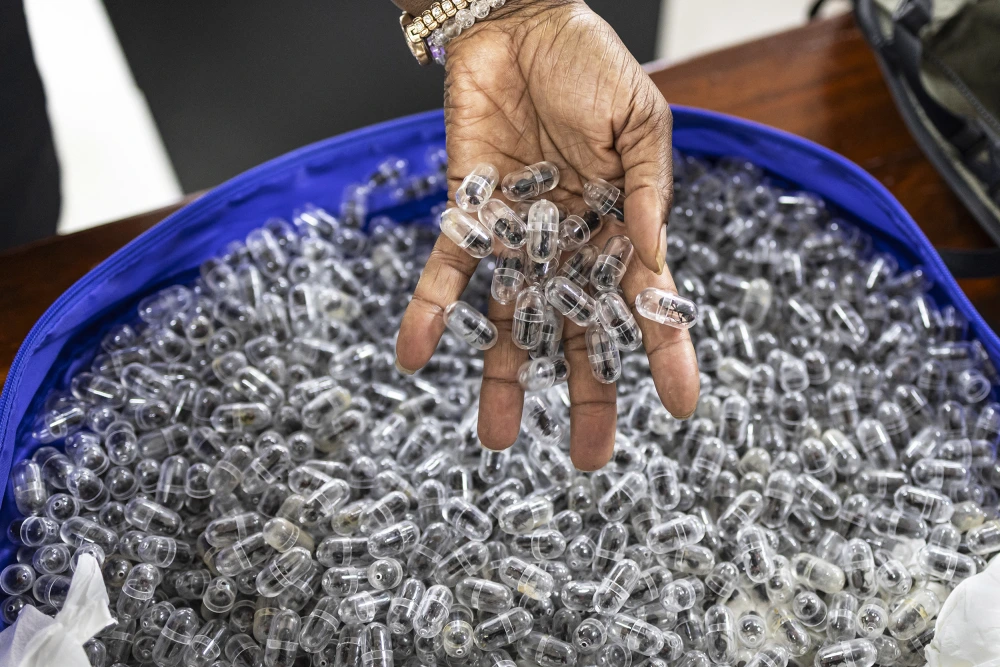
Kenya has sent a strong signal in the global fight against wildlife trafficking after a court sentenced a Chinese national, Zhang Kequn, to 12 months in prison and a fine of 1 million Kenyan shillings for attempting to smuggle more than 2,200 live ants out of the country. What appears at first glance to be a minor case is now being framed as part of a much larger issue—biopiracy and the exploitation of Africa’s biodiversity.
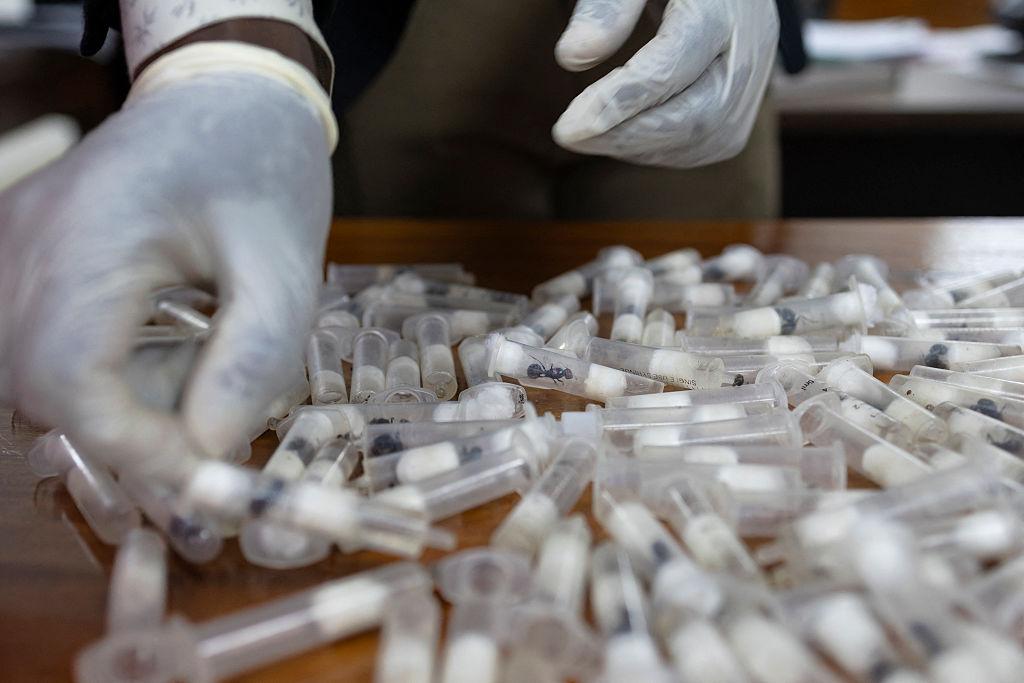
The case unfolded at Jomo Kenyatta International Airport, where authorities intercepted Zhang after discovering the insects concealed in test tubes and tissue rolls inside his luggage. The ants were identified as giant African harvester ants, a species valued in exotic pet markets and scientific collections.
What makes this case significant is not just the quantity—over 2,200 live specimens—but the method and intent. Authorities believe the ants were being transported for commercial purposes, potentially to be sold internationally where rare or exotic insect species can command high prices, particularly queen ants used to start colonies.
The Kenyan court, delivering its ruling on April 15, 2026, emphasized that the sentence was designed as a deterrent. In recent years, there has been a noticeable increase in cases involving the illegal export of Africa’s lesser-known species—not just elephants or rhinos, but insects, plants, and microorganisms.
This shift reflects a growing global demand for biodiversity assets, driven by collectors, researchers, and niche markets. While large wildlife trafficking has long dominated headlines, smaller-scale biopiracy—like the smuggling of insects—is becoming an emerging threat that is harder to detect but equally damaging.
From an ecological perspective, the removal of species from their natural environment can have ripple effects. Ants, for example, play critical roles in soil health, seed dispersal, and ecosystem balance. Removing them in large numbers could disrupt local ecosystems in ways that are not immediately visible.
For African nations, the issue goes beyond conservation—it is also about ownership and economic value. Africa’s biodiversity is increasingly recognized as a global asset, yet much of its value is extracted without fair compensation or regulation. Cases like this highlight the need for stronger frameworks to protect biological resources.
Kenya has positioned itself as a leader in wildlife protection, and this ruling reinforces its stance. By treating the smuggling of ants with the same seriousness as other forms of wildlife trafficking, the country is expanding the definition of what constitutes environmental crime.
The broader implication is clear: Africa is beginning to defend not just its land and minerals, but its living ecosystems. As global demand for unique biological species grows, so too will the need for stricter enforcement, international cooperation, and awareness.
What this case ultimately reveals is that the future of resource control in Africa will not only be fought over oil, gold, or lithium—but also over biodiversity, where even the smallest species can carry significant economic and ecological value.