Lagos Expands Red Line Fleet with 24-Car Trains to Ease Daily Commute.
Lagos is adding 24-car trains to expand the Red Line rail system. The move will improve capacity, reduce wait times, and ease commuting. It marks progress toward a modern, efficient urban transport network.
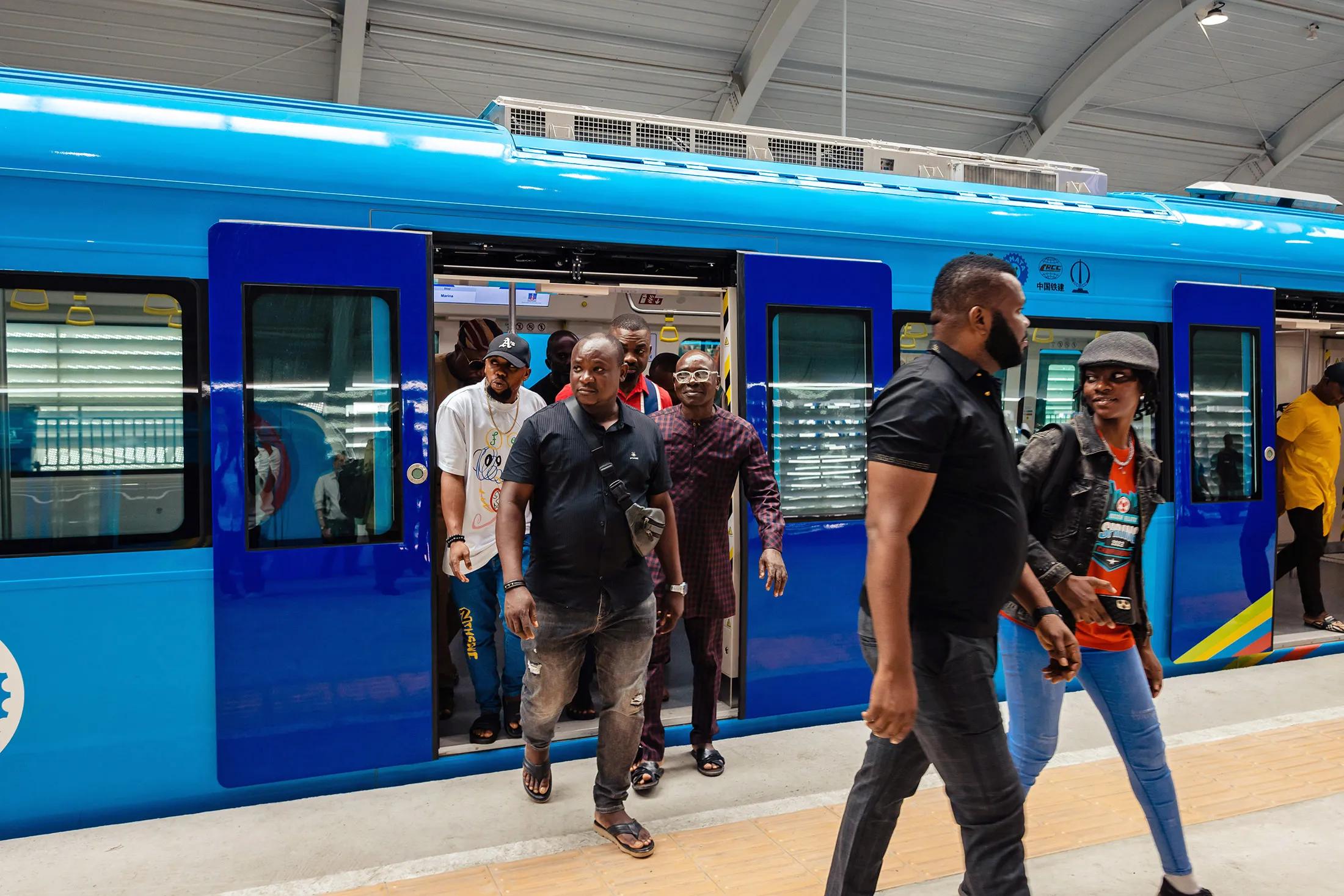
Lagos is taking another major step toward solving its long-standing transportation challenges with the introduction of a new set of 24-car trains to strengthen the Red Line rail system. The move signals a continued push by city authorities to modernize urban mobility in one of Africa’s fastest-growing megacities.
The Red Line, a key component of Lagos’ expanding rail network, was designed to reduce pressure on road transportation by offering a faster and more reliable alternative for commuters. With the addition of these longer trains, the system is expected to carry significantly more passengers per trip.
What this means in real terms is increased capacity and reduced congestion. Lagos is home to over 20 million people, many of whom rely on daily commuting for work and business. By expanding train length and capacity, the city aims to reduce overcrowding and shorten waiting times at stations.
The timing of this expansion is critical. Traffic congestion in Lagos has long been one of the city’s biggest economic and social challenges, costing productivity hours and increasing transportation costs for residents. Rail infrastructure is increasingly seen as the most sustainable solution.
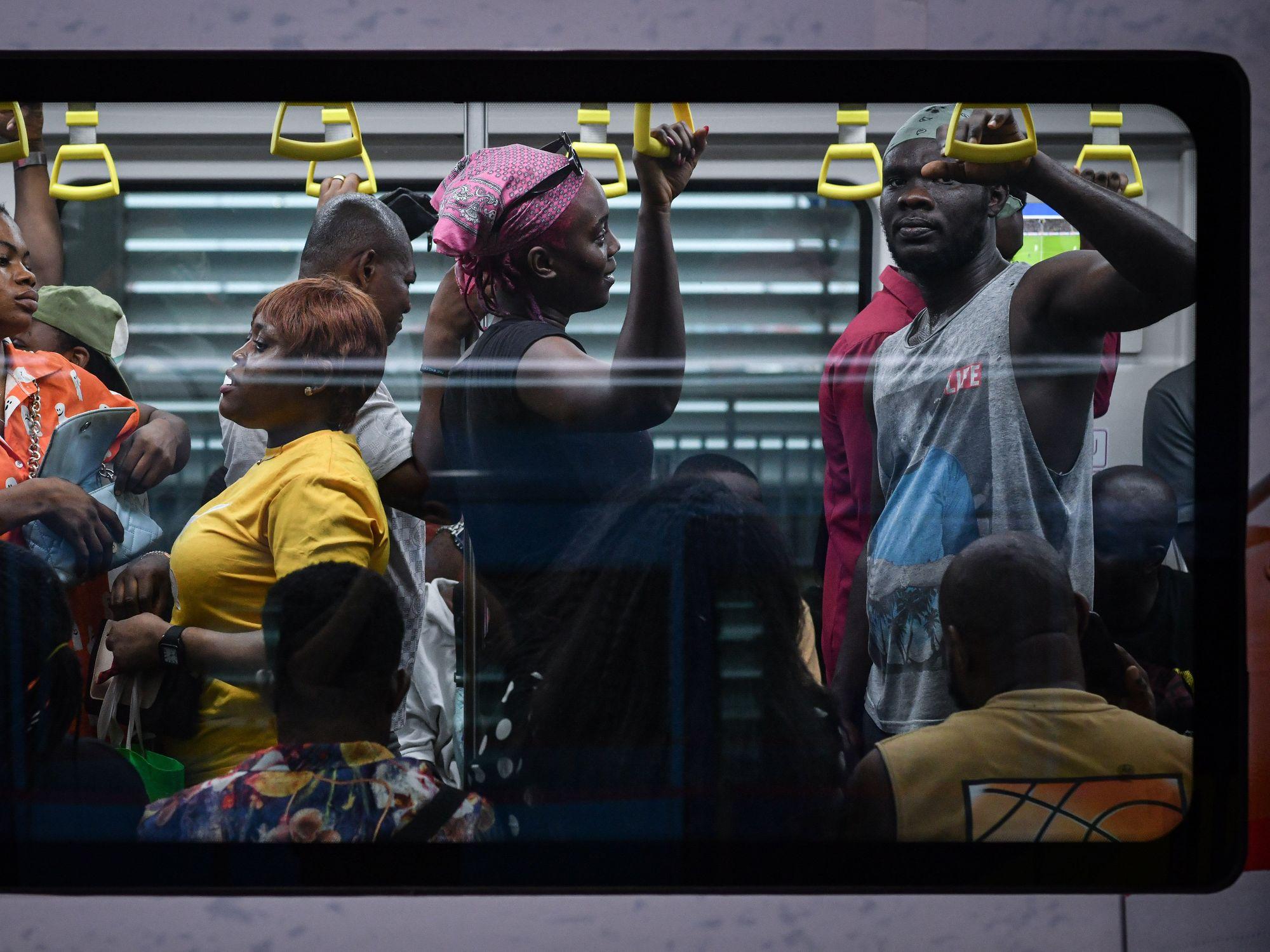
The introduction of 24-car trains also reflects a shift toward high-capacity urban transport systems, similar to those found in major global cities. This positions Lagos not just as a growing city, but as one actively investing in modern infrastructure to match its population scale.
For commuters, the impact could be immediate. Shorter wait times, less crowded trains, and more predictable travel schedules mean improved quality of life. For businesses, it translates into a more efficient workforce and better movement across the city.
Beyond convenience, the Red Line expansion also has economic implications. Improved transportation systems tend to increase property values, attract investment, and stimulate commercial activity around transit corridors.
However, sustaining this progress will require consistent maintenance, operational efficiency, and integration with other transport systems such as buses and water transport. A rail system alone cannot solve Lagos’ mobility challenges—it must function as part of a larger network.
Still, the direction is clear. Lagos is building toward a future where commuting is not defined by traffic, but by speed, structure, and reliability. The addition of these trains is not just an upgrade—it is part of a long-term vision for a more connected city.
Lagos Expands Red Line Fleet with 24-Car Trains to Ease Daily Commute.