Malawi’s Rare Earth Metals are headed to Kazakhstan? 🇲🇼🇰🇿💎 The secret new route revealed.
— Anita okhipo
Malawi’s rare earth minerals are gaining global attention as demand for critical resources rises, Africa is beginning to shift traditional trade routes and explore new partnerships, The real opportunity lies in controlling value and shaping the future of global supply chains
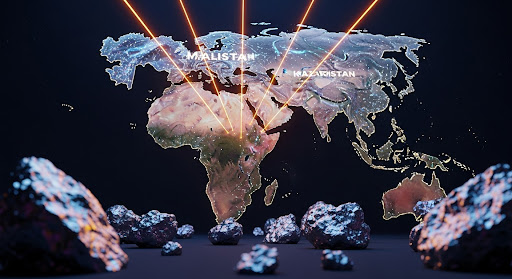
Buried beneath the quiet landscapes of Malawi lies a resource that the modern world cannot function without. Rare earth minerals. These elements are not widely discussed in everyday conversations, yet they are embedded in nearly every piece of advanced technology that defines the twenty first century. From smartphones and electric vehicles to military systems and renewable energy infrastructure, rare earths are the invisible backbone of global progress.
For decades, Africa’s role in this system has been predictable. Extract the resource. Export it. Let others process, refine, and profit at scale. But something is changing. Slowly, quietly, and without dramatic announcements, the routes through which these resources move are beginning to shift. And at the center of this transformation sits a country many did not expect to lead such a conversation. Malawi.
What is happening today is not a sudden discovery of minerals. Malawi’s deposits have been known for years. What is changing is the level of global attention, the urgency of demand, and the strategic positioning of these resources in a world transitioning toward clean energy and digital dominance. Rare earths are no longer just commodities. They are geopolitical assets.
The global race for these materials has intensified as nations attempt to secure stable supply chains. For years, one country has dominated the processing and refining of rare earth minerals, creating a level of dependency that many global powers are now trying to reduce. This has opened the door for new partnerships, new buyers, and new trade dynamics that extend far beyond traditional routes.
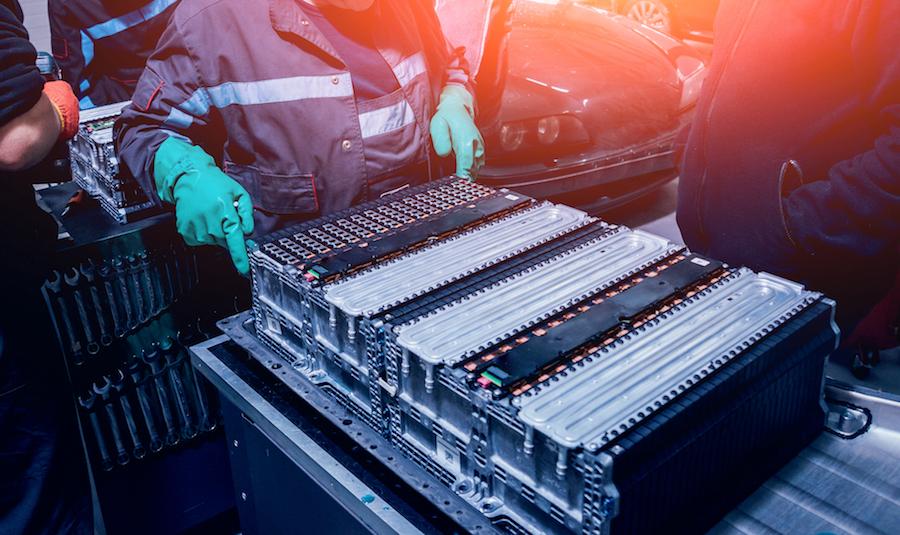
In this context, Malawi is becoming more than just a source. It is becoming a point of negotiation, influence, and potential leverage. Investors, governments, and multinational companies are all watching closely, not just to access the minerals, but to understand how Malawi chooses to position itself in this evolving system.
The question then becomes not just where these minerals are going, but how they are moving and who is shaping those pathways. Historically, African minerals have flowed through established corridors linked to colonial era trade patterns. Ports, railways, and export systems were designed to serve external markets, often with little flexibility for local control or diversification.
Today, those patterns are being challenged. Infrastructure projects across the continent are redefining how goods move. Rail networks are being expanded. Ports are being upgraded. Regional trade agreements are beginning to take shape. These developments are not happening in isolation. They are part of a broader effort to reposition Africa within the global economy.
While there is no verified evidence of secret routes funneling Malawi’s rare earths into unexpected destinations like Kazakhstan, the idea of new and unconventional trade pathways is not far fetched. Countries across Central Asia, the Middle East, and Eastern Europe are increasingly looking toward Africa as a source of critical minerals, creating a more complex and competitive marketplace.

This shift is not driven by curiosity. It is driven by necessity. The global transition to electric energy systems has created an unprecedented demand for materials that can support battery production, renewable energy technologies, and advanced manufacturing. Rare earths sit at the center of this demand, making them one of the most valuable strategic resources of our time.
For Malawi, this moment represents both opportunity and risk. On one hand, increased demand brings investment, job creation, and the potential for economic growth. On the other hand, it raises questions about governance, transparency, and whether the country can avoid the patterns that have historically limited the benefits of resource extraction across Africa.
The concept of value is critical here. Extracting minerals is only one part of the equation. The real wealth lies in processing, refining, and manufacturing. Countries that control these stages capture significantly more economic value than those that simply export raw materials. This is the gap that many African nations are now trying to close.
Malawi’s challenge is therefore not just to participate in the rare earth market, but to define its role within it. Will it remain a supplier of raw materials, or will it invest in building the capacity to move further up the value chain. This decision will shape not only its own economic future, but also its position within the global system.
The role of infrastructure cannot be overstated. Efficient transport systems determine how quickly and cost effectively resources can reach global markets. Investments in rail corridors, road networks, and port facilities are therefore not just about logistics. They are about power. They determine who controls the flow of resources and who benefits from that flow.
At the same time, global investors are looking for stability. Political uncertainty, regulatory inconsistency, and security concerns can all influence how and where investments are made. For Malawi, creating a stable and transparent environment will be essential in attracting long term partnerships that go beyond extraction.
Another layer to this story is the role of regional cooperation. Africa’s fragmented markets have historically limited its ability to negotiate as a unified bloc. However, initiatives aimed at increasing intra African trade and collaboration are beginning to change this dynamic. By working together, countries can strengthen their bargaining power and create more integrated supply chains.
The environmental dimension also cannot be ignored. Rare earth mining, if not properly managed, can have significant ecological impacts. Balancing economic growth with environmental sustainability will be a key challenge for Malawi and other resource rich nations. The decisions made today will have long term consequences for both people and the planet.
At a global level, the competition for rare earths is reshaping alliances. Countries that were once peripheral to the global economy are becoming central players in a new kind of resource diplomacy. Africa, with its vast reserves, is at the heart of this transformation.
For the diaspora, this story carries a different kind of significance. It is not just about minerals. It is about ownership, opportunity, and the possibility of redefining Africa’s place in the world. The question is no longer whether Africa has resources. It is whether it can control the narrative around those resources.
The idea of “new routes” therefore becomes symbolic. It is not just about physical pathways. It is about new ways of thinking. New strategies. New partnerships. It represents a break from systems that have historically limited Africa’s potential.
Malawi’s rare earths are part of a larger story unfolding across the continent. From lithium in Zimbabwe to cobalt in the Democratic Republic of Congo, Africa’s resources are becoming central to the future of global technology. Each of these stories is connected by a common theme. The struggle to turn natural wealth into sustainable development.
The outcome of this story is not predetermined. It will depend on decisions made by governments, investors, communities, and global partners. It will depend on whether lessons from the past are applied to the present. And it will depend on whether Africa can move from being a supplier to becoming a strategist.
What is clear is that the world is paying attention. The demand for rare earths is not slowing down. If anything, it is accelerating. And as it does, the importance of countries like Malawi will continue to grow.
In the end, the question is not whether Africa’s resources will be used. They will. The question is who will benefit. Will it be external powers, as has often been the case, or will African nations finally capture a greater share of the value they create.
The shifting routes of Malawi’s rare earths may not yet be dramatic or headline grabbing, but they are real. They reflect a changing system, one where power is gradually being redistributed. And in that shift lies the possibility of a different future.
A future where Africa is not just part of the global economy, but a force that helps shape it.
Malawi’s Rare Earth Metals are headed to Kazakhstan? 🇲🇼🇰🇿💎 The secret new route revealed.