Five African Men Turning Success into a Bigger Conversation
— Afridiaspo Editorial
Meet five African men whose careers connect sport, music, business and public responsibility, with documented milestones and individual photographs.
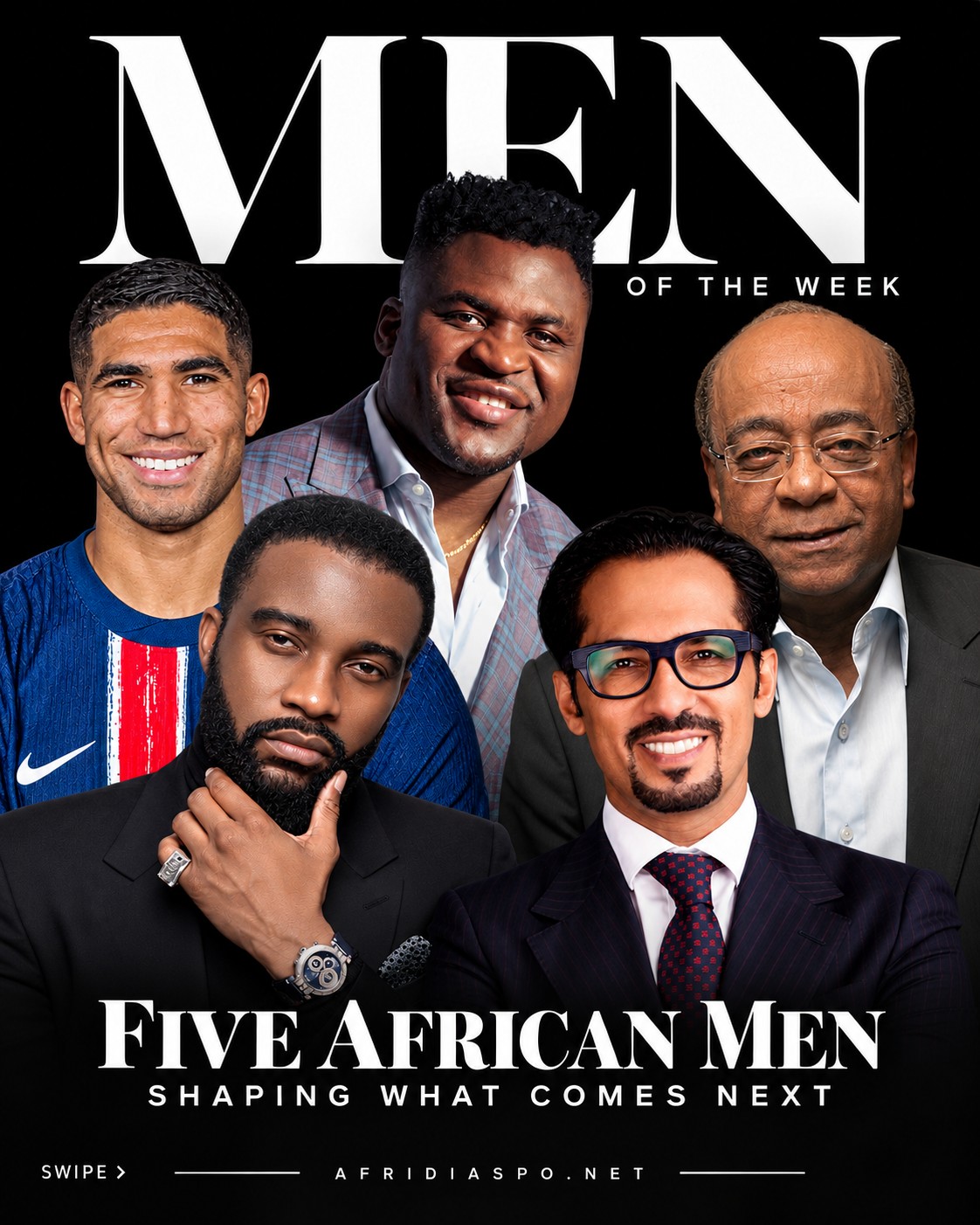
Men of the Week | November 2, 2026
One penalty can become a national memory. When Achraf Hakimi converted the decisive kick against Spain at the 2022 World Cup, Morocco had reached the quarter-finals and the image travelled far beyond the stadium. Yet the work that makes a moment possible rarely fits inside the celebration.
This edition looks at five men whose careers raise a larger question: what can public success make possible beyond the individual? Hakimi and Francis Ngannou operate in intensely competitive sports. Mo Ibrahim and Mohammed Dewji connect enterprise with different ideas of public responsibility. Fally Ipupa brings Congolese music into international circulation and lends his platform to children's rights.
They are not interchangeable success stories. Their achievements belong to different countries, industries and institutions. Reading them together means recognising both the accomplishment and the limits of what fame, business ownership or a philanthropic promise can prove.
Achraf Hakimi: the work behind the winning kick
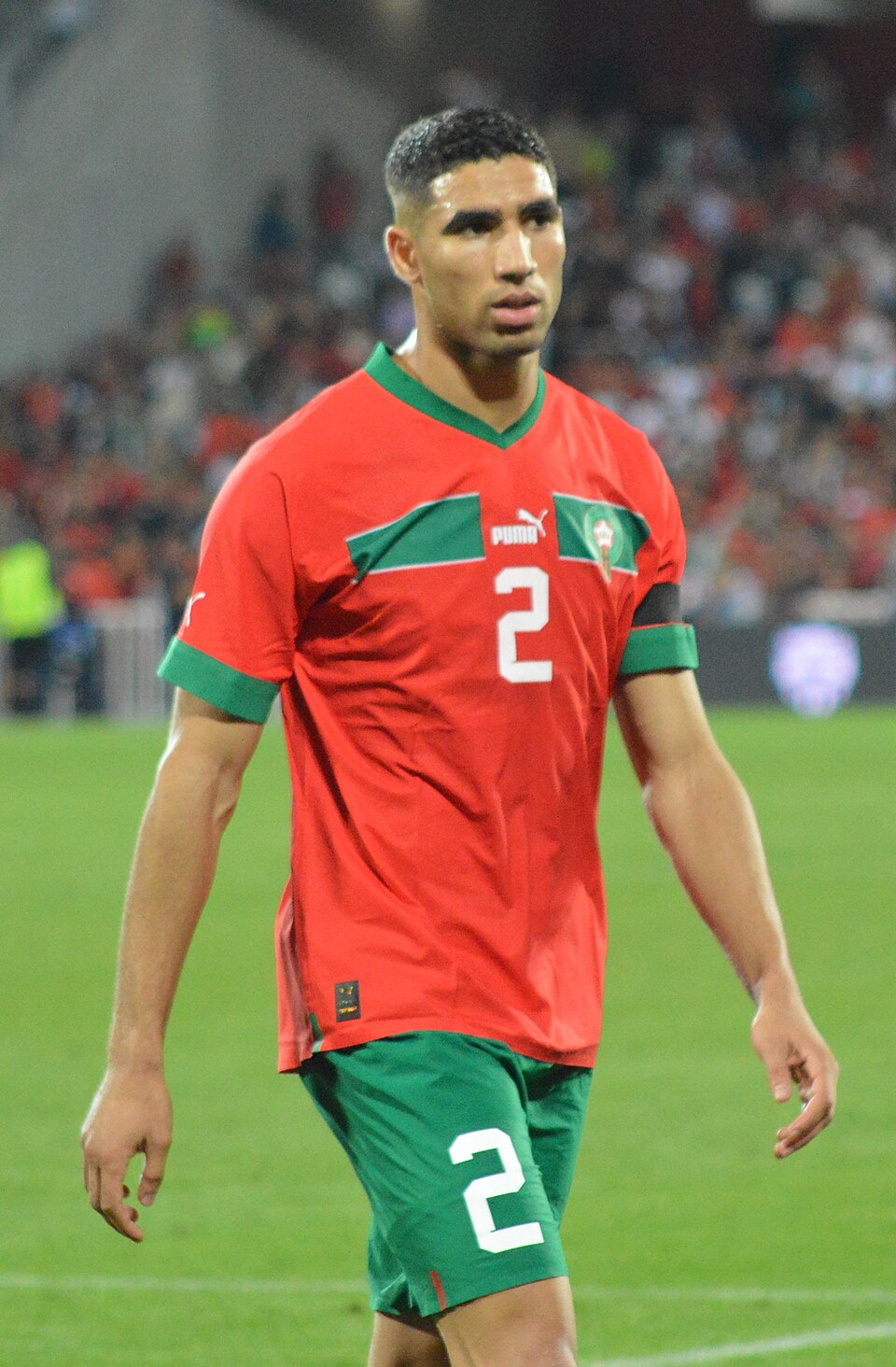

Morocco's round-of-16 match against Spain on December 6, 2022 finished goalless after extra time. Morocco won the shootout 3–0, with Hakimi taking the decisive penalty. Paris Saint-Germain's account of the match records the result and his contribution.
A penalty shootout compresses a team sport into isolated encounters. That makes it compelling television, but it can distort the story. Morocco had first kept Spain from scoring for 120 minutes. Hakimi's finish completed a collective effort; it did not replace it.
That distinction also helps explain the value of a full-back. The position asks a player to contribute to attacks while remaining accountable for the space behind him. A memorable attacking action is only one part of the job. Positioning, recovery and coordination are less easily turned into a celebratory clip, yet the team's performance depends on them.
For African and diaspora supporters, the moment carried the pleasure of seeing Morocco advance on the biggest stage. Its lasting lesson is more useful than a claim that one individual carried a country: visible excellence can rest on disciplined cooperation. A profile can celebrate the winning kick while still remembering the team that gave him the chance to take it.
Francis Ngannou: sporting power and negotiating power
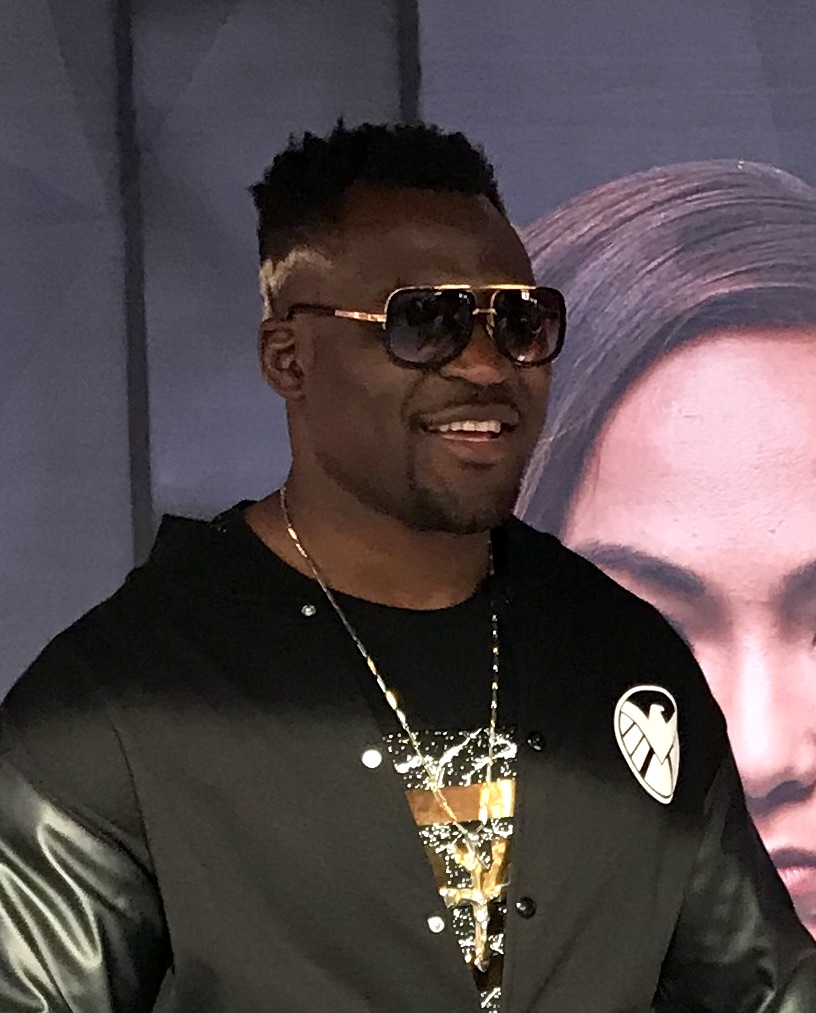

The Cameroonian fighter's story involves more than what happens inside a cage. In its 2023 agreement with Ngannou, the Professional Fighters League announced a relationship extending beyond bouts: it included an equity interest and a role as chairman of PFL Africa. Those were specific contractual and organisational claims made by the promotion.
The distinction matters. An athlete appearing on a card, an athlete holding equity and an athlete participating in an organisation's leadership are different kinds of involvement. The announcement presented Ngannou as someone with a stake in the business around the competition, as well as a sporting role within it.
That history must be dated accurately. In March 2026, the PFL announced that it was parting ways with Ngannou, a development reported by ESPN. The earlier announcement cannot establish that his contractual position remained unchanged afterwards. Nor does a split, by itself, explain every separate equity or governance arrangement.
The wider issue remains relevant to African sport: who receives a share of the value that athletes generate? A headline appearance can bring visibility; ownership and decision-making involve different powers. Ngannou's PFL chapter provides a documented example of that distinction, without requiring us to turn an old agreement into a present-tense job description.
Mo Ibrahim: from mobile networks to public accountability
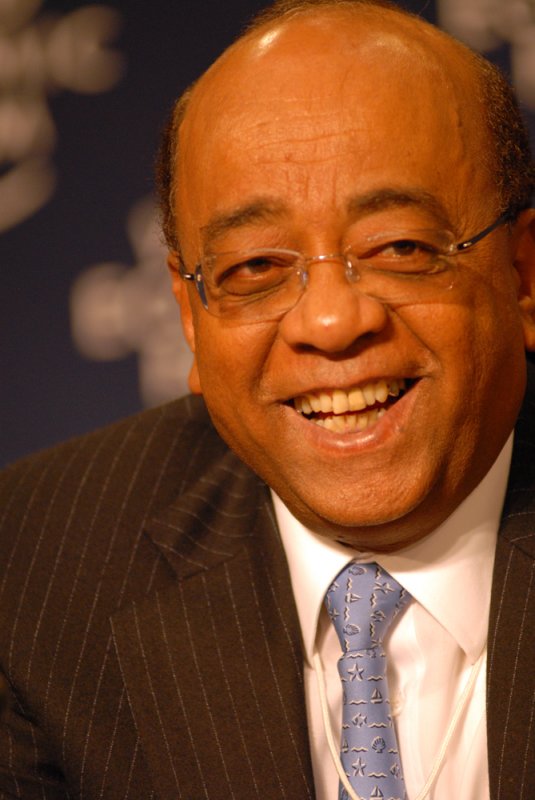

Sudanese-born Mo Ibrahim founded Mobile Systems International in 1989 and Celtel International in 1998. He established the Mo Ibrahim Foundation in 2006. These dates, recorded in his foundation biography, describe a move from telecommunications enterprise towards an institution focused on governance and leadership.
The foundation's Ibrahim Index of African Governance offers a framework for examining governance across the continent. Its value to a reader is the invitation to ask specific questions about public institutions, rather than treating every country as one undifferentiated story of progress or decline.
Business achievement and public accountability address related but different problems. A company can offer a service people want. Governments also carry obligations towards people who are not profitable customers. Roads, rights, public administration and political leadership cannot be assessed solely through the language of entrepreneurial success.
Ibrahim's inclusion therefore invites scrutiny as well as recognition. For diaspora readers who want to contribute to a country of origin, the question is not only which founder to admire or which venture to support. It is also how institutions make opportunity more widely available, and what evidence citizens can use to judge whether leadership serves them.
Fally Ipupa: a musical platform with a public purpose
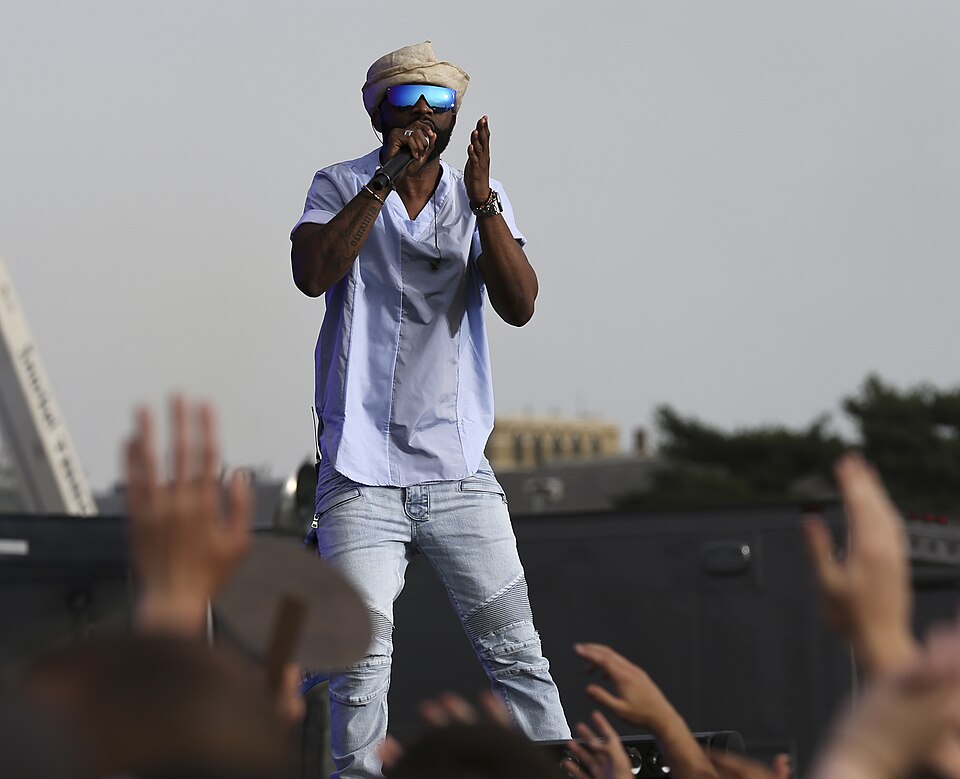

Congolese singer Fally Ipupa's catalogue includes Tokooos, released in 2017 through Elektra France/Warner Music France. The album's label and release listing documents that chapter of an international recording career. An album is a useful starting point because it gives readers work to hear, rather than asking them to accept a vague claim of cultural influence.
There is also a documented public-service role. In an announcement dated August 10, 2021, UNICEF appointed Ipupa a national ambassador in the Democratic Republic of the Congo. The organisation described his earlier involvement in its work on child nutrition and the purpose of his advocacy.
Such appointments connect an artist's ability to attract attention with an institution's attempt to communicate. That is a meaningful role, but it should be described precisely. An ambassador's visibility does not, on its own, demonstrate a reduction in malnutrition or measure the results of a programme.
For diaspora audiences, the cultural connection can be immediate: music offers a way to remain engaged with a place across distance. Ipupa's example also asks what that attention can support. Listening, sharing and following an artist can become an opening to learn about children's rights, while the underlying evidence and practical work remain essential.
Mohammed Dewji: enterprise, giving and the evidence of impact
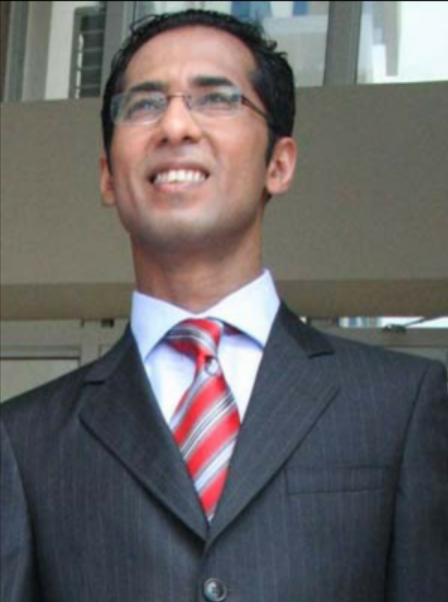

Tanzanian businessman Mohammed Dewji is identified as president of MeTL Group in his King's Trust International biography. His public profile brings business leadership and philanthropy together, but those activities need to be evaluated separately.
The Giving Pledge records his commitment in 2016. In his accompanying letter, Dewji describes his intention to donate well above half his net worth and discusses the priorities behind his philanthropy. This is evidence of a public commitment, not proof that the full promised amount has already been distributed.
That distinction makes the story more useful. A pledge expresses an intention against which future action can be assessed. Readers still need information about what was funded, who benefited, how decisions were made and what results followed. Large ambitions do not remove the need for those ordinary questions.
For Africans building businesses at home or abroad, Dewji's inclusion opens a discussion about responsibility beyond personal prosperity. Employment, accessible products, taxes and charitable funding are different routes through which enterprise may affect society. Each requires its own evidence. Admiration becomes more informed when a founder's stated purpose is considered alongside the practical record.
Five careers, five different forms of influence
| Person | Documented milestone | Question it opens |
|---|---|---|
| Achraf Hakimi | Decisive penalty against Spain, December 2022 | How does collective work support an individual moment? |
| Francis Ngannou | PFL partnership announced in 2023; split announced in March 2026 | What power do athletes hold beyond competing? |
| Mo Ibrahim | Celtel founded in 1998; foundation established in 2006 | How should institutions and leadership be assessed? |
| Fally Ipupa | UNICEF appointment announced in August 2021 | How can cultural attention support public causes? |
| Mohammed Dewji | Giving Pledge commitment recorded in 2016 | How do we distinguish a promise from measured impact? |
The Afridiaspo takeaway
Recognition becomes richer when it makes room for questions. These five careers show different relationships between talent, public attention and institutions. They do not offer one formula that every reader can reproduce, and none should be reduced to a motivational slogan.
For African and diaspora communities, the useful conversation begins after the applause: who helped create the achievement, what opportunities can follow it, and how can its wider effects be tested? Success deserves to be seen clearly. Its possibilities become more interesting when its claims are precise.
Editorial note: This dated selection recognises established careers and documented milestones; it does not imply that all milestones occurred this week. Featured cover: supplied Afridiaspo illustrative editorial composite, not a documentary group photograph. Individual archival photographs are credited above.