Five African Men Whose Careers Crossed Borders
— Afridiaspo Editorial
Explore five African careers across borders: Djimon Hounsou, Aubameyang, George Weah, Salif Keita and Mia Couto, with dated milestones and context.
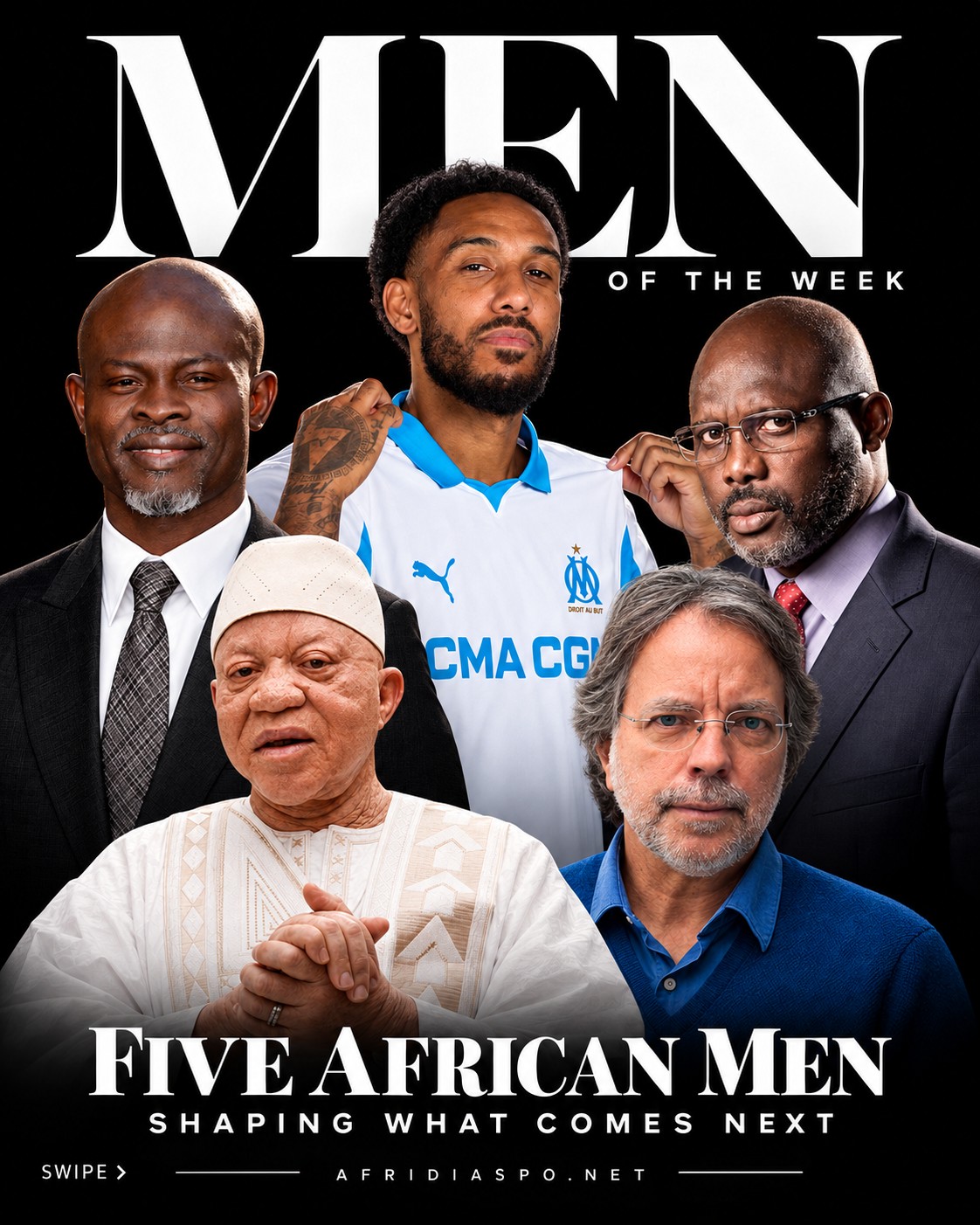
Men of the Week · October 26, 2026
In 1995, George Weah won the Ballon d’Or. Nearly two decades later, Mia Couto received the Neustadt International Prize for Literature. The two honours recognise different kinds of work, but they offer a starting point for this edition: African achievement reaches international institutions through many routes.
Djimon Hounsou, Pierre-Emerick Aubameyang, Weah, Salif Keita and Couto connect Benin, Gabon, Liberia, Mali and Mozambique to conversations about film, football, public life, music and literature. Their careers also carry questions about what recognition enables—and what it leaves unresolved.
This is an editorial selection of careers worth understanding. The milestones below took place in different years; their inclusion does not imply that all five announced a new achievement this week.
Benin: Djimon Hounsou and the work behind visibility
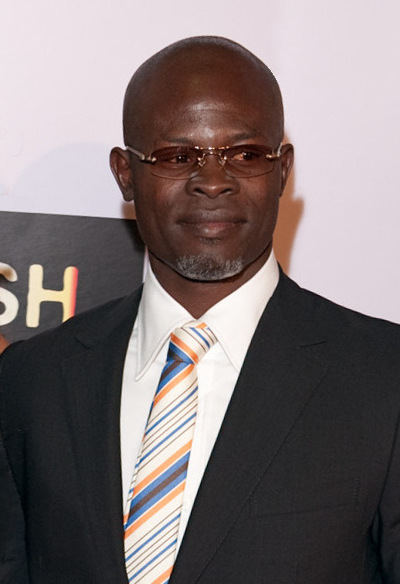

The Academy’s records put Djimon Hounsou’s work in a precise frame: he was nominated for supporting actor for In America at the 2004 Oscars and for Blood Diamond at the 2007 ceremony. Two nominations, for two different performances, provide a firmer account of recognition than a sweeping claim about conquering Hollywood. Source: Academy, 2004; Academy, 2007.
His foundation’s biography traces his route from Benin to Paris and identifies Steven Spielberg’s Amistad (1997) as a breakthrough. It also describes the foundation’s aim of connecting Africa and its diaspora and combating modern slavery and human trafficking. That is the organisation’s stated mission; it should be distinguished from an independently measured account of its results. Source: Djimon Hounsou Foundation.
Hounsou’s inclusion opens a useful conversation about the relationship between representation and a working career. Being visible in major films gives an actor a platform, but it does not describe every opportunity available to the performers following him. For African and diaspora audiences, taking the craft seriously means looking at the roles, the performances and the work required to remain in an industry across decades. A familiar face can be the beginning of that inquiry rather than its conclusion.
Gabon: Pierre-Emerick Aubameyang’s record travels across leagues
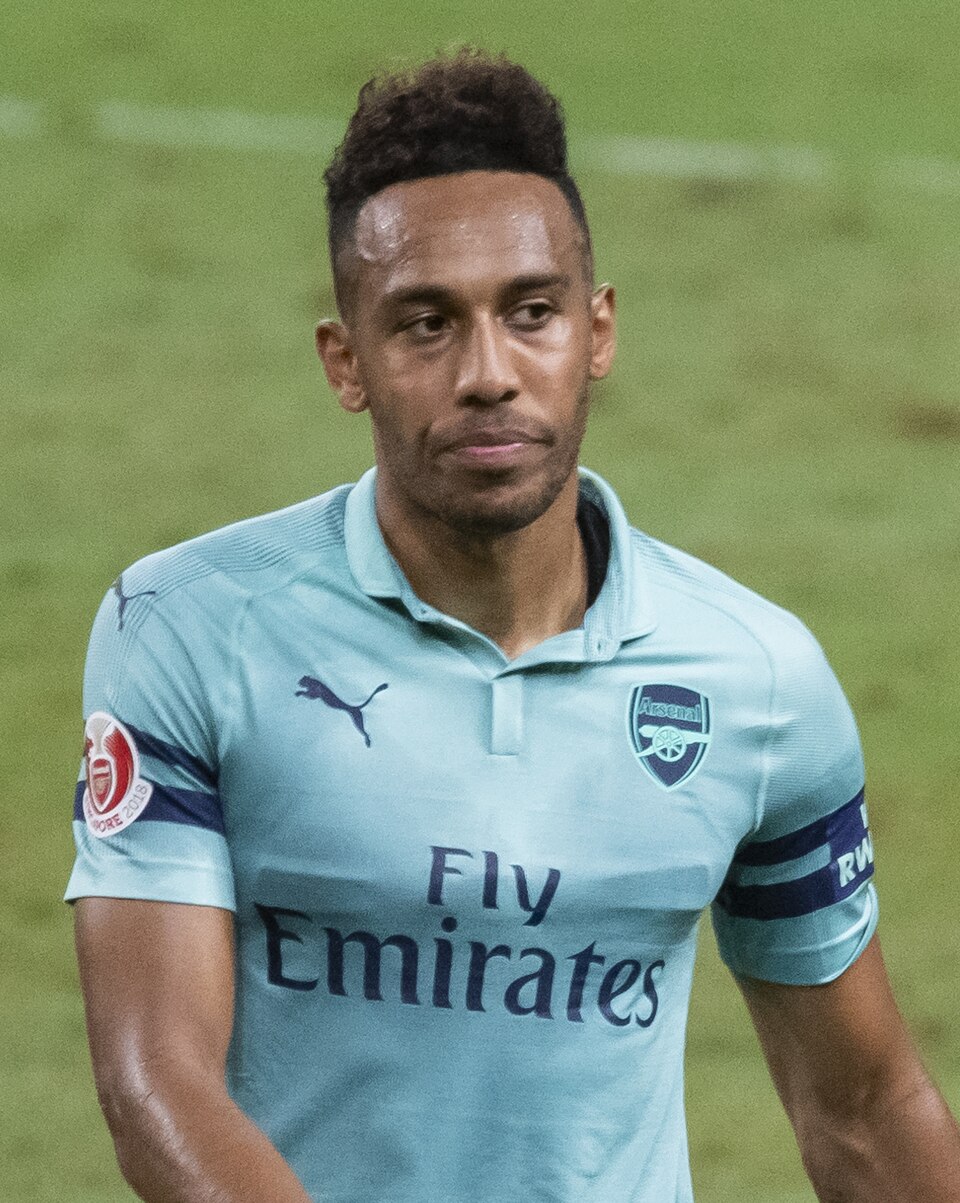

Aubameyang’s 2015 African Footballer of the Year award was a first for Gabon. COSAFA’s January 8, 2016 report records the award and his acknowledgement of both national-team and Borussia Dortmund teammates. The distinction connected a European club career to a country whose players do not receive the same volume of global attention as those from some larger football nations. Source: COSAFA.
The German Football Association’s record documents another milestone: the 2016–17 Bundesliga scoring title, earned with 31 league goals. Barcelona’s historical player profile also records his 2018–19 Premier League top-scorer honour and 2019–20 FA Cup success. These achievements belong to different seasons and football environments. They establish a career through dated results, without relying on a current ranking or a claim that one player alone defined a club. Source: DFB; FC Barcelona historical profile.
For young players with family, upbringing and professional work spread across countries, Aubameyang’s route illustrates how national representation and a mobile career can coexist. The practical lesson is about adapting a skill to different teams, competitions and expectations. Longevity deserves a place beside the breakthrough moment when we discuss what African footballing achievement looks like.
Liberia: George Weah crossed from sporting fame into public responsibility
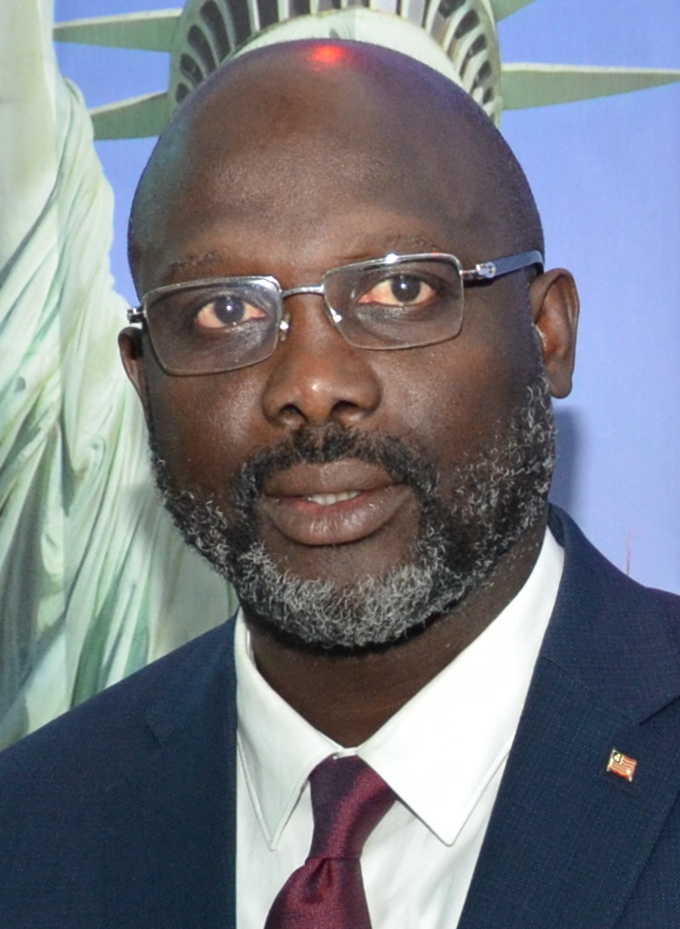

George Weah won the Ballon d’Or in 1995, a landmark for a Liberian footballer competing in Europe. The award’s official profile records the win and his career with clubs including Monaco, Paris Saint-Germain and AC Milan. The honour remains a concrete part of football history, independent of what came later in politics. Source: official Ballon d’Or profile.
Weah went on to serve as Liberia’s president from 2018 to 2024. His former-president’s office records those dates, while the US State Department’s November 17, 2023 statement documents his concession to Joseph Boakai after the November 14 runoff. The transition is a specific episode through which to discuss political responsibility. It is not a comprehensive verdict on his administration. Source: Office of the Former President; US State Department, November 17, 2023.
His inclusion requires holding two standards in view. Sporting excellence can create public trust and recognition; government must be assessed through institutions, policy and citizens’ experience. A football award cannot substitute for that scrutiny. For African and diaspora readers, Weah’s trajectory is therefore more interesting than a simple story of celebrity becoming power. It raises a question that applies well beyond Liberia: what obligations follow when personal popularity becomes public authority?
Mali: Salif Keita carries a musical language and a public cause
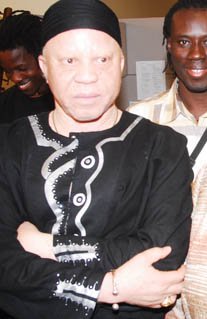

Salif Keita’s career connects musical experimentation with a continuing relationship to Mali. The Philharmonie Luxembourg’s 2025 concert programme traces his work with the Rail Band and Les Ambassadeurs and dates his solo album Soro to 1987. It describes a sound drawing on Mande traditions alongside jazz, rhythm and blues and other popular styles. That history makes musical exchange visible as part of the work itself. Source: Philharmonie Luxembourg programme.
A United Nations Human Rights profile also documents Keita’s experience of discrimination as a person with albinism and his advocacy through the Salif Keita Global Foundation. Those experiences should be reported as part of an individual life, without treating prejudice as a defining characteristic of every Malian or African community. The profile connects his public platform to efforts to challenge stigma and improve support for people with albinism. Source: UN Human Rights.
For diaspora listeners, his music offers a way to think about cultural continuity through movement. A tradition can travel, encounter other instruments and audiences, and remain recognisably connected to its origins. His advocacy adds another dimension: an artist’s visibility can help make an excluded group harder to ignore. The cultural contribution and the cause deserve attention in their own right, with neither reduced to a footnote to the other.
Mozambique: Mia Couto expands the languages of African literature
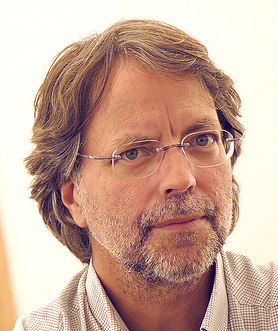

Mia Couto’s first novel, Sleepwalking Land, was published in 1992. World Literature Today identifies it as the representative text considered for his Neustadt nomination and records his 2013 Camões Prize and 2014 Neustadt International Prize for Literature. The dates place international recognition in the context of an established body of work. Source: World Literature Today.
The Neustadt Prize’s biography describes a Mozambican writer born in Beira who moved between medical study, journalism and biology. His writing spans poetry, fiction and books for children. That range provides a broader introduction than the image of a novelist detached from other kinds of observation. His place in African literature also reminds readers to look beyond the English-language shelves that can dominate diaspora book conversations. Source: Neustadt Prize biography.
For Afridiaspo, the practical invitation is to read across the continent’s languages and histories. Translation is part of that relationship: a book reaching a new audience carries the work of both writer and translator. Couto’s career makes room for Mozambique in a discussion that too often returns to the same national canons. Understanding African identity requires that breadth, including the different languages through which people remember, imagine and describe their worlds.
Five careers at a glance
| Name | Country / field | Documented milestone |
|---|---|---|
| Djimon Hounsou | Benin / film | Supporting actor Oscar nominations, 2004 and 2007 |
| Pierre-Emerick Aubameyang | Gabon / football | 2015 African Footballer of the Year; 31 Bundesliga goals, 2016–17 |
| George Weah | Liberia / football and public life | Ballon d’Or, 1995; presidency, 2018–2024 |
| Salif Keita | Mali / music | Soro released, 1987; documented albinism advocacy |
| Mia Couto | Mozambique / literature | Camões Prize, 2013; Neustadt Prize, 2014 |
Milestone sources are linked in each profile.
Recognition is a beginning
These five careers show different relationships between a person and a public. An actor works through a character; a footballer through a team; a politician through institutions; a musician through performance; a writer through language. Their achievements deserve to be described at that level of detail.
For Africans and the diaspora, the next step is to turn recognition into curiosity. Seek out the film, listen beyond the best-known recording, read a translated novel, examine a public record and learn the route behind a sporting result. Cultural connection becomes richer when it includes the work, the collaborators and the questions that a familiar name can open.
Cover: Afridiaspo, supplied Men of the Week illustrative composite; not a documentary group photograph. Individual archival photographs are credited above with source and reuse terms. Their dates differ from the events discussed.