MOZAMBIQUE, ANGOLA and CAPE VERDE STOCK EXCHANGES RENEW PARTNERSHIP TO BOOST CAPITAL MARKETS
— Mary Ene
Mozambique, Angola, and Cape Verde have renewed cooperation among their stock exchanges to deepen financial integration and unlock cross-border investment. The partnership targets liquidity growth, dual listings, and stronger capital market infrastructure. It signals a strategic push to position Lu…
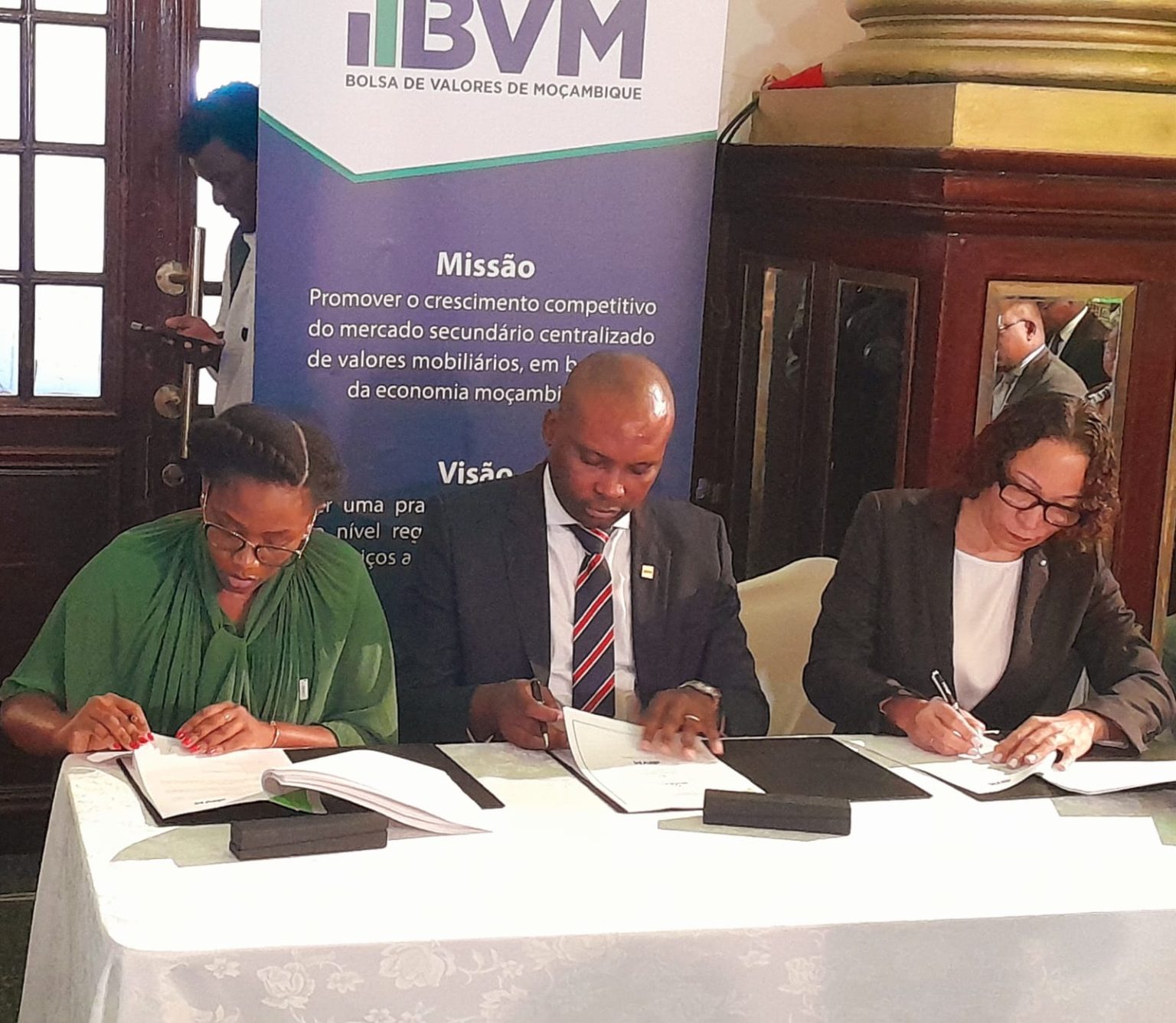
Mozambique, Angola, Cape Verde Stock Exchange, Renews Partnership To Boost Capital Markets Across Lusopuone Africa.
Mozambique, Angola, and Cape Verde have moved to strengthen ties between their stock exchanges in a renewed partnership aimed at accelerating capital market development, improving liquidity, and attracting foreign investment into their economies. The collaboration brings together the Mozambique Stock Exchange, Angola Debt and Securities Exchange (BODIVA), and Cape Verde Stock Exchange, forming a unified front within Lusophone Africa’s financial ecosystem.
The renewed agreement comes at a time when African economies are under pressure to diversify funding sources beyond traditional bank lending. Stock exchanges across the continent are increasingly seen as critical engines for mobilizing long-term capital, particularly for infrastructure, energy, and industrial expansion.
At its core, the partnership is about integration. These three exchanges are aligning regulatory frameworks, trading systems, and market practices to make it easier for companies to raise capital across borders. Mozambique’s exchange, established in 1999, has been undergoing structural reforms to increase its economic contribution, while Angola’s BODIVA is expanding listings and preparing for more IPO activity.
Cape Verde, despite having a smaller market, plays a strategic role. Its exchange has long positioned itself as a modern, internationally aligned platform, adopting hybrid trading systems similar to European markets. This technical maturity gives the partnership a critical edge in credibility and operational standards.
Three Lusophone African nations with shared legal systems, language, and economic ties. The “what” is a renewed capital market alliance. The “when” is unfolding in 2026, amid broader regulatory and financial reforms across the region. The “where” spans Maputo, Luanda, and Praia, but the ambition stretches far beyond these cities.
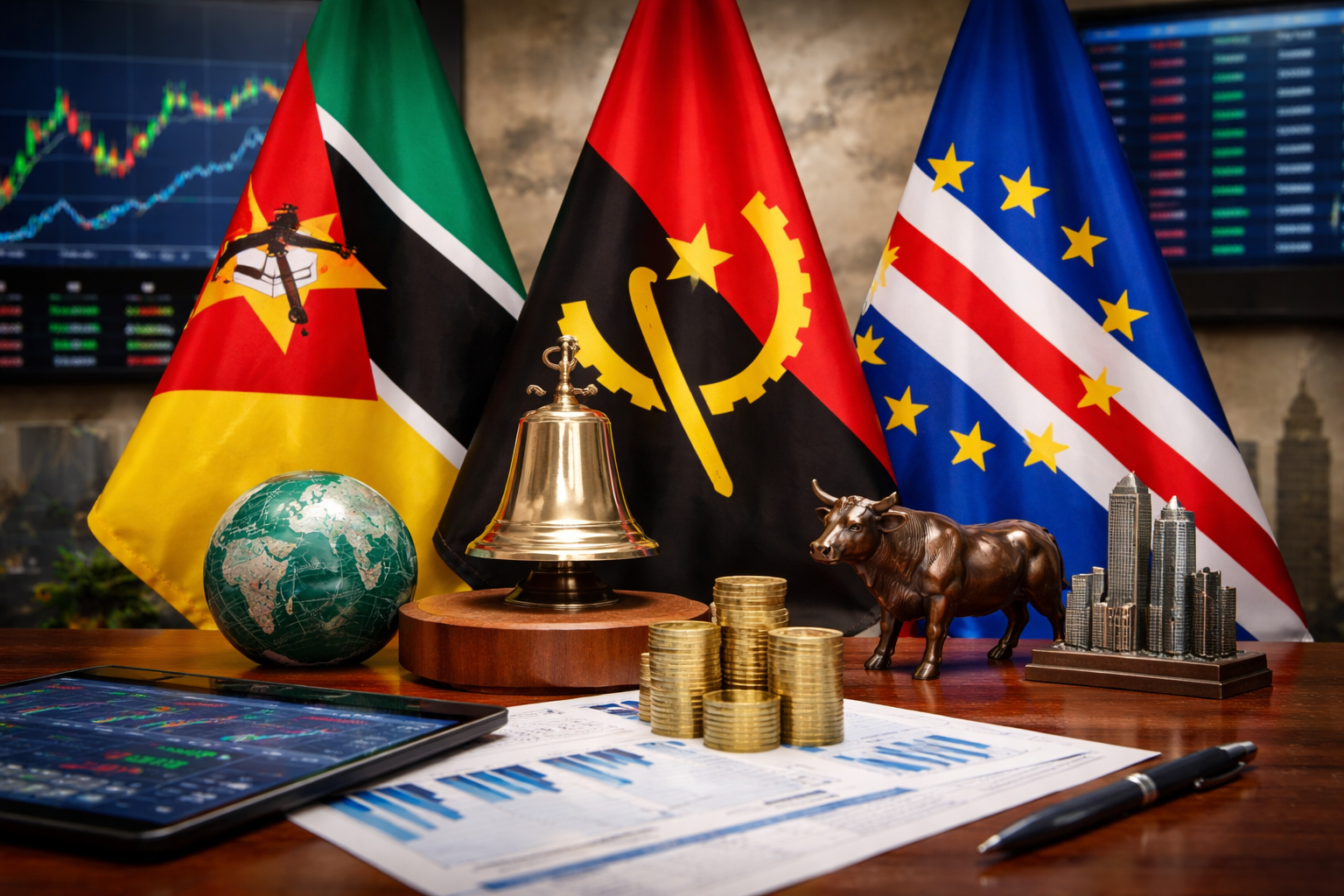
These markets are small individually. Liquidity is thin. Listings are limited. But combined, they create scale. That scale is what global investors look for. Without it, these markets remain invisible. With it, they start to matter.
It involves practical steps: enabling dual listings, harmonizing disclosure rules, sharing market data, and potentially creating cross-border investment vehicles. There is also a strong push toward digital trading infrastructure to remove friction for investors operating across multiple jurisdictions.
This move is not happening in isolation. It aligns with a broader continental push to integrate African capital markets, reduce fragmentation, and compete globally for investment flows. Africa currently has over a dozen small exchanges, many of which struggle with low trading volumes and limited participation.
AFSIC 2026 - Investing in Africa
For businesses, this changes the game. A company in Angola could raise capital from investors in Cape Verde or Mozambique without the traditional bureaucratic drag. For investors, it opens access to new asset classes and emerging growth sectors that were previously difficult to tap.
This isn’t just cooperation, it’s survival strategy. Alone, these markets are weak. Together, they’re building something investable. And if they execute properly, this partnership could quietly become one of the most important financial integration moves in Africa’s next growth cycle.
MOZAMBIQUE, ANGOLA and CAPE VERDE STOCK EXCHANGES RENEW PARTNERSHIP TO BOOST CAPITAL MARKETS