MOZAMBIQUE: FUEL PRICES LIKELY TO RISE, WARNS CHAPO
— Mary Ene
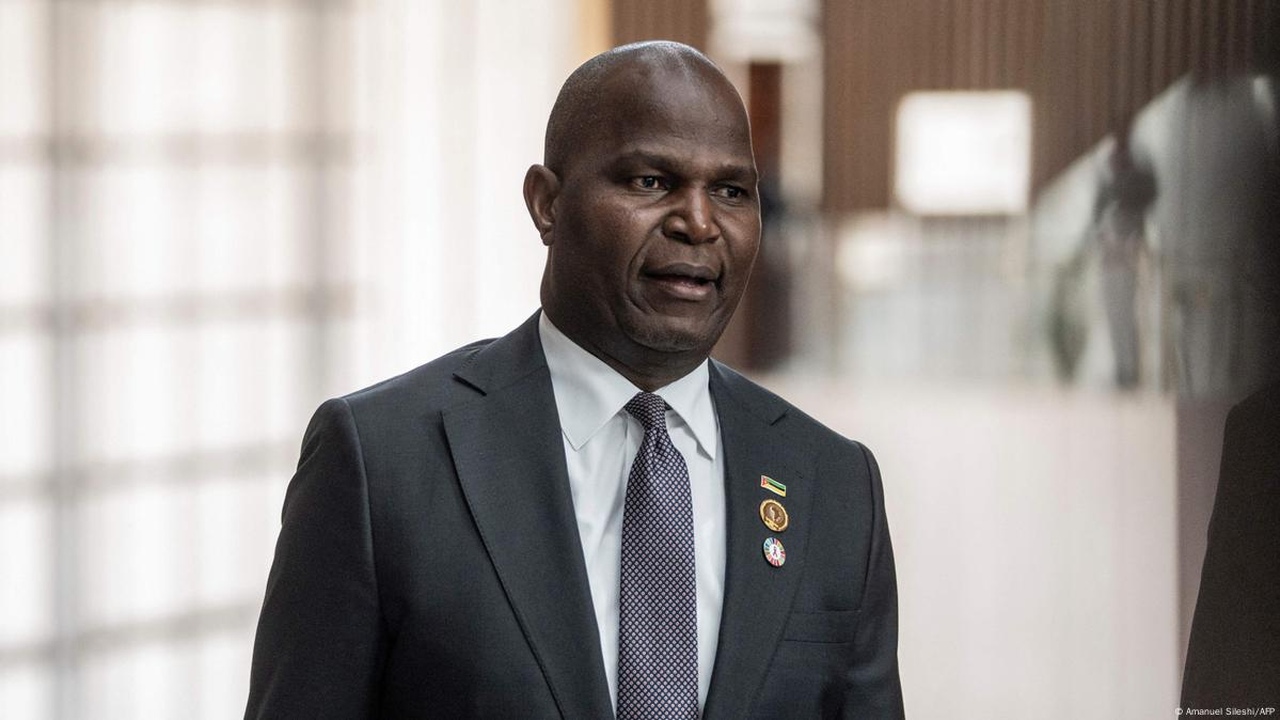
Mozambican President Daniel Chapo has openly warned that fuel prices in the country are likely to rise if the US-Iran war continues, as the Maputo government admits a worsening fuel crisis. Around 80% of Mozambique's fuel imports transit through the Strait of Hormuz, and long queues at petrol stati…
Mozambique's fuel crisis is no longer a future risk it is already on the streets of Maputo, in the queues stretching for hundreds of metres and the petrol stations that have simply run dry.
Speaking in the southern province of Gaza on Tuesday, April 15, President Daniel Chapo was frank about what is coming. "As long as the war continues, we will not be able to keep stretching the current prices for much longer," he said.
His remarks followed the government's admission earlier that day that the country is facing a genuine fuel shortage a reversal from the government's position just days earlier, when it denied any crisis and insisted supply contracts were running normally through 2027.
The vulnerability is structural. Around 80% of Mozambique's fuel imports from the Middle East transit through the Strait of Hormuz, which has been closed to most international shipping since Iran shut the waterway in retaliation for the US-Israeli attacks on February 28.
Aviation fuel prices in Mozambique have already almost doubled, climbing from roughly $769 per tonne to $1,595. Motorists in Maputo on Tuesday faced multi-hour queues and were being limited to 1,000 meticais per fill enough for a dozen litres of petrol.
Chapo has been warning about this trajectory since late March, when he first told the public that price increases could begin by late April or early May depending on the conflict's duration. Since then, he has consistently tried to manage public anxiety while being candid about the limits of government control. "This war is in Iran, but the consequences affect all of us worldwide," he said in Nampula, where he delivered 100 buses to municipalities as a pre-emptive measure to reduce dependence on private cars.
The government has outlined several planned responses if prices rise. Fuel subsidies for public transport would be activated so commuters continue paying the same fares. Chapo promised to inform the public in advance before any price adjustment takes effect, describing reliable government communication as a key tool against panic and misinformation. "When we are close to a situation where fuel prices will rise, we will inform the public," he said.
Mozambique is not alone on the continent. Landlocked countries, which have no port buffer and limited storage capacity, have already been harder hit. But with three major ports Maputo, Beira and Nacala Mozambique has enjoyed a temporary cushion. That cushion, Chapo has made clear, is running out. The question now is not whether prices will rise, but how soon.