MOZAMBIQUE STANDS AT A CRITICAL JUNCTURE – WORLD BANK
— Mary Ene
Mozambique is entering a make-or-break phase as the World Bank warns of rising economic strain, debt pressure, and social vulnerability. Despite massive natural gas potential, growth remains uneven and fragile. The country’s next policy moves will determine whether it unlocks prosperity or deepens…
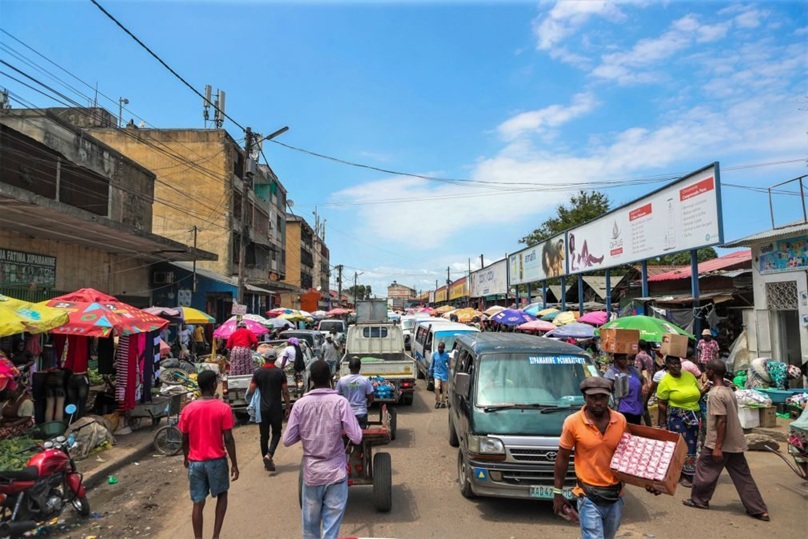
Mozambique is facing a defining economic and social moment, according to the World Bank, as it struggles to balance growth ambitions with mounting structural weaknesses. While the country has seen pockets of progress, especially tied to natural gas investments, broader development remains uneven, exposing deep cracks in fiscal stability, infrastructure, and human capital.
The situation involves multiple stakeholders: the Mozambican government, international financial institutions like the World Bank and IMF, foreign investors in the energy sector, and most critically, millions of citizens dealing with inflation, unemployment, and limited access to basic services. Private sector confidence is also hanging in the balance.
This is playing out across Mozambique, but the impact is most visible in urban centers like Maputo and resource-rich northern regions such as Cabo Delgado. These areas are simultaneously hubs of opportunity and hotspots of insecurity, particularly due to ongoing insurgency threats that continue to disrupt economic activities.
The warning signals have been building over the past decade but intensified after the hidden debt crisis in 2016 and more recently due to global economic shocks, including post-pandemic recovery struggles and rising global interest rates. Now, in 2025–2026, pressure has reached a tipping point.
The country’s economic model is heavily dependent on a few large-scale extractive projects, particularly liquefied natural gas (LNG). While these projects promise long-term revenue, they have not yet translated into widespread economic benefits. At the same time, public debt, governance challenges, and vulnerability to climate shocks are squeezing fiscal space and limiting policy flexibility.
Authorities are attempting reforms aimed at stabilizing public finances, improving transparency, and attracting diversified investment. However, implementation remains inconsistent. Structural reforms in taxation, public spending, and anti-corruption frameworks are progressing slowly, raising concerns among international partners.
Mozambique’s LNG reserves are central to its future. The World Bank highlights that if managed properly, gas revenues could transform the economy. But there’s a catch: delays in project timelines, security risks, and weak institutional frameworks could turn this potential windfall into a missed opportunity or even a resource curse.
Key risks include escalating debt distress, continued insecurity in the north, and failure to translate macroeconomic growth into real improvements in living standards. There’s also the danger of over-reliance on external financing, which could deepen vulnerability to global financial shifts.
The World Bank stresses urgent, decisive action: diversify the economy beyond extractives, strengthen governance, invest in education and infrastructure, and ensure inclusive growth policies.
Mozambique doesn’t lack opportunity, it lacks execution. The next few years will decide whether it becomes a case study in transformation or another cautionary tale in missed potential.