Africa Built the Pipeline. The NBA Moved It to Abu Dhabi.
— Afridiaspo Editorial
The NBA closed its Senegal academy after producing NBA talent. What the Abu Dhabi shift means for African prospects, BAL Elevate and access.
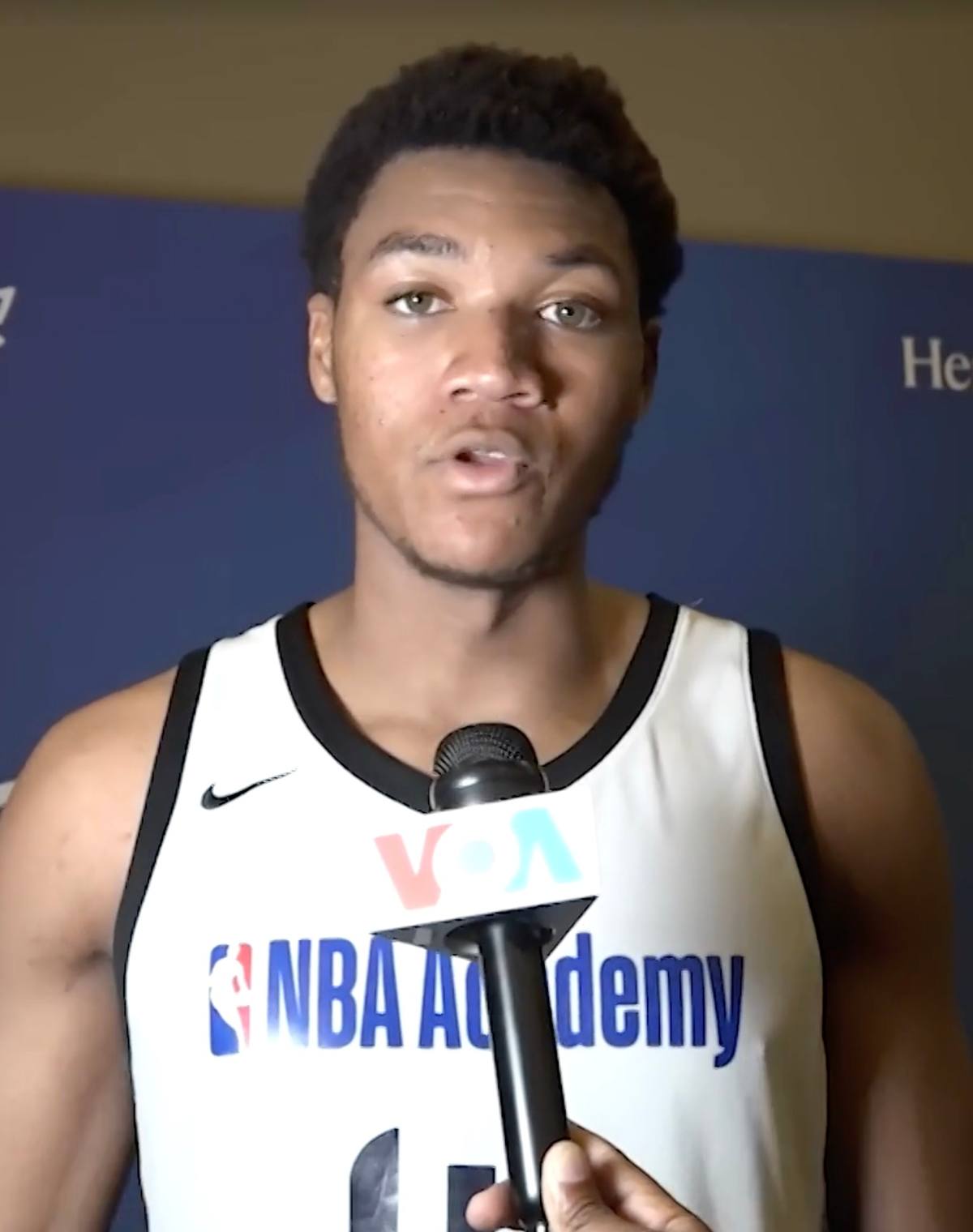
The most persuasive argument for NBA Academy Africa was standing in plain sight. Ulrich Chomche left Cameroon for the academy in Senegal and became its first player drafted directly into the NBA. Khaman Maluach arrived as a 14-year-old from South Sudan via Uganda and became the highest-drafted former Academy Africa and Basketball Africa League player. The pipeline worked.
Now the NBA has closed that pipeline’s only permanent elite training base on African soil.
Reuters reported on October 1, 2026 that NBA Academy Africa in Senegal has shut, with the league moving academy training into a new global hub in Abu Dhabi. The NBA says this is a strategic consolidation—not a retreat from Africa—and argues that one global center will give prospects broader exposure to coaches and scouts. Former academy staff see a harder truth: young Africans will now compete against the world for places outside their own continent.
A pathway built in Senegal
The story began before the purpose-built Saly campus. The NBA and Senegal’s SEED Project opened NBA Academy Africa in Thies in May 2017 as the league’s first elite academy on the continent. In November 2018, the program moved into a new facility in Saly with two indoor courts, dormitories, educational spaces, a weight room, conference rooms and a multipurpose center.
This was not merely a gym with an NBA logo. The model combined full-time coaching with schooling, tutoring, leadership development, health support and preparation for university placement. Players were recruited across national borders and brought into one African residential system.
That geography mattered. A prospect in Cameroon, Nigeria, South Sudan, Senegal or the Central African Republic could be seen within a continental network, train in an African environment and compete in pathways linked to the Basketball Africa League. It did not remove every inequality in scouting or access, but it placed the institution closer to the talent it claimed to serve.

The results make the closure harder to dismiss
The academy’s graduates and former students supplied evidence that African development infrastructure could produce world-class outcomes.
| Player | Academy pathway | Milestone | Why it matters |
|---|---|---|---|
| Ulrich Chomche Cameroon |
NBA Academy Africa; BAL exposure | Selected 57th in the 2024 NBA Draft; first prospect drafted directly from NBA Academy Africa | Demonstrated that a player could move from an Africa-based academy into the NBA draft system. |
| Khaman Maluach South Sudan / Uganda |
Joined the academy at 14; played three BAL seasons; Duke University | Selected 10th in 2025 and traded to Phoenix | Became the highest-drafted former Academy Africa and BAL player. |
| Wider cohort | Scholarships, education, international tournaments and BAL Elevate placements | Many progressed to U.S. schools, universities and professional opportunities | The academy connected athletic development to education and international mobility. |

What Abu Dhabi offers—and what it does not answer
The NBA’s January 2026 announcement describes the Abu Dhabi Global Academy as a year-round basketball and academic hub. It is expected to offer residential programming for up to 24 male prospects from outside the UAE, elite development for up to 20 local boys and basketball programs for local girls.
Consolidation has a sporting logic. Bringing leading prospects together can deepen competition, concentrate specialist coaching and place athletes in front of more international scouts. Abu Dhabi also has modern infrastructure, direct commercial ties to the NBA and a growing schedule of league events.
But efficiency for the institution is not automatically accessibility for the athlete.
| Question | Senegal model | Abu Dhabi model |
|---|---|---|
| Where is the pathway anchored? | On the African continent, with local partner SEED Project. | At a global center in the United Arab Emirates. |
| Who competes for residential places? | Prospects selected from across Africa. | International prospects from Africa and the rest of the world; no public African quota has been announced. |
| What remains nearby? | Training, schooling, dormitories and BAL-linked exposure in Senegal. | The BAL and Basketball Without Borders remain in Africa, but the permanent elite academy does not. |
| What is still unclear? | The program had an established continental scouting and support structure. | Selection numbers, travel and visa support, education arrangements and what replaces the academy-to-BAL Elevate pipeline. |
Those unanswered questions are the core of the story. A young player does not experience “global consolidation” as a slide in a strategy deck. The player experiences an application, a scouting decision, a passport, a visa, a flight, a school transition and the possibility of being selected—or left out.
The BAL continues, but one bridge has disappeared
The NBA points to the Basketball Africa League and Basketball Without Borders as proof that its African commitment remains. Both matter. The BAL has completed six seasons, while the 2026 BAL Elevate program again placed 12 Academy Africa prospects with the league’s 12 teams for professional experience.
Yet that detail sharpens the uncertainty. BAL Elevate drew its participants from NBA Academy Africa. Once the Senegal academy closes, where will the next cohort live, study and train before joining African professional teams? Will prospects be sent from Abu Dhabi back into the BAL? Will a different continent-based program supply them? The NBA’s public explanation has not answered that operational question.
SEED Project itself is not disappearing. Its separate academy in Thies predates the NBA partnership and continues to describe a scholarship model serving boys and girls through education and basketball. That local institution may remain an essential part of Senegal’s development ecosystem. But a community organization continuing its work is not the same as the NBA maintaining its only elite academy on African soil.
A nine-year rise—and an abrupt change
| Date | Milestone |
|---|---|
| May 2017 | NBA Academy Africa opens in Thies with SEED Project. |
| November 2018 | A purpose-built facility opens in Saly. |
| 2022 | BAL Elevate begins placing academy prospects on Basketball Africa League rosters. |
| June 2024 | Ulrich Chomche becomes the first Academy Africa prospect drafted directly into the NBA. |
| June 2025 | Khaman Maluach is selected 10th, the highest-drafted former Academy Africa and BAL player. |
| January 2026 | The NBA announces Abu Dhabi as the future global hub of its academy program. |
| October 1, 2026 | Reuters reports that the Senegal academy has closed. |
What accountability should look like now
The question is not whether the NBA has invested in African basketball. It has. The question is whether the new structure protects the access, educational support and continent-based opportunity that made the Senegal academy valuable.
Five commitments to watch
- African places: Will the NBA publish how many Abu Dhabi residential positions are reserved or routinely available to African prospects?
- Transition protection: What schooling, housing and placement support will current Senegal students receive?
- Scouting access: How will players from countries with limited travel resources reach selection camps?
- BAL Elevate: What will replace the academy-based pipeline that supplied the program?
- Girls’ development: What permanent elite pathway will serve African girls and young women?
The Afridiaspo takeaway
Africa did not simply receive an NBA project. African coaches, educators, families, federations and young athletes helped turn that project into a credible pathway. Chomche and Maluach are evidence of what happens when talent meets sustained infrastructure close to home.
The NBA may be able to build a more globally concentrated academy in Abu Dhabi. But if fewer African teenagers can reach it, the new center will be more efficient only on paper. The measure of the strategy will not be the quality of the building. It will be whether the next unknown player in Bafang, Rumbek, Lagos or Dakar still has a realistic road from a local court to the global game.
Sources: Reuters, October 1, 2026; NBA Communications: Saly facility; NBA Communications: Abu Dhabi Global Academy; NBA Communications: Khaman Maluach; Basketball Africa League: 2026 BAL Elevate; SEED Project Academy.
Featured-image credit: Ulrich Chomche at NBA Academy Africa in 2023. Yacouba Ouedraogo Cheick Thiero/VOA Afrique via Wikimedia Commons; public domain in the United States.