Nigeria Joins 34 Nations in Urgent Hormuz Talks as Global Oil Routes Face Rising Tensions
Nigeria joins 34 nations in emergency talks over Strait of Hormuz tensions. The route carries about 20% of global oil supply, making it critical. Africa faces economic risks and rising fuel costs if disruptions continue.
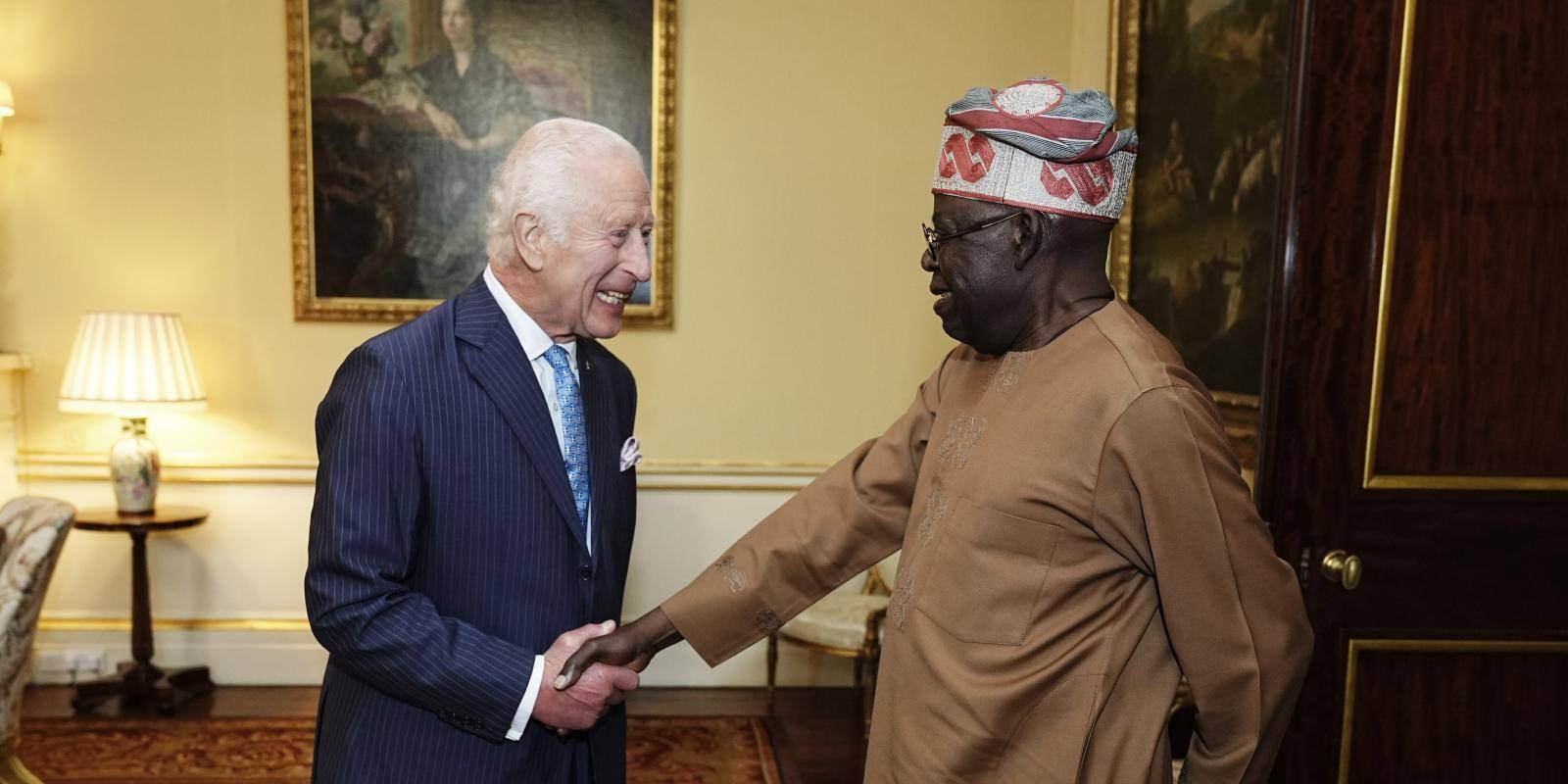
Nigeria is set to join over 34 nations in high-level emergency talks led by the United Kingdom, as global concerns intensify over the security of the Strait of Hormuz—one of the world’s most critical oil shipping routes.
The urgent meeting comes amid escalating tensions in the Middle East, where recent threats to commercial vessels have raised fears of supply disruptions. The talks aim to bring together major oil producers, importers, and maritime powers to stabilize the situation.
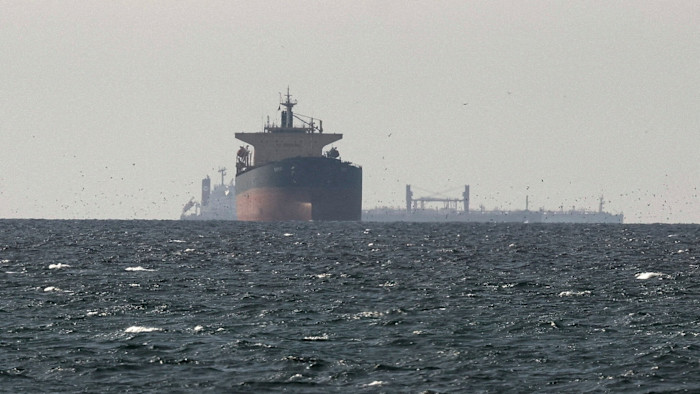
The Strait of Hormuz carries nearly 20% of global oil supply, making it a vital artery for international energy markets. Any disruption in this narrow passage between Iran and Oman can trigger immediate global economic consequences.
Nigeria’s participation highlights Africa’s growing stake in global energy security. As one of the continent’s largest oil producers, Nigeria has a direct interest in maintaining stable oil prices and ensuring uninterrupted trade routes.
President Bola Ahmed Tinubu is expected to align with other global leaders on strategies that include increased naval coordination, intelligence sharing, and diplomatic engagement to reduce tensions in the region.
For Nigeria and many African countries, the stakes are high. Even nations that produce oil still rely on imported refined fuel. Any spike in global oil prices could lead to increased transportation costs, inflation, and economic strain across the continent.
The talks also signal a broader geopolitical shift, where African nations are no longer passive observers but active participants in global decision-making. Nigeria’s presence reinforces its role as a key player in international energy discussions.
However, analysts warn that diplomatic talks alone may not immediately resolve the crisis. The region remains volatile, and long-term stability will depend on sustained cooperation among global powers.
As the world watches closely, Nigeria’s involvement in the Hormuz talks underscores a critical reality: Africa’s economic future is deeply tied to global systems—and its voice in those systems is becoming increasingly important.
Nigeria Joins 34 Nations in Urgent Hormuz Talks as Global Oil Routes Face Rising Tensions