Nigeria’s Two-Week Test After 37 Deaths in Custody
— Afridiaspo Editorial Desk
37 suspected artisanal miners died in NSCDC custody in Nigeria. A two-week inquiry must reconcile survivor accounts and evidence.
Thirty-seven people entered the custody of a Nigerian security agency alive. By the morning of September 17, they were dead. That is the fact around which every competing account in Minna must now be tested.
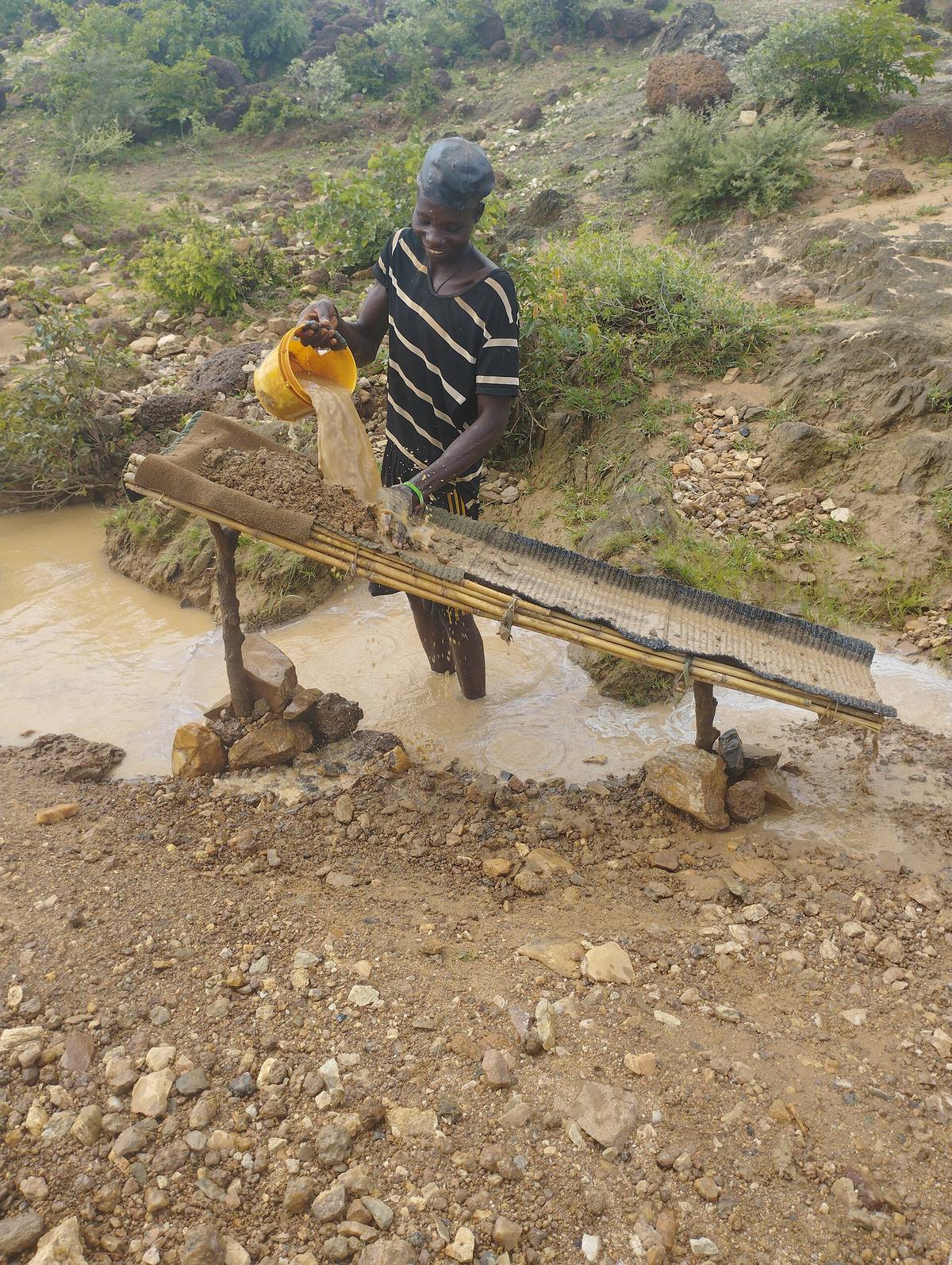
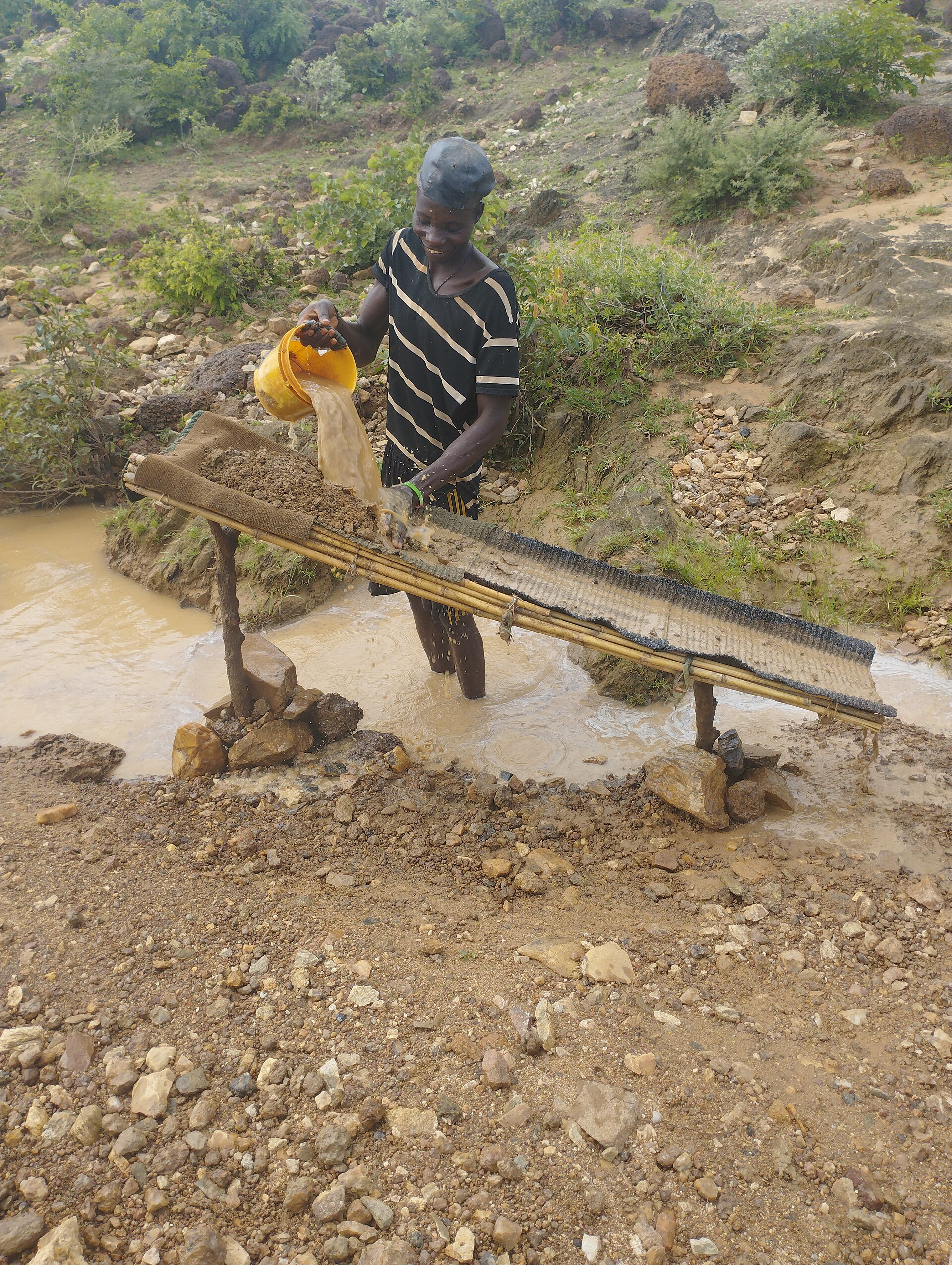
The detainees had been arrested during Nigeria Security and Civil Defence Corps operations against suspected illegal mining in the Wushishi-Lukoto area of Niger State. Many were young artisanal miners; Niger State Governor Mohammed Umaru Bago said numerous victims were children between 14 and 18. Their legal status matters—each was a suspect, not a person stripped of the right to life, dignity, medical care or due process.

President Bola Tinubu ordered an inquiry. Interior Minister Olubunmi Tunji-Ojo suspended the Niger State commandant and 20 named officers pending its outcome. A 10-member committee was formally inaugurated on September 22 and given two weeks to report. Its deadline should fall around October 6.
The question now is whether Nigeria will produce an evidence-led public account—or allow a promise of investigation to become the end of the story.
The accounts that must be reconciled
Reuters interviewed survivors who described dozens of people packed into a small cell. They alleged that guards ignored complaints about overcrowding and sprayed a substance with a perfume- or pepper-like smell under the door. The men said detainees later became distressed, struggled to breathe and collapsed.
Reuters said it could not independently verify those accounts or establish what, if anything, was sprayed. That qualification is essential. Survivor testimony is evidence to investigate, not a final forensic conclusion.
The early official suggestion of a disease outbreak also remains unproven. Medical staff in Minna described blisters, bite marks and brown fluid around some bodies, according to Reuters, but those observations alone cannot identify a cause of death. Samples from three bodies were reportedly sent for further analysis. Many other victims were buried quickly in accordance with Islamic practice, potentially narrowing the evidence available.
A credible report must explain why the government’s initial disease account changed, who supplied that information, and what evidence supported it at the time.
A timeline of the Minna custody deaths
| Date | What happened | Why it matters |
|---|---|---|
| Sept. 15–16 | NSCDC operations detained suspected artisanal miners in the Wushishi-Lukoto area. | Arrest lists, transport records and intake documentation should establish who was taken and when. |
| Sept. 17 | Authorities reported 37 deaths in NSCDC custody. | Cell occupancy, duty logs, medical response and command decisions become central evidence. |
| Sept. 18 | The NHRC opened a preliminary inquiry and called for independent forensic autopsies and evidence preservation. | A separate human-rights investigation can test the official chain of events. |
| Sept. 19 | The Interior Ministry announced the committee and suspended the commandant and 20 officers. | Suspension protects the inquiry only if witnesses and records are also secured. |
| Sept. 22 | The 10-member committee was inaugurated with a two-week reporting period. | A time-limited inquiry now has a measurable deadline and mandate. |

Six questions the report must answer
- Who exactly died? Publish a verified list of names and ages, reconcile it with arrest and release records, and explain whether any detainee remains unaccounted for.
- Was the detention lawful? State the grounds for each arrest, whether detainees were booked and screened, and whether minors were separated and given the protections required for children.
- What were the cell conditions? Establish the room’s dimensions, ventilation, occupancy, temperature and access to water, sanitation and medical attention. Preserve photographs, logs and any available video.
- What caused each death? Release the methodology and findings of independent pathology and toxicology work. The report must distinguish disease, suffocation, chemical exposure, trauma and other possibilities rather than collapse them into a vague conclusion.
- What did officers do when people became distressed? Identify who was on duty, when assistance was requested, when the cell was opened, what first aid was attempted and when emergency services were called.
- What follows the findings? Name disciplinary or criminal referrals, compensation mechanisms for families, detention reforms, inspection timelines and the officials responsible for implementing them.
Independence must be demonstrated, not announced
The committee includes a retired deputy director-general of the Department of State Services, a former director-general of the Nigerian Law School, a professor of histopathology, a retired assistant inspector-general of police, state and mining representatives, a lawyer, a journalist and a public-affairs analyst.
That range of expertise is useful, but composition alone cannot guarantee independence. The public needs to know whether the committee can compel documents and testimony, protect witnesses, retain independent forensic specialists and publish its report without ministerial editing. Families should have a channel to submit evidence and challenge errors.
The Interior Ministry says investigators may access facilities and documents, request public memoranda and co-opt experts. It also warned against destroying evidence, intimidating witnesses or obstructing the inquiry. Those powers should be visible in practice.
“We owe you the truth,” Tunji-Ojo said at the committee’s inauguration.
The mining question cannot erase the custody question
Illegal and unsafe mining is a serious Nigerian governance problem. It can expose children and adults to dangerous work, damage communities, deprive the state of revenue and intersect with criminal networks. The government has a duty to enforce mining law.
But enforcement and custody are different stages. Suspicion of illegal mining does not authorize overcrowding, mistreatment or denial of medical care. The NHRC made that point directly: arrest does not extinguish constitutional rights, and everyone in custody must be treated with dignity.
The United Nations Standard Minimum Rules for the Treatment of Prisoners, known as the Nelson Mandela Rules, set baseline expectations for humane treatment, health care, recordkeeping and investigation of deaths or serious injuries in custody. Nigeria’s response should be judged against those standards as well as its own law.
Why the case matters beyond Minna
Custody creates a special duty: once the state removes a person’s freedom, it assumes responsibility for that person’s basic safety. When 37 people die in one facility, the burden is not on families to prove why the state should explain. The state must produce records, science and accountability.
For Nigerians abroad, this is not a distant institutional argument. Diaspora families often pay legal fees, transport bodies, support dependants and pursue information when relatives encounter state agencies. A credible investigation can strengthen trust; an opaque one exports grief and suspicion across borders.
The Afridiaspo takeaway
The committee should not be measured by the prestige of its membership or the force of its promises. It should be measured by whether it names the dead, tests every competing account, publishes the forensic evidence, protects survivors and identifies consequences.
Thirty-seven deaths demand more than a press conference. By early October, Nigeria should be able to tell the families what happened—and what will change so that no detention cell becomes another unexplained grave.
Sources
- Reuters: survivor accounts and forensic questions
- Nigeria Ministry of Interior: committee mandate and suspensions
- Federal Ministry of Information: committee inauguration and deadline
- National Human Rights Commission: preliminary investigation
- UNODC: Nelson Mandela Rules
- Wikimedia Commons: featured-image source and license