October’s African Film Calendar: What to Watch—and What to Watch For
— Afridiaspo Editorial Team
October's African film calendar includes a Nollywood classic return, two October 16 releases, and virtual screenings and festivals in Accra and Abuja.
October opens with African cinema moving through several doors at once: a Nigerian faith-film classic returns to theatres, a South African romantic-comedy sequel heads to streaming, a political melodrama arrives across West Africa, and festivals in Accra, Abuja and California create different routes to audiences.
This Afridiaspo guide separates confirmed release information from marketing language. Where we have not screened a title, we call it a preview—not a review—and identify the creative question worth watching.
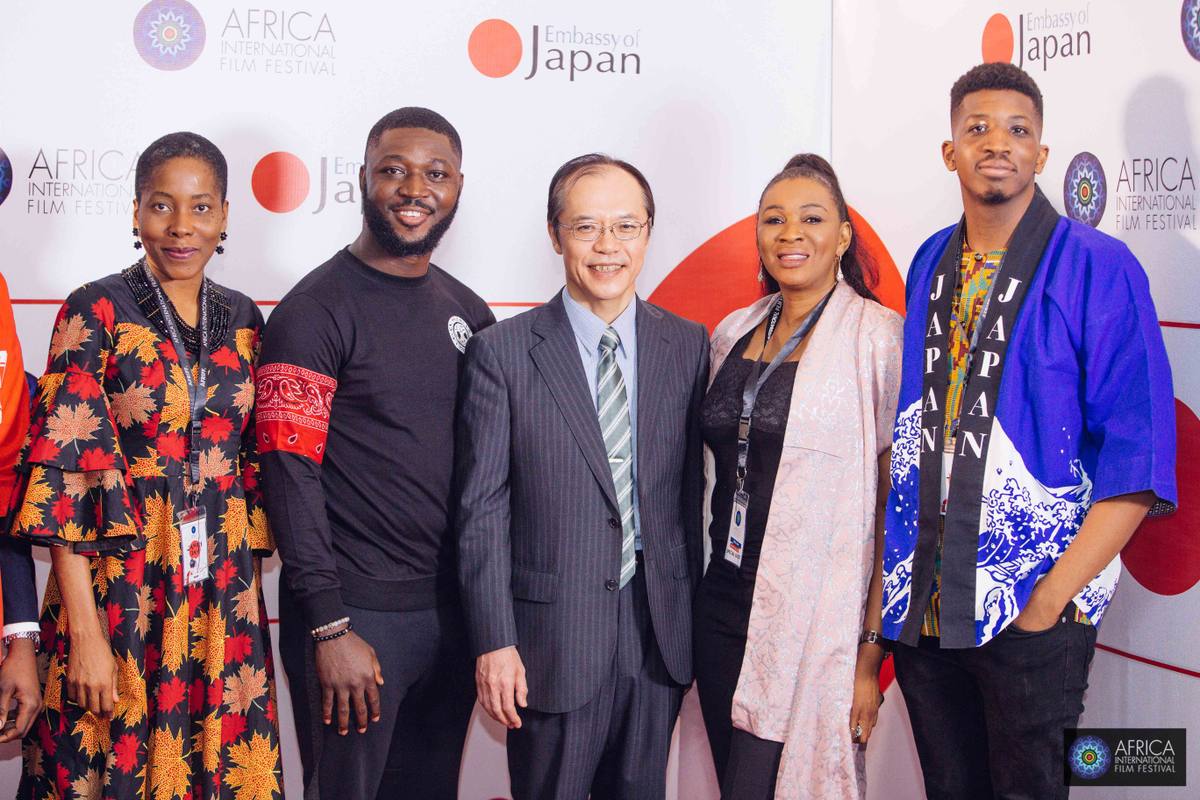
Featured image: Attendees at the Africa International Film Festival in 2019. Credit: Yanibes/Wikimedia Commons, CC BY-SA 4.0. This archival photograph is used to illustrate African film culture and does not depict any 2026 event or title listed below.
October 2026 at a glance
| Date | Title or event | Where | What is confirmed |
|---|---|---|---|
| October 1 | Agbara Nla: The Return | Nigerian cinemas | A new feature based on Mike Bamiloye’s early-1990s Mount Zion story; distributed theatrically by Nile Entertainment. |
| October 4 | Silicon Valley African Film Festival virtual day | Free online; registration required | A full day of official selections from 8:00 a.m. to 3:30 p.m. Pacific time. |
| October 5–11 | EU Film Festival Ghana | Partner venues in Accra | Screenings, filmmaker conversations and industry activities connecting Ghanaian and European cinema. |
| October 8–11 | Silicon Valley African Film Festival | California and official festival programme | The festival’s 17th annual celebration of filmmakers from Africa and the diaspora. |
| October 16 | First Lady | Cinemas across West Africa | A political family drama written, produced and led by Fehintola Olulana; distributed by Tribe Nation Theatrical. |
| October 16 | Seriously Single Too | Netflix | The South African romantic-comedy sequel reunites Dineo and Noni as an unexpected proposal disrupts their plans. |
| October 20–24 | Abuja International Film Festival | Abuja, Nigeria | The 23rd edition focuses on AI, ethics and the future of filmmaking. |
Availability can change by cinema, city and streaming territory. Confirm local showtimes or catalogue access before paying or travelling.
Already in cinemas: Agbara Nla: The Return
The first major Nigerian listing of the month is also a conversation with Nollywood history. Agbara Nla: The Return opened in Nigerian cinemas on October 1, with Nile Entertainment handling distribution.
The film is a modern feature based on the Mount Zion story created by Mike Bamiloye in the early 1990s. According to advance reporting, Damilola and Joshua Mike-Bamiloye revisit Muwonleru, a community under the control of the herbalist Isawuru. The conflict begins when Christian missionaries enter the village and the story moves toward spiritual warfare.
Mike Bamiloye appears as Isawuru, with Aanu Kolade Abiodun, Remilekun Mosiko, Philip Olubakin, Damilola Mike-Bamiloye, Gloria Mike-Bamiloye and David Kola Okeowo among the announced cast. Chris Odeh is credited as producer.
What to watch for
The important question is not simply whether nostalgia draws an audience. It is whether the new film translates a story built for an earlier home-video and television culture into contemporary cinema without losing the moral seriousness that made the original memorable.
Afridiaspo is not assigning a rating based on a synopsis or trailer. A full review should assess the completed film’s performances, visual language, treatment of indigenous belief and whether the light-versus-darkness framework creates complex characters or only symbols.
Two different relationship films arrive October 16
First Lady: private longing inside public power
Tribe Nation Theatrical Distribution says First Lady will open in cinemas across West Africa on October 16. Yinka Akanbi directs, while Fehintola Olulana wrote, produced, executive-produced and stars in the drama.
Olulana plays Adunola, the First Lady of Lagos State, whose public status and private desire for a child collide. The announced cast includes Desmond Elliot, Ibrahim Suleiman, Ngozi Nwosu, Jaiye Kuti, Abiola Segun-Williams and Oluwakemi Iyanda.
The premise gives the film an opportunity to examine the gendered pressure surrounding motherhood, the performance of political respectability and the unequal consequences of choices made by powerful families. The test will be whether the film grants Adunola full interiority while holding power accountable—or uses reproductive pain mainly as a trigger for scandal.
The distributor says the screenplay won Best Screenplay at the 2025 Toronto International Nollywood Film Festival after receiving nominations in four categories. That festival recognition is useful context, but it is not a substitute for evaluating the finished theatrical release.
Seriously Single Too: can the friendship remain the centre?
Netflix lists Seriously Single Too as a 2026 South African romantic comedy and has scheduled it for October 16. The sequel reunites best friends Dineo and Noni, played by Fulu Mugovhani and Tumi Morake, after Noni’s boyfriend proposes unexpectedly.
The announced cast also includes Buntu Petse, Keke Mphuthi, Yonda Thomas, Thabiso Rammusi, Motlatsi Mafatshe and Harriet Manamela.
The first Seriously Single built its appeal around friendship as much as romance. The sequel’s strongest creative path would be to treat the proposal not merely as an endpoint, but as pressure on the women’s bond, independence and competing ideas about adulthood. That is the lens Afridiaspo will bring to a full review after release.
Three festival routes beyond the commercial release calendar
Silicon Valley African Film Festival: a free online doorway
The Silicon Valley African Film Festival lists a free virtual screening day for Sunday, October 4, from 8:00 a.m. to 3:30 p.m. Pacific time. Registration is required. Its wider 17th annual celebration runs October 8–11.
For diaspora viewers who cannot travel to a major African film festival, the virtual day is the most accessible listing in this guide. The official selection page allows visitors to browse titles, countries, directors and screening information before building a watchlist.
EU Film Festival Ghana: cinema as exchange
The EU Film Festival Ghana returns to Accra from October 5 to 11 after a five-year absence, according to the Ghana News Agency. The announced venues include the Goethe-Institut Ghana, British Council, Alliance Française and the Austrian Embassy, alongside other partners.
The programme is built around “Peace, Tolerance, and Inclusion” and combines screenings with question-and-answer sessions, filmmaker conversations and industry activity. Its relevance is not limited to the films on screen: festivals can create relationships for co-production, distribution and professional exchange that individual releases often cannot.
Abuja International Film Festival: AI moves from tool to argument
The 23rd Abuja International Film Festival runs October 20–24. Its theme—“Frames Without Borders: AI, Ethics, and the Future of Filmmaking”—places authorship, intellectual property, employment, representation and cultural identity inside the programme.
That conversation is especially consequential for African filmmakers. Generative tools may lower some production barriers, but they can also reproduce stereotypes, obscure ownership and weaken already-fragile compensation systems. The value of the Abuja programme will lie in whether it moves past spectacle and gives filmmakers practical standards for consent, credit and creative control.
What this calendar says about African screen culture
These listings reveal three overlapping markets.
- Theatrical Nollywood is using both legacy intellectual property and new star-led drama to persuade audiences to buy tickets.
- Global streaming can place a South African sequel before viewers across many territories on the same day, although catalogue access still varies.
- Festivals remain essential for films that need discovery, conversation, industry connections or a diaspora audience beyond conventional distribution.
No single route solves African cinema’s distribution problem. Theatres offer communal viewing but limited geographic reach. Streaming offers scale but little control over platform visibility. Festivals offer context and credibility but often only a short viewing window.
For audiences, October’s best strategy is therefore mixed: support a local cinema release, use the free virtual festival access where available and save the confirmed streaming date. For filmmakers, the calendar is a reminder that release planning now means designing several audience journeys rather than waiting for one gatekeeper.
The Afridiaspo watchlist
Best historical conversation: Agbara Nla: The Return, because its real test is how a formative faith-film text changes when remade for contemporary cinemas.
Most promising character study: First Lady, if it can connect reproductive pressure, marriage and political image-making without reducing its heroine to a cautionary device.
Most accessible new African film: Seriously Single Too on Netflix, subject to regional availability.
Best free diaspora access: the Silicon Valley African Film Festival’s October 4 virtual screening day.
Most urgent industry conversation: the Abuja International Film Festival’s programme on AI, ethics and authorship.
Sources and official listings
- Nollywood Reporter: Agbara Nla: The Return release details
- Tribe Nation Theatrical: First Lady release and credits
- Netflix: Seriously Single Too
- Silicon Valley African Film Festival: official selections and virtual screening
- Ghana News Agency: EU Film Festival Ghana dates and venues
- Abuja International Film Festival: 2026 programme
- Featured-image source and CC BY-SA 4.0 licence
October’s African Film Calendar: What to Watch—and What to Watch For