Oil Prices Surge Across Africa as Iran War Triggers Fuel Shock
— Anita okhipo
The Iran war is not just a geopolitical crisis — it is now an economic shockwave hitting Africa at scale. From Lagos to Nairobi, rising fuel prices are affecting daily life, exposing structural weaknesses in energy systems, and forcing governments into difficult economic decisions. For millions acr…
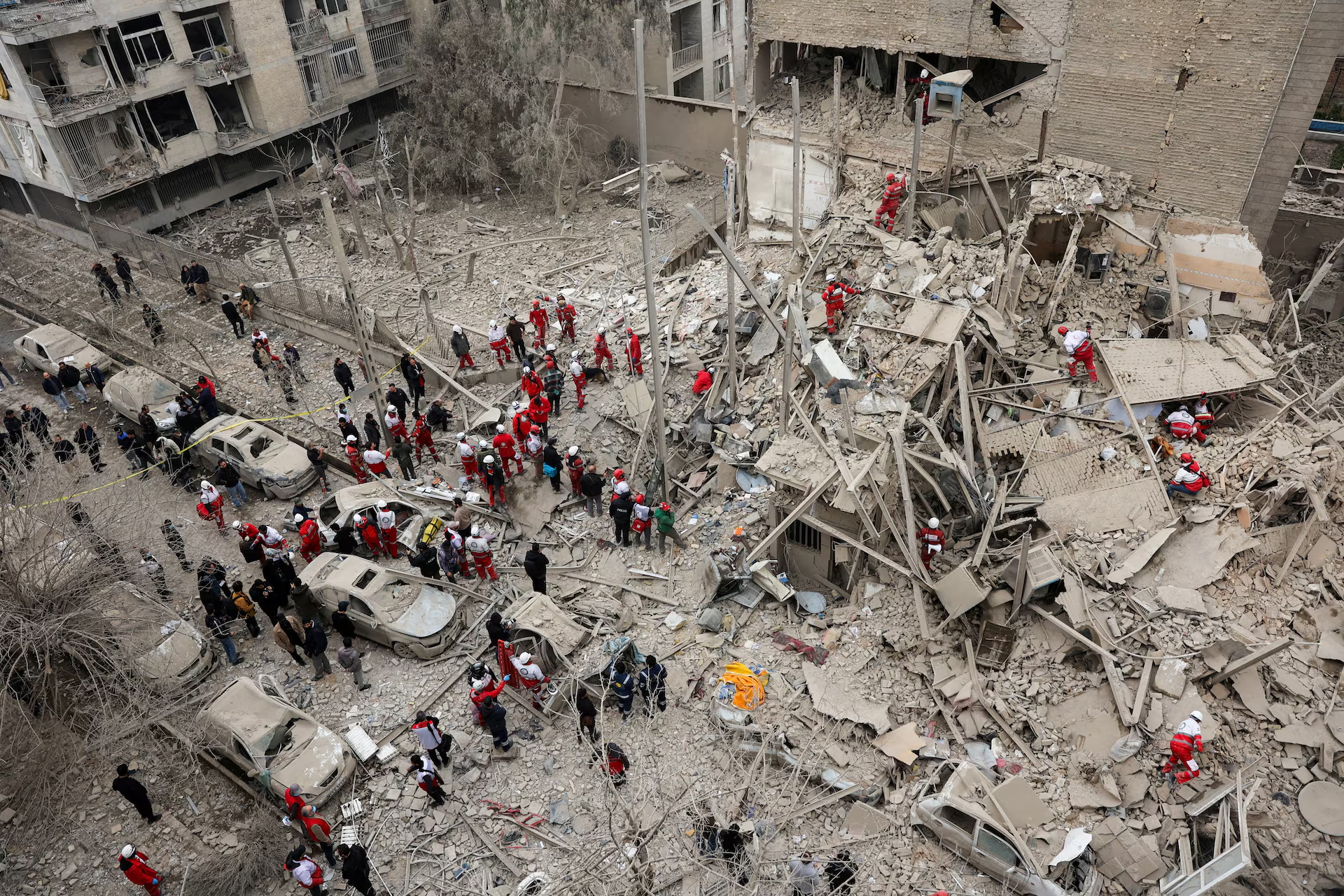
NAIROBI / LAGOS / CAIRO — Fuel prices across Africa are rising sharply as the ongoing Iran war disrupts global oil supply, exposing the continent’s deep dependence on imported petroleum and triggering economic pressure across multiple sectors.
The conflict has significantly affected global oil markets, particularly through disruptions in the Strait of Hormuz, one of the world’s most critical oil transit routes. With a large share of global crude passing through this corridor, any instability has immediate ripple effects — pushing up prices worldwide.
For African countries, the consequences are direct and severe.
Why the War Is Driving Prices Up
The Iran war has created a perfect storm in global energy markets:
Supply disruptions from the Middle East
Higher shipping and insurance costs
Market panic and speculative trading
Currency depreciation in African economies
As a result, the cost of importing refined fuel has surged, forcing many African governments and consumers to absorb higher prices.
Africa’s Structural Vulnerability
Despite being resource-rich, Africa remains heavily dependent on imported refined petroleum. Even oil-producing countries like Nigeria export crude but import refined fuel due to limited refining capacity.
This means:
When global oil prices rise → African pump prices rise immediately
When shipping routes are disrupted → supply delays worsen shortages
When currencies weaken → fuel becomes even more expensive
Country-by-Country Fuel Price Changes After the Iran War
Below is the most comprehensive available dataset across African countries, showing gasoline price changes since the start of the Iran war:
Major Increases (High Impact Countries)
Nigeria: +48.7% (largest increase on the continent)
Egypt: +14.3%
Morocco: +13.9%
Sierra Leone: +12.3%
Zimbabwe: +9.6%
Ethiopia: +7.9%
Moderate Increases
Cape Verde: +6.7%
Liberia: +4.9%
Tanzania: +2.7%
Lesotho: +1.4%
South Africa: +1.0%
Minimal or Delayed Changes (Price Controls / Subsidies)
(Prices expected to rise later due to government controls)
Algeria: 0.0%
Angola: 0.0%
Benin: 0.0%
Botswana: 0.0%
Burkina Faso: 0.0%
Burundi: 0.0%
Cameroon: 0.0%
Central African Republic: 0.0%
DR Congo: 0.0%
Gabon: 0.0%
Ghana: 0.0%
Guinea: 0.0%
Ivory Coast: 0.0%
Kenya: 0.0%
Libya: 0.0%
Malawi: 0.0%
Mali: 0.0%
Mauritius: 0.0%
Mozambique: 0.0%
Namibia: 0.0%
Niger: 0.0%
Rwanda: 0.0%
Senegal: 0.0%
Sudan: 0.0%
Eswatini: 0.0%
Togo: 0.0%
Tunisia: 0.0%
Uganda: 0.0%
Price Decreases (Temporary / Policy Effects)
Madagascar: -3.9%
Zambia: -4.6%
Seychelles: -0.1%
Why Some Countries Show No Increase (Yet)
Many African governments regulate fuel prices through subsidies or fixed pricing systems. This means:
Governments absorb the cost temporarily
Price increases are delayed, not avoided
Fiscal pressure builds over time
Experts warn that once subsidies become unsustainable, sharp price hikes may follow suddenly.
Economic Impact Across Africa
The rise in fuel prices is already triggering wider economic effects:
1. Inflation Surge
Transport costs increase → food prices rise → cost of living worsens
2. Pressure on Governments
Countries must choose between:
Subsidizing fuel (expensive)
Passing costs to citizens (politically risky)
3. Business Strain
Higher logistics costs
Reduced profit margins
Slower economic activity
4. Currency Weakening
Higher import bills put pressure on foreign reserves, weakening local currencies further.
Winners vs Losers
Oil Exporters (Mixed Impact)
Nigeria, Angola → higher revenues
BUT still face domestic inflation and subsidy costs
Oil Importers (Worst Hit)
Kenya, Morocco, Senegal → rising fuel bills
Increased economic vulnerability
Fragile Economies
Chad, Ethiopia → double pressure (economic + humanitarian)
What Happens Next
Analysts warn that the situation could worsen if:
The war escalates further
Shipping routes remain unstable
Oil prices stay elevated
Because many African countries have not yet fully adjusted pump prices, the current increases may only represent the first wave of impact.
Oil Prices Surge Across Africa as Iran War Triggers Fuel Shock