Presidential Elections In The Republic Of Congo
— Mary Ene
President Denis Sassou Nguesso has been re‑elected for a fifth term in the Republic of Congo’s presidential election, securing nearly 95 % of votes amid widespread criticism and allegations of unfair practices. The March 15, 2026 election saw opposition boycotts, an internet blackout, and questions…
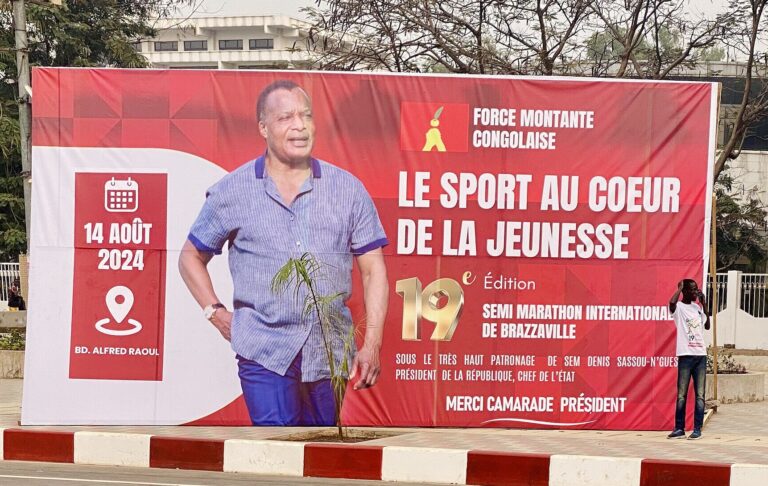
🇨🇬 Breaking: Republic of Congo Election Draws Global Scrutiny as Long‑Time President Secures Landslide Win
In a highly controversial vote that has drawn global attention, President Denis Sassou Nguesso was declared re‑elected on March 17, 2026 with a staggering 94.82 % of the vote, according to provisional results announced by the Republic of Congo’s Interior Ministry.
The presidential election, held on March 15, saw more than 3.1 million registered voters, with official data reporting a turnout of approximately 84.65 %—a figure disputed by observers who noted sparse lines at many polling stations, especially in the capital, Brazzaville.
President Sassou Nguesso, 82 years old and in power for nearly four decades, has dominated Congolese politics since the late 1970s and, despite constitutional limits originally aimed at restricting tenure, has remained a fixture following legal changes and political maneuvers.
Seven candidates were approved to run, but all faced overwhelming odds. Sassou Nguesso’s closest competitor, Mavoungou Zinga Mabio of the Alliance for Democratic Alternation, garnered just 1.48 % of the vote, while other minor candidates saw even lower support.
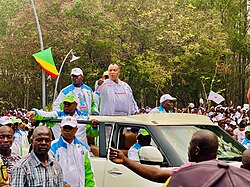
The election was nationwide, but the political environment painted a stark contrast between urban centers and rural areas. Observers reported that opposition presence was minimal, and in some regions, opposition parties had called for a boycott of the polls amid fears of manipulation.
Critics, including political analysts and rights groups, say the race was effectively uncompetitive, with allegations of opposition suppression, limited campaign freedoms, arrests of activists, and reported internet blackouts on election day that hindered transparency.
How voters were able to participate was also questioned: despite official turnout claims, on‑the‑ground reports and international observers noted short or empty queues, raising doubts about the true level of engagement and the integrity of reported figures.
The election’s outcome means Sassou Nguesso will extend his rule into a fifth consecutive term, a tenure now spanning roughly 42 years, making him one of Africa’s longest‑serving leaders.
As global media and human rights advocates continue to dissect the process, international pressure may mount on Brazzaville to ensure future elections reflect genuine competition and broader public participation. For now, the Republic of Congo enters another chapter under the familiar leadership of President Sassou Nguesso—amid applause from loyalists and concern from critics.