PRESSURE ON GRAIN FARMERS AS WAR DRIVES UP INPUT COSTS
— Mary Ene
Global grain farmers are being squeezed as input costs surge by up to 2.80%, driven by war-disrupted supply chains and energy shocks. Fertilizer, fuel, and logistics costs are rising faster than crop prices, eroding already thin margins. The pressure is threatening food security, especially in impo…
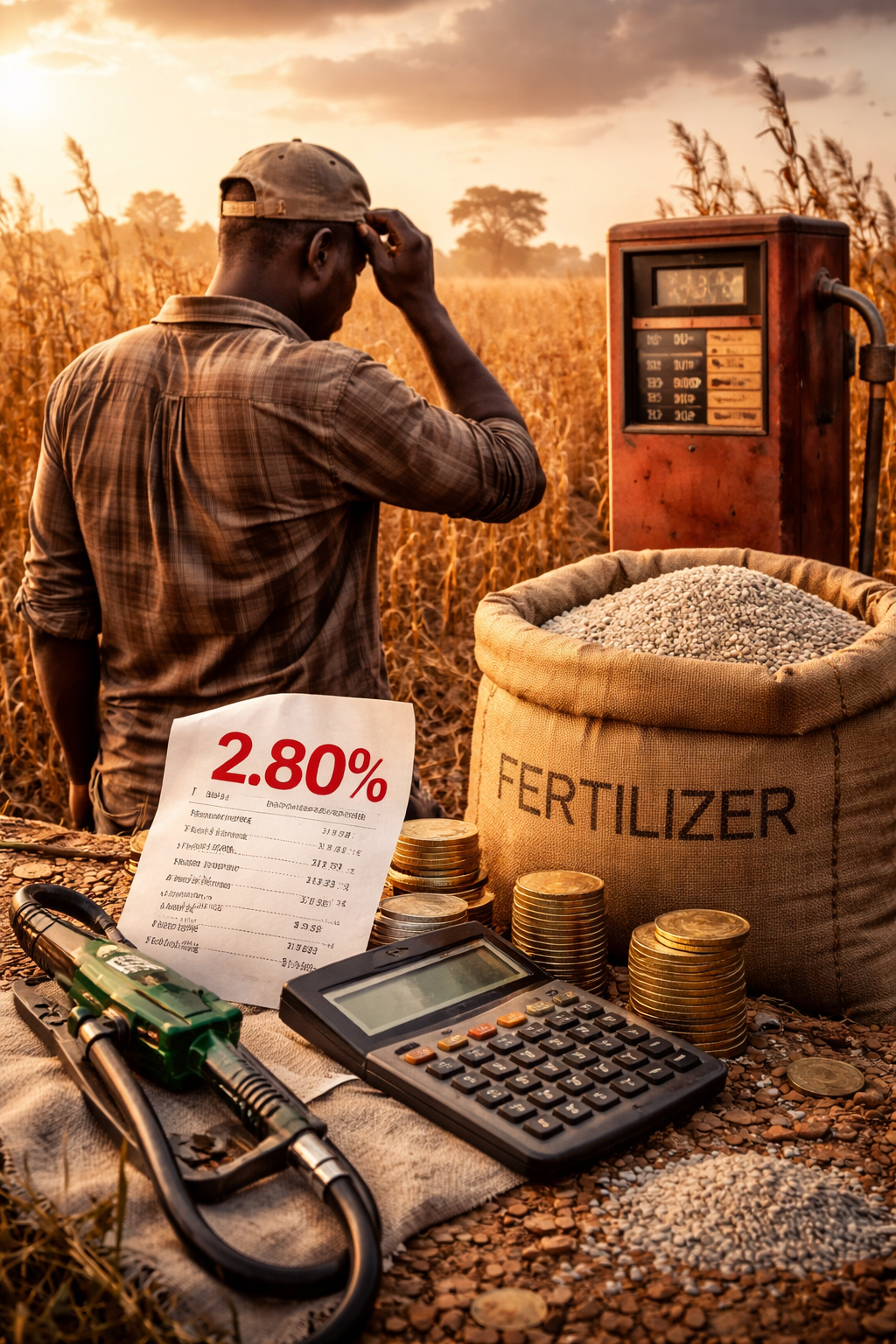
Grain farmers across the world are facing mounting financial pressure as the cost of critical inputs climbs by as much as 2.80%, a spike directly tied to ongoing geopolitical conflicts. The war-driven disruption of global supply chains has created a ripple effect, pushing up the prices of fertilizer, fuel, and agricultural chemicals—inputs that farmers cannot operate without.
The crisis is being felt most acutely in major grain-producing regions, including parts of Europe, North America, and Africa. Countries heavily reliant on imported agricultural inputs are now struggling to maintain production levels, as suppliers either hike prices or cut deliveries altogether. This imbalance is tightening global food supply at a dangerous pace.
At the center of the issue is fertilizer, a key component in grain production. Russia and Belarus—two major global exporters—have faced sanctions and export restrictions due to the war, choking supply. As a result, fertilizer prices have surged, forcing farmers to either pay more or use less, both of which reduce profitability and yields.
Fuel costs are another major driver.
Modern agriculture is heavily mechanized, and every stage—from planting to harvesting to transportation—depends on diesel. With energy markets destabilized by conflict, fuel prices have become volatile, pushing operational costs higher and eating into farmers’ margins.
Logistics has also become a bottleneck. War has disrupted key shipping routes and increased insurance and freight costs. Grain farmers are now paying more just to move inputs into their farms and transport harvested crops to market, further compounding the financial strain.
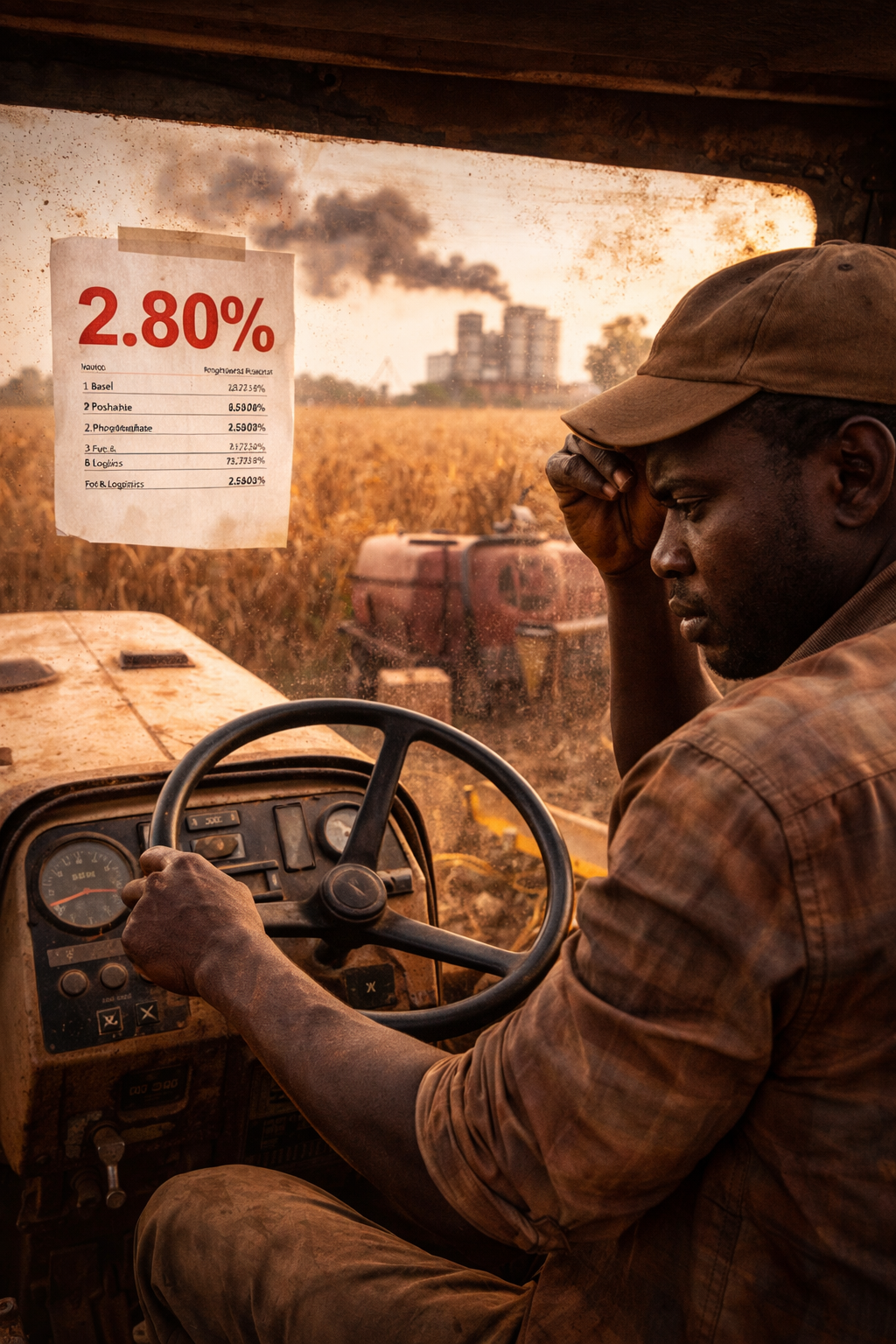
The timing could not be worse. Many farmers entered the planting season with tight budgets, expecting moderate stability. Instead, they are now forced to make difficult decisions—cut back on acreage, reduce fertilizer use, or take on debt. Each option carries risk, and collectively, they threaten overall grain output.
For regions like Africa, the implications are severe. Many African countries rely on imported grains or inputs to sustain local production. As global prices rise and supply tightens, food inflation accelerates, putting millions at risk of hunger and deepening economic vulnerability.
Governments and international organizations are scrambling to respond. Some are introducing subsidies or emergency support for farmers, while others are seeking alternative supply chains. However, these measures are often reactive and insufficient against a crisis that is global and deeply interconnected.
Ultimately, the 2.80% rise in input costs is not just a statistic—it is a warning signal. If the pressure on grain farmers continues unchecked, the world could face reduced harvests, higher food prices, and a worsening food security crisis. The situation demands urgent, coordinated action before the strain on farmers translates into a full-blown global food emergency.