From Lagos Street Videos to Chanel: Rachel Ojuromi Makes Her Paris Debut
— Afridiaspo Editorial
Rachel Ojuromi’s Chanel debut, with earlier discovery stories of Olajumoke, Eniola Abioro, Mayowa Nicholas, Anok Yai and Alek Wek.
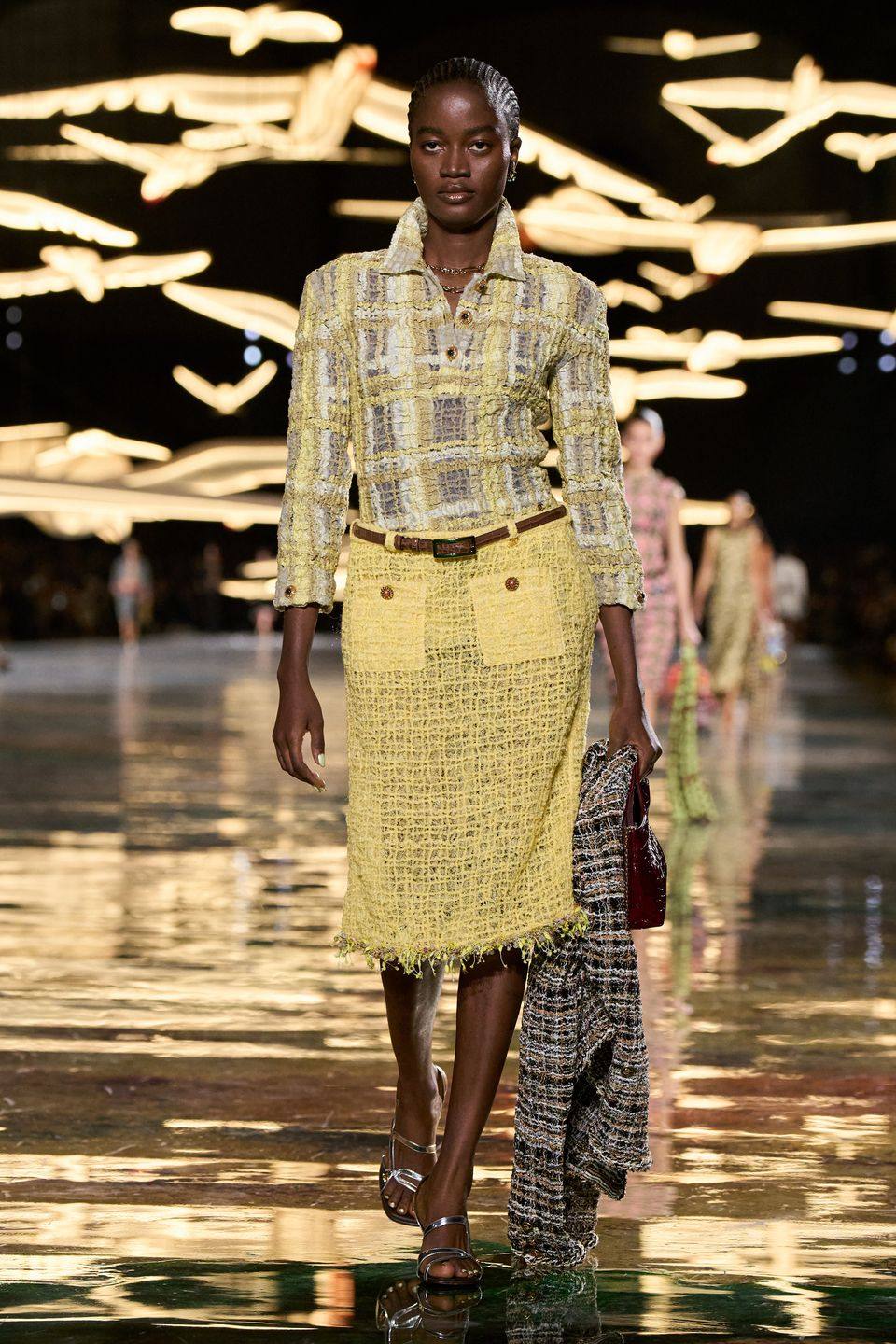
Nigerian model and creative Rachel Ojuromi, whose fashion videos turned Lagos streets into a catwalk, has made her Chanel runway debut in Paris.
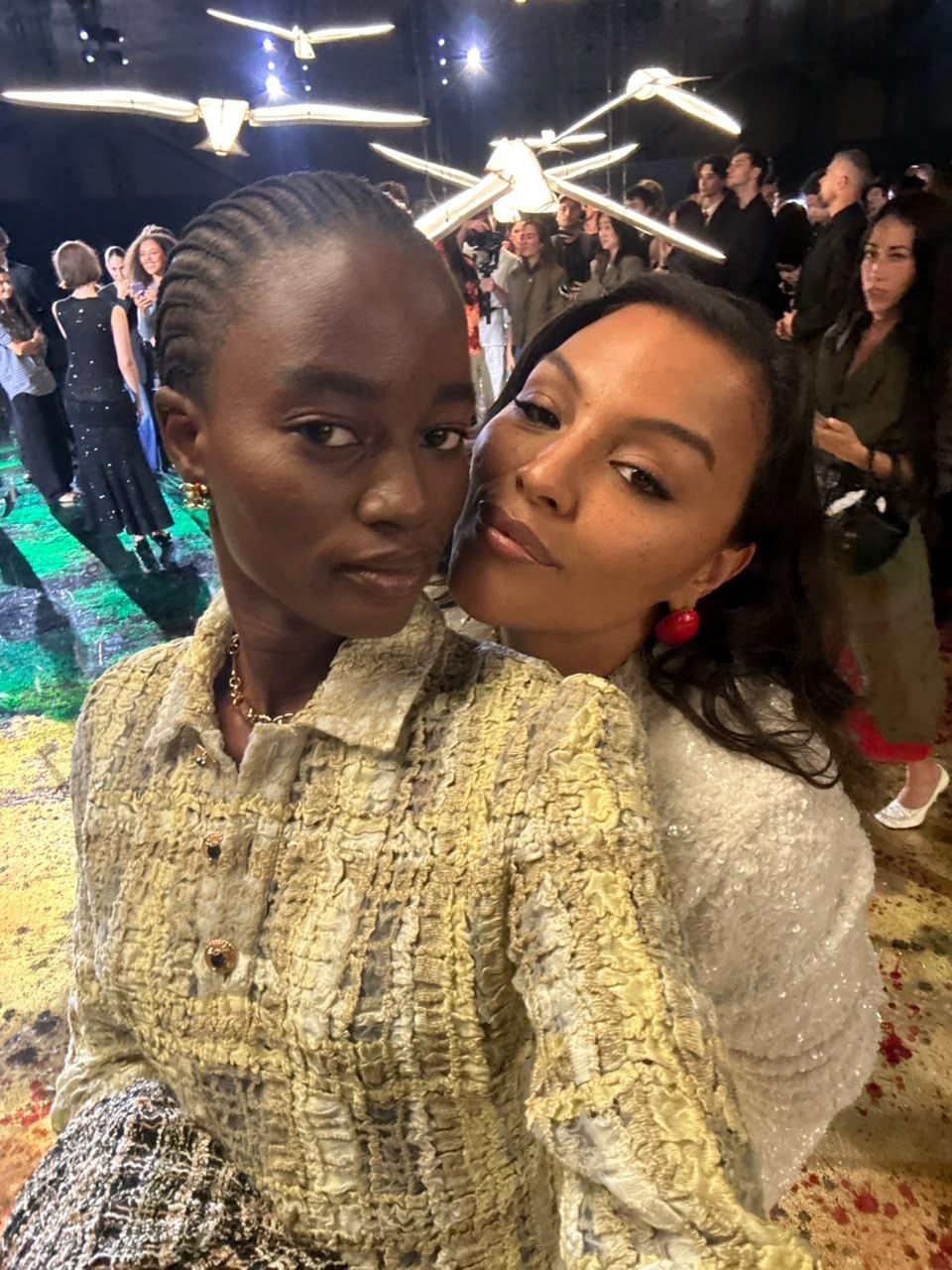
The 22-year-old appeared in the house’s Spring/Summer 2027 show on 5 October 2026. Vogue reported her debut in an interview published the following day, while Reuters confirmed the collection was presented on Monday under creative director Matthieu Blazy.
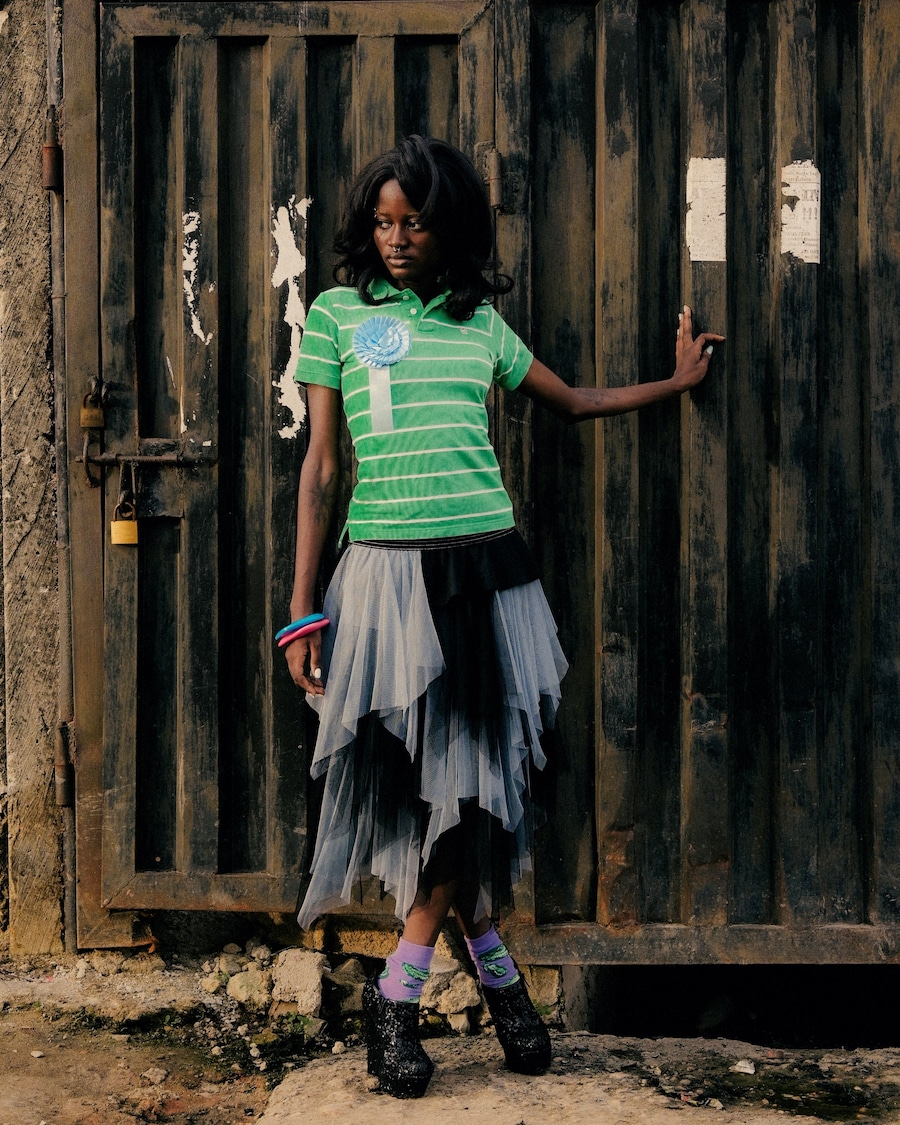
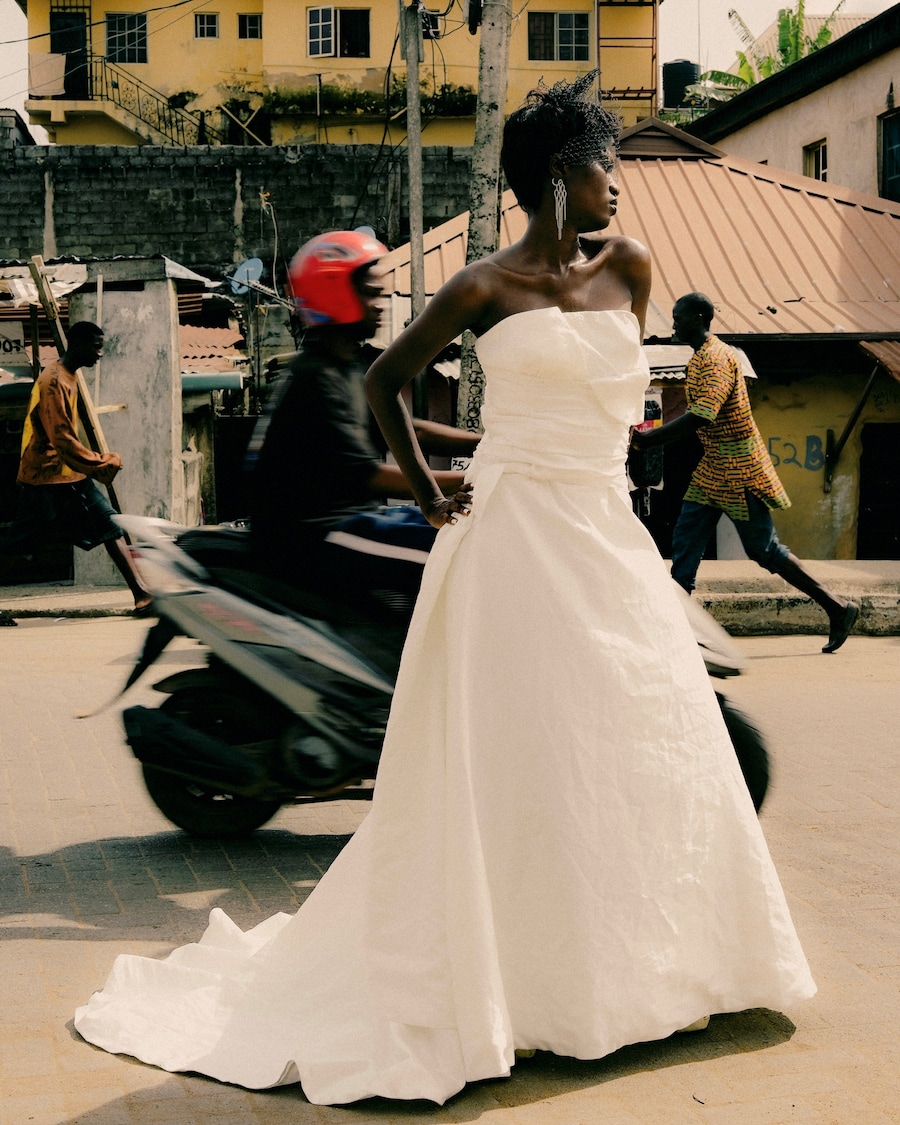
For audiences who first encountered Ojuromi through her street videos, the appearance connects two settings: the everyday Lagos locations where she developed her fashion work and one of the international industry’s most closely watched runways.
The work before the runway
Ojuromi is known online as @giverachelashot. Before the Paris appearance, The Cut profiled her street fashion videos and her collaboration with stylist Debby Fasingha. The publication also described Process Africa, her platform highlighting emerging creatives.
That earlier coverage matters. A runway debut is a visible milestone, but it should not erase the work that preceded it—or the people who helped make it possible.
A Lagos interpretation of Chanel
In an interview published by Models.com on 6 October, Ojuromi discussed a video interpreting Blazy’s Chanel Métiers d’Art collection through Lagos street life. The project involved Fasingha and photographer Odey Ikpä, using thrifted pieces and clothing they already owned.
Ojuromi described an interest in preserving the feeling of the original show, rather than simply reproducing its clothes. The interview also identified filmmaking and creative direction as part of her practice, extending her story beyond modelling.
Her emphasis on shared authorship is particularly striking. “Is it really success if I’m the only one in the room?” she told Models.com.
It is a useful corrective to the familiar viral-success narrative. The face on screen may become widely recognised, while styling, photography and production remain less visible. Ojuromi’s account places those collaborators inside the story.
What is confirmed
| Detail | Reporting |
|---|---|
| Model | Rachel Ojuromi, known online as @giverachelashot |
| Runway appearance | Chanel Spring/Summer 2027, Paris, 5 October 2026 |
| Creative collaborators | Stylist Debby Fasingha and photographer Odey Ikpä, identified in the Models.com interview |
Before Rachel: five routes into modelling
Ojuromi’s debut belongs in a wider history of African talent reaching international fashion through unexpected introductions. But the routes are not interchangeable. Some women were approached by scouts, others entered competitions, and others became visible through photographs or work they deliberately created. Several discoveries happened in Africa; others happened in the diaspora.
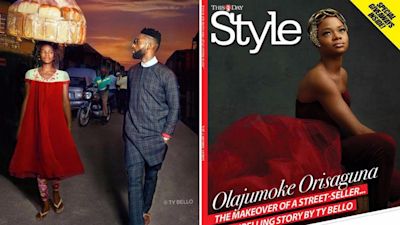
Olajumoke Orisaguna: the woman in TY Bello’s frame
In 2016, Olajumoke Orisaguna was selling bread in Lagos when she entered the frame of a photoshoot TY Bello was making with British rapper Tinie Tempah. Bello’s subsequent search for her helped turn an incidental appearance into a modelling opportunity.
Contemporaneous ITV reporting documented the sequence: Bello shared the photograph, located Orisaguna, photographed her again and saw her appear on a magazine cover. A modelling contract followed. The original image is important because it records the chance encounter at the centre of that story.
The comparison with Rachel has a limit. Orisaguna was passing through somebody else’s shoot. Ojuromi and her collaborators were producing their own fashion work. Both stories involve visibility, but the women arrived at it differently.
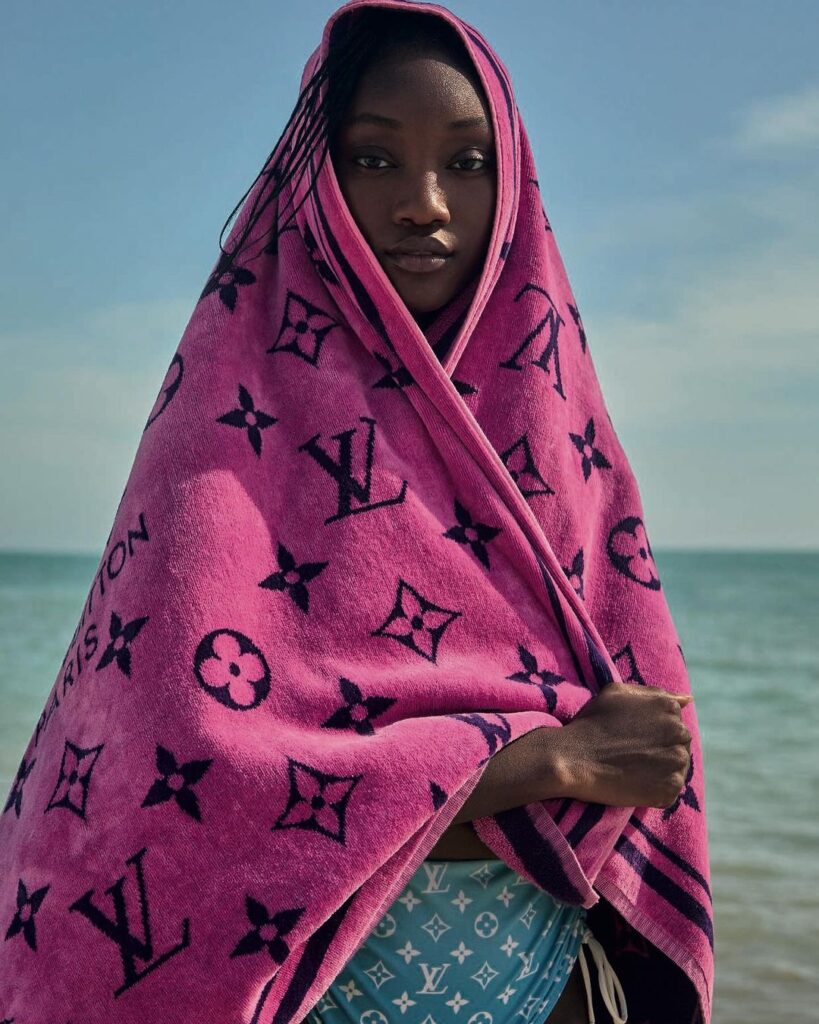
Eniola Abioro: teaching children before FEW Models
The FEW Models story is Eniola Abioro’s. Her agency’s account says a scout discovered her while she was teaching children, before she participated in the first FEW’s Next Face Africa search. She finished in the top five and began her career with the agency.
Vogue’s 2018 profile identified her as a former teacher at Grace Academy in Lagos and named FEW founder Bolajo Fawehinmi as the person who approached her in July 2017. By that profile, she was working for brands including Loewe, Miu Miu and Off-White.
Here, scouting was followed by a model search and agency development. The encounter was an introduction to a process, rather than the whole process itself.
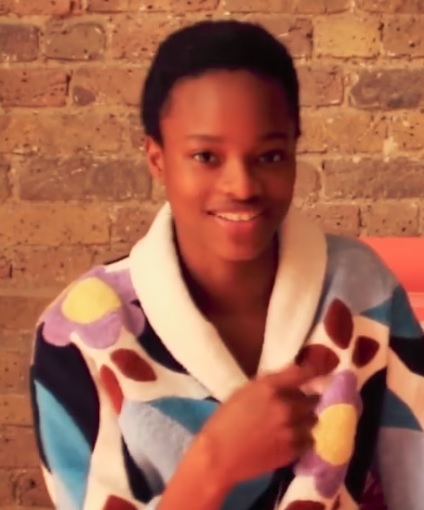

Mayowa Nicholas: Beth Models and a decision to enter
Mayowa Nicholas offers a documented example connected to Beth Model Management Africa. In a 2015 Vogue Italia interview, she said a scout approached her on her way to a hairdresser in 2013 and gave her information about Elite Model Look.
She did not enter that year. She entered in 2014, when she felt better prepared, and won the Nigerian competition. The same profile identified Beth as her Nigerian mother agency and Elite as her representation in Paris and Milan.
That gap between the approach and the competition is worth retaining. Her account includes a decision, preparation and a competitive selection—not an immediate jump from a street encounter to an international career.
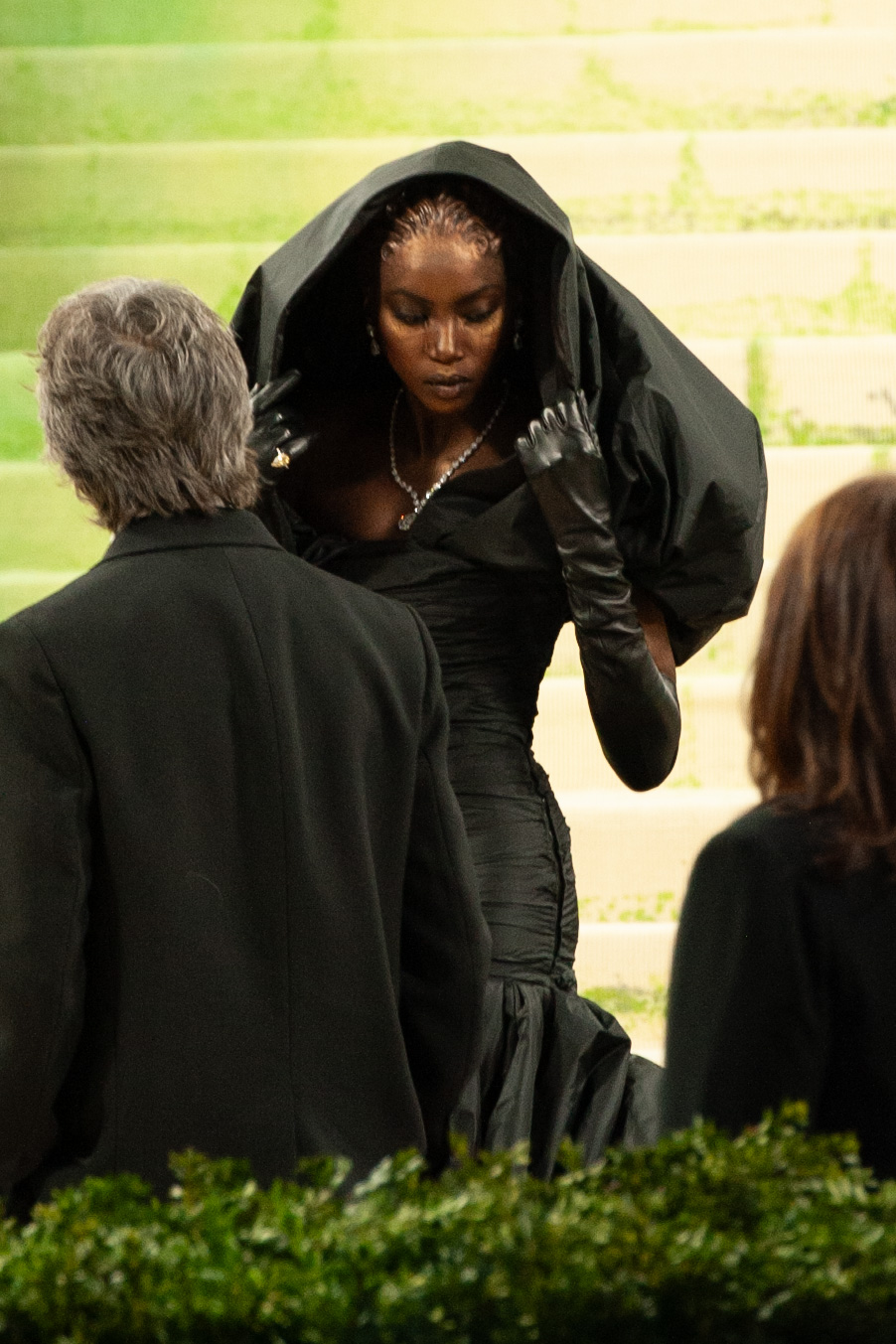

Anok Yai: a diaspora photograph that travelled
Anok Yai’s breakthrough took place in the United States. Vogue reported in November 2017 that photographer Steven Hall photographed her at Howard University’s homecoming and shared the street-style image online. Its spread drew agency attention, including from Next Management.
Her story adds the diaspora dimension. An African model’s discovery need not happen on the continent, and a photograph’s audience can extend far beyond the place where it was made. That is different from treating every popular image as evidence of a guaranteed career.

Alek Wek: recognition before the social-media era
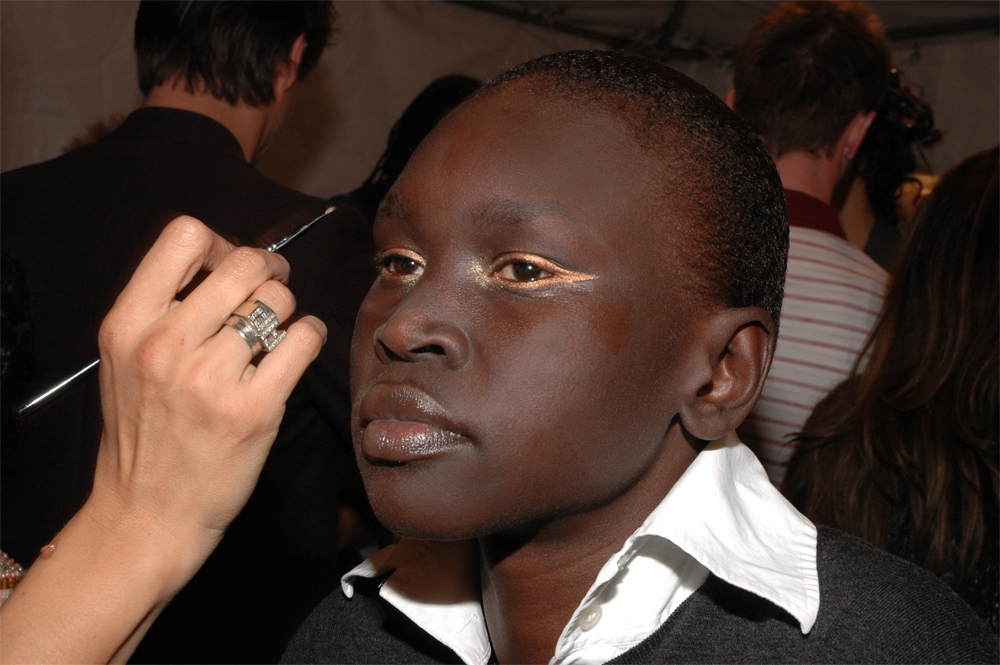
Alek Wek’s route predates the platforms on which Rachel built her audience. Vogue’s retrospective interview described the South Sudanese–British model being scouted in London’s Crystal Palace market in 1995, while she was an art student.
The same report recalled her becoming the first Black model to close Chanel’s haute couture show as the bride in 2004. Her Chanel history provides a longer perspective on the house’s relationship with African modelling talent.
Different beginnings, a shared question
| Model | Documented introduction | Where |
|---|---|---|
| Rachel Ojuromi | Self-produced fashion videos with a creative team; Chanel debut in 2026 | Lagos work; Paris runway |
| Olajumoke Orisaguna | Appeared in TY Bello’s Tinie Tempah shoot in 2016 | Lagos, Nigeria |
| Eniola Abioro | Scouted while teaching; subsequently joined FEW’s model-search pathway | Nigeria |
| Mayowa Nicholas | Approached in 2013; entered and won Elite Model Look Nigeria in 2014 | Nigeria |
| Anok Yai | Howard homecoming photograph shared online in 2017 | Washington, DC, United States |
| Alek Wek | Scouted at Crystal Palace in 1995 | London, United Kingdom |
Together, these accounts show several ways an introduction can happen. They do not establish how often scouting leads to paid work, how secure a model’s income becomes or how fairly every newcomer is treated.
For Afridiaspo, the larger question is what happens after recognition: representation, professional development, credit for collaborators and access to further work. A photograph or runway booking can introduce a story. It should not be mistaken for its ending.
A milestone, not a completed story
For African and diaspora readers, the significance lies partly in where the work began. Lagos was the setting in which Ojuromi and her collaborators developed their visual language. Paris became another stage for it.
That does not mean a viral video guarantees an international booking. Nor does one show establish a long-term contract, brand ambassadorship or financial outcome. This report makes none of those claims.
What the debut does provide is a concrete professional milestone. The next chapter will be measured in the work that follows—and in whether the creative team’s growing visibility brings further opportunities.
Sources
This report is based on published coverage and interviews, rather than an Afridiaspo interview or attendance at the show.
- Vogue: Rachel Ojuromi’s Chanel debut, 6 October 2026
- Models.com: interview with Rachel Ojuromi, 6 October 2026
- The Cut: Ojuromi’s Lagos fashion work
- Reuters: Chanel’s Spring/Summer 2027 show, 5 October 2026
- ITV News: Olajumoke’s photoshoot encounter and modelling contract, 11 February 2016
- FEW Models: Eniola Abioro’s agency profile and discovery account
- Vogue: Eniola Abioro’s transition from teaching
- Vogue Italia: Mayowa Nicholas’s account of being approached in 2013, published 13 March 2015
- Beth Model Management Africa: agency-supplied profile on Models.com
- Vogue: Anok Yai’s discovery, 7 November 2017
- Vogue: Alek Wek’s career retrospective, 20 October 2020
From Lagos Street Videos to Chanel: Rachel Ojuromi Makes Her Paris Debut