REGISTRATION AND LICENSING OF JOURNALISTS IN A DEMOCRATIC SOCIETY IS ILLEGAL
— Mary Ene
The Gambia Press Union and a coalition of 16 media and civil society organisations have totally rejected the government's proposed Broadcasting and Online Content Licensing, Registration and Authorisation Guidelines 2026, and the Journalists Registration Guidelines 2026. The regulations, proposed b…
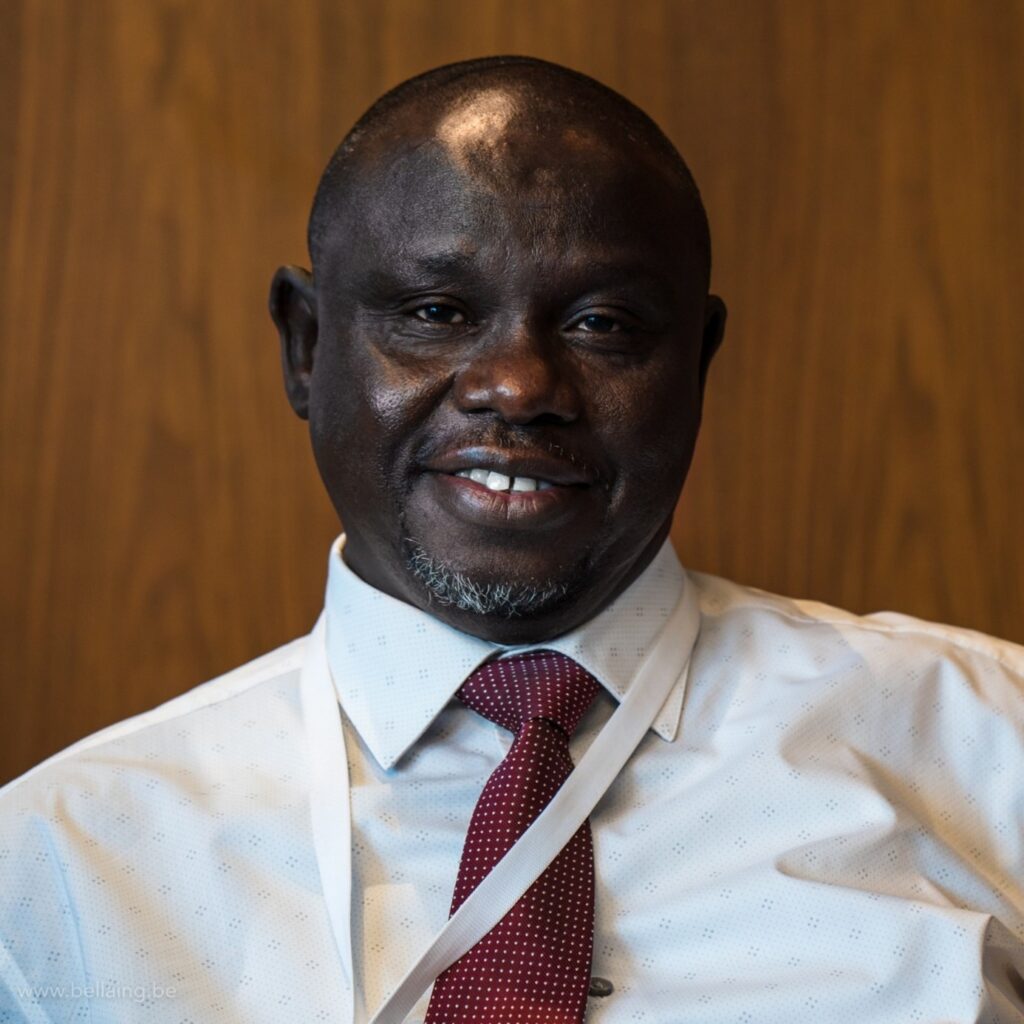 The Gambia's government has proposed that it should decide who is and who is not allowed to practise journalism. Every democratic principle says it cannot.
At an emergency meeting convened at GPU headquarters in Fajara on April 8, 2026, the Gambia Press Union, media associations, academic groups and civil society organisations endorsed a resolution that leaves no room for compromise. They will not participate in any consultations on the proposed regulations, arguing that participation would legitimise what they describe as an unlawful and unconstitutional scheme. GPU President Isatou Keita was unequivocal: "We hereby totally reject the proposal."
The regulations would require journalists working for licensed broadcasters or online content providers to register with PURA, submitting personal details, proof of training and a signed compliance undertaking. PURA would then have the authority to suspend or revoke that registration for "serious or repeated breaches." Critics note that while the regulations claim not to constitute a licence to practise journalism, in practice no unregistered journalist would be able to work for any regulated media outlet. The state would control the gateway to the profession. The proposals also extend to social media users with significant public reach, requiring registration from content creators who monetise their output through sponsorships or advertising, with the audience threshold left to ministerial discretion.
International bodies have condemned the move. The International Federation of Journalists joined the GPU in rejection. IFJ General Secretary Anthony Bellanger stated plainly: "In a democratic country, no government has the right to decide who should or shouldn't practise journalism." The UN Human Rights Committee's General Comment 34 on Article 19 of the International Covenant on Civil and Political Rights is equally clear: general state systems of registration or licensing of journalists are incompatible with international human rights law.
The legal basis for PURA's involvement is itself disputed. The agency's mandate under the PURA Act is limited to technical spectrum management and broadcast licensing. Extending that mandate to journalist registration and online content oversight, stakeholders argue, falls outside PURA's statutory powers and constitutes an unlawful exercise of administrative authority. The Declaration of Principles on Freedom of Expression in Africa, adopted by the African Commission on Human and Peoples' Rights in November 2019, further reinforces this position, directing states to encourage media self-regulation rather than government-controlled licensing.
Stakeholders are calling on the Gambia government to withdraw the guidelines entirely and instead support the Media Council of the Gambia, established by the GPU as a self-regulatory body, as the appropriate mechanism for maintaining professional standards. The contrast with the country's recent history gives the debate particular weight. The last time the Gambia had a government that decided who could practise journalism, the result was nearly three decades of one of West Africa's most repressive media environments under Yahya Jammeh. That history, stakeholders say, makes the current proposals not just legally wrong but politically dangerous.
REGISTRATION AND LICENSING OF JOURNALISTS IN A DEMOCRATIC SOCIETY IS ILLEGAL