Resource Wars or System Failure?” The Truth Behind Africa’s Wealth and Conflict Debate
There is no proven global conspiracy targeting resource-rich African nations. However, natural resources can increase conflict risk through competition, governance issues, and global demand. Africa’s future depends on shifting from extraction to control, transparency, and value creation.
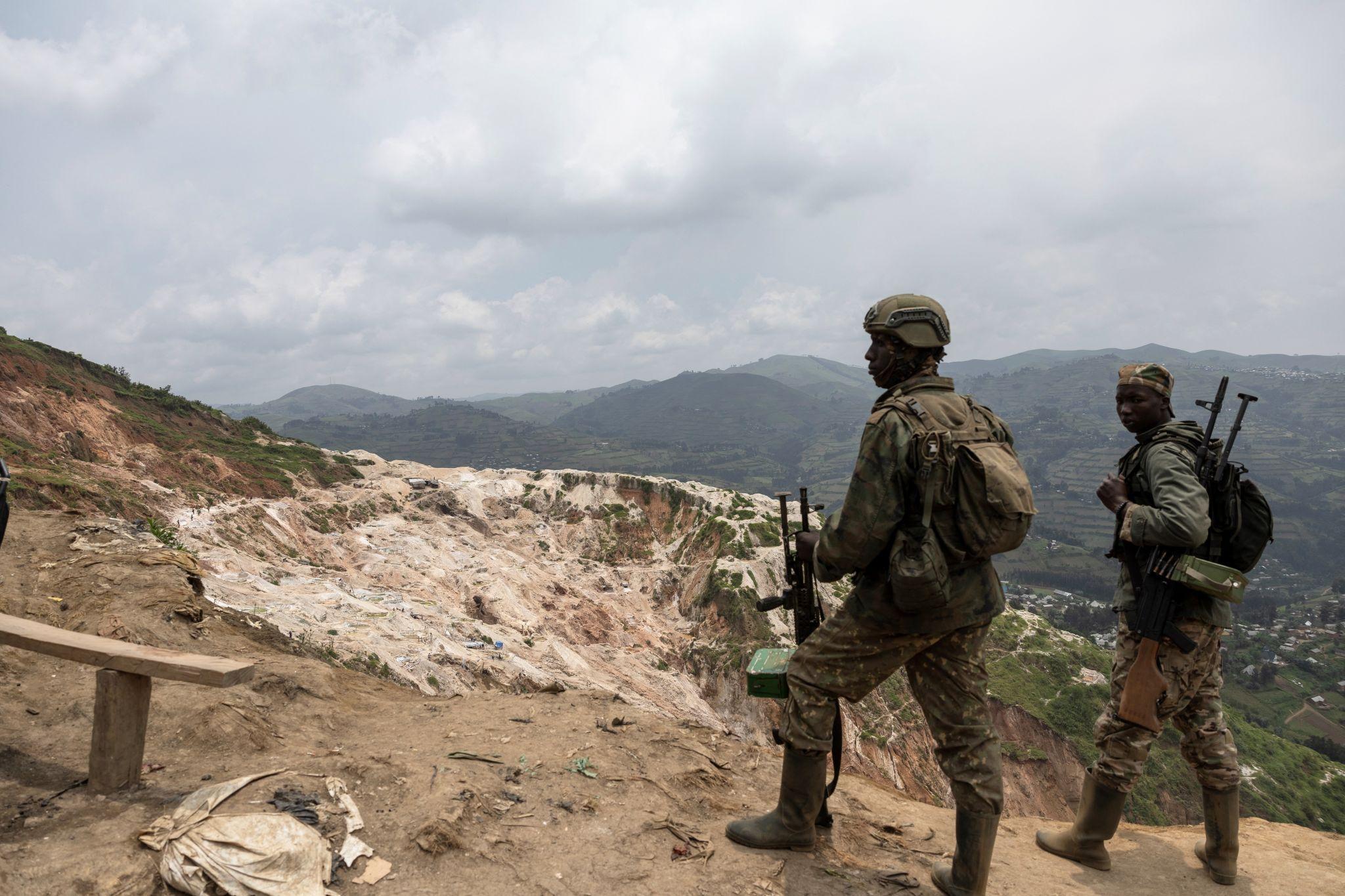
Across Africa, a powerful narrative has taken hold: that countries rich in oil, gold, diamonds, and rare minerals are somehow “targeted” or destabilized because of their wealth. From the Congo to Nigeria, from Sierra Leone to Sudan, the pattern appears too consistent to ignore. But is this a coordinated global conspiracy—or something more complex and structural?
What researchers actually describe is not a single hidden plan, but a phenomenon known as the “resource curse.” This theory suggests that countries with abundant natural resources often experience higher levels of conflict, corruption, and instability compared to those with fewer resources.
What is happening is not that resources automatically cause war—but that they change incentives. When valuable commodities like oil or gold exist, different groups—governments, militias, corporations, and even foreign actors—begin competing for control over that wealth.
The timing of conflict often aligns with resource discovery or price increases. Studies show that when commodity exports rise significantly, the likelihood of conflict can also increase, as the value of controlling that resource becomes higher.
This is especially visible in places like Democratic Republic of the Congo, where minerals like cobalt and coltan—critical for global technology—have fueled local conflicts. Armed groups can extract and sell these resources to finance operations, turning minerals into what experts call “conflict resources.”
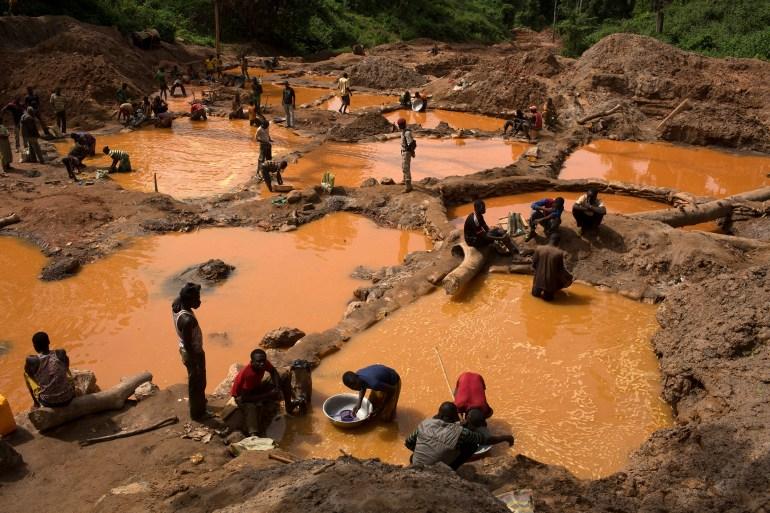
But the issue is not only internal. Global demand plays a major role. As economies in the U.S., China, Europe, and the Gulf require more energy and minerals, competition for access increases. This doesn’t usually take the form of direct war—but it can lead to political pressure, economic influence, and strategic partnerships that shape outcomes on the ground.
Another layer is governance. Resource-rich countries often face weaker institutional systems, where large revenues flow into governments without strong accountability. This can reduce transparency, increase corruption, and create environments where conflict becomes more likely.
There is also a financial dimension. Conflict zones sometimes become part of informal global supply chains. Minerals are extracted, smuggled, and sold internationally, creating a cycle where instability becomes economically useful for certain actors—both local and global.
However, it is important to challenge the idea that resources always lead to conflict. Some studies show that the relationship is not universal—different types of resources and governance systems can produce very different outcomes.
What this means is that Africa’s situation is not predetermined. Countries that build strong institutions, invest in local processing, and manage resources transparently can turn natural wealth into growth rather than instability.
The real story, then, is not about a single conspiracy—but about systems, incentives, and global demand. Africa’s resources are valuable, and where value exists, competition follows. The question is not whether resources attract attention—but who controls them, and how that control is managed.
Resource Wars or System Failure?” The Truth Behind Africa’s Wealth and Conflict Debate