Sahel Alliance Unites: Burkina Faso, Mali, and Niger Pool $1B to Build Airline, Bank, and Rail Network
Burkina Faso, Mali, and Niger are investing $1B in a joint airline, bank, and railway system. The move aims to boost regional integration and economic independence. Success will depend on execution, funding, and long-term stability.
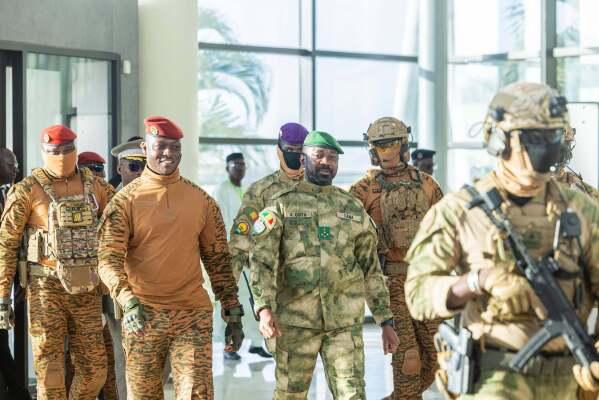
In a bold move to reshape regional power and economic independence, Burkina Faso, Mali, and Niger have announced a joint $1 billion initiative to launch a shared airline, regional bank, and railway network. The plan marks one of the most ambitious integration efforts in West Africa in recent years.
The announcement was made under the framework of the Alliance of Sahel States (AES), a bloc formed by the three countries following their political and security realignments. Leaders say the goal is to reduce dependence on external systems and build self-sustaining economic structures.
At the center of the project is connectivity. The proposed airline aims to improve regional travel and trade, while the railway network is expected to link key economic zones across the Sahel, facilitating the movement of goods, people, and resources.
The creation of a regional bank is equally significant. It is designed to finance infrastructure, support local businesses, and provide an alternative to traditional Western-backed financial institutions. This move signals a broader shift toward financial sovereignty.
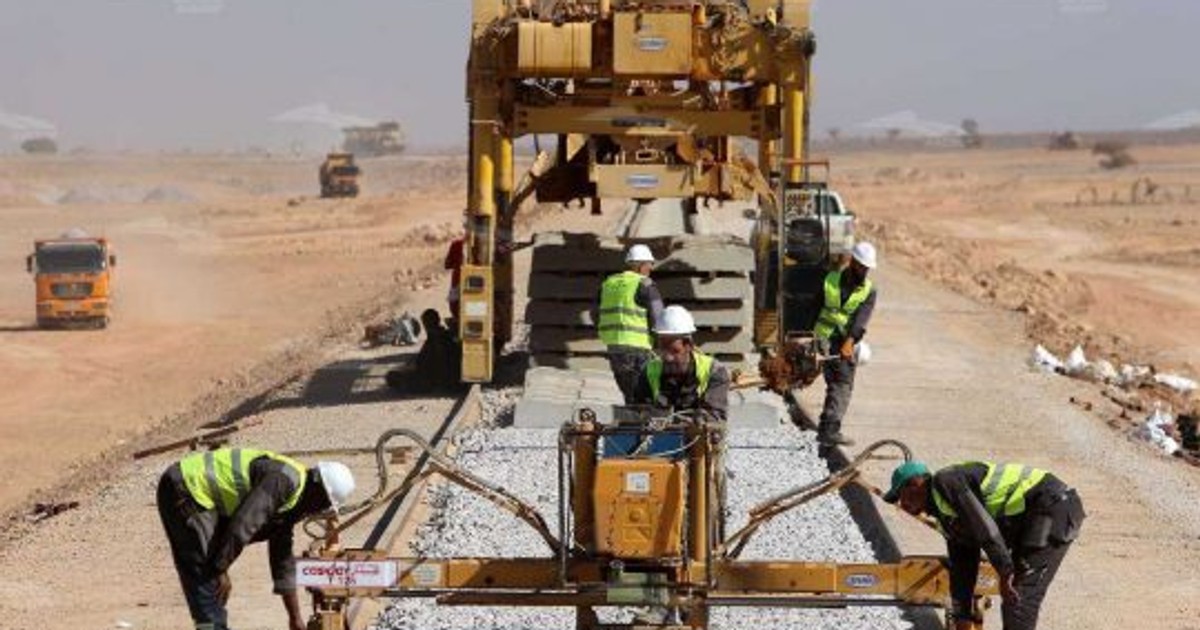
The timing is strategic. The three nations have recently distanced themselves from traditional Western alliances and are seeking new economic pathways. By pooling resources, they aim to accelerate development while maintaining greater control over their economic futures.
For citizens, the benefits could be substantial. Improved transportation networks may reduce travel costs, boost trade, and create jobs. The bank could also unlock funding for small and medium enterprises that often struggle to access capital.
However, challenges remain. Building and maintaining large-scale infrastructure in the Sahel region—known for security concerns and harsh environmental conditions—will require strong governance, transparency, and sustained investment.
Analysts are watching closely to see how the initiative will be funded beyond the initial $1 billion. Questions remain about private sector involvement, international partnerships, and long-term financial sustainability.
Still, the message is clear: the Sahel is stepping into a new phase of regional cooperation. Whether this ambitious plan succeeds or struggles, it represents a powerful attempt by African nations to take control of their economic destiny.