Senegal Reclaims a 25 Trillion Cubic Feet Gas Giant. A Defining Shift in Africa’s Energy Power Play
Senegal has taken full control of the 25 trillion cubic feet Yakaar-Teranga gas field. The move marks a shift toward greater state control and energy sovereignty. The project could position Senegal as a major global gas and LNG player.
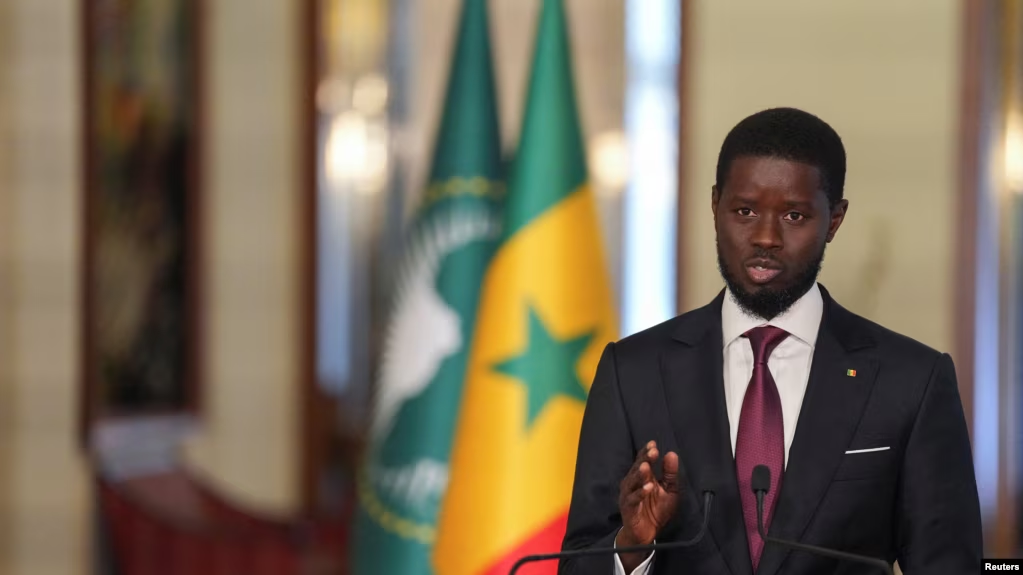
Senegal has taken a decisive step in reshaping its energy future by assuming full control of the Yakaar-Teranga gas field, one of the largest offshore gas discoveries in Africa. The move follows the withdrawal of U.S.-based Kosmos Energy, marking a major turning point in the country’s resource strategy and signaling a broader continental shift toward energy sovereignty.
The Yakaar-Teranga field is not just another gas project—it is a world-scale asset. With an estimated 25 trillion cubic feet of recoverable gas, the field ranks among the largest recent discoveries globally and holds the potential to transform Senegal into a major energy player.
What makes this moment historic is not only the size of the resource, but the ownership shift. Senegal’s state-owned oil company, PETROSEN, is now set to take exclusive control of the project’s license, moving from a minority partner to the primary operator. This represents a significant rebalancing of power between African states and foreign energy companies.
The timing is strategic. Senegal’s current administration has made it clear that revisiting past resource agreements is a priority, aiming to ensure that more value from natural resources remains within the country.
This aligns with a growing trend across Africa, where governments are renegotiating contracts and increasing state participation in extractive industries.
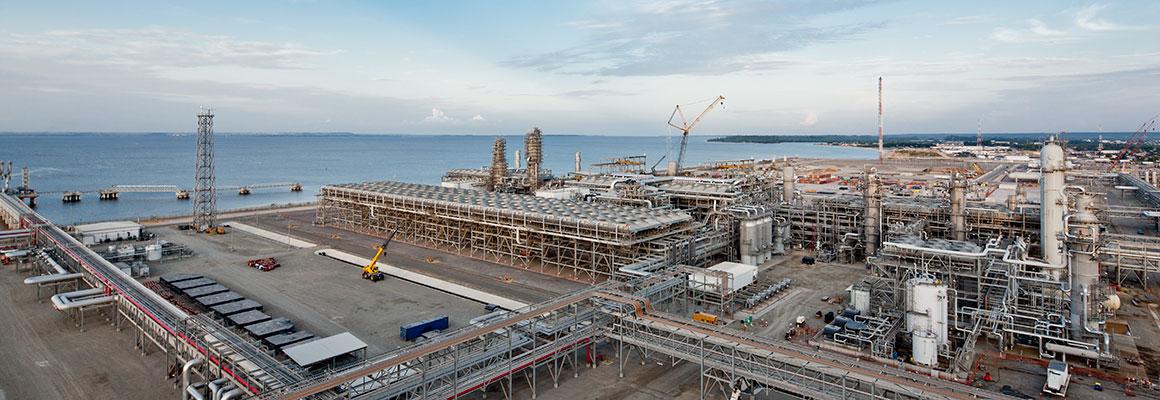
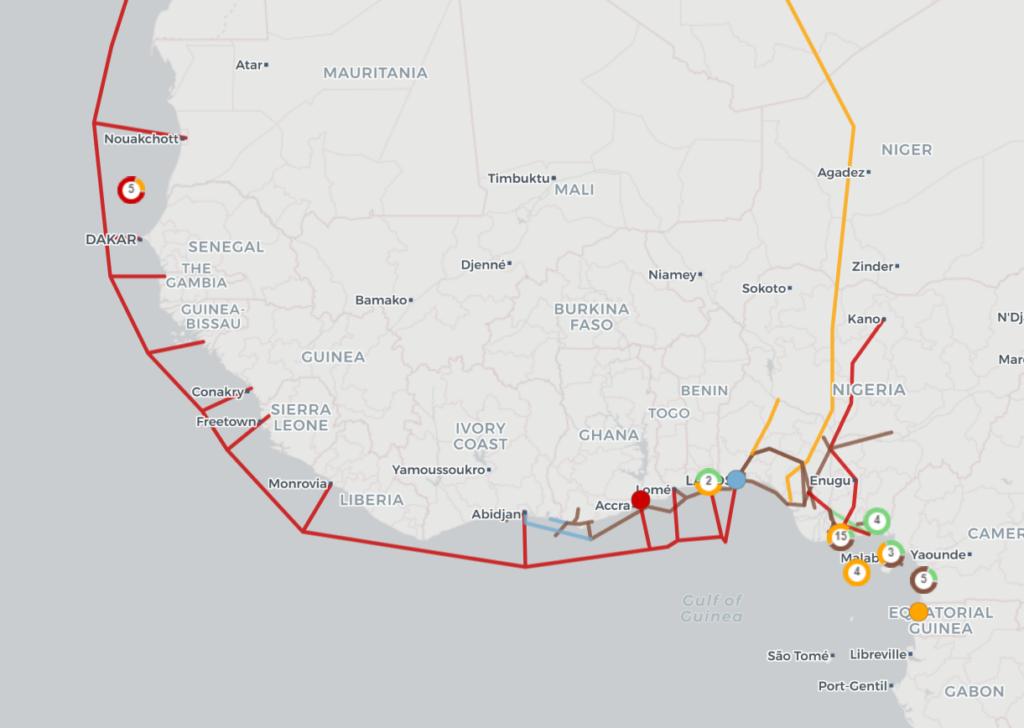
The Yakaar-Teranga field sits offshore in the Cayar basin, north of Dakar, and forms part of a larger energy ecosystem that includes other major projects like the Greater Tortue Ahmeyim LNG development. Together, these assets position Senegal at the center of West Africa’s emerging gas economy.
But this move also introduces new challenges. Operating a deepwater gas project of this scale requires advanced technical expertise, significant capital investment, and long-term planning. Previously, international companies like Kosmos and BP played key roles in managing these complexities. Now, Senegal must either build this capacity internally or form new partnerships on its own terms.
From an economic standpoint, the potential is massive. The gas could be used to power domestic industries, reduce energy costs, and support manufacturing growth. At the same time, exports—particularly in liquefied natural gas (LNG)—could generate billions in revenue, strengthening Senegal’s position in global energy markets.
However, the core strategic question remains unresolved: how should the gas be used? Previous operators struggled to balance domestic supply needs with export ambitions. Senegal now inherits this same challenge—deciding whether to prioritize local development or maximize international revenue.
What is clear is that this is more than a business decision—it is a political and economic statement. Senegal is signaling that Africa is no longer satisfied with being a passive participant in global energy systems. Instead, it is stepping forward as a decision-maker and owner of its resources.
The broader implication is powerful. As more African nations follow similar paths—whether in oil, gas, or minerals—the continent is gradually shifting from extraction to control, value retention, and long-term strategy. Senegal’s move could become a blueprint for how Africa reclaims its role in the global energy economy.
Senegal Reclaims a 25 Trillion Cubic Feet Gas Giant. A Defining Shift in Africa’s Energy Power Play