Korma Aguh-Stuckmayer Builds Community Through Dance
— AfriDiaspo Editorial
Korma Aguh-Stuckmayer speaks to Afridiaspo about African dance, the work behind a performance and her vision for Afrocontigbo in Minnesota.
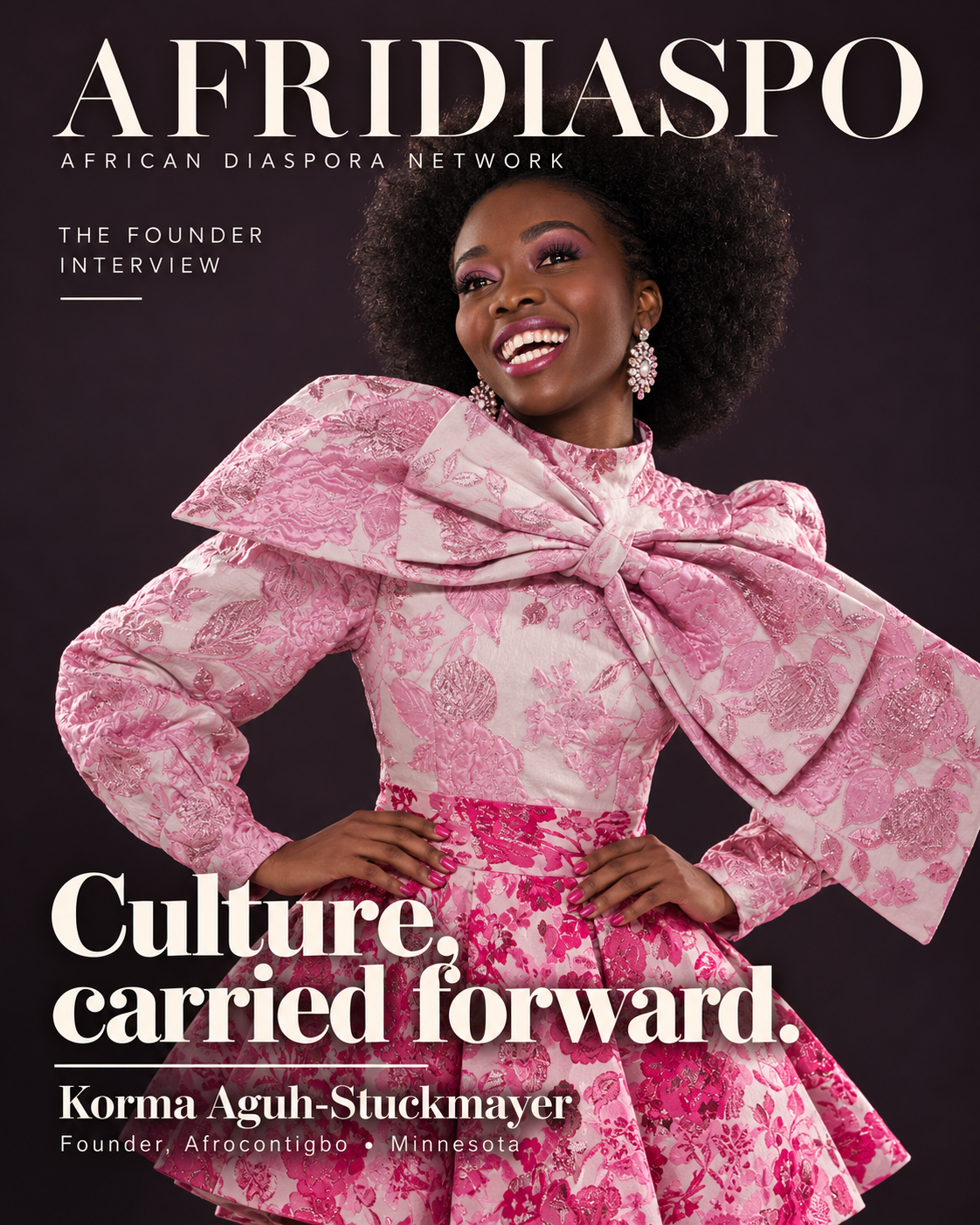
September 2026 · African Business Owner of the Month
Before an audience sees three minutes of dancing, someone has selected the music, prepared the costumes, rehearsed the movements and decided where each performer should stand. For Korma Aguh-Stuckmayer, getting people to recognize that work is one of the hardest parts of building Afrocontigbo.
“You're not just paying us for, you know, 15 minutes of performance,” she tells Afridiaspo.
The Nigerian-born founder has built a dance and wellness company in Minnesota around cultural connection. But her story also poses a business question: when a community values its heritage, will it pay the people doing the work to preserve it?
Our September 2026 African Business Owner of the Month brings a founder’s perspective to a familiar diaspora question: how do you carry culture forward when the community around you changes?
Cover illustration: Editorial portrait of Korma Aguh-Stuckmayer. Artwork: Afridiaspo.
A connection that began in college
In an April 2025 Pioneer PBS interview, Korma described leaving Nigeria after secondary school in 2002 to attend Winona State University. She identifies with her Igbo roots in southeastern Nigeria.
In her conversation with Afridiaspo, she describes noticing an absence at university: music and dancing that had felt ordinary in Nigeria were harder to find in her new environment. She thought other people might be missing them, too.
“I just thought this was missing from my life.”
The idea stayed with her while she completed her education. It eventually found an opening through a salsa class. Korma recalls showing movements to the instructor and his friends, who followed along and encouraged her to try teaching a class in their space.
Some of the salsa students came. Another dancer joined after Korma approached her at a club; others arrived through introductions. In her account, an initial group of four gradually became a larger performance team. She puts the group at 14 during our interview—a count of participants, not a verified payroll figure.
Afrocontigbo’s official biography says she earned an MBA from Saint Mary’s University in 2011 and founded the company in 2014. The business grew from an interest she had continued to develop alongside her education and working life.
What Afrocontigbo does
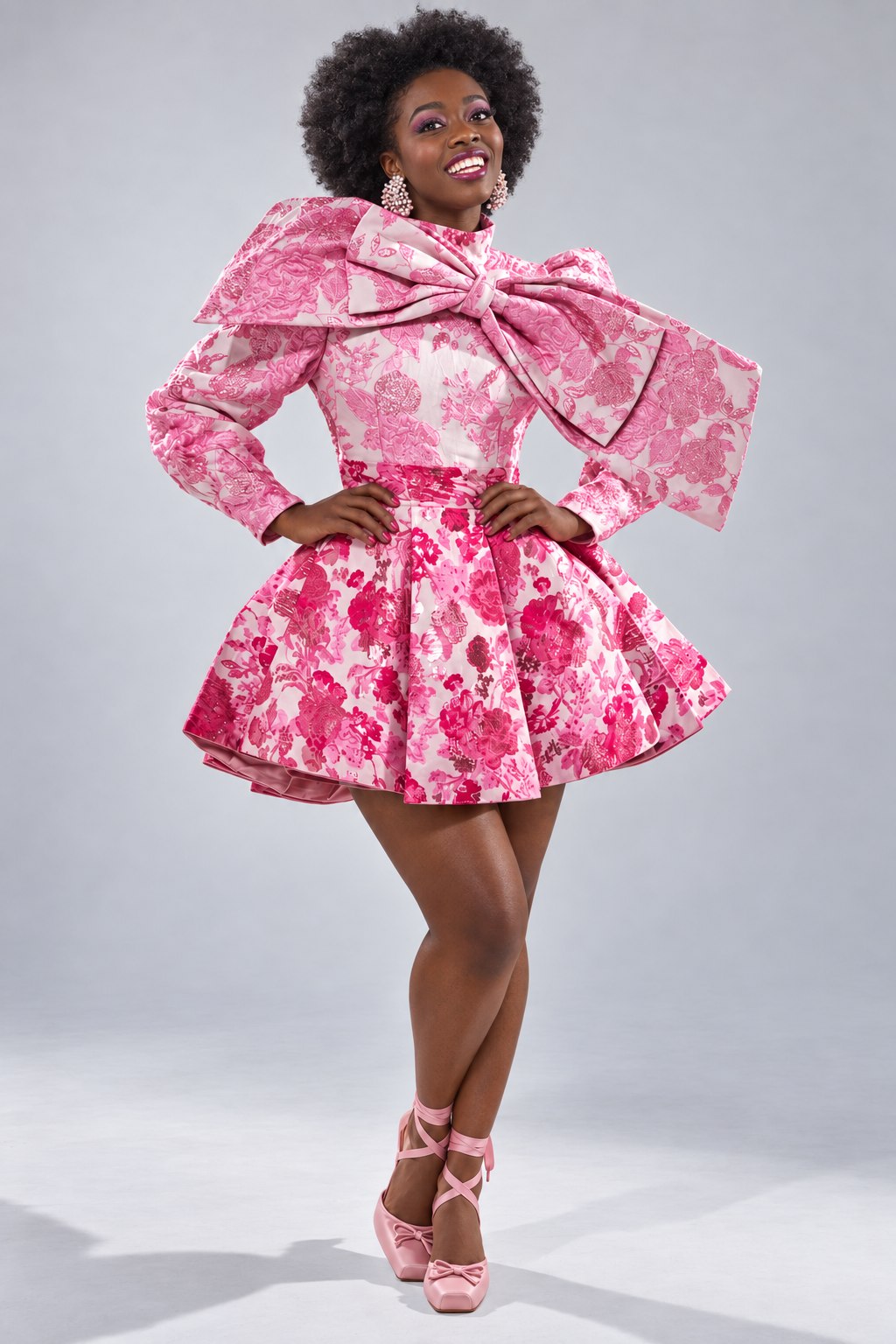
Afrocontigbo describes its mission as promoting cultural awareness, unity and wellness through performances, workshops and community engagement. Its website lists festival appearances, Afrobeats fitness classes and artist collaborations across the Twin Cities.
Its name brings together African, contemporary and Igbo. Korma told PBS that her workshops include education about her Igbo roots alongside music and movement. She also recalled a grandmother who welcomed family with dance and encouraged her talent.
That combination matters. A stage performance offers an audience a chance to watch; a workshop asks people to enter the experience. For a cultural business, those are different ways of building a relationship with the public. Afrocontigbo’s work spans both.
The movement carries a story
Korma worries about what diaspora communities could lose when traditional languages, instruments and songs become less familiar. Contemporary music has a place in her work, but so do older recordings and movements that connect dancers to earlier generations.
She describes dances associated with coming of age, womanhood, cultivation and hardship. In her telling, movement can carry knowledge of an activity even when that activity is no longer part of a young person's everyday life. Her example is cutting grass: a child might picture a lawn mower, while an older movement recalls working by hand.
These are her explanations of the traditions she studies and teaches. They give the audience a way to look beyond a finished routine and ask what a movement means, where it comes from and whose experience it carries.
She welcomes participation across generations, describing children, young people and elders dancing. She also estimates that one earlier show drew about 500 people. That attendance figure is her recollection; the interview does not establish an exact date or independently audited count.
What the performance fee pays for
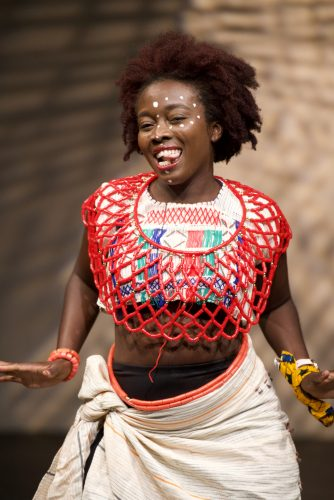
Asked whether teaching people or persuading them to value the work is harder, Korma chooses the second. Some people, she says, question why a brief appearance costs what it does without seeing the preparation behind it.
Music, costumes, rehearsals and choreography all precede the event. Even organizing several dancers so they can move safely together requires planning. A booking fee must account for that work as well as the minutes the audience watches.
Behind a short performance
- Selecting and preparing music.
- Preparing costumes and the visual presentation.
- Developing choreography and performers' positions.
- Rehearsing together before the booking.
Tasks Korma describes in Afridiaspo’s interview; this is not a price list or financial audit.
For Afridiaspo, this is the business tension at the center of her story. Applause recognizes what happens onstage. Sustainable support must also recognize the labor that makes the performance possible.
Building a livelihood around the arts
Korma says she worked as a business analyst for ten years. She describes that professional background, retirement savings and a supportive partner and family as a base from which she could take an entrepreneurial risk.
She is candid about the uncertainty. Performance work does not provide the predictability of clocking into a regular job. The company relies on bookings, people attending, sponsorships and grants, she says, and difficult economic periods can make the work harder to sustain.
She credits the Minnesota State Arts Board with supporting the work and says she has received grant support three times. This is her account; the interview does not provide award amounts or a complete grant record.
Those distinctions matter when assessing the business. A growing team and a well-attended show are encouraging signs, but they do not establish wages, profitability or financial security. Korma's own account makes clear that cultural recognition and a dependable livelihood are separate challenges.
The conversation with African parents
Korma approaches the pressure to pursue science, technology, engineering or mathematics with sympathy for parents who have struggled to create security. In her view, their insistence on a reliable career often comes from wanting their children to avoid hardship.
But she asks families to make room for another conversation: what does the child want to build, and what support would give that ambition a realistic chance?
“What do you want to do? How can I support you?”
Her own parents remain a cultural resource. When she develops a project, she turns to their knowledge and discusses subjects that may be sensitive within the family. She presents artistic work as a continuing dialogue with the people who know the traditions, not a reason to leave them behind.

A founder’s timeline
| Year | Milestone |
|---|---|
| 2002 | Moved from Nigeria to study at Winona State, according to her PBS interview. |
| 2011 | Earned an MBA from Saint Mary’s, according to Afrocontigbo’s biography. |
| 2014 | Founded Afrocontigbo. |
| November 2024 | Marked the company’s tenth anniversary with dance, music and film, as described to PBS. |
Beyond a single tradition
In the 2025 PBS conversation, Korma described collaborators with roots in several African countries. Her own Igbo background anchors the work, while the wider group brings other experiences into the room.
Africa’s cultures are distinct. Presenting them in a shared setting works best when that distinction remains visible: audiences should be able to encounter specific traditions alongside contemporary creative exchange.
For diaspora readers, the business raises a practical question as well as a cultural one. What kinds of spaces make heritage accessible to people who did not grow up surrounded by it? Classes, workshops and performances can offer repeated points of contact, beyond a single celebration or annual festival.
Watch Afridiaspo’s founder interview
Meet Korma in Afridiaspo’s interview on YouTube.
Culture as continuing work
Korma's advice to aspiring founders begins with preparation: build a financial base where possible, understand the risk and stay focused on the work you want to create. She speaks from her own experience of savings and family support; those resources are not available to every artist.
Her ambition for Afrocontigbo is tangible. She wants a space of its own, carrying its name, where people can easily find the company.
“A big billboard with our name on it.”
That dream brings the cultural and business sides of the story together. A permanent home would make the work easier to find. Sustaining it would still depend on the preparation, participation and financial support she has spent the interview explaining.
For Korma, carrying culture forward means giving it a place in everyday life—and giving the people who carry it a chance to keep working.
Reporting sources
This feature draws primarily on Korma’s interview with Afridiaspo, using the supplied interview transcript. Her recollections, estimates and descriptions of company finances are attributed to her. Background dates are supported by the sources below.