Cars Burned, Shops Looted: African Migrants Caught in South Africa’s Asylum Backlash
— Afridiaspo Editorial
June and September migrant ultimatums preceded October violence in South Africa. What the asylum ruling means and what government announced on October 11.
Reported analysis • Reporting cut-off: October 11, 2026
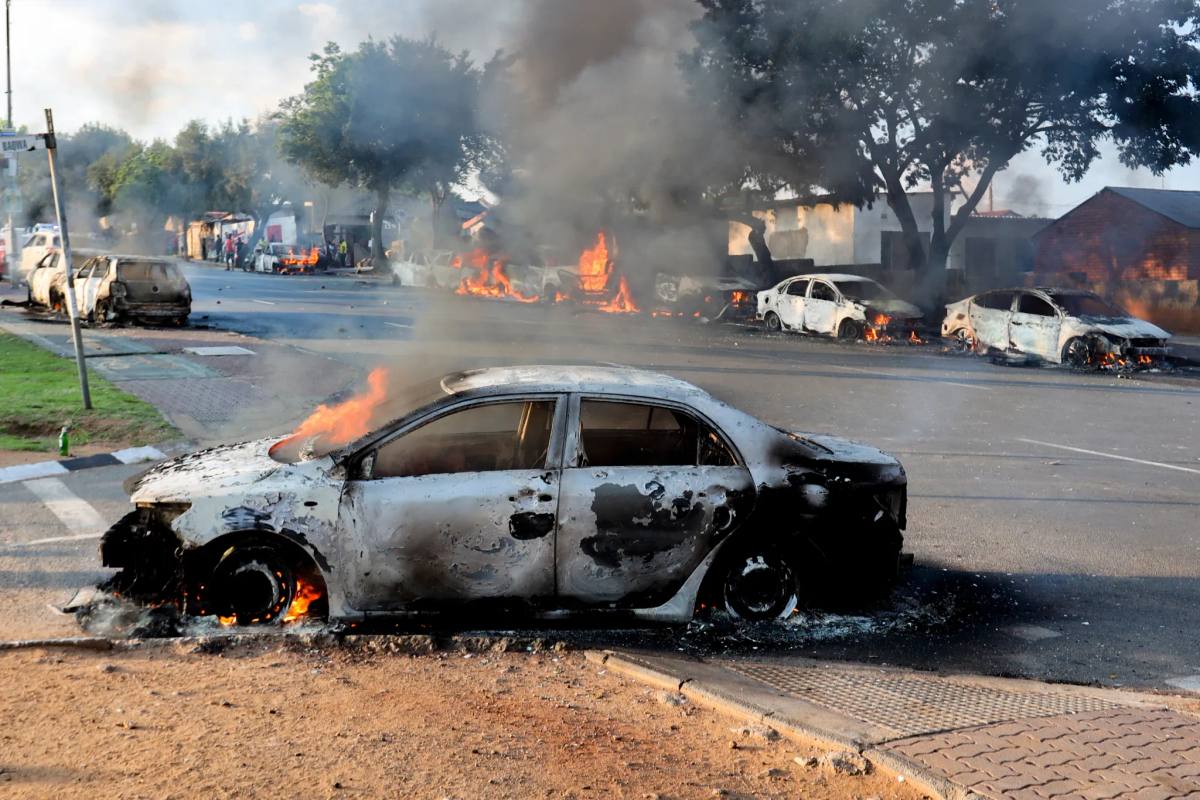
Twenty-four vehicles burned. Shops looted. An asylum directive withdrawn.
At the centre of South Africa’s latest anti-migrant unrest is a distinction with profound consequences: being allowed to apply for asylum is not the same as being granted it.
The Constitutional Court protected access to an assessment. It did not give every undocumented foreign national automatic residency. The implementation dispute has nevertheless unfolded amid violence, threats and uncertainty for African families living in the country.
For those families, the question reaches beyond what the law says. It is whether they can safely reach the office where that law is supposed to operate.
June 30. September 30. The threats did not end.
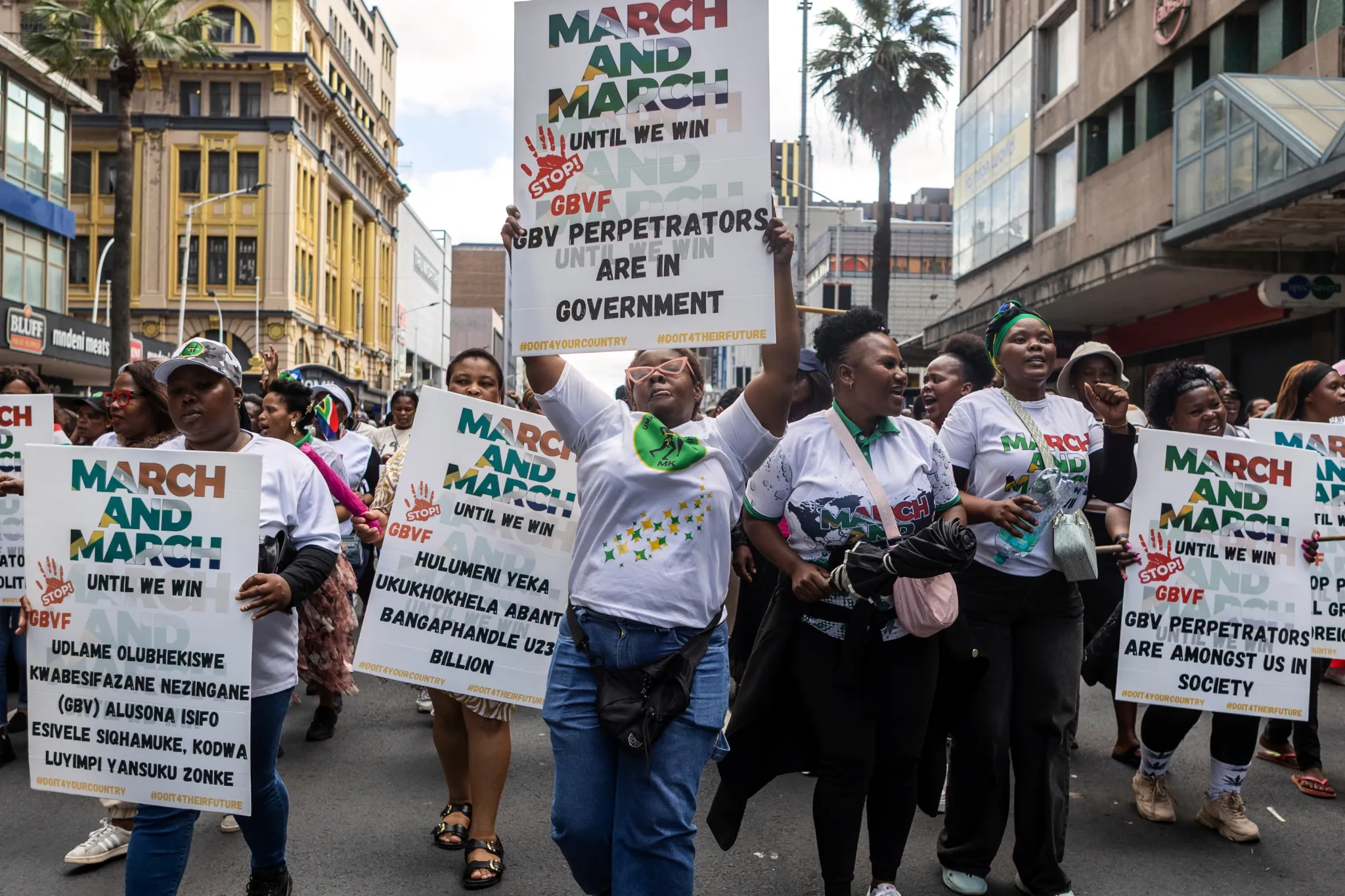
October’s unrest followed months of pressure. Anti-migrant groups demanded that undocumented foreigners leave South Africa by June 30, 2026. An official-looking notice bearing government branding circulated online. AFP’s investigation found that it was fabricated; the government had issued no such departure ultimatum.
The absence of legal authority did not remove the fear. Reuters reported on June 29 that fathers were leaving families behind, and that attacks also affected legally resident migrants.
Then came September 30. March and March announced another ultimatum in August, calling for a second wave of action against undocumented foreigners. TimesLIVE documented the announcement. September reporting described pressure on foreign domestic workers, delivery drivers and factory workers; police said the ultimatum would not change normal policing.
These were campaign demands—not government departure orders. Their repetition nevertheless sustained pressure on foreign residents. No third departure ultimatum after September 30 has been verified for this article.
What the court actually decided
The July 7 Constitutional Court ruling concerned procedural barriers preventing some asylum seekers from having their claims considered. Irregular entry, missing documents or missed reporting requirements could not simply substitute for an assessment of whether someone needed protection.
That does not mean every application must succeed. It means the application must receive the legally required consideration. The court also addressed the danger of excluding children from protection because of procedural failures connected to a parent’s application.
From an administrative dispute to burning vehicles
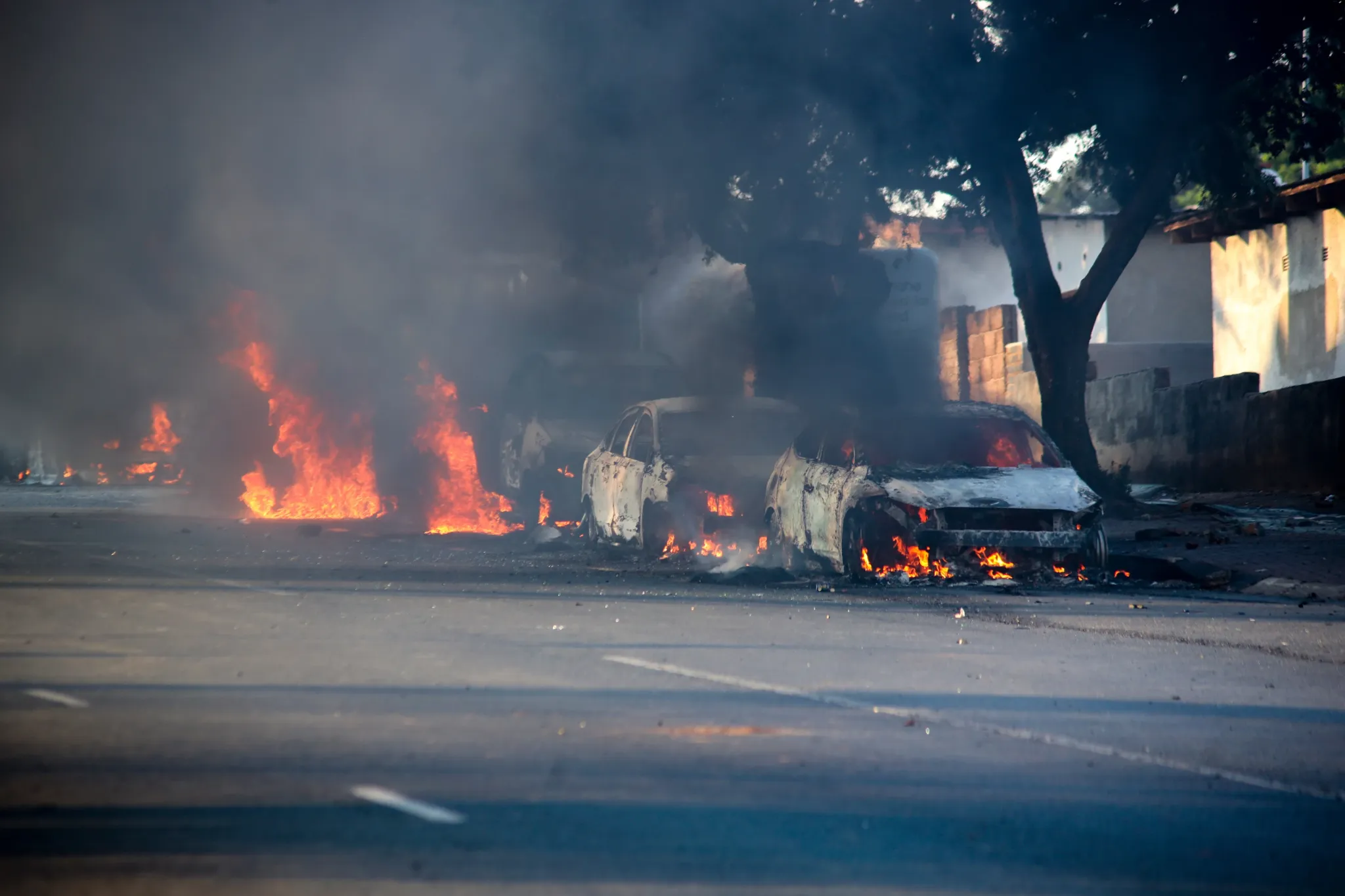
On October 8, police reported 10 vehicles burned in Soweto and 14 in Durban. Shops were looted. Reuters also reported that a guesthouse and warehouse were partially burned in Durban. That reporting does not establish that every burning building in circulating footage was a residential home.
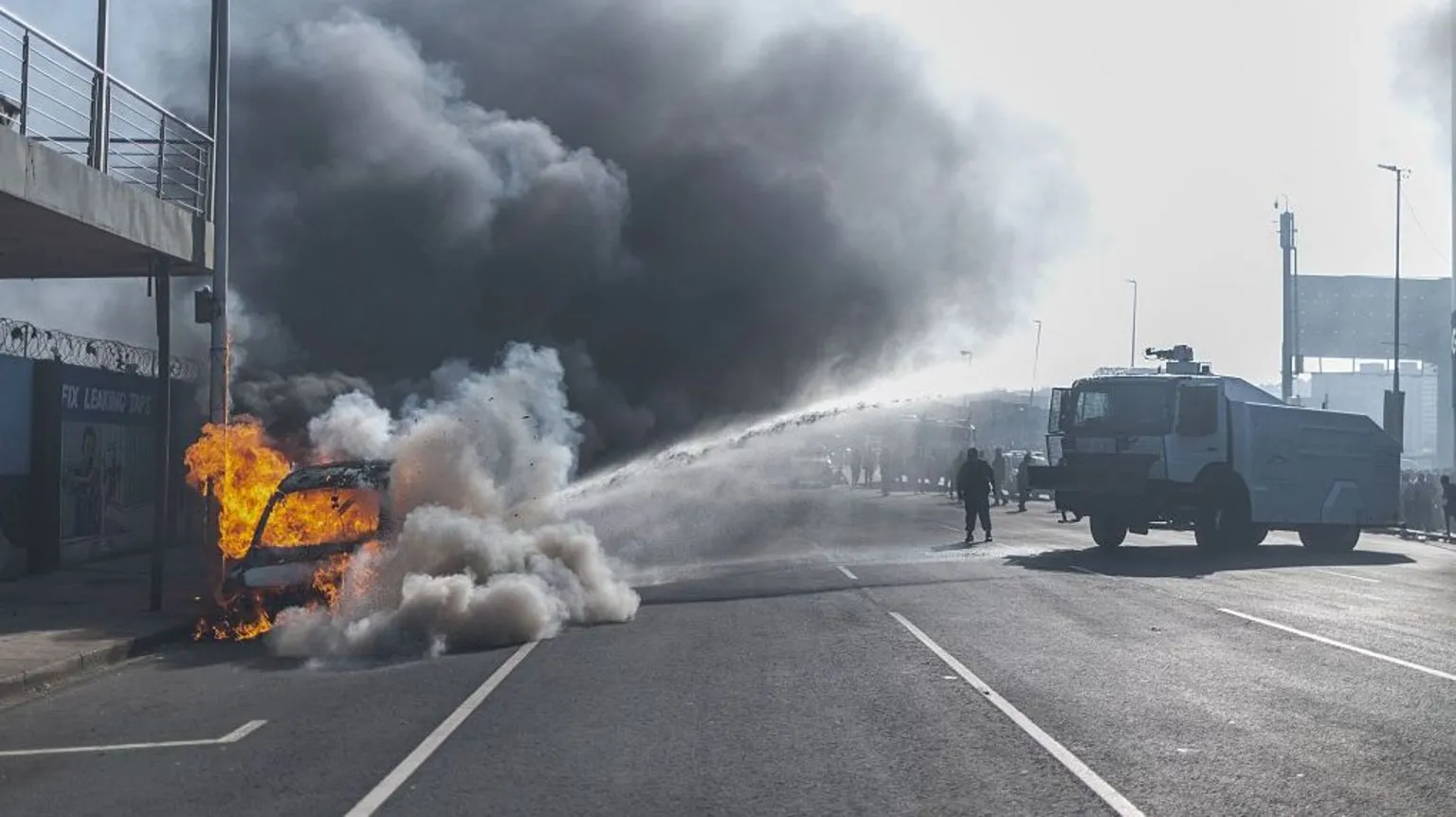
On October 9, Home Affairs withdrew its asylum intake directive, citing overwhelmed offices and safety concerns. Reuters documented the withdrawal. Africanews reported heightened security on October 10.
The South African Human Rights Commission warned on October 9 of threats against asylum seekers and officials. It condemned violence and said obstructing access to refugee reception centres was unlawful.
The dates—and what they mean
| Date, 2026 | Development | Meaning |
|---|---|---|
| June 30 | Anti-migrant departure ultimatum | Unofficial campaign deadline. |
| July 7 | Constitutional Court judgment | Access to asylum assessment, not automatic residency. |
| September 30 | Second March and March ultimatum | Another unofficial departure demand. |
| October 8–10 | Arson, looting and heightened security | Documented escalation of unrest. |
| October 11 | Government outlined its response | Proposed administrative measures and further court directions. |
| November 10 | Proposed appointment-model target | Implementation target, not an instruction for migrants to leave. |
What changed on October 11
In an October 11 statement, government said it remained bound by the judgment while seeking court supervision of implementation, potentially including a suspension period. A requested suspension is not a suspension already granted.
Government proposed introducing a registration-and-appointment model by November 10. It reported 30 arrests since Thursday: 25 in KwaZulu-Natal and five in Gauteng. These figures are attributed to government. The immediate accountability question remains practical: what can an applicant safely do while the arrangements change?
Legal residents can also become targets
Reuters reported in June on Princess Adjei, a Ghanaian-born salon owner raised in South Africa whose Durban business was looted during a May march. The report described her as a legal resident.
Her experience belongs to the earlier wave of unrest, not October. It illustrates why documentation alone may not protect someone from being identified and attacked as foreign. For the current unrest, the extent of lost wages, displacement and business losses still requires direct interviews and documentary reporting.
Economic hardship does not excuse collective punishment
Unemployment, public-service failures and labour exploitation deserve investigation. Claims that migrants collectively cause those problems require evidence.
A 2018 OECD/ILO study found no significant national effect of immigrant workers on native-born employment, while recognising possible regional differences. A World Bank study published in 2018 found positive employment effects using 1996–2011 data.
These findings cannot be presented as measurements of conditions in 2026. They challenge sweeping assertions that foreign workers simply take jobs without contributing to the economy. Burning a business does not establish an immigration offence. Looting a shop does not investigate an exploitative employer.
Allegations require evidence, whoever is accused
AP reported allegations of gunfire in Soweto and arrests of three foreign nationals in Durban over an alleged assault. A community leader accused foreign nationals of firing; the police spokesperson did not identify the alleged shooter.
Those distinctions matter. An arrest is not a conviction. Allegations against individuals cannot justify attacks on unrelated families or businesses.
A right must be usable
Government must administer immigration law while protecting people from intimidation. Police must investigate arson, looting, assaults and alleged gunfire through evidence and due process. Campaign organisers must answer for their instructions and respond to documented violence.
For African and diaspora readers, the stakes are both personal and institutional: whether nationality becomes a reason to deny someone safety, and whether lawful procedures remain accessible when public pressure mounts.
South Africa’s test is bigger than an intake directive. A legal right offers little protection if exercising it requires walking through a threat.
Reporting note: This analysis draws on court and government documents and attributed reporting. Afridiaspo has not conducted fresh interviews with October’s affected families, traders or campaign organisers. Reporting cut-off: October 11, 2026.
Cars Burned, Shops Looted: African Migrants Caught in South Africa’s Asylum Backlash