South Sudan Opens New Tourism Chapter as Maruwa Hills Camp Launches in Boma
South Sudan has opened a new tourism camp at Maruwa Hills in Boma, marking a major step in developing its tourism sector. The project aims to boost the economy, protect wildlife, and create jobs for local communities. It signals a shift in the country’s image, from conflict to opportunity and susta…
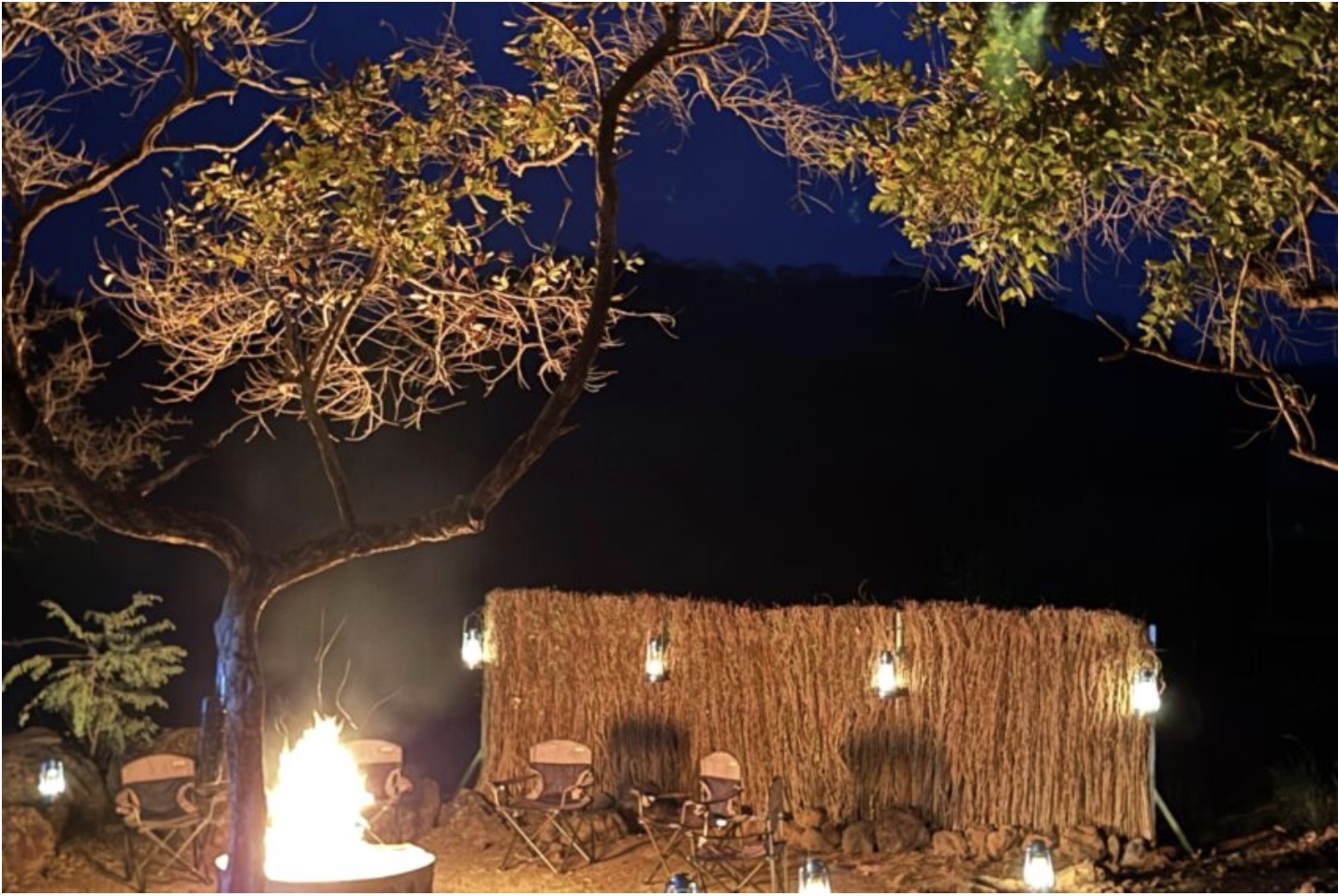
South Sudan is taking a significant step toward reshaping its global image with the opening of a new tourism facility at Maruwa Hills in Boma. The initiative marks one of the country’s first major efforts to develop a structured tourism industry, signaling a shift from conflict narratives to economic opportunity and environmental conservation.
The new tourism camp is located in the Boma region, part of the wider Boma-Badingilo ecosystem, one of Africa’s most important wildlife landscapes. Known for hosting the world’s largest land mammal migration, the region has long been recognized for its ecological value but remained largely untapped for tourism due to years of instability.
The project is the result of collaboration between the Government of South Sudan and conservation partners, including organizations working to protect wildlife and promote sustainable development. Over recent years, these partnerships have focused on restoring the region, improving infrastructure, and creating opportunities for local communities.
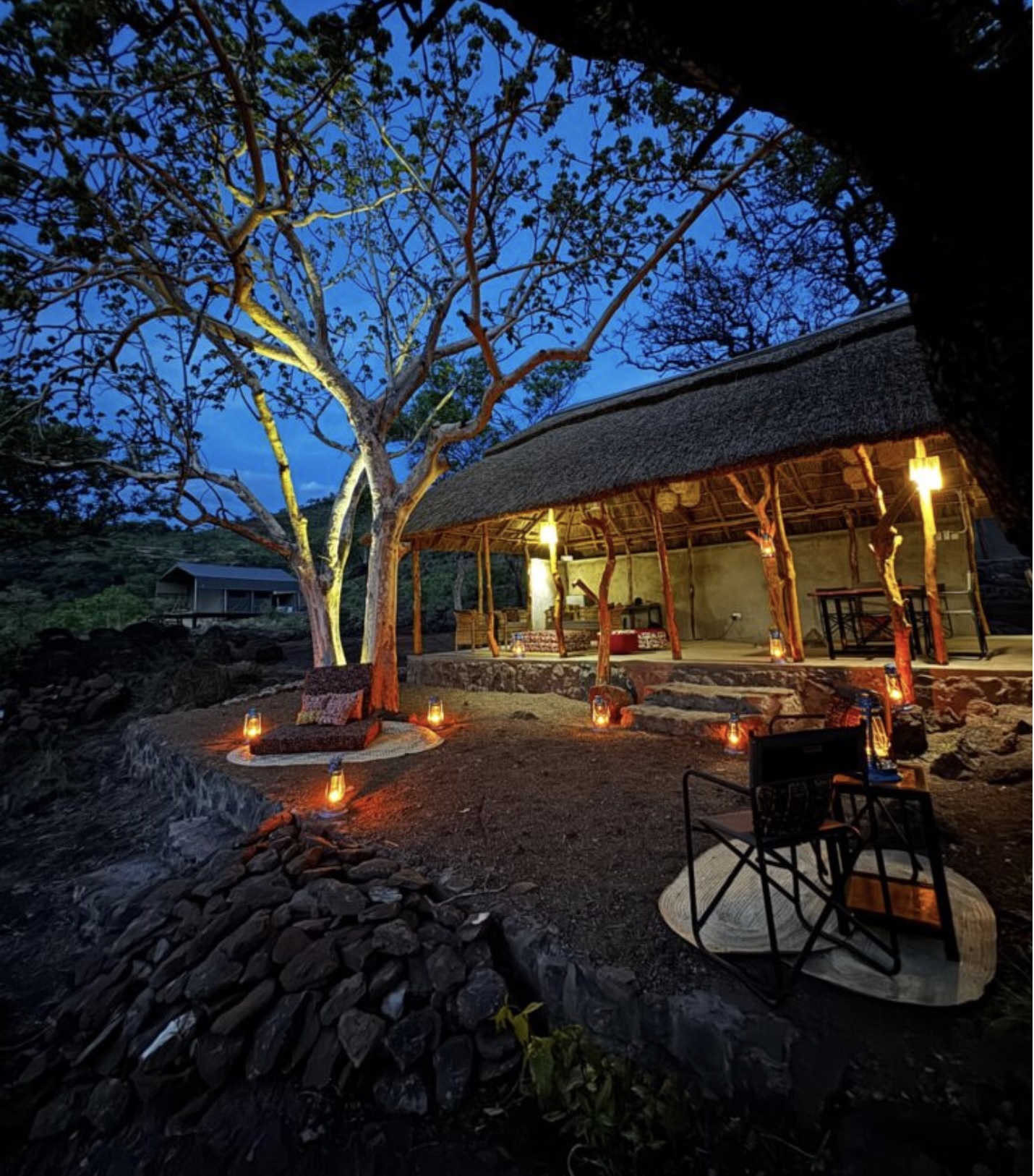
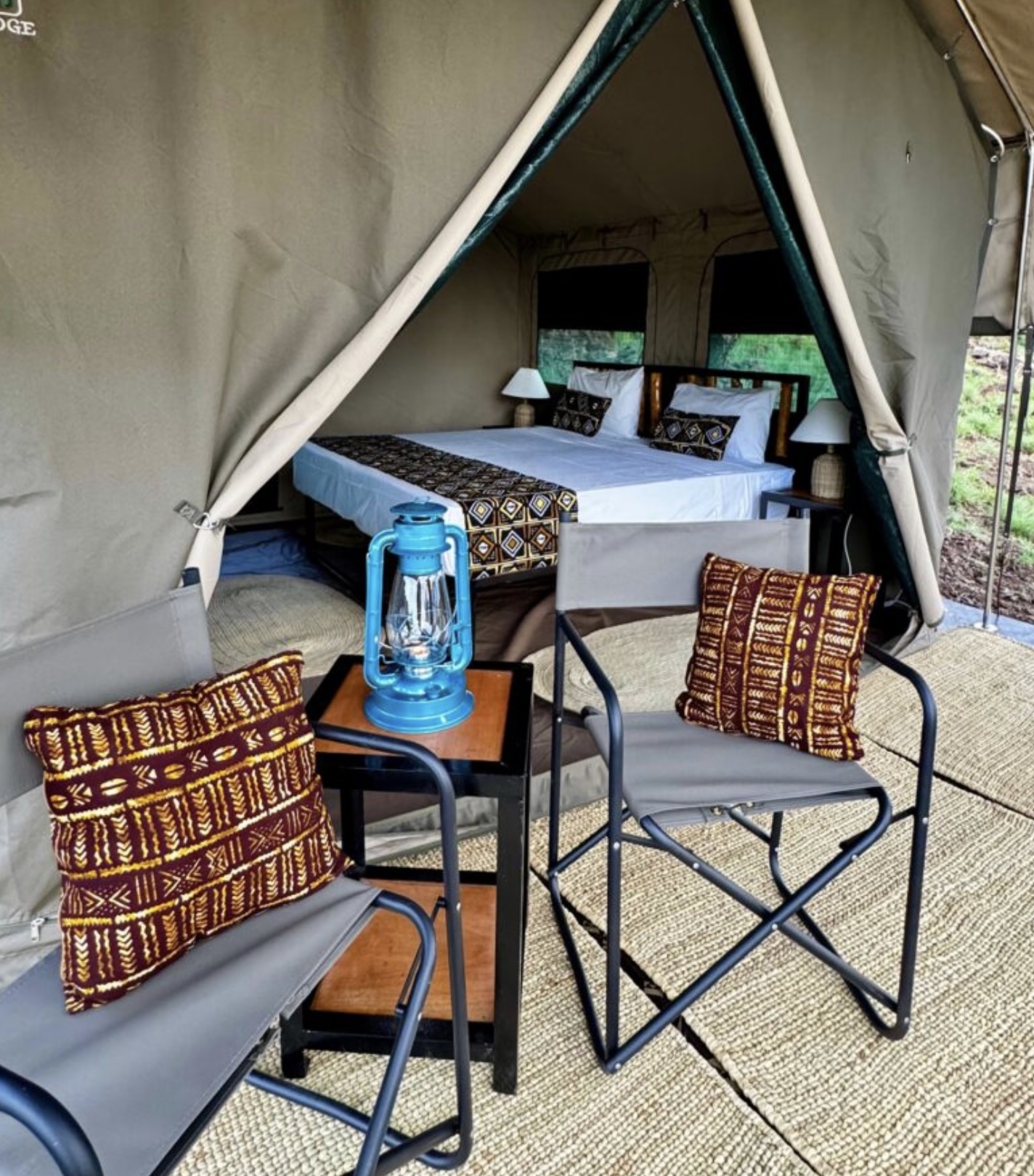
The Maruwa Hills tourism camp is designed to attract both regional and international visitors by offering access to one of Africa’s most unique natural environments. The facility aims to provide eco-tourism experiences such as wildlife viewing, cultural interactions, and guided tours across the savannah landscapes. This development answers a key question: why now? South Sudan is actively working to reposition itself on the global stage. By investing in tourism, the country hopes to diversify its economy beyond oil and create new revenue streams. Tourism is seen as a long-term solution that can generate income while preserving natural resources.
Who benefits from this initiative goes beyond the government. Local communities are central to the project. Programs linked to the tourism camp are expected to provide jobs, support small businesses, and create alternative livelihoods such as beekeeping, agriculture, and guiding services.
How the project works is rooted in a conservation-first model. Tourism development is being aligned with wildlife protection and community engagement. This approach ensures that economic benefits do not come at the cost of environmental degradation but instead support long-term sustainability.
The opening of the Maruwa Hills camp also reflects a broader trend across Africa, where countries are leveraging natural assets to build tourism economies. From safaris in East Africa to eco-tourism projects in Southern Africa, the continent is increasingly positioning itself as a global destination for nature-based travel. For South Sudan, this is more than a tourism project. It is a statement. A signal that the country is ready to turn a new page, redefine its narrative, and invite the world to experience its untapped beauty. While challenges remain, including infrastructure and security, the Maruwa Hills tourism camp represents a hopeful beginning for a new chapter in South Sudan’s future.
South Sudan Opens New Tourism Chapter as Maruwa Hills Camp Launches in Boma