AfriDiaspo is your daily source for African diaspora news, Afrobeats music, African business stories, diaspora events, immigration updates, African fashion, Nollywood, and African success stories — covering all 54 African countries and diaspora communities in the US, UK, Canada, France, Germany, and beyond.
Starlink Faces New Setback as Namibia Rejects Licence Application
— Anita okhipo
Namibia has rejected Starlink’s application to operate satellite internet services, marking another hurdle for the company in Africa. The decision highlights growing regulatory and ownership concerns across the continent’s telecom sector. It also raises broader questions about foreign control, loca…
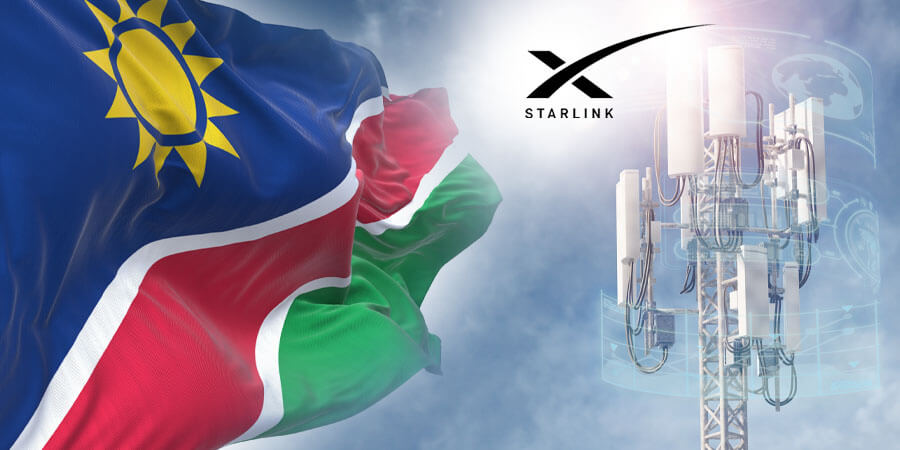
Namibia has officially rejected an application by Starlink, the satellite internet company owned by Elon Musk, dealing a fresh setback to the firm’s expansion across Africa.
According to a government notice published by the Communications Regulatory Authority of Namibia, Starlink’s request for a telecommunications service licence and access to radio spectrum was declined, although no specific reasons were provided.
The regulator noted that the decision could still be reviewed within 90 days if reconsidered internally or challenged through formal petition, leaving a small window open for Starlink to reapply or appeal.
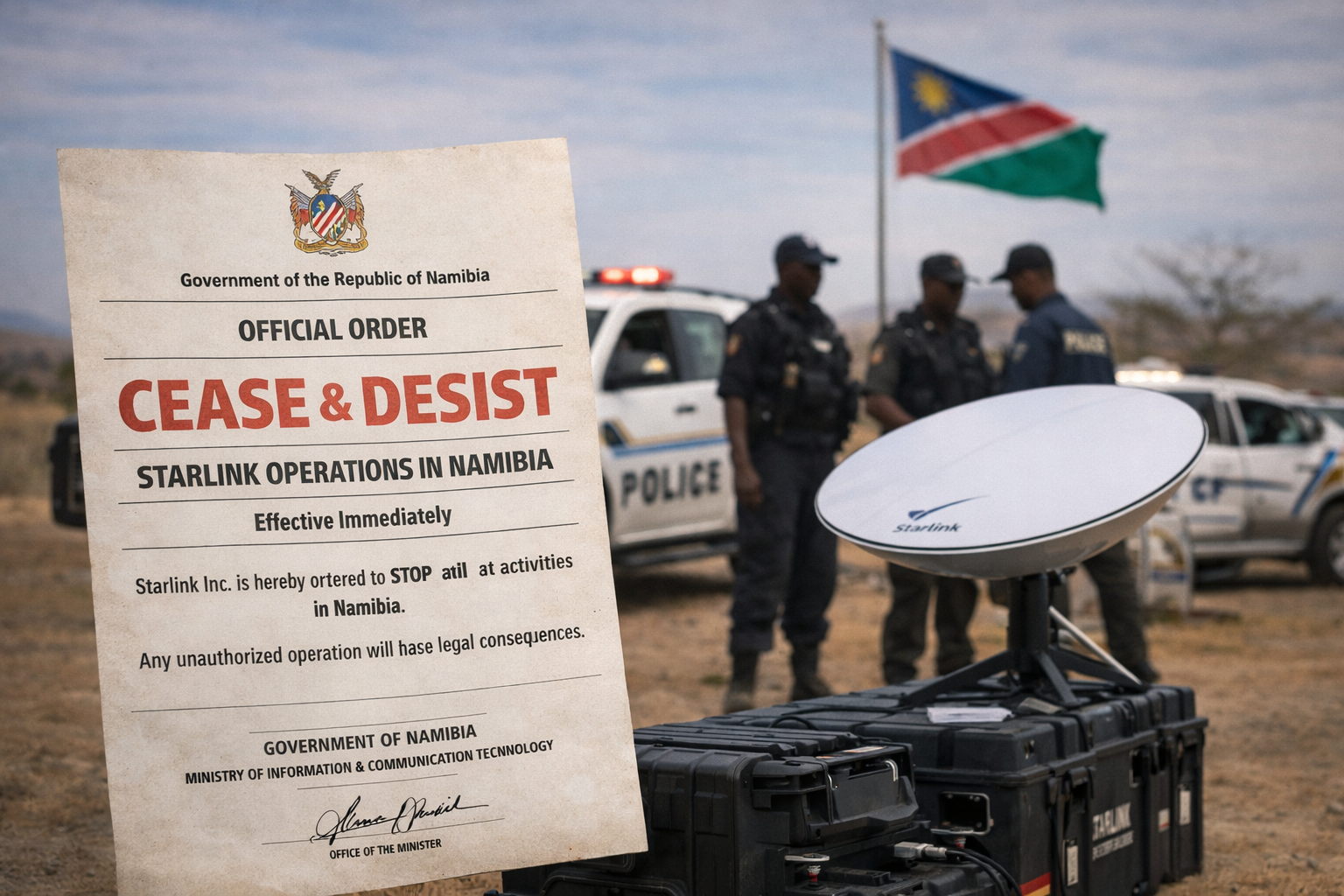
This development comes after earlier tensions between the company and Namibian authorities. In 2024, regulators issued a cease-and-desist order against Starlink, accusing it of operating in the country without a valid licence and warning citizens against purchasing its equipment.
Regulatory Barriers Across Africa
Namibia’s decision reflects a broader pattern across the continent, where Starlink has faced resistance due to regulatory frameworks and ownership requirements.
In many African countries, telecom operators are required to meet local ownership rules or partner with domestic stakeholders. In Namibia’s case, reports indicate that Starlink’s local subsidiary lacked sufficient local ownership, a key factor in regulatory approval.
Similar challenges have been observed in countries like South Africa, where telecom laws require foreign companies to allocate a percentage of equity to historically disadvantaged groups before receiving licences.
Namibia has ordered Starlink Inc. to halt all operations in the southwest African country immediately.
The Promise of Satellite Internet
Starlink has positioned itself as a game-changer in Africa’s digital landscape, offering high-speed internet through a network of low Earth orbit satellites, particularly in rural and underserved areas.
With millions across Africa still lacking reliable internet access, the company’s technology has been seen as a potential solution to bridge the digital divide, especially in remote communities where traditional infrastructure is limited.
However, the Namibian decision highlights the tension between technological expansion and national regulatory priorities.
A Question of Control and Sovereignty
At the heart of the issue is a deeper question: who controls Africa’s digital infrastructure?
Governments across the continent are increasingly cautious about allowing foreign companies to dominate critical sectors such as telecommunications. Concerns around data sovereignty, economic participation, and long-term national interests are shaping regulatory decisions.
For Namibia and other countries, ensuring local involvement and compliance with national laws appears to be a priority over rapid technological rollout.
What This Means for Africa
The rejection of Starlink’s licence is more than just a corporate setback. It signals a broader shift in how African nations are approaching foreign investment in key industries.
While there is clear demand for improved connectivity, governments are balancing that need with policies designed to protect local economies and maintain control over strategic infrastructure.
As Africa continues its digital transformation, the challenge will be finding the right balance between attracting innovation and safeguarding national interests.
The Road Ahead
For Starlink, the path forward in Namibia remains uncertain but not closed. With the possibility of review or appeal, the company may still find a way to meet regulatory requirements and re-enter discussions. For Africa, the moment is bigger. Just as the continent is rethinking control over its oil, agriculture, and physical infrastructure, it is now doing the same with digital space. The question is no longer just about access. It is about ownership, control, and the future of Africa’s place in the global digital economy.