STI Testing Without Shame: A Practical Guide to Knowing Your Status
— Afridiaspo Health Desk
A stigma-free guide to STI testing, including when to ask, why window periods matter, what tests may involve and how to talk with a partner.
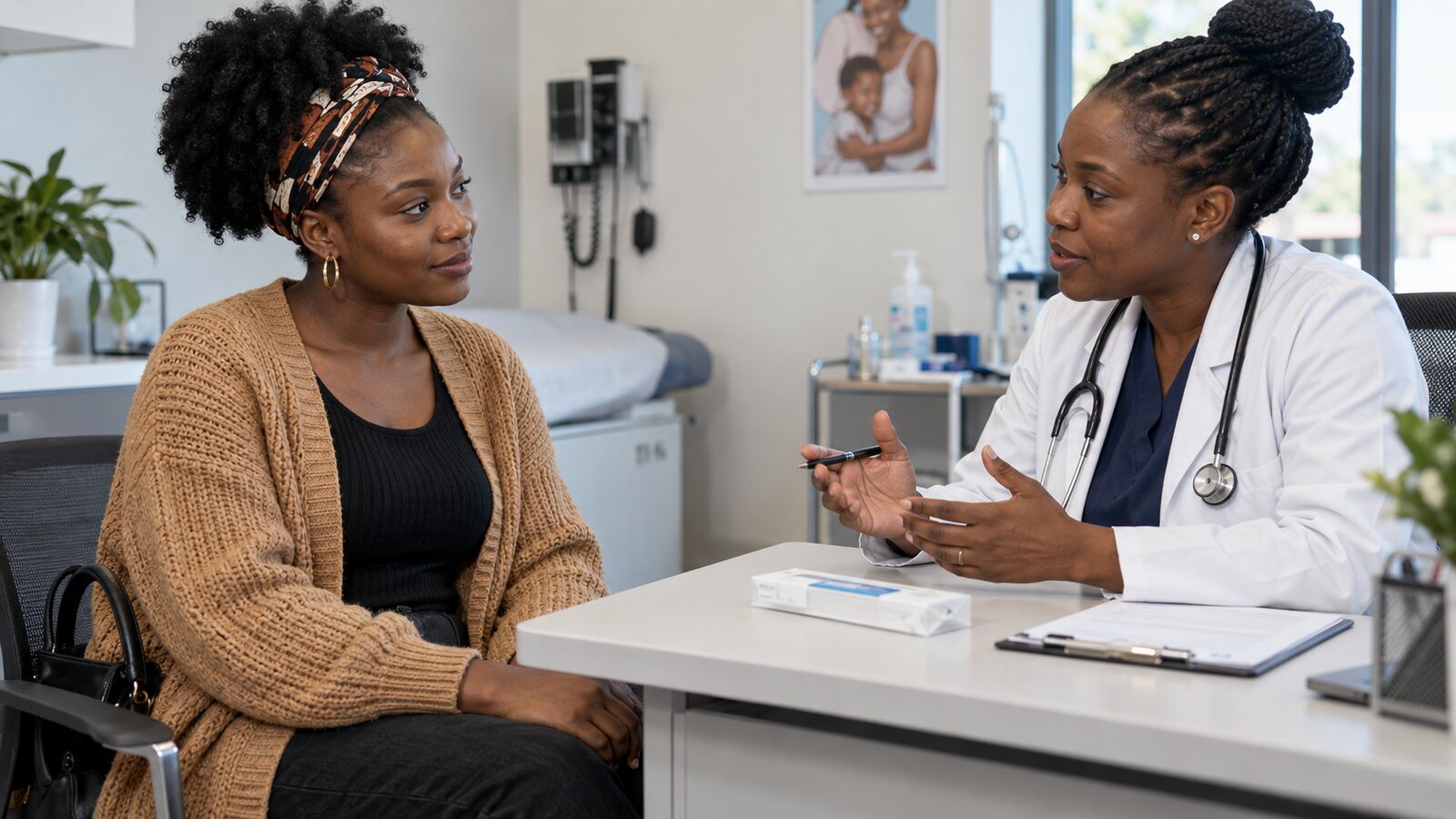
Sexual health checkups are healthcare—not a confession. Many sexually transmitted infections can be present without obvious symptoms, which means feeling well is not the same as knowing your status. Testing can protect your health, give partners clearer information and make treatment possible sooner when it is needed.
Who should start the conversation?
There is no single test schedule for every person. The right plan depends on age, anatomy, pregnancy, sexual practices, number of partners, condom use, past infections and local guidance. The U.S. Centers for Disease Control and Prevention recommends that everyone aged 13–64 receive at least one HIV test, while people with certain ongoing risks may need testing more often. Screening recommendations for chlamydia, gonorrhoea, syphilis and hepatitis vary, so a clinician should help match tests to your situation.
Consider asking about testing when you begin a new sexual relationship, before deciding to stop using barriers, after sex without the protection you intended, when a partner reports an infection, during pregnancy, or whenever you notice symptoms such as unusual discharge, sores, burning, pelvic pain or testicular pain. Symptoms require medical evaluation; they cannot identify the infection on their own.
Why timing matters
Tests do not all become accurate immediately after exposure. The “window period” varies by infection and by the kind of test used. For HIV, for example, laboratory antigen–antibody tests, rapid tests and nucleic-acid tests detect infection on different timelines. A negative result taken too early may need to be repeated. Tell the clinic when the possible exposure happened and what kind of contact occurred so staff can advise on the appropriate test and timing.
How to make the visit easier
- Ask what is included. A routine blood panel does not automatically test for every STI.
- Describe the sites of exposure. Depending on sexual practices, testing may involve blood, urine or swabs from the throat, genitals or rectum.
- Ask about privacy and cost. Community clinics, public-health departments and sexual-health services may offer confidential, free or lower-cost options.
- Plan for results. Ask how and when results will arrive, what a positive result would mean and whether partners may need testing or treatment.
- Do not self-treat. Leftover antibiotics can delay correct diagnosis and contribute to drug resistance.
A partner conversation without blame
Try language that makes testing a shared health decision: “I want us both to feel safe, so I’m getting tested and I’d like us to discuss testing together.” A result is medical information, not evidence of someone’s worth. Some infections can remain unnoticed for long periods, so assumptions about when or from whom an infection came may be unreliable without clinical evidence.
If you think you were recently exposed to HIV, urgent care matters: post-exposure prophylaxis, or PEP, must be started as soon as possible and no later than 72 hours after exposure. Contact an emergency department, urgent-care service or qualified clinician immediately rather than waiting for symptoms.
This article provides general education and does not replace individual medical advice. Local screening guidance and available services differ by country.
Sources
- U.S. CDC: Getting Tested for HIV
- U.S. CDC: About Sexually Transmitted Infections
- World Health Organization: Sexual Health
Image credit: Afridiaspo original AI-assisted editorial illustration.
STI Testing Without Shame: A Practical Guide to Knowing Your Status