AfriDiaspo is your daily source for African diaspora news, Afrobeats music, African business stories, diaspora events, immigration updates, African fashion, Nollywood, and African success stories — covering all 54 African countries and diaspora communities in the US, UK, Canada, France, Germany, and beyond.
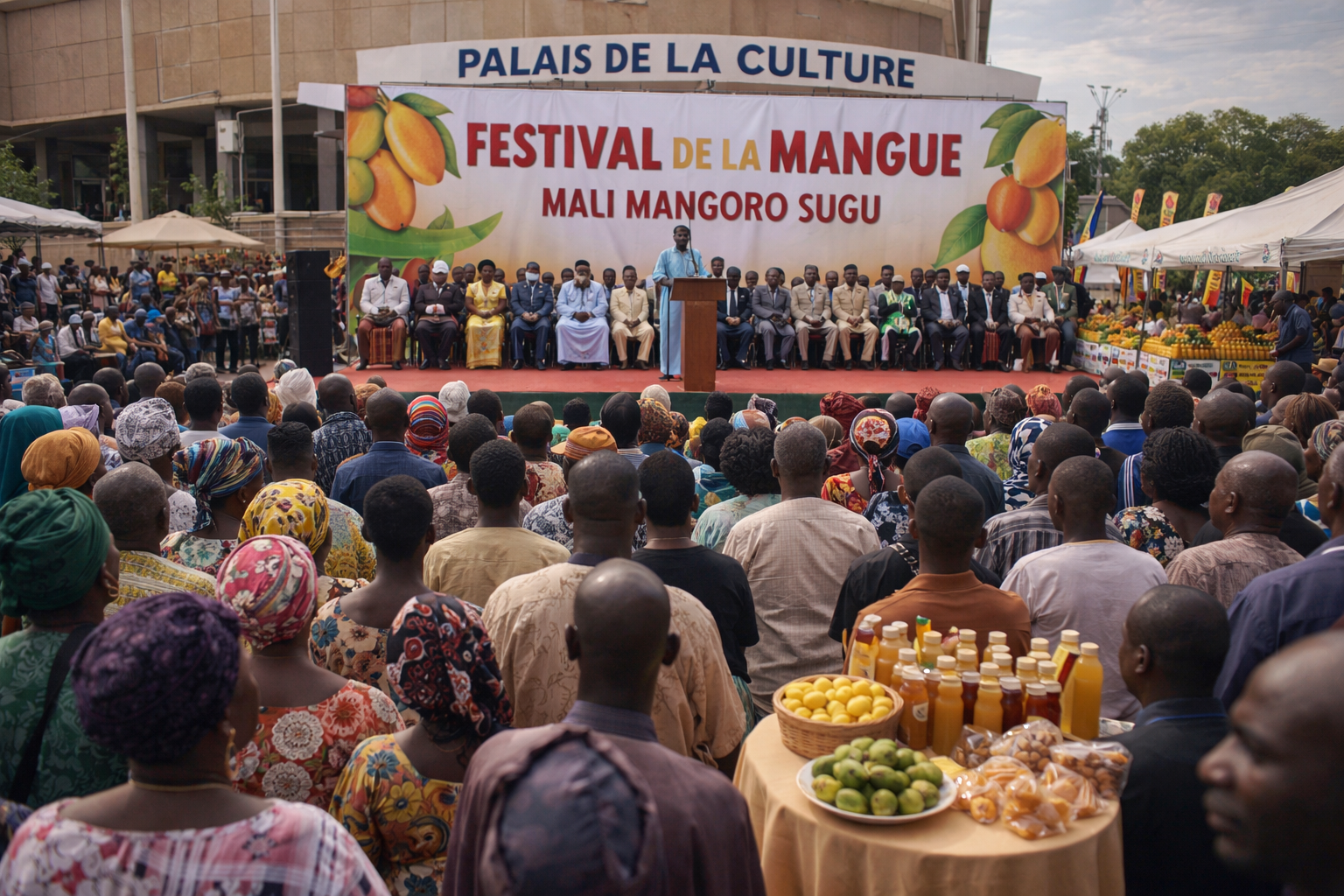
The Palace of Culture in Bamako served as the venue on Wednesday, March 25, 2026, for the launch of the second edition of the Mango Festival, also known as “Mali Mangoro Sugu.”
Mali has launched the second edition of its Mango Festival to promote agriculture and local economic growth. The event aims to shift from raw mango exports to value-added products like juice and dried fruit. It highlights growing efforts across Africa to boost local processing and create more jobs.
Mali Launches Second Mango Festival to Boost Agriculture and Local Economy
The Palais de la Culture came alive on Wednesday, March 25, 2026, as Mali officially launched the second edition of its Mango Festival, popularly known as “Mali Mangoro Sugu.” The event brought together farmers, traders, investors, and cultural stakeholders, all focused on one goal — unlocking the full economic potential of one of Mali’s most valuable agricultural products.
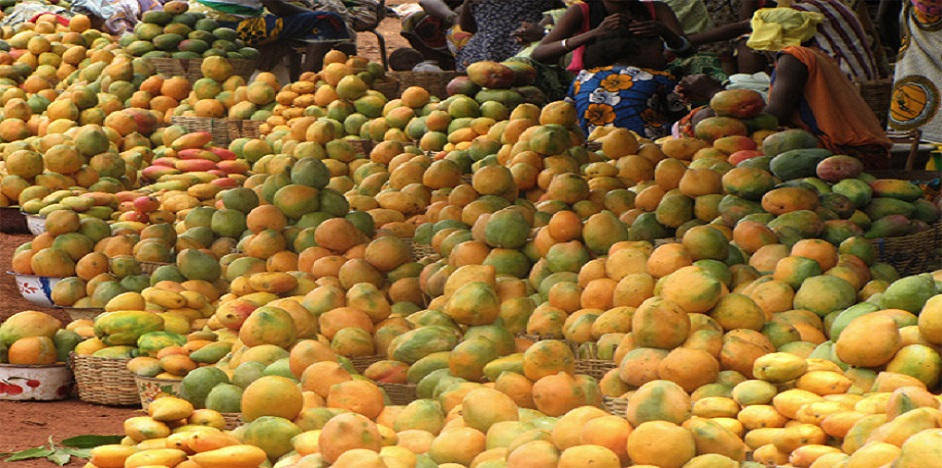
Mango production plays a significant role in Mali’s agricultural sector, with the country ranking among West Africa’s key producers. However, like many African nations, much of its produce is exported in raw form, limiting the value captured locally. The Mango Festival aims to change that narrative by promoting local processing, commercialization, and global competitiveness.
The festival serves as both a cultural celebration and an economic platform. It highlights not only the importance of mango farming but also the opportunities across the value chain, from cultivation and packaging to export and transformation into products like juice, dried mango, and cosmetics.
Mali’s Mango Festival highlights the growing value of local agricultural production.
Government officials and industry players at the event emphasized the need to strengthen agricultural systems, improve infrastructure, and support farmers with better access to markets. By doing so, Mali hopes to position itself as a leading exporter of processed mango products, rather than just raw fruit. Beyond agriculture, the festival also reflects a broader movement across Africa toward value addition. Countries are increasingly focusing on processing their natural resources locally to create jobs, boost revenue, and reduce dependence on external markets. Mali’s Mango Festival is a clear example of how agriculture can drive industrial growth.
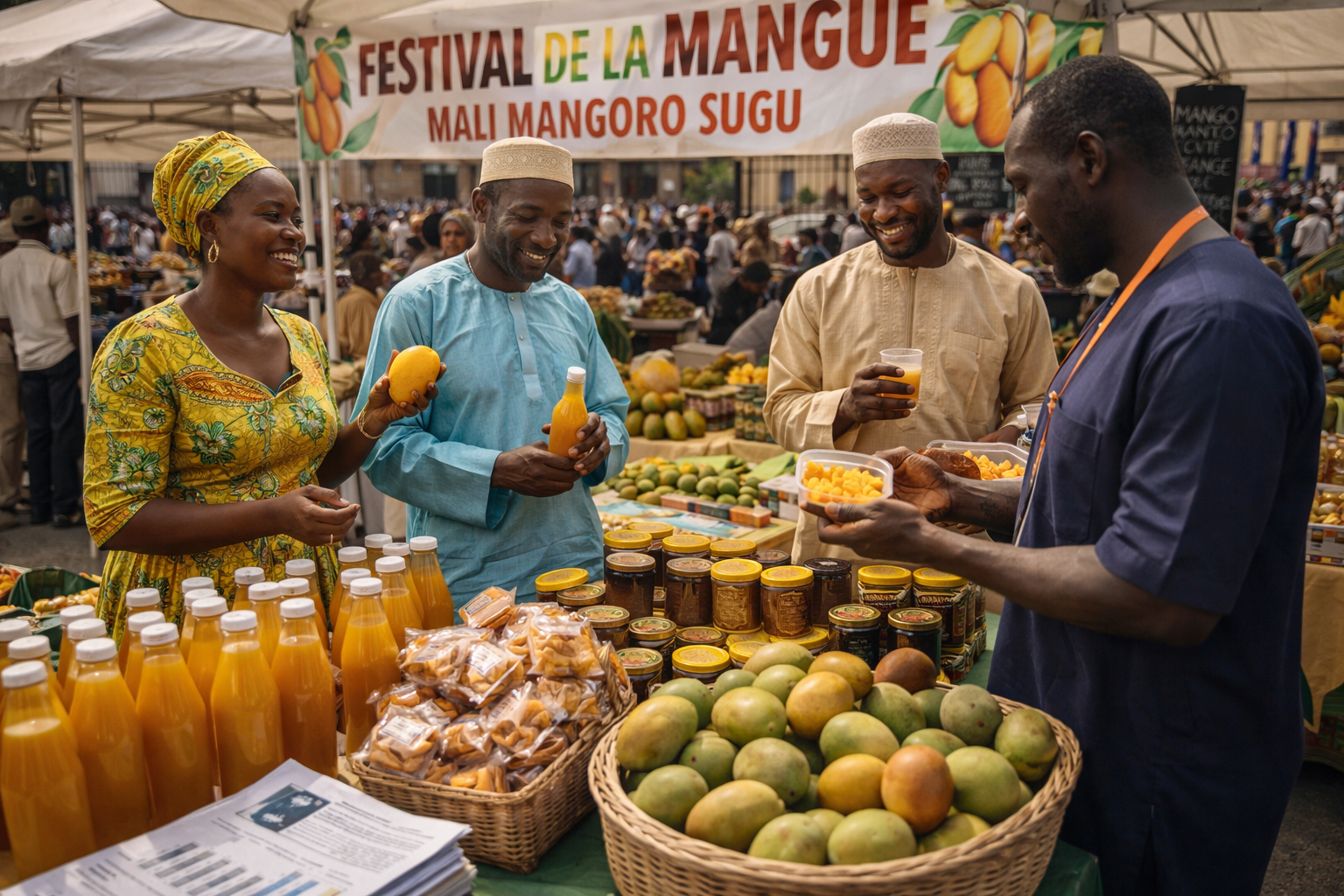
From farm to market, mango innovation is driving new economic opportunities.
The event also creates opportunities for small businesses and entrepreneurs. From local vendors showcasing mango-based products to startups exploring innovative uses of the fruit, the festival acts as a launchpad for new ideas and collaborations.
Culturally, the festival celebrates Mali’s rich heritage, blending music, food, and tradition with economic ambition. It brings communities together while showcasing the country’s agricultural strength to both local and international audiences.
As the second edition unfolds, expectations are high. Organizers are aiming to expand the festival’s reach, attract more investors, and build stronger connections between producers and global markets. For Mali, the Mango Festival is more than an event. It is a strategy. A step toward transforming agriculture into a powerful economic engine and ensuring that more value stays within the country.