Tope Olowoniyan Is Building Her Own Stage
— Afridiaspo Editorial Desk
Explore Tope Olowoniyan’s journey through Linda Ikeji TV, TVC, King of Boys, Love Notes and her own YouTube film and interview productions.
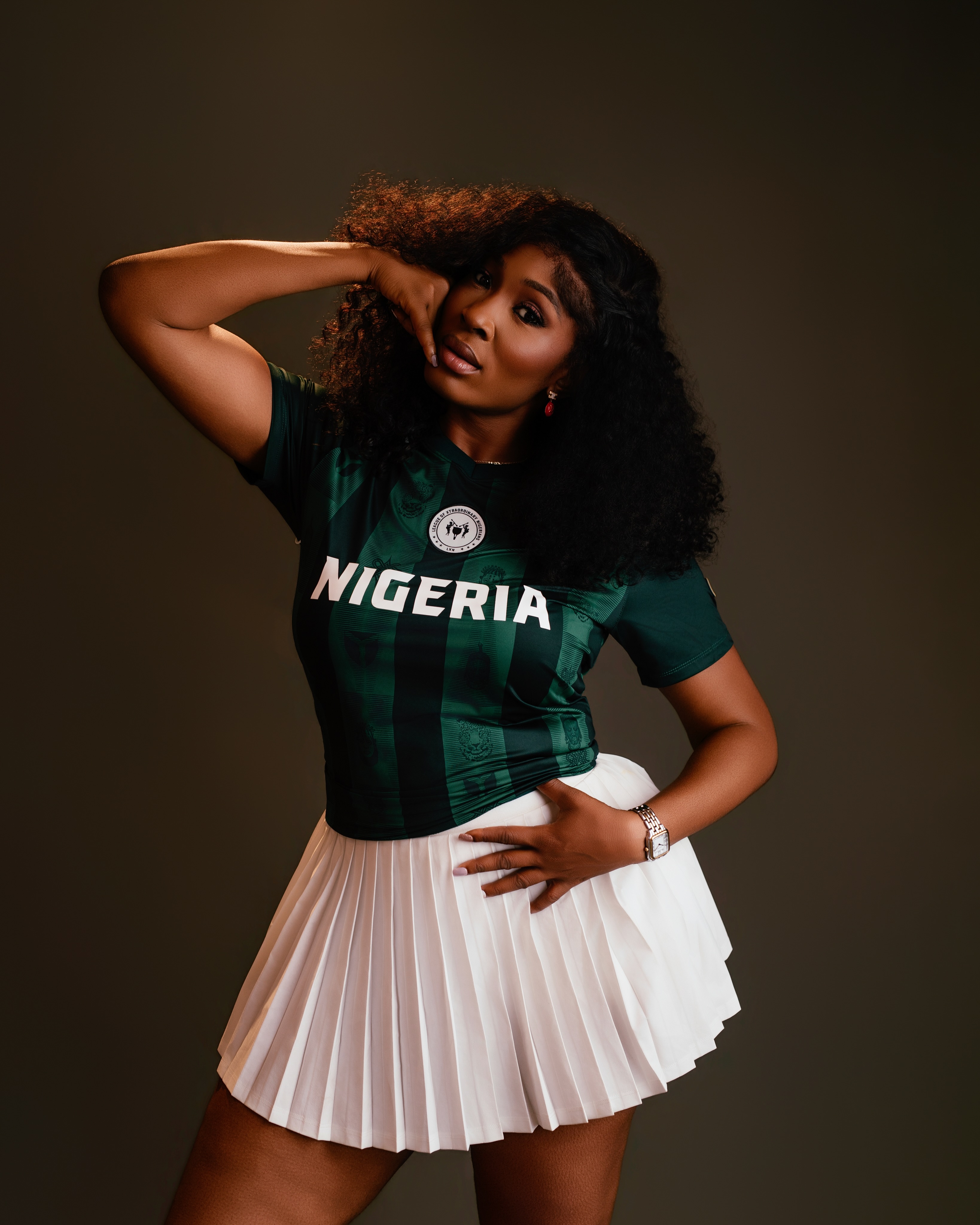
From Linda Ikeji TV and TVC to King of Boys and her own YouTube productions, the actress, presenter and producer is expanding who gets to choose the stories she tells.
Tope Olowoniyan’s career can be followed through the places where audiences have met her: a television interview, a morning programme, a Nollywood drama, and now a channel bearing her own name. The most revealing change is behind the camera. A performer who once depended on an audition for access is increasingly creating the programme, assembling the production and inviting an audience herself.
That change has a concrete recent expression. In September 2026, A Summer for Fountain arrived on Tope Olowoniyan TV’s YouTube channel, with a cast including Joke Silva, Kunle Remi, Deyemi Okanlawon and Omowunmi Dada. BellaNaija’s September 12 report identifies it as the production company’s first original feature film.
The milestone places a new question at the centre of her story: what happens when the person hired to inhabit other people’s characters also takes responsibility for getting her own stories made?
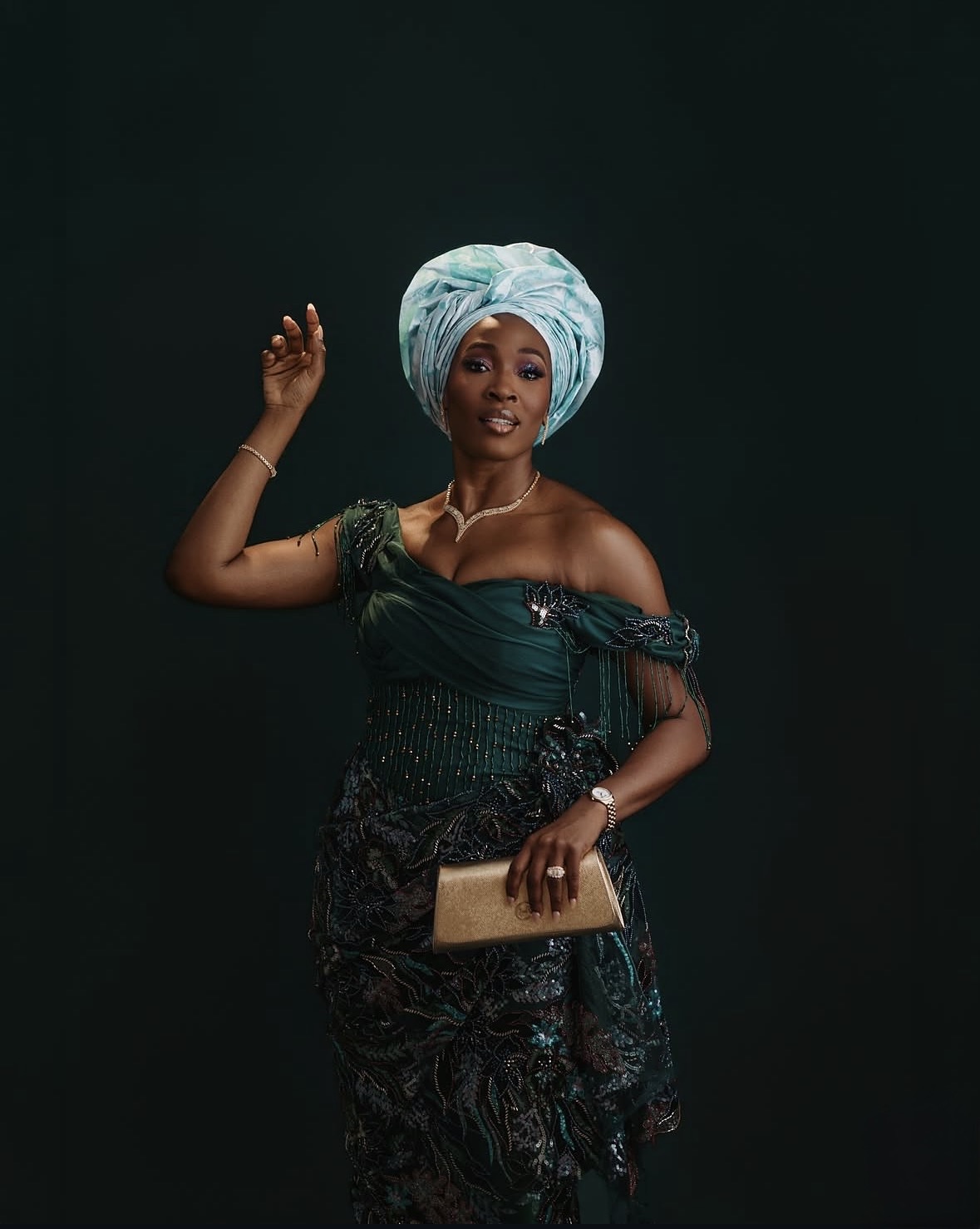
Zaria, stage work and the search for a television job
Born in Zaria, Kaduna State, Olowoniyan grew up with her grandparents. In her 2021 BellaNaija interview, she described studying English with a Theatre Arts minor, performing in university stage productions and later travelling to the UK for presentation training.
Her initial ambition was presenting. When a suitable television job did not materialise, she attended film auditions instead. She identifies Growing Old in 2015 as her first screen role, followed by Everyday People.
The route matters because presenting and acting were not sealed-off identities. Both ask a performer to understand timing, audience attention and what a moment needs. Their demands differ, but the skills can travel between them.
The Linda Ikeji TV chapter
Linda Ikeji TV gave her an early professional broadcasting platform. A March 4, 2017 announcement introduced The Interview, naming Olowoniyan as its presenter and announcing a March 8 debut. Later official coverage also identified her with Verified.
She told BellaNaija that she worked with the brand from 2017 until September 2018. That period belongs in any account of her career: it explains the interviewing experience that preceded the conversation-led programmes she now produces.
A host does more than ask the next question. She must listen for a useful follow-up, make a guest intelligible to viewers and give a conversation shape. Those responsibilities become particularly significant when the subject is someone’s relationship or family life.
TVC and the discipline of morning television
On October 24, 2019, TVC Entertainment announced her as a new co-host of Wake Up Nigeria. Its introduction described her as a presenter, actor and model and connected her broadcasting ambitions to presenters she had watched growing up.
Morning television offers a different relationship with an audience from a scripted film. A co-host helps carry the programme through its changing subjects and guests. Presence, preparation and the ability to keep a segment moving become part of the work.
Seen alongside Linda Ikeji TV, this chapter makes her later move into her own interview formats easier to understand. The hosting was already there; what changed was her responsibility for the platform and its production.
King of Boys: a challenge that became a role
Her entry into King of Boys: The Return of the King came through the #KOBStayHomeChallenge. She won and was cast as Aisha Banjo, working with director Kemi Adetiba and co-star Efa Iwara. In her BellaNaija interview, she recalled extensive virtual preparation and rehearsals.
She also said she lost both grandparents during that period, while explicitly clarifying that their deaths were not caused by COVID-19. The performance and the personal loss belonged to the same difficult stretch of her life.
That experience should not be reduced to a convenient success montage. A major credit can widen public recognition, but the work still involves preparation, direction and repeated attempts at a scene. The challenge opened a door; performance had to carry her through it.
The television ecosystem behind the breakthrough
King of Boys is a recognisable landmark, but it is only one part of the record. In an October 28, 2023 interview with Independent, Olowoniyan discussed credits including Tinsel, Hush, Battleground, Riona and Enakhe. She described repeated early-morning auditions and credited Africa Magic with supporting her professional growth.
Her assessment of payment and opportunity was her own experience, rather than a finding about conditions across the entire industry. It nevertheless brings the less glamorous machinery of a screen career into view: returning to auditions, working across productions and developing a body of work before a wider audience notices.
In a separate Culture Custodian interview, she connected Nollywood’s appeal to cultural identity and described work with Africa Magic and MultiChoice Talent Factory productions. The conversation also placed her presenting and digital projects alongside acting, rather than treating them as an abandonment of it.
Three shows, three kinds of conversation
Her digital catalogue gives the ownership story substance. These are programmes with distinct subjects, rather than a channel built only around celebrity visibility.
| Programme | Editorial focus |
|---|---|
| Love Notes with Tope | Relationships and the experiences people bring to love, marriage and changing circumstances. |
| The Father’s Path | Fatherhood, presence and emotional responsibility. |
| Lights, Camera, It’s My Turn | Career-defining moments and choosing to pursue creative opportunities. |
Source: Olowoniyan’s March 8, 2026 interview with Punch.
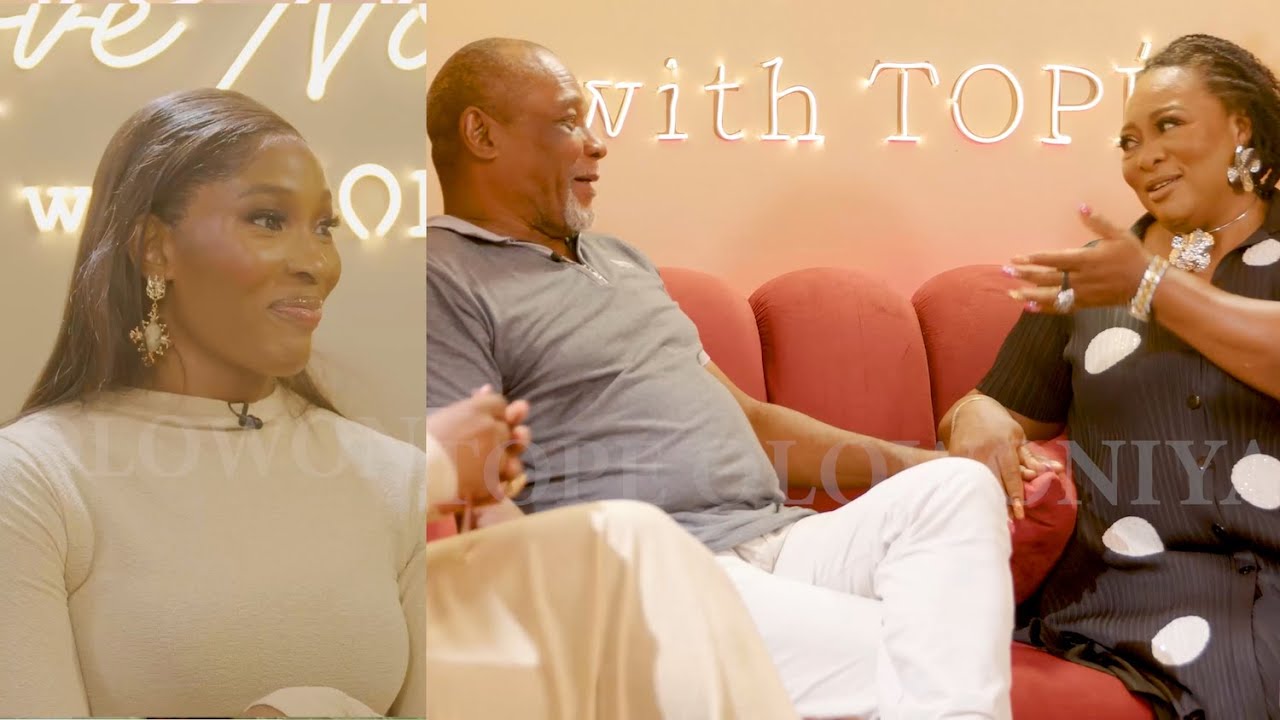
BellaNaija’s March 1, 2025 coverage documents a Love Notes episode with Norbert and Gloria Young. It also points readers to conversations featuring Daniel and Mercy Abua and Stan Nze and Blessing Jessica Obasi.
Ownership also means organising the work
In the Punch interview, Olowoniyan described producing at home, moving from a mini-flat into a larger apartment and eventually working from a studio. She recalled losing a planned shoot when generator access fell through. Studio production brought hiring, systems and team accountability.
She said her second Love Notes season broadened its relationship perspectives, and emphasised allowing guests to share only what they were comfortable discussing.
These details make ownership practical. It involves an environment in which a recording can happen, people who can deliver it and decisions about what a guest should be asked to disclose. The producer’s ambition must be matched by dependable arrangements.
For interview-led work, that last responsibility matters as much as the set. A programme can invite difficult experiences without making emotional exposure the price of appearing on screen.
A Summer for Fountain, with Olowoniyan between Kunle Remi and Deyemi Okanlawon.
A channel of her own, an audience beyond Nigeria
The feature-film release extends that production work into a longer scripted format. It also makes Olowoniyan’s channel a meeting point for her roles as performer, host and producer.
For Africans and diaspora viewers, digital distribution offers a straightforward advantage: the same official channel can be reached across borders. That does not establish the size or composition of her audience, nor does an online release by itself prove commercial success. It changes how the work can be encountered.
A viewer drawn in by an acting credit can discover an interview series. Someone following a conversation about marriage can encounter a film. The channel gives these formats a shared home, while each still has to earn attention on its own merits.
Olowoniyan’s story is therefore larger than a move from one job title to another. She has worked within established television and film platforms and is now adding a production platform of her own. The strongest evidence of that change is the work available to watch.
From Zaria to professional broadcasting, from auditions to Aisha Banjo, and from home recordings to her own programmes and feature film, she is building more places for her storytelling to happen. Her next chapter will depend on what those places produce—and how well the stories hold an audience once the introduction is over.
Editorial review note: This feature is based on linked public interviews and official announcements, not a new Afridiaspo interview. Photographs and programme artwork are included for layout review; written republication permission must be confirmed before publication. No audience, revenue or commercial-success figures are asserted.