Treatment Held. Prevention Did Not.
— Afridiaspo Health Desk
A 2025 Global Fund report reveals HIV, TB, and malaria treatment programs protected 26.9M, 7.4M people, and distributed 196M nets despite funding pressure.
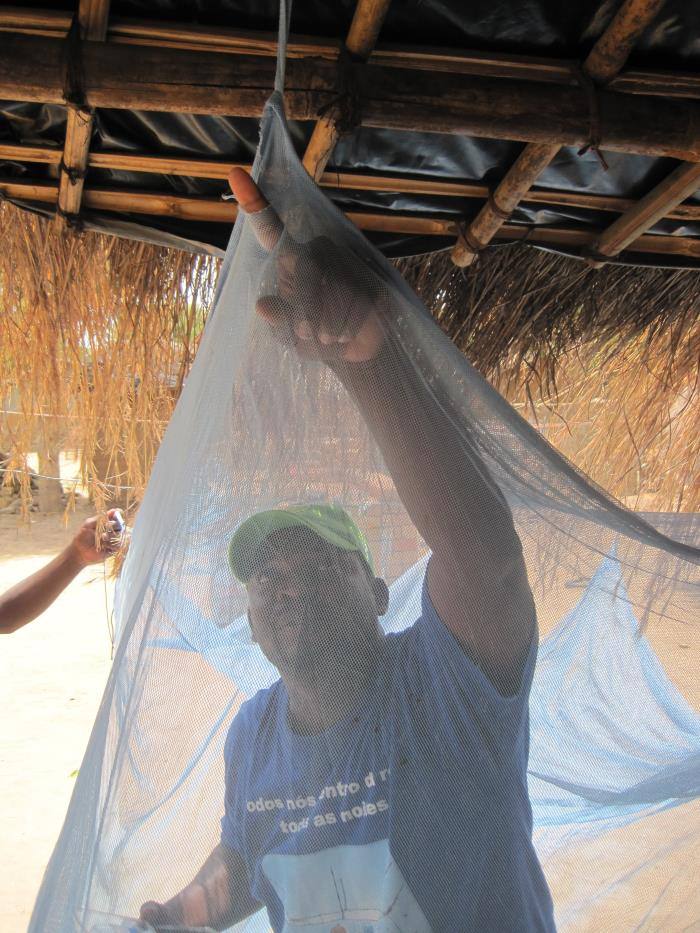
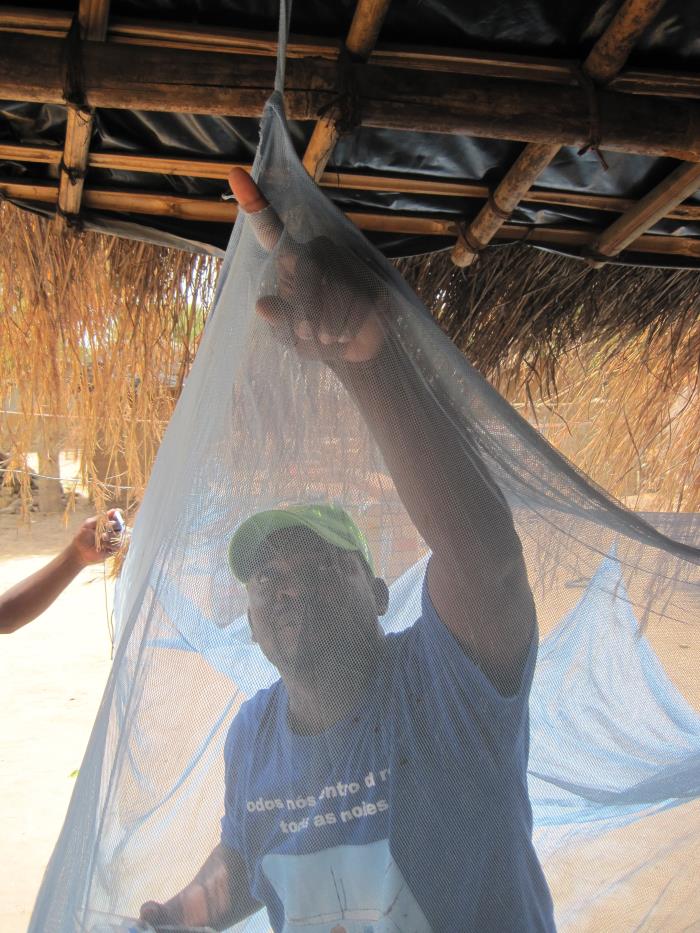
The most reassuring number in the Global Fund’s new results report may also be the easiest one to misread. In 2025, 26.9 million people in countries supported by the partnership were receiving antiretroviral therapy for HIV—1.3 million more than the year before. Tuberculosis treatment held at 7.4 million people. Malaria programmes distributed 196 million insecticide-treated mosquito nets, up from 162 million.
Those figures show that governments, health workers and communities protected millions of people through a year of sharp funding pressure. They do not show that the system escaped damage.
The deeper warning is in what became harder to count: the HIV infection prevented, the tuberculosis case found early, the malaria campaign completed before the rains. The Global Fund says funding disruptions forced many countries to scale back or suspend HIV prevention, disrupted TB case-finding and diagnosis, and caused malaria medicine shortages and delayed prevention campaigns.
That is why this is not simply a story about less aid. It is a story about a public-health system protecting treatment today by borrowing risk from tomorrow.
The 2025 scorecard: resilience with a fault line
| Measure | 2025 result | What it means | What it does not prove |
|---|---|---|---|
| HIV treatment | 26.9 million people on antiretroviral therapy, up from 25.6 million | Countries largely protected treatment continuity | That prevention, testing or community outreach remained intact |
| HIV prevention | 1.1 million people received PrEP, down from 1.4 million | About 300,000 fewer people received a highly effective prevention option | That the effect on new infections is already fully visible |
| TB treatment | 7.4 million people treated, broadly unchanged | Treatment delivery held despite pressure | That missing cases were found; diagnostic disruption can hide the gap |
| Malaria prevention | 196 million insecticide-treated nets distributed, up from 162 million | Large campaigns still reached families | That all campaigns happened on time or that medicine stocks were secure |
Source: Global Fund 2026 Results Report release. The PrEP decline is 300,000 people, or about 21%, based on the reported totals.
Why prevention breaks first
Treatment programmes have a powerful—and necessary—claim on scarce money. Interrupting antiretroviral therapy can endanger a person’s health and increase the risk of HIV transmission. Interrupting tuberculosis treatment can lead to continued illness, ongoing transmission and drug resistance. When budgets contract, keeping medicines flowing to people already in care is the first ethical obligation.
Prevention is easier to trim precisely because its success is invisible. A clinic can count pills dispensed. It cannot point to the infection that never happened because a peer educator reached someone, a TB contact was screened, a mosquito-net campaign arrived on schedule or a community health worker corrected misinformation before it spread.
The cost appears later. Fewer prevention contacts can mean more infections; fewer tests can mean later diagnoses; delayed campaigns can mean more severe disease. Peter Sands, the Global Fund’s executive director, told Reuters that the apparent stability in treatment should not be read as evidence that health systems can simply operate with less money. The consequences of prevention cuts will take time to appear in infection and death data.
HIV: the clearest early warning
The report’s sharpest prevention signal is the fall in access to pre-exposure prophylaxis, or PrEP. In Global Fund-supported countries, the number of people receiving PrEP declined from 1.4 million in 2024 to 1.1 million in 2025.
PrEP is medicine used by HIV-negative people to reduce the risk of acquiring HIV. The reduction matters especially in sub-Saharan Africa, where donor financing has historically supported many community-led services for adolescent girls and young women, sex workers, men who have sex with men, people who inject drugs and other groups that can face stigma or barriers in mainstream health systems.
A July 2026 UNAIDS special report reached the same broad conclusion: funding disruption damaged prevention, testing and community-led services, while countries mobilized short-term domestic resources to preserve essential treatment. UNAIDS cautioned that the full effects will emerge over several years.
This distinction matters. Treatment success and prevention weakness can coexist. One does not cancel out the other.
TB: stable treatment can hide missing diagnoses
The TB total looks steady: 7.4 million people treated in 2025, including 115,000 people with drug-resistant TB. But the Global Fund says programmes faced disruptions to case-finding, diagnosis and treatment.
That is a dangerous sequence because TB control depends on finding people early. Globally, an estimated 10.7 million people developed TB in 2024 and more than 1.2 million died. If outreach weakens, laboratories lose supplies or people cannot afford transport to a clinic, cases can disappear from official registers without disappearing from communities.
In other words, a flat treatment number can represent resilience among people who reached care while saying little about those who did not.
Malaria: more nets, but timing is part of the medicine
The rise to 196 million mosquito nets is substantial. So are the other reported 2025 prevention gains: 52.1 million children received seasonal malaria chemoprevention, 25.8 million people were protected by indoor residual spraying and 19.9 million pregnant women received preventive malaria treatment.
Yet malaria killed an estimated 610,000 people worldwide in 2024, with the vast majority of the burden in sub-Saharan Africa. In Global Fund-supported countries, children under five accounted for almost three-quarters of malaria deaths.
Malaria prevention is calendar-sensitive. A bed-net campaign that arrives after peak transmission, a stock-out during a rainy season or a delayed round of preventive medicine is not merely an administrative inconvenience. It is lost protection during the period when families need it most.

The innovation paradox
The same report describes tools that could accelerate progress: twice-yearly lenacapavir for HIV prevention began reaching early-adopter countries; AI-enabled digital X-rays are supporting TB detection in more than 20 countries; and dual-active-ingredient mosquito nets can reduce malaria cases by up to 45% more than standard nets in areas with insecticide resistance.
But a breakthrough that does not reach people is not yet a public-health breakthrough. New tools require procurement, trained staff, community trust, transport, data systems and clinics that remain open. Cutting the delivery system while celebrating the technology creates a pipeline with no last mile.
Why this matters to Africans and the diaspora
The health consequences will be concentrated where disease burden, conflict and fiscal pressure overlap. The Global Fund says fragile and conflict-affected settings account for about 63% of global malaria cases, while countries facing acute or protracted crises carry roughly a quarter of the global TB burden.
For diaspora families, prevention gaps are not distant abstractions. They can affect relatives’ access to testing and medicines, the reliability of malaria campaigns in hometowns, and the risk calculations around travel and caregiving. Diaspora organizations can support trusted community groups and help challenge stigma, but remittances and charity cannot replace durable national budgets or predictable international financing.
What to watch next
- PrEP recovery: whether access returns to at least the 2024 level and whether new long-acting options reach communities equitably.
- TB detection: whether testing volumes and case notifications rebound, not only whether treatment totals remain flat.
- Malaria timing: whether nets, preventive medicines and diagnostics arrive before peak transmission seasons.
- Domestic financing: whether governments convert pledges of health sovereignty into protected budget lines and reliable disbursement.
- Community capacity: whether the outreach workers and civil-society groups closest to underserved populations are funded, not treated as optional extras.
The Afridiaspo takeaway
The 2025 results deserve recognition: millions stayed on lifesaving treatment during a funding shock. But a health system cannot treat its way out of every preventable infection.
The real test of resilience is not only whether today’s patient received medicine. It is whether tomorrow’s patient was protected from needing it. On that measure, the new report is not a victory lap. It is an early-warning system.
Sources and methodology
- Global Fund: 2026 Results Report release, 16 September 2026
- Global Fund Data Explorer: annual results
- Global Fund: HIV and AIDS results
- Global Fund: tuberculosis results
- Global Fund: malaria results
- UNAIDS special report, 27 July 2026
- Reuters interview with Global Fund Executive Director Peter Sands, 16 September 2026
This article provides general public-health information and does not replace personal medical advice. Readers should consult qualified health professionals or local public-health services for individual care.